
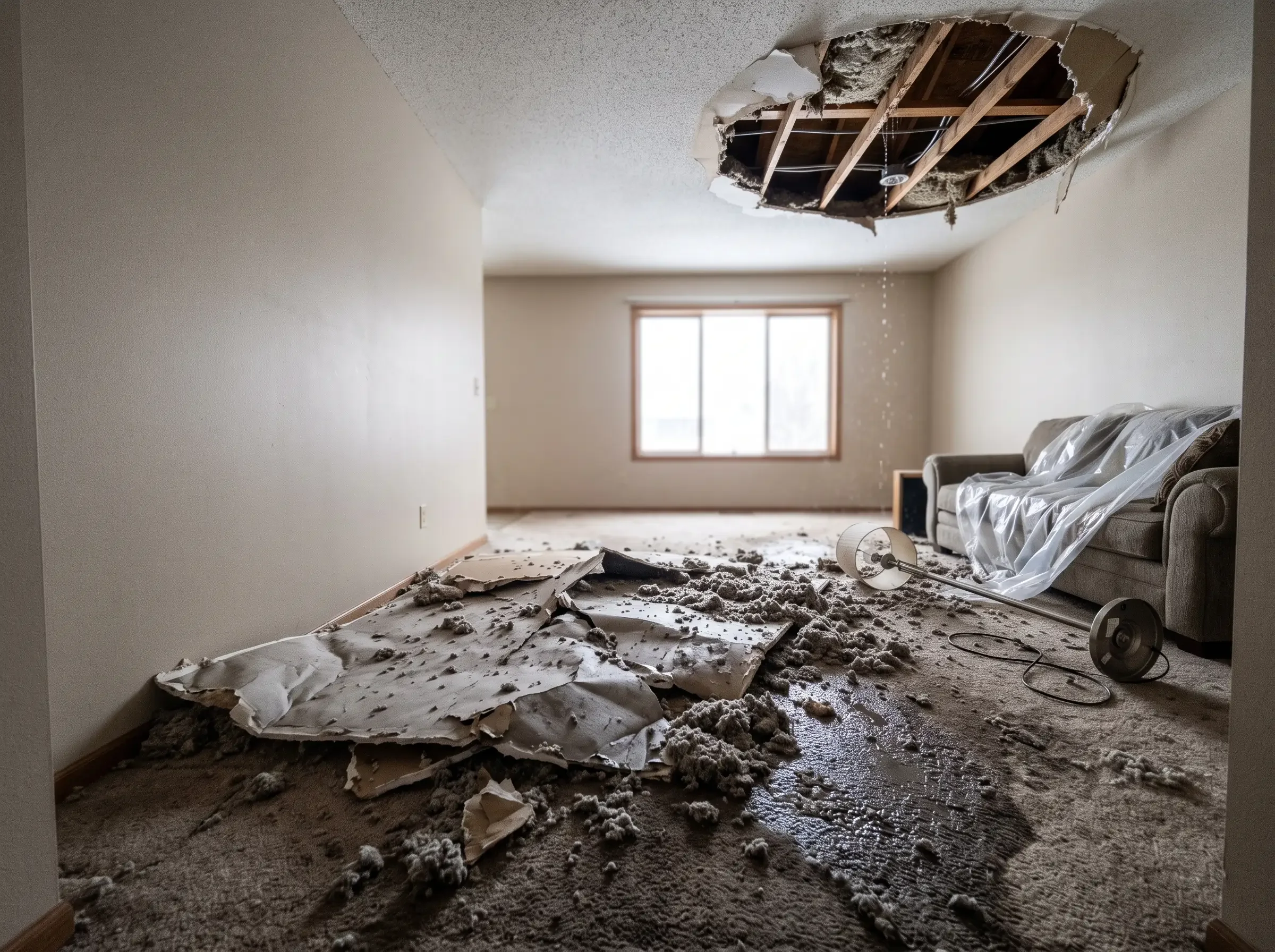
Proof of Loss: What It Is, What Goes In It, and When It Is Due
A proof of loss is your sworn statement of what was damaged and what you are claiming - the document that turns a reported claim into a demand your insurer has to answer in writing. Here is what goes in one, what the deadline actually is in your state, and the clocks that start the day you send it.
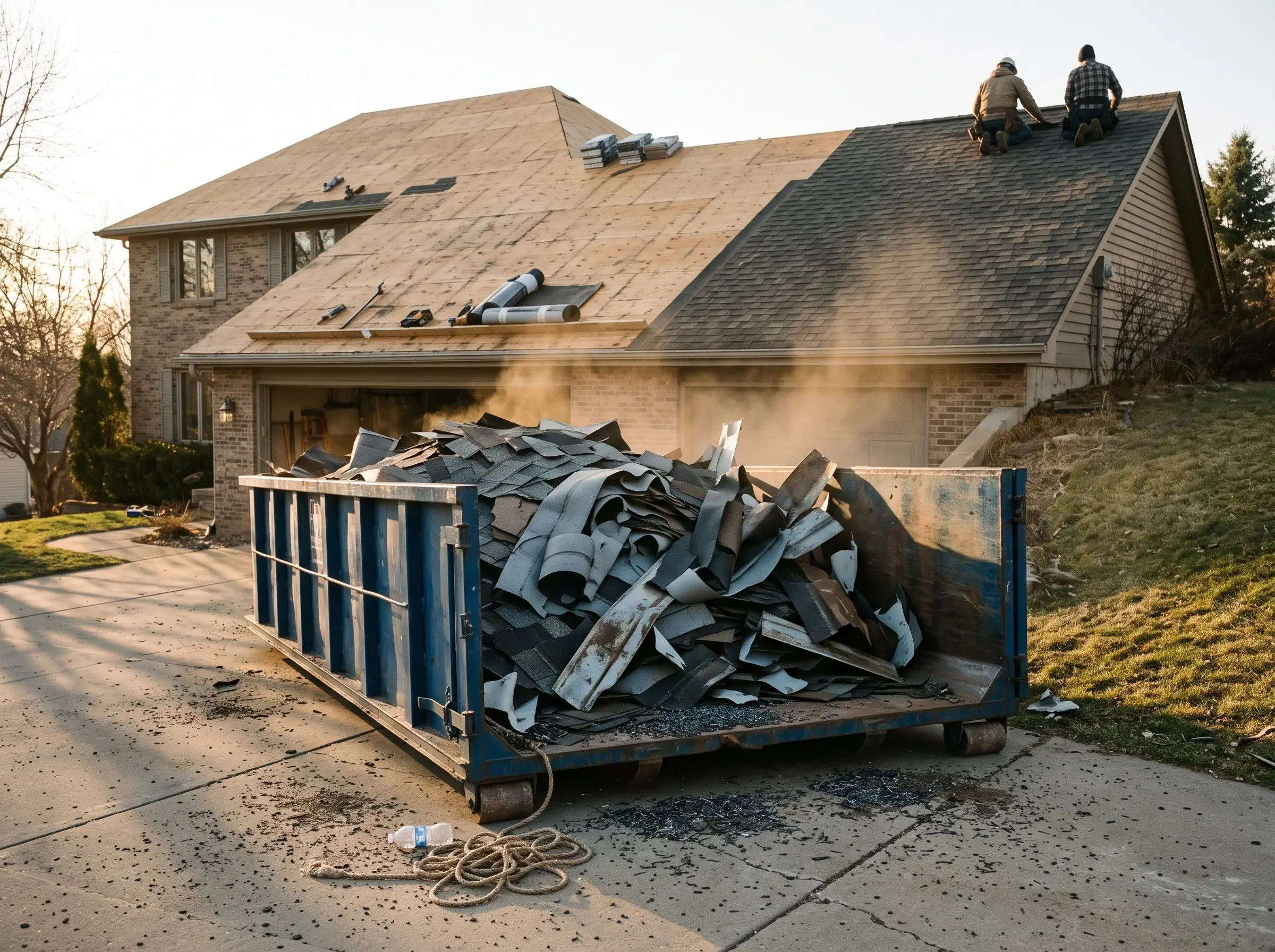
Recoverable Depreciation: What It Is and How to Get It Back
Your claim estimate shows replacement cost, subtracts depreciation, and pays you the difference first. That withheld amount is usually yours - held back until the work is finished and proven. Here is how the holdback works, how to get it released, and the deadline that costs people the money.
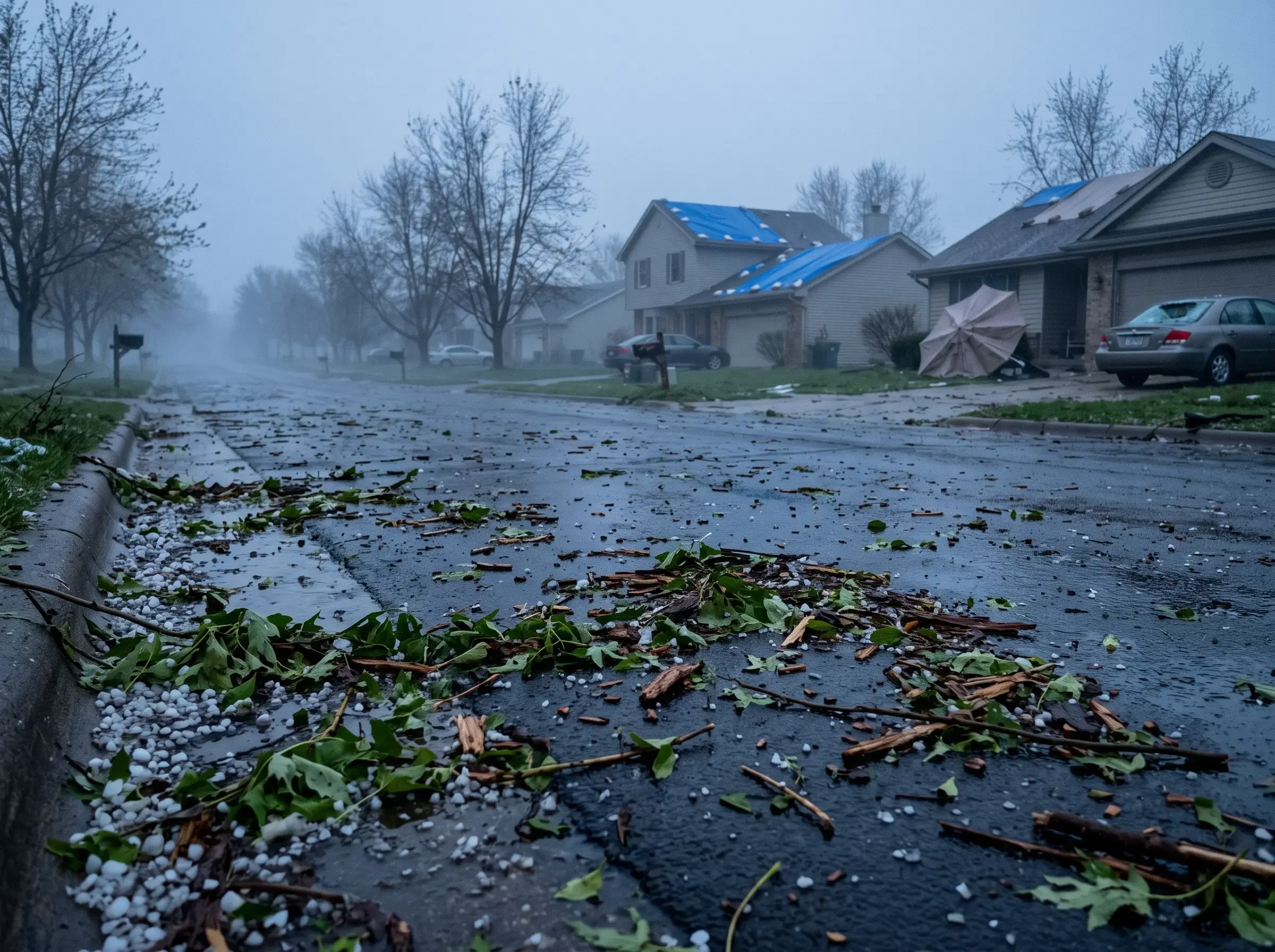
Public Adjuster vs Insurance Adjuster: Who Each One Actually Works For
Three kinds of adjuster can show up on a property claim and two of them are paid by your insurer. The difference is not a matter of opinion - four of the five states we work in write it into the statutory definition, and Wisconsin excludes anyone who represents an insurer from being a public adjuster at all.
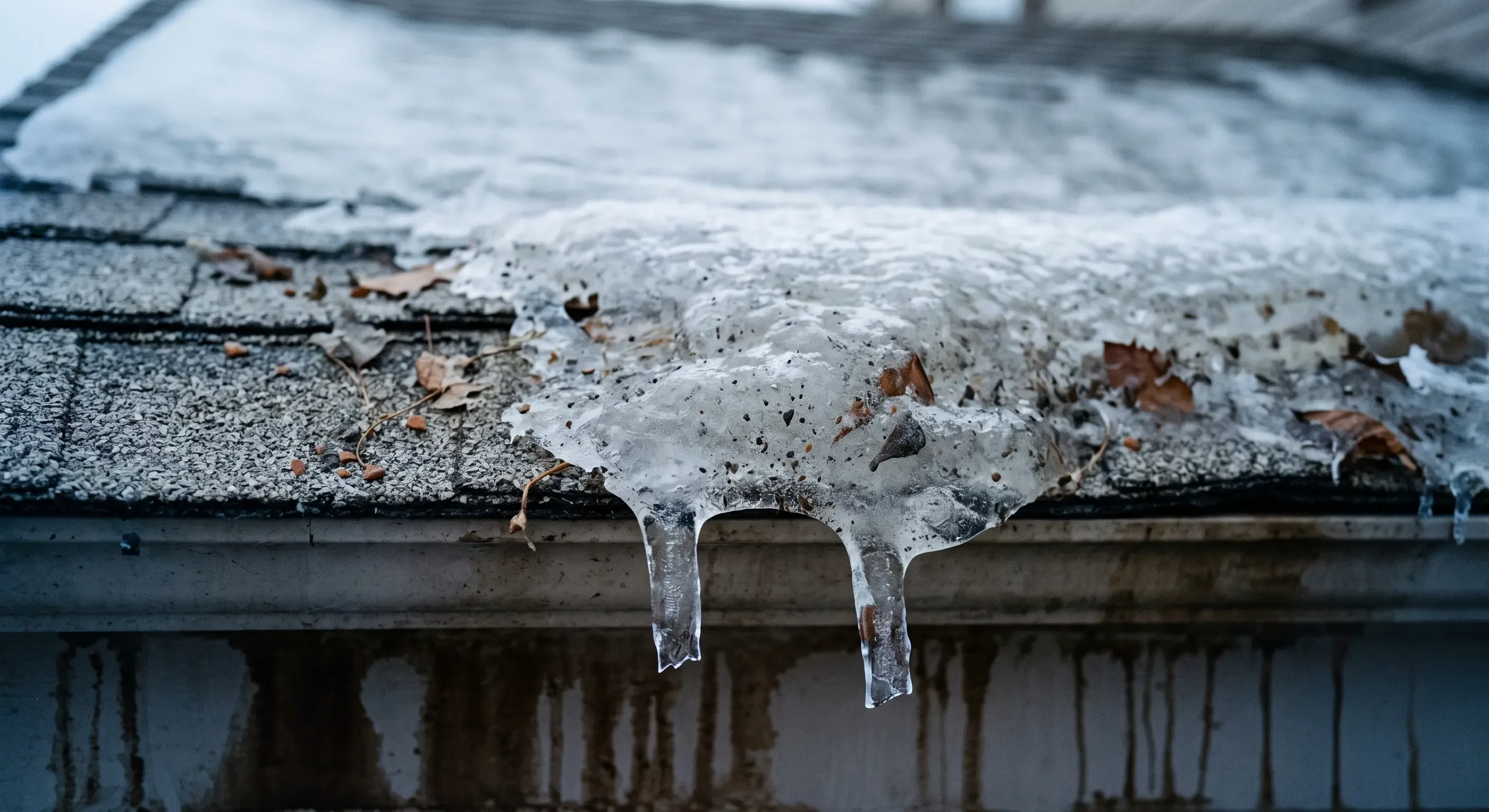
Does Homeowners Insurance Cover Ice Dams? What Pays, What Doesn't, and Who Pays for Removal
A standard homeowners policy treats an ice dam as two things and pays for one of them: the water damage inside, not the ice on the roof. There is an argument that moves the removal bill onto the claim, and a denial word - maintenance - that your insurer is not allowed to leave undefined.

How Much Does a Public Adjuster Cost? Fees and Caps in FL, MN, WI, ND and SD
A public adjuster charges a percentage of what the claim pays, not an upfront fee. What that percentage can be is capped by statute in Florida, Wisconsin and North Dakota, and what it is charged on matters as much as the rate. Here is the fee law in all five states we serve.
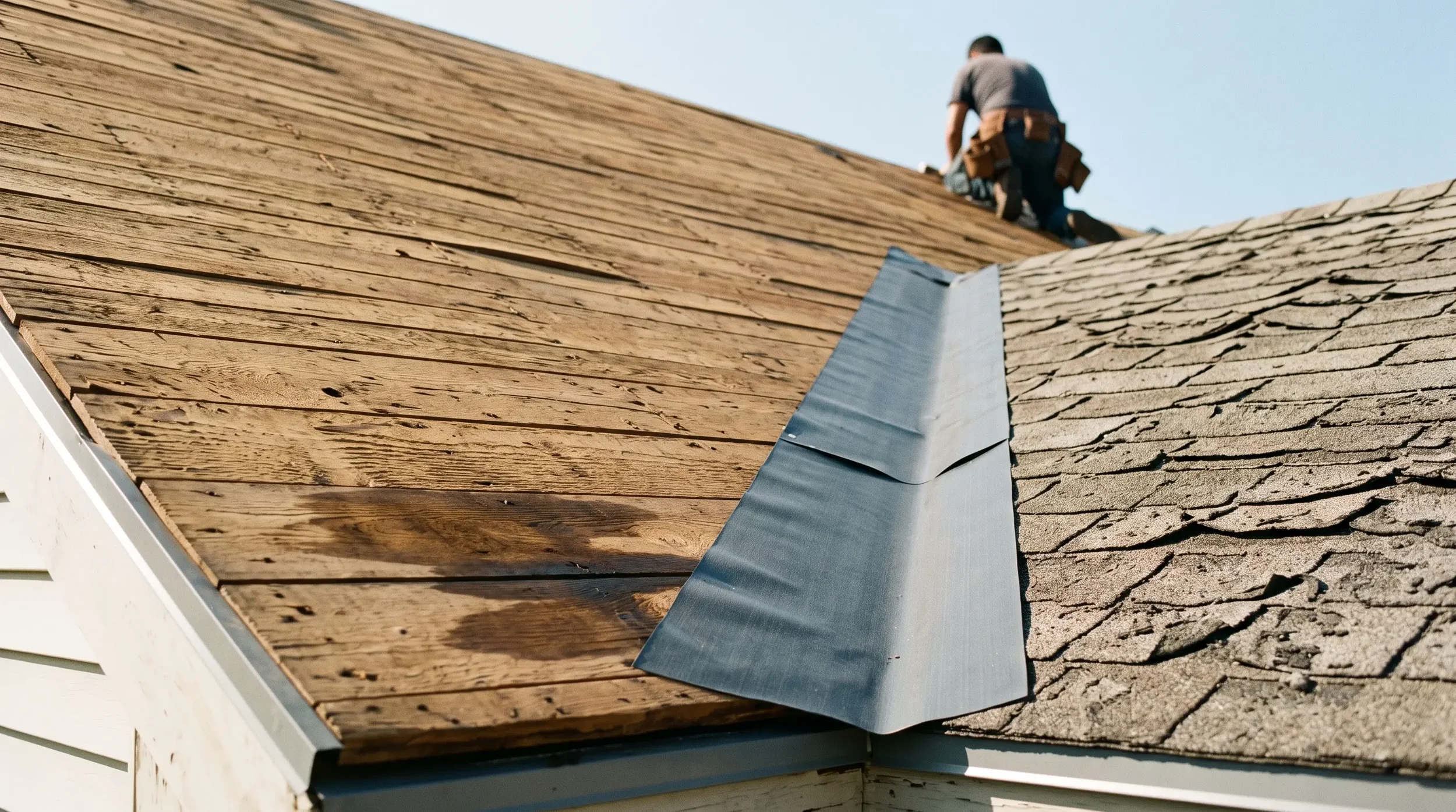
Recoverable Depreciation on an Older Roof: Will Insurance Cover a 20-Year-Old Roof?
A storm-damaged 20-year-old roof is covered like any other roof. What age changes is the first check, because the insurer holds back depreciation until the work is done. Here is how that holdback gets released, and what Florida, Minnesota and Wisconsin law adds.
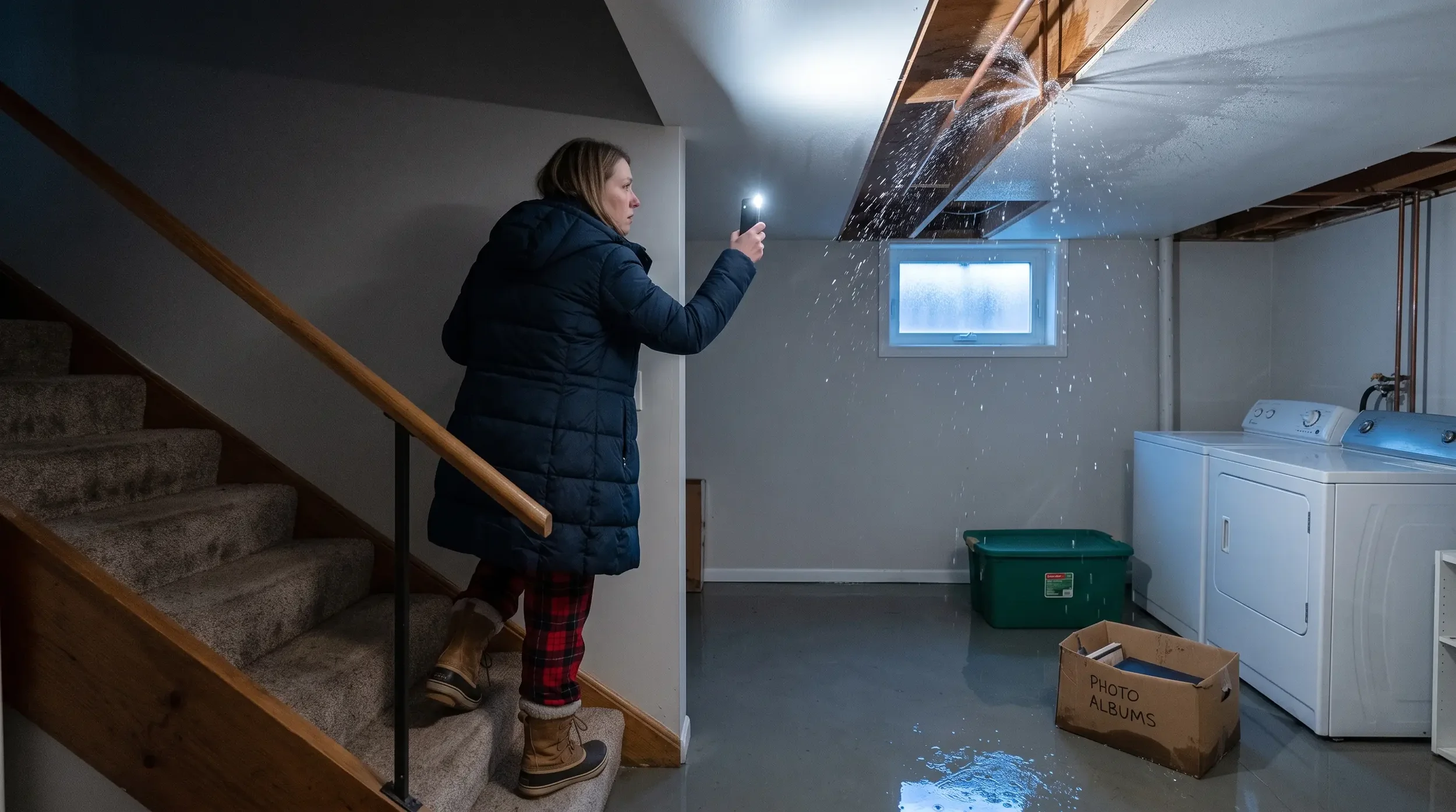
Burst Pipe Insurance Claim: What's Covered and Why Frozen Pipe Claims Get Denied
A burst pipe insurance claim rarely turns on whether the pipe broke. It turns on why the pipe failed, whether the wall opened to reach it is in the estimate, and whether the heat was on. Here is what the standard homeowners policy pays and what the freeze exclusion takes away.
Underpaid Insurance Claim? How to Prove the Gap and Get the Rest Paid
A partial payment that does not cover the repair is an underpayment, not a denial, and it is rarely the last word. Here is how to find what the carrier left out and get the rest of the claim paid.
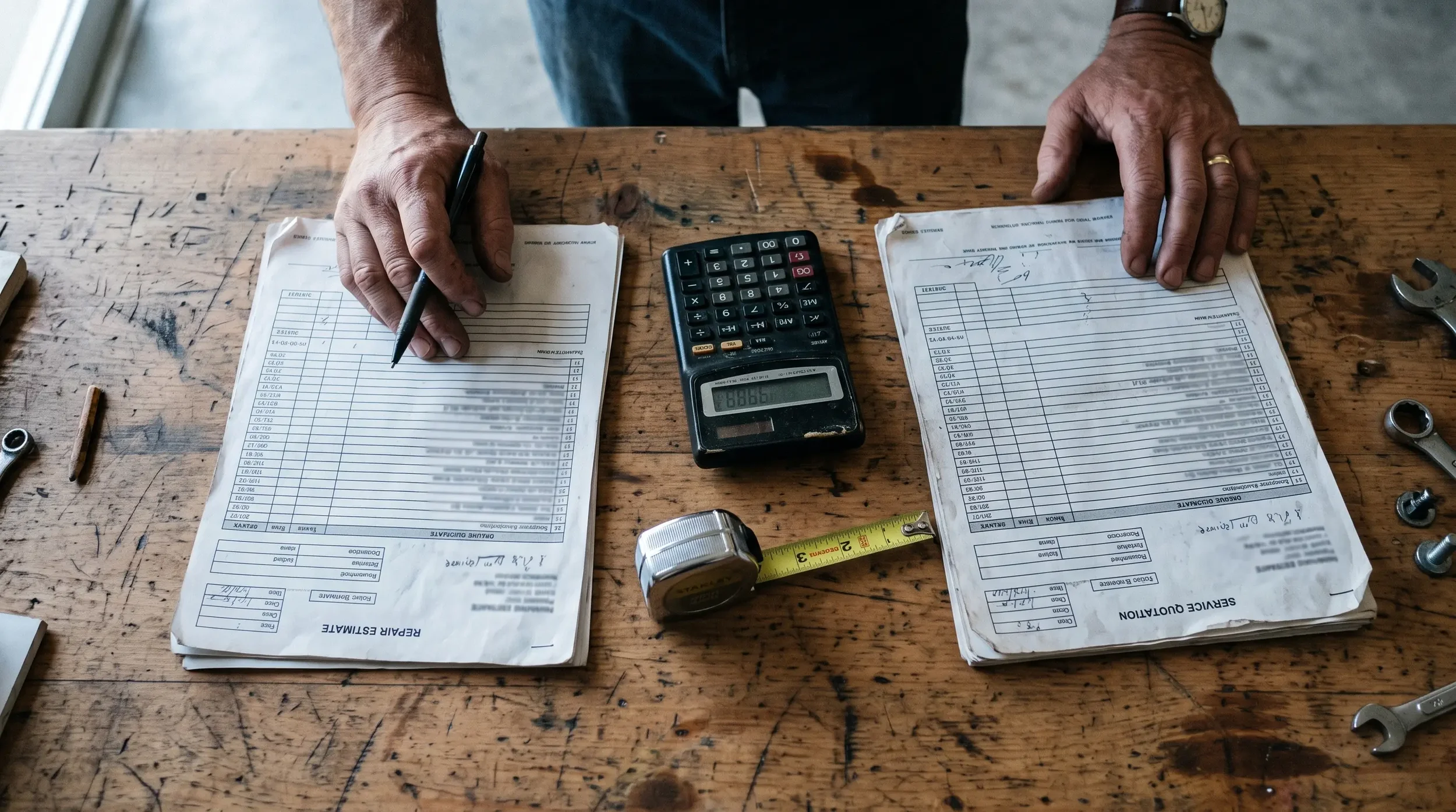
The Insurance Appraisal Clause: Your Option When the Offer Is Too Low
After a lowball offer most policyholders think the options are accept it, argue, or hire a lawyer. There is a fourth already written into the policy, and it produces a binding number without going to court.
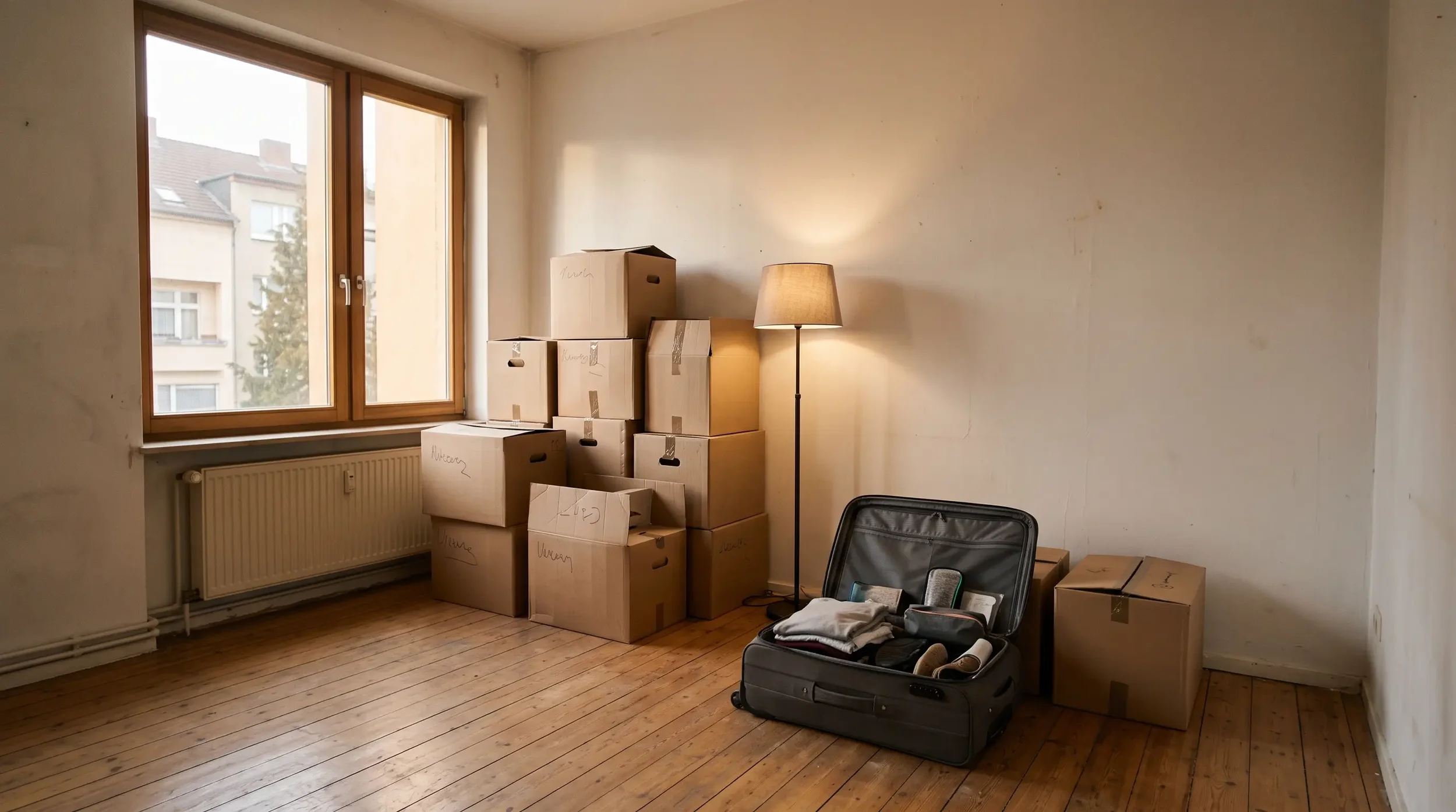
Loss of Use Coverage: It Pays the Increase, Not the Total
Loss of use is the coverage most often underclaimed, and the reason is one misunderstanding: it pays the increase in your living costs, not the total. If your mortgage continues and you also pay rent, the claim is the rent.
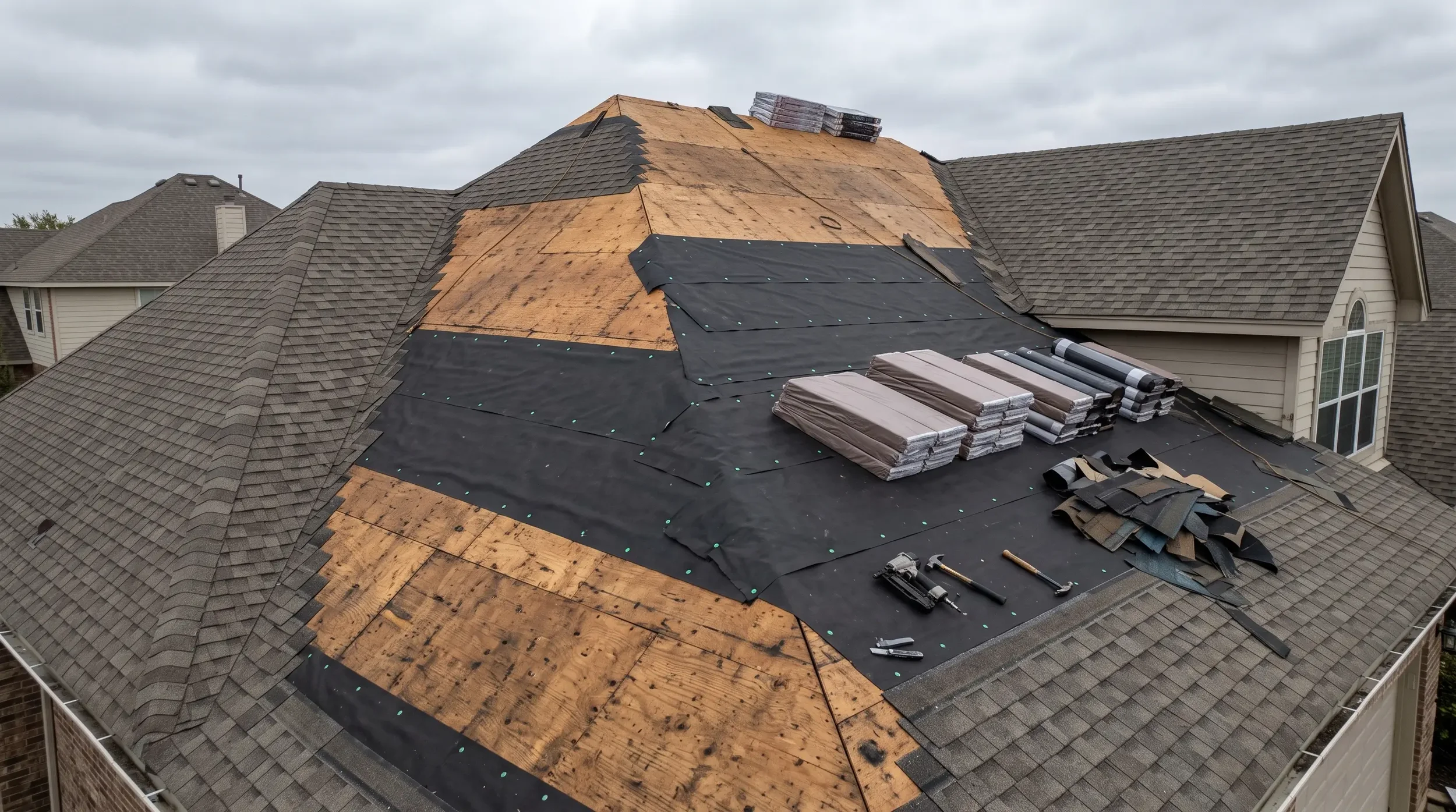
Ordinance or Law Coverage: The Part of Your Claim Nobody Scopes
Standard property insurance pays to put your building back the way it was. It does not pay to bring it up to a code written after it was built, and that gap is the most common uncovered cost in a large claim.

Commercial Property Damage Claims: The Roof and Hail Coverage Owners Miss
A commercial property damage claim is not a bigger version of a residential one. Three provisions in your declarations - coinsurance, roof endorsements and ordinance or law - decide most commercial roof and hail settlements before an adjuster ever climbs a ladder.

Filing a Business Interruption Insurance Claim: What Most Owners Miss
Business interruption is not one line on a policy - it is a cluster of coverages, and carriers pay the ones you ask for. Here are the three owners leave on the table, and the clock your insurer is on in Florida, Minnesota and Wisconsin.
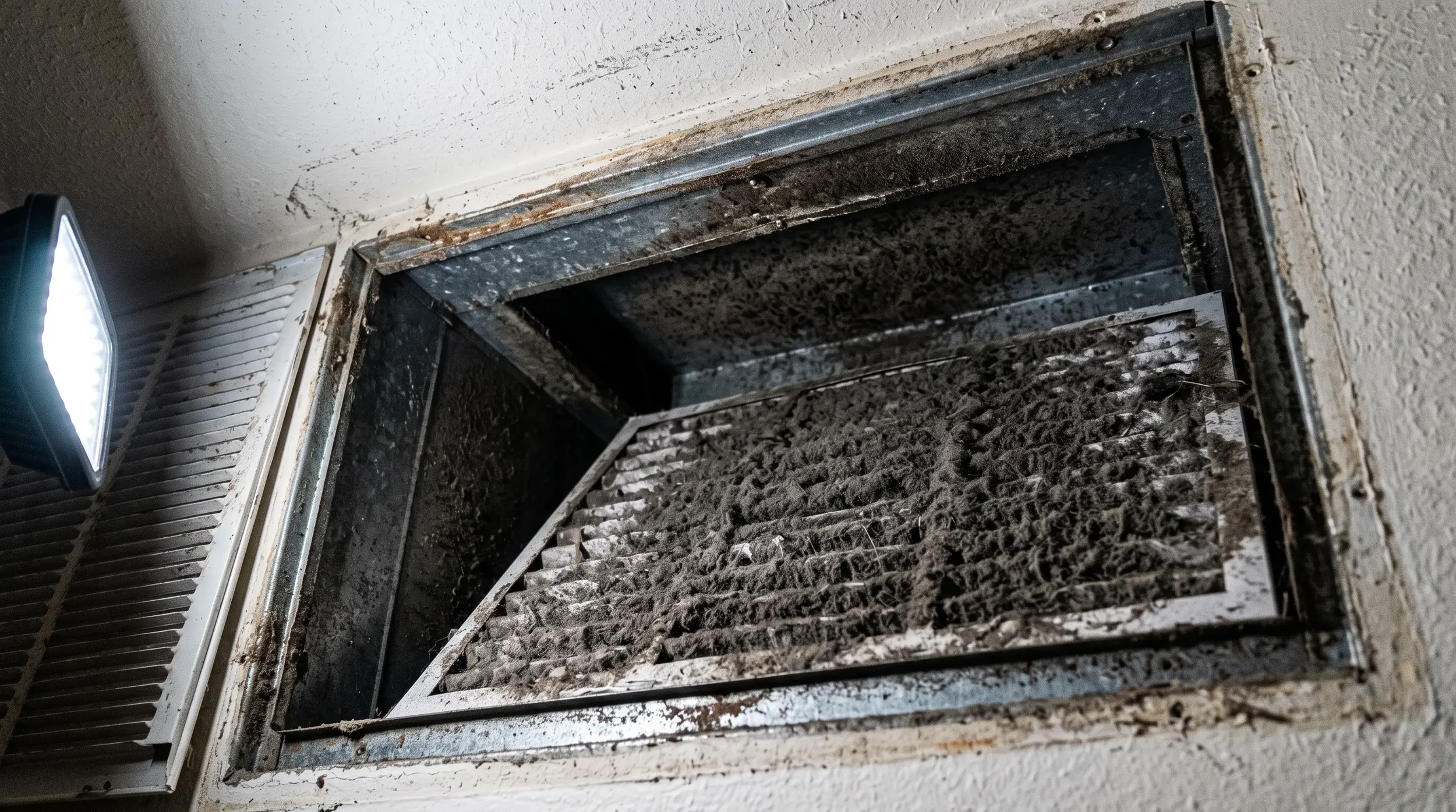
Smoke Damage Insurance Claim: What Carriers Underpay
Smoke damage is not a footnote on the fire claim. It migrates through the whole building, it crosses property lines from a neighbor's fire, and it lands in the gray area between cleaning and replacement where most of the money is.
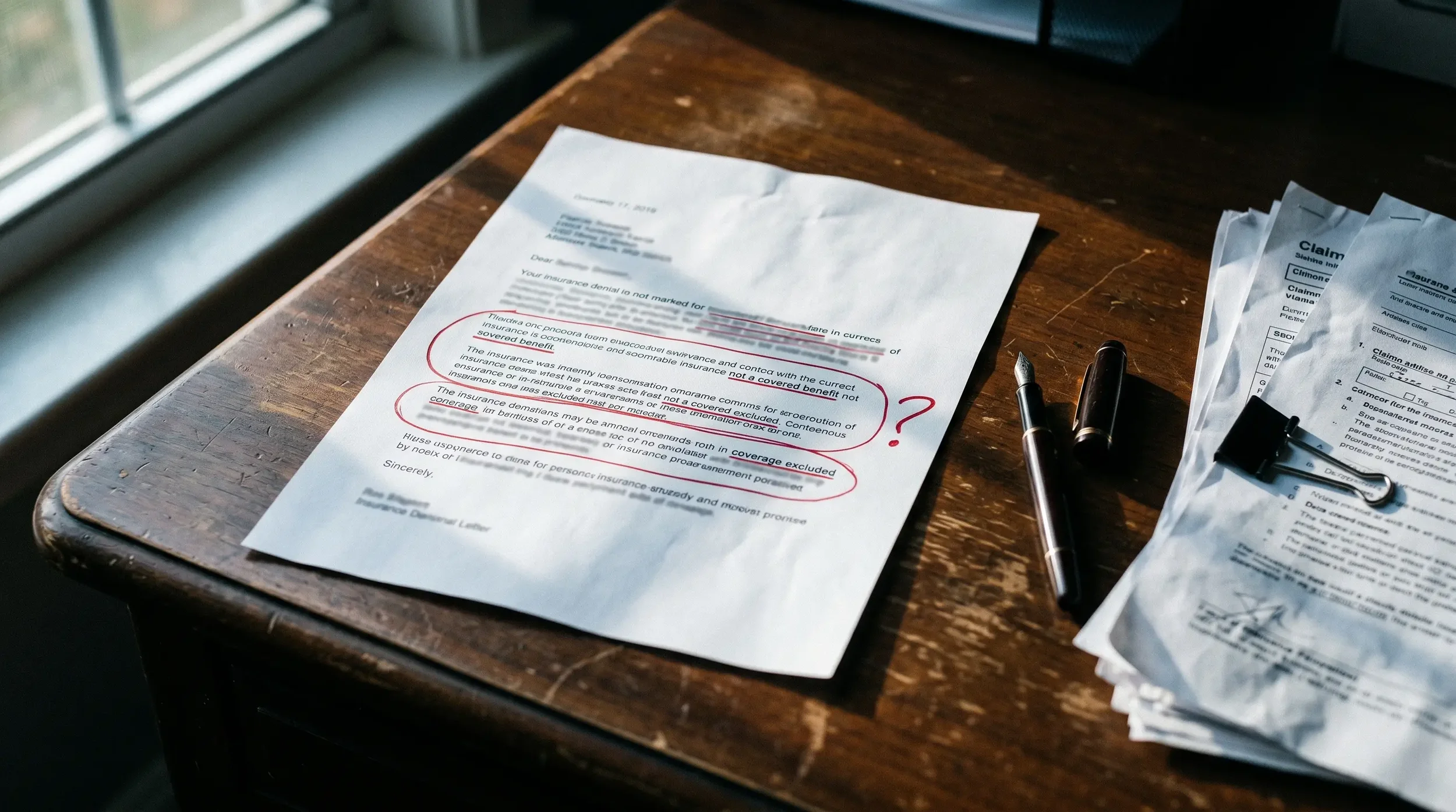
Why Do Insurance Companies Deny Claims? (7 Tactics, Decoded)
Most claim denials use the same 7 tactics — pre-existing damage, wear-and-tear, anti-concurrent causation, and others. Here's how each one works, the policy language insurers cite, and how to fight them.