
Water & Flood Damage Public Adjuster
Licensed Burst Pipe, Roof Leak, Sewer Backup & Flood Claim Help Across Florida, Minnesota & Wisconsin
✓ Licensed in FL, MN & WI
✓ Wind-Driven Rain vs Flood Specialty
✓ No Fee Unless We Recover
Fill Out the Form Below to Get a Free Water Damage Claim Review:
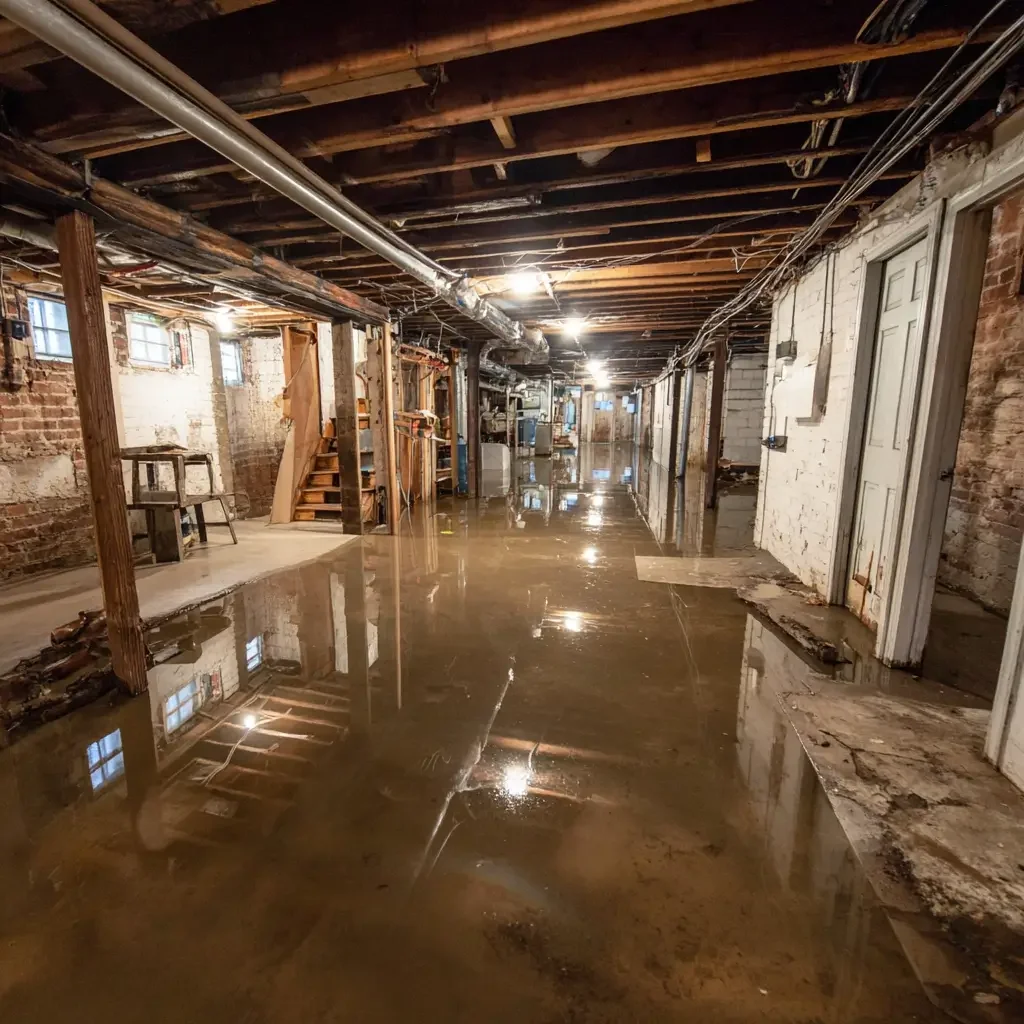
Water damage claims are the most frequently filed property losses in the country — and the most consistently underpaid. The visible water source is rarely the largest cost component. Carriers default to the narrow scope they can see and exclude the secondary damage that actually drives recovery dollars: hidden moisture in wall cavities, mold growth in saturated framing, structural rot, and the wind-vs-flood coverage split that determines whether your homeowners policy or NFIP pays. We work water and flood claims across all three states we operate in on contingency — you owe nothing unless we recover money on your claim.








As Seen On:











Get Your Free Water & Flood Claim Review


Areas We Serve for Water & Flood Damage Claims
Water damage patterns vary substantially by region — Florida sees hurricane-driven water and tropical-rainfall flood, Minnesota and Wisconsin see frozen pipe and ice dam season followed by spring snowmelt and ground saturation. We handle water and flood claims throughout every county we are licensed in.
Florida — Hurricane & Tropical Rainfall
License #G199012
Southwest Florida
Naples, Fort Myers, Cape Coral, Bonita Springs, Marco Island, Sarasota, Collier County, Lee County
Southeast & Gold Coast
Miami, Fort Lauderdale, West Palm Beach, Boca Raton, Hollywood
Central, North & Panhandle
Orlando, Tampa, Jacksonville, Pensacola, Tallahassee, Destin, Panama City
Minnesota — Frozen Pipe Season
License #40962416
Twin Cities Metro
Minneapolis, St. Paul, Bloomington, Plymouth, Maple Grove, Minnetonka, Brooklyn Park
Year-Round Water Damage Coverage
Water damage is the only property loss category that is genuinely year-round across all three of our states. Florida sees hurricane-driven water April through November and tropical-rainfall flood throughout the year. Minnesota and Wisconsin see frozen pipe season from December through March, then spring melt and ground saturation through May, then summer thunderstorm and basement flooding patterns through October. Our team works claims through all of these patterns under one engagement structure across multi-state portfolios.
Types of Water & Flood Damage We Handle
Every water claim starts with one question: where did the water come from. The answer determines which policy pays, which deductible applies, and what damage scope is covered. The cards below cover the water and flood damage sources we file most often.
Burst Pipe & Plumbing Failure
Sudden plumbing failures — burst supply lines, ruptured drain pipes, failed connections — are typically covered, but carriers commonly dispute "sudden" vs "gradual" classification. Our burst pipe insurance claim guide explains what the policy pays and why frozen pipe claims get denied.
Standard homeowners (HO-3) and commercial property policies cover sudden and accidental water discharge from plumbing systems. The "sudden" requirement is where carriers fight — arguing slow leaks predated the rupture and the loss is gradual rather than sudden. We document the failure mode, pull plumber inspection reports, and prove the sudden event triggered the loss.
Roof Leak Water Intrusion
Water entering through a damaged or aging roof — particularly after wind, hail, or storm events — is covered when tied to a covered peril, but carriers exploit roof-age and gradual-deterioration arguments.
When a roof is damaged by wind, hail, or storm impact, water entering through the resulting opening is covered as wind-driven rain or storm-related water damage. Carriers commonly classify the resulting interior water damage as gradual leak or wear-and-tear when the actual cause is the covered peril event. We document the roof damage chronologically, pull weather data, and tie interior water damage to the storm event.
Sewer Backup & Drain Overflow
Sewer backup is excluded from most standard policies unless a specific sewer backup endorsement is in place — and that endorsement carries its own, separate limit.
Sewer backup damages are common during heavy rainfall events, blocked main lines, and treatment plant overflows. Standard policies exclude this loss; it requires a separate sewer backup endorsement. Where the endorsement applies, carriers commonly underpay by capping recovery at the endorsement sub-limit and resisting structural damage scope. We file under the correct endorsement and pursue the full sub-limit recovery.
Sump Pump Failure
Sump pump failures during heavy rainfall or power outages cause basement flooding — covered only if a sump pump endorsement is on the policy, with sub-limited recovery.
Sump pump and sewage ejector pump failures are common in Wisconsin and Minnesota basements and Florida coastal homes during heavy rain. Standard policies exclude these losses; coverage requires the sump pump or water backup endorsement. The endorsement carries its own limit, shown on the declarations page. We file under the correct endorsement and document the full damage scope including basement contents and finished space.
Frozen & Burst Pipe (Winter Damage)
Frozen pipes burst in Minnesota and Wisconsin homes and saturate wall cavities, ceilings, and contents across multiple rooms, and the claim usually turns on whether the heat was kept on.
The standard homeowners form excludes freeze damage unless the owner used reasonable care to maintain heat in the building or to shut off the water supply and drain the system. Some policies add vacancy or occupancy conditions, which carriers raise on second homes, seasonal cabins, and partially occupied buildings. We document heating system function, thermostat and utility records, and the freeze event with weather data, and we challenge denials where the policy's actual conditions were met.
Ice Dam Water Damage
Ice dam damage on Minnesota and Wisconsin homes — particularly mid-winter thaw cycles — pushes water under shingles into walls, ceilings, and insulation.
Ice dams form when interior heat loss melts roof snow that refreezes at the cold eaves. Water backs up under shingles into the structure. Coverage typically applies under standard policies for sudden ice dam events, but carriers commonly classify the resulting water damage as gradual or as failure-to-maintain. We document the ice dam formation tied to specific weather events and pursue full coverage including drywall, insulation, and exterior repair. Our guide to ice dam insurance claims covers the mitigation argument and how the Minnesota and Wisconsin codes differ on ice barriers.
Wind-Driven Rain (Hurricane / Storm)
Rain entering through wind-damaged openings is covered as wind-driven rain — the most contested coverage analysis in every hurricane claim.
When wind opens the building envelope (lifted roof, broken window, blown soffit), rain entering through the opening is wind-driven rain — covered under the homeowners policy as wind damage. Carriers commonly reclassify this water as flood damage to push it onto NFIP. We document the entry point chronologically and prove the wind opening preceded the water entry. Florida hurricane water claims are covered in detail on our hurricane damage page.
Storm Surge & Coastal Flooding
Storm surge from Florida hurricanes is flood damage requiring NFIP or private flood coverage — not covered under standard homeowners policies.
Storm surge during major hurricanes pushes seawater inland through coastal communities. NFIP covers up to $250,000 for residential structure and $100,000 for contents. Private flood policies offer higher limits. We file the flood claim in parallel with any wind claim and ensure surge damage is correctly classified rather than reclassified as wind to push it onto a smaller wind sub-limit.
Surface Flooding & Heavy Rainfall
Surface water from heavy rainfall accumulating on the ground and entering the structure is flood damage — not covered under standard homeowners.
Heavy rainfall flooding from above-normal rainfall events (summer thunderstorms, tropical depression remnants, atmospheric river events) produces surface flooding that enters structures from the ground level. This is flood damage requiring NFIP or private flood coverage. We document the source with weather data, file under the right policy, and identify whether any portion of the damage qualifies as wind-driven rain rather than pure flood.
Sprinkler & Fire Suppression Water
Water damage from sprinkler discharge and fire department suppression is covered as part of an integrated fire claim, not as a separate water loss.
Sprinkler activation during a fire and fire department hose water both cause significant water damage. Standard homeowners and commercial property policies treat fire suppression water as a covered consequence of the fire peril. Carriers occasionally fragment the claim by treating the water damage component separately, which can affect deductibles and sub-limits. We file as a single integrated multi-peril loss. Our fire and smoke damage service covers this in detail.
Appliance & HVAC Discharge
Water heater leaks, dishwasher discharge, washing machine overflow, and HVAC condensate failures are sudden and accidental water sources covered under standard policies.
Appliance failures producing sudden water discharge are typically covered. Carriers commonly limit recovery to the immediately visible damage and resist secondary scope (subfloor saturation, wall cavity moisture, mold growth). We document the full damage zone including hidden moisture and pursue secondary damage as part of the original claim.
Hidden Slow Leaks (Coverage Gateway Issue)
Slow leaks discovered after extended hidden damage face the most contested coverage analysis — sudden vs gradual, when did it start, who is responsible.
When a slab leak, behind-walls plumbing failure, or ceiling drip emerges only after extended hidden saturation, carriers commonly classify the loss as gradual and exclude coverage. The actual covered analysis depends on when the policyholder knew or should have known about the leak — and "should have known" is fact-specific. We document the discovery timeline, pull plumbing inspection reports, and pursue coverage where the sudden trigger event can be established.
Properties We Handle Water Damage Claims For
Water damage claims look different across property types — high-rise condos see HVAC and shared-wall water spread, single-family homes see slab leaks and ice dams, commercial properties see business interruption alongside structural damage. We handle water and flood claims across the full property spectrum.
Single-Family Homes
The largest single category of water claims — burst pipes, roof leaks, appliance failures, ice dams, and slab leaks all driving residential water loss recovery.
Standard HO-3 policies cover sudden and accidental water damage with various sub-limits and endorsement-based coverage for sewer backup and sump pump events. We document the full damage scope including hidden moisture and secondary damage that carriers commonly miss on initial inspection.
Condominium Buildings & Unit Owners
Condo water claims involve master policy vs HO-6 coverage allocation — the central dispute on every condo water loss.
A burst pipe in a high-rise can affect dozens of units. Master policies cover structural and common-area water damage; HO-6 policies cover in-unit improvements and contents. Our HOA & Condo claim service covers the master-policy side. We also represent individual unit owners, including loss assessment endorsement claims. Who pays for which part of a condo water loss is covered in our guide to HOA water damage responsibility.
Multifamily & Apartment Buildings
Multi-unit water events combine structural damage with multiple-unit displacement, lost rents, and tenant-content coordination.
A burst pipe or roof failure in a multifamily building can displace tenants from multiple units while structural repairs proceed. Master commercial policies cover building structure plus lost rents during habitability gaps. We coordinate the building owner's claim with tenant displacement and ensure lost rents coverage runs the full reasonable rebuild period.
Commercial & Office Buildings
Commercial water claims combine structural damage with business interruption and tenant displacement coordination.
Commercial water losses (sprinkler discharge, plumbing failure, HVAC condensate, roof failure during storms) trigger business interruption alongside property damage. Our commercial claim service covers the full commercial scope including BI calculation, extra expense, lost rents, and ordinance-or-law for code-required upgrades during reconstruction.
Restaurants & Food Service
Restaurant water damage affects refrigeration, food product, and forces health-department-approved reopening protocols.
A sprinkler discharge or sewer backup in a restaurant triggers Department of Health condemnation of food product, walk-in refrigeration loss, and potentially the kitchen rebuild. Business interruption begins immediately. We document the food loss, file under the right BI baseline, and pursue full health-department-approved rebuild scope.
Hotels & Hospitality
Water damage takes hotel rooms offline immediately, and damage on one floor can affect rooms below through ceiling penetration.
A water leak from an upper-floor unit can damage rooms across multiple floors below. Lost rental revenue, guest displacement, and the rebuild timeline all drive recovery. We pull property management data, document occupancy and ADR projections, and build a BI claim covering the closed period and post-reopening ramp-up.
Retail Stores & Shopping Centers
Water damage in retail combines inventory loss, fixture damage, and lost business income while the location is closed.
Sprinkler activation, roof leaks, plumbing failures, and HVAC discharge all damage retail inventory and fixtures while forcing closure during cleanup. We document inventory at full replacement value, calculate BI using the right baseline period, and coordinate with the carrier's preferred contractors while maintaining the policyholder's right to use their own.
Vacation Rentals & Second Homes
Vacation rental water damage triggers landlord-policy claims with lost booking revenue and guest relocation as separate components.
Florida and Wisconsin vacation rentals run on landlord dwelling policies and short-term rental endorsements. When water damage takes a rental offline, lost booking revenue and guest relocation costs are recoverable as separate line items if documented correctly.
Manufacturing & Warehouse Facilities
Industrial water claims involve specialized equipment damage, contamination of stored product, and downtime translating directly to lost production capacity.
A roof failure or sprinkler discharge in a warehouse can contaminate pallets of stored product (six-figure inventory write-off) plus damage equipment, racking, and forklifts. Manufacturing facilities face equipment downtime translating to lost production. We coordinate with industrial estimators and the right specialty contractors.
Hidden Water Damage & The Sudden-vs-Gradual Coverage Gateway
The two questions that decide most water claims: where did the water actually go, and was the discharge sudden or gradual. The visible water source is rarely the largest cost component — hidden moisture in wall cavities, behind cabinets, under flooring, in attic insulation, and inside HVAC systems drives the actual recovery scope. The "sudden vs gradual" coverage gateway then determines whether any of it is covered at all. Carriers exploit both questions on every water claim.
Why Hidden Damage Drives Most of the Recovery
Water spreads through three pathways carriers commonly miss on initial inspection:
Gravity & Capillary Action
Water flows down into subfloors, sill plates, and lower-level spaces. Capillary action wicks water up into wood framing, drywall, and insulation 12-24 inches above the visible water line. Surface drying without addressing wicked moisture leaves saturated material behind — and carriers commonly stop the claim at the visible damage.
Lateral Spread Through Cavities
Water spreads laterally through wall cavities, ceiling joist bays, and floor joist bays — appearing in rooms a significant distance from the source. Without moisture mapping or thermal imaging, this hidden spread goes undocumented and carrier estimates are scoped to visible damage only.
Mold Colonization Within 48-72 Hours
Mold growth begins in saturated material within 48-72 hours and accelerates in warm humid environments (every Florida water claim, summer water claims in MN/WI). By the time the claim is filed and inspected, mold is often already growing in wall cavities and insulation. Carriers commonly resist mold coverage by arguing failure to mitigate, even when the timeline made faster mitigation impossible.
The Sudden-vs-Gradual Coverage Gateway
Standard policies cover sudden and accidental water damage. Slow leaks, gradual deterioration, and ongoing maintenance issues are excluded. Carriers exploit this boundary on nearly every water claim:
Defining "Sudden" Narrowly
Carriers often classify any leak that wasn't reported within 14 days as gradual, regardless of when the policyholder actually became aware of it. The legal standard is when the policyholder knew or should reasonably have known — not when the leak technically started.
Slab Leaks & Behind-Wall Plumbing
Slab leaks and concealed behind-wall plumbing failures often go undetected for weeks before evidence emerges. Carriers commonly classify these as gradual loss. The actual covered analysis depends on the discovery timeline and the policyholder's reasonable inspection practices.
Pre-Existing Conditions Argument
Carriers sometimes argue that the loss reflects a pre-existing condition the policyholder should have addressed (aging plumbing, deteriorated roof, blocked drainage). The policyholder's maintenance practices become the focus, even when the immediate cause was a covered sudden event.
Limiting Recovery to Visible Damage
Even when coverage is conceded, carriers commonly limit the repair scope to visible damage and resist documentation of hidden moisture. Without a public adjuster pushing the secondary damage scope, claims close at a fraction of the actual policy obligation.
Excluding Mold From Water-Caused Mold
Mold growth from a covered water event should be covered (subject to sub-limits), but carriers commonly exclude mold by classifying it as a separate maintenance issue. We tie the mold to the specific covered water event with timeline documentation.
Sub-Limit Caps on Sewer Backup, Sump Pump, and Mold
Endorsement-based coverage for sewer backup, sump pump failure, and mold typically caps recovery at $5,000-$25,000 — well below actual repair costs on serious losses. We file the original water source claim under the main policy where possible and the endorsement claim within its cap as a supplement, rather than letting the sub-limit become the entire recovery.
Why Moisture Mapping & Thermal Imaging Win These Claims
The single most effective tool for documenting hidden water damage is moisture mapping with calibrated meters and thermal imaging that shows temperature differentials caused by trapped moisture. The data is objective, reproducible, and harder for carriers to dismiss than visual observation alone. We coordinate moisture mapping on every meaningful water claim and build the repair scope from the documented contamination zone outward, not from the carrier's preferred narrow estimate. The combination of source identification, sudden-trigger documentation, and moisture mapping is what turns a $10,000 visible-damage claim into a $50,000-$100,000 actual policy obligation.
Why Water Damage Claims Need a Public Adjuster
Water damage is the most frequently filed property loss — and the most consistently underpaid. The visible water source is rarely the largest cost component, the sudden-vs-gradual coverage gateway is exploited on nearly every claim, and the secondary damage cascade (mold, structural, contents) keeps building long after the initial inspection.
Source Identification Is the Coverage Gateway
The water source determines the policy, the deductible, and whether coverage applies at all. Carriers exploit ambiguity to push claims onto smaller sub-limited endorsements.
Plumbing failure → covered under the main policy. Sewer backup → endorsement required, sub-limited. Sump pump failure → separate endorsement. Surface flood → NFIP only. Wind-driven rain → wind policy. Storm surge → flood policy. Each source has its own rules and we file under the correct one.
Hidden Moisture Drives Most of the Recovery
Visible water damage is a fraction of the actual damage scope. Moisture mapping and thermal imaging document the hidden contamination zone carriers commonly skip.
Behind-walls saturation, subfloor wicking, attic insulation moisture, and HVAC system contamination all extend the actual repair scope well beyond what visible inspection captures. We coordinate moisture documentation on every meaningful water claim.
Sudden-vs-Gradual Coverage Disputes
Carriers default to "gradual" classification on slow leaks, slab leaks, and behind-walls failures — pushing the claim into excluded territory.
The legal standard is when the policyholder knew or should reasonably have known about the leak. We document the discovery timeline, pull plumbing inspection records, and pursue coverage where the sudden trigger event can be established.
Mold Cascade Within Days
Mold growth begins in saturated material within 48-72 hours — and carriers commonly resist mold coverage by arguing failure to mitigate.
Most policies cover mold when it results from a covered water event, subject to sub-limits ($5K-$50K typical). We tie the mold to the specific covered event with timeline documentation and pursue both the water claim and the linked mold claim. Our mold damage service covers this in detail.
Sub-Limit Architecture Is Easy to Miss
Sewer backup, sump pump, mold, and seepage endorsements all carry sub-limits well below actual damage costs — and stacking the claims correctly matters.
When a sewer backup also damages structural elements covered under the main policy, the loss should be split: structural under the main policy with full coverage, sewer-related under the endorsement with sub-limit cap. We file each component under the right coverage rather than letting the carrier collapse the whole claim into the smallest available limit.
Multi-Peril Coordination
Water damage rarely arrives alone — it brings mold, potential structural rot, and sometimes electrical fire risk weeks later.
A water event today can trigger mold within days, structural deterioration within weeks, and electrical fires from saltwater corrosion months later (Florida hurricane pattern). We file as a single integrated claim across all perils rather than fragmented sub-claims that carriers exploit.
Our Water & Flood Damage Claim Process
Water claims are time-sensitive — every hour the structure stays wet, the secondary damage scope grows. Our process moves quickly to document the damage, identify the source, scope the full secondary damage, and file under the right coverage before mitigation closes the documentation window.
Free Inspection and Source Identification
We inspect the property, identify the water source, and determine which policy and endorsement structure apply before any work begins.
Source identification is the gateway to every water claim. We trace the water back to its origin — plumbing, sewer, sump pump, roof leak, sprinkler, surface flood, or wind-driven rain — and document the source with photographs, plumber inspections, and weather data where applicable.
Moisture Mapping and Hidden Damage Documentation
We coordinate moisture mapping with calibrated meters and thermal imaging to document the hidden contamination zone before mitigation begins.
Moisture meter readings document saturation depth and the extent of capillary wicking. Thermal imaging reveals temperature differentials caused by trapped moisture in walls, ceilings, and floors. The data becomes objective evidence of the actual repair scope rather than the carrier's preferred narrow visible-damage estimate.
Mitigation Coordination Without Destroying Evidence
We coordinate emergency mitigation contractors who will preserve the evidence record while stopping additional damage.
Pause-the-demolition windows let us document the contamination zone before damaged materials are removed. Once drywall is gone, the carrier can argue the original scope of damage cannot be verified. We balance speed (mold within 48-72 hours) against documentation needs.
Coverage Analysis and Claim Construction
We map every dollar of damage to the correct policy and endorsement — main policy, sewer backup, sump pump, mold sub-limit, NFIP, or wind policy.
Different damage components fall under different coverage. We file each under the correct policy or endorsement to maximize recovery rather than letting the carrier collapse the whole claim into the smallest available limit.
Filing, Negotiation, and Carrier Pressure
We file the claim and represent you in every interaction. Carrier adjusters communicate through us.
We attend every site inspection, respond to document requests within statutory deadlines, and challenge sudden-vs-gradual reclassifications when the policy actually owes coverage. Where carriers slow-walk or low-ball, we apply pressure through Civil Remedy Notices in Florida, MN Department of Commerce complaints, or WI OCI complaints.
Mold Coordination and Multi-Peril Filing
We file the water claim and the linked mold claim as a single integrated multi-peril loss rather than fragmented sub-claims.
Mold growth from a covered water event is itself covered (subject to sub-limits) when tied chronologically to the source. We pursue both components in coordination rather than letting the carrier exclude the mold by treating it as a separate maintenance issue.
Settlement, Appraisal, or Litigation Pathway
Most water claims settle through direct negotiation. Where they don't, appraisal handles value disputes and insurance counsel handles coverage disputes.
Appraisal is typically faster and cheaper than litigation for value disputes. Coverage disputes (whether the loss is sudden vs gradual, whether a particular endorsement applies) require legal action — and our claim file becomes the evidence base for that.
Settlement Collection and Supplementals
The claim is not closed when the carrier issues an initial check — supplemental damage discovered during repairs and recoverable depreciation continue past the first payment.
Water claims frequently develop supplementals as repairs uncover additional damage. We file supplementals within statutory windows, ensure recoverable depreciation is collected after repairs are complete, and pursue any extended ALE or BI components.
State-Specific Water & Flood Claim Considerations
Water and flood claim handling differs across our three states based on regional patterns and statutory frameworks. Click each state below for the specific rules that apply.
Florida's hurricane-driven climate produces water claims year-round, with NFIP coordination as a constant:
- Florida Statute 627.70131 — 7-day acknowledgment, 60-day pay-or-deny (additional time available during Governor-declared emergency).
- Florida Statute 627.70132 — 1-year filing deadline, 18-month supplemental window.
- Florida Statute 626.854 — public adjuster fee cap (10% during emergency, 20% otherwise).
- NFIP coordination. Florida has the highest concentration of NFIP policies in the U.S. We file flood claims with NFIP in parallel with wind claims and pursue private flood policy recovery beyond the $250K NFIP residential cap.
- Wind-driven rain disputes. The most contested coverage analysis on every Florida hurricane water claim. Carriers reclassify wind-driven water as flood to push claims off the homeowners policy.
- Citizens Property Insurance water claims have specific procedural requirements and assignment-of-benefits restrictions.
- Florida hurricane-aftermath fires. Saltwater intrusion damages electrical wiring and appliances months after the storm, triggering fire claims that should chain back to the original storm.
Minnesota's largest water claim category is winter freeze season. Spring snowmelt and summer storm events round out the year:
- Minnesota Statute 72A.201 — Unfair Claims Practices framework.
- Public adjuster fee cap. 10% of the entire claim settlement.
- Frozen pipe season (December-March). Largest single category. Vacancy provision disputes are common on second homes and seasonal cabins.
- Spring snowmelt and ground saturation. Basement flooding from saturated soil and hydrostatic pressure on foundations runs March-May.
- Sump pump endorsement coverage. Many Minnesota homes carry sump pump endorsements with $5K-$25K sub-limits — we file under the right endorsement and pursue full sub-limit recovery.
- Twin Cities urban flooding. Heavy summer thunderstorms produce surface flooding in Minneapolis, St. Paul, and surrounding suburbs.
Wisconsin shares Minnesota's freeze patterns and adds significant ice dam exposure plus lakefront flood risk:
- Wisconsin OCI regulates claim handling and provides a consumer complaint process.
- Ice dam season. Wisconsin's distinctive water claim category — interior heat loss melts roof snow that refreezes at cold eaves, pushing water under shingles into walls and ceilings.
- Frozen pipe events. Same patterns as Minnesota — vacancy provision disputes on cabins and seasonal property are common.
- Lake country flooding. Door County, Lake Geneva, Hayward area, and Northwoods properties face seasonal flooding tied to lake levels and snowmelt.
- Manufacturing and dairy water claims. Wisconsin's industrial and agricultural base creates specialty water exposures including cold-storage failures and contamination of dairy product during refrigeration loss.
Property owners with operations across multiple states get water claims handled under a single engagement. Florida hurricane water alongside Minnesota frozen pipe and Wisconsin ice dam claims under one team that understands all three frameworks.
Why Choose Shoreline for Water & Flood Claims
Water claims reward technical depth — moisture mapping, source identification, sudden-vs-gradual coverage analysis, and multi-peril coordination with mold and structural damage. Here's what we do differently.
Moisture Mapping & Hidden Damage Documentation on Every Meaningful Claim
The single biggest difference between an underpaid water claim and a fully recovered one is technical documentation of the hidden moisture zone. Visual inspection alone captures a fraction of the actual damage scope. We coordinate moisture meter readings, thermal imaging, and where needed certified industrial hygienist sampling on every meaningful water claim. The data forces carriers to recognize the actual contamination scope rather than the narrow visible-damage estimate they would otherwise write.
Licensed Across Three States
Florida (#G199012), Minnesota (#40962416), and Wisconsin (#21156868). Year-round water claim coverage across hurricane, frozen pipe, and ice dam patterns under one engagement letter.
Source Identification Specialty
The water source determines coverage on every claim. Plumbing failure, sewer backup, sump pump, roof leak, sprinkler discharge, surface flood, wind-driven rain, or storm surge — each falls under a different policy structure. We file under the right one rather than letting the carrier collapse the claim into the smallest available limit.
Multi-Peril Coordination as Default
Water rarely arrives alone. We coordinate mold damage, structural rot, post-fire suppression water, and hurricane-related multi-peril losses as a single integrated claim rather than fragmented sub-claims.
Sub-Limit Architecture Fluency
Sewer backup, sump pump, mold, and seepage endorsements all carry sub-limits with their own deductibles. We file each component under the correct coverage rather than accepting a single sub-limited recovery for what should be a multi-component claim.
Contingency-Only Fee Structure
Every water engagement is contingent on recovery. No retainers, no hourly billing, no fee at all if the claim produces zero recovery.
- Florida: 10% on state-of-emergency claims, 20% otherwise (F.S. 626.854)
- Minnesota: no statutory percentage cap; written contract with full fee disclosure and 72-hour cancellation right (MN Stat. 72B.135)
- Wisconsin: 10% on catastrophic disaster claims (Wis. Stat. § 629.05(6)); standard claims have no statutory cap, with clear written fee disclosure required
Featured in National Media
Shoreline has been featured in Forbes, Realtor.com, Investopedia, Insurance.com, and MarketScale. Memberships in NAPIA and FAPIA.
Water & Flood Damage Frequently Asked Questions
Common questions from policyholders across Florida, Minnesota, and Wisconsin about water and flood damage insurance claims.
Standard homeowners (HO-3) policies cover sudden and accidental water damage from internal sources — burst pipes, plumbing failures, appliance leaks, sprinkler discharge, and water entering through wind-damaged openings during storms. Standard policies exclude flood damage (rising water, storm surge, surface flooding from heavy rainfall) which requires separate NFIP or private flood insurance. Standard policies also exclude sewer backup and sump pump failure unless specific endorsements are added. The source determines coverage on every water claim.
Water damage is water entering the structure from above or from a sudden internal event — roof leak during a storm, burst pipe, overflowing washing machine, sprinkler discharge, or rainwater blown through a wind-damaged opening. Water damage is covered under standard homeowners and commercial property policies. Flood damage is water that rises from the ground up — storm surge, overflowing rivers and bayous, rising groundwater, or surface water accumulation from heavy rainfall. Flood damage is excluded from standard policies and requires separate NFIP or private flood insurance.
The sudden-vs-gradual classification is the most contested coverage analysis on water claims. The legal standard is when the policyholder knew or should reasonably have known about the leak — not when the leak technically started. Slab leaks, behind-walls plumbing failures, and concealed roof leaks often go undetected for weeks before evidence emerges. We document the discovery timeline, pull plumbing inspection records, and pursue coverage where the sudden trigger event can be established despite the carrier's gradual classification.
It depends on the source. Sewer backup flooding requires a sewer backup endorsement (typically $5,000-$25,000 sub-limit). Sump pump failure flooding requires a sump pump or water backup endorsement (similar sub-limits). Surface water flooding from heavy rainfall is true flood damage requiring NFIP or private flood coverage. Ground saturation pushing water through foundation walls is also typically excluded as "seepage" or "flood" depending on the source. We identify the actual water source and file under the correct coverage.
Wind-driven rain is rain entering the structure through wind-damaged openings — lifted roof shingles, broken windows, blown-off siding, or damaged soffits. Standard homeowners policies cover wind-driven rain as wind damage. Carriers commonly reclassify this water as flood damage to push the loss off the homeowners policy onto NFIP. We document the entry point chronologically — proving the wind opening preceded the water entry — and pursue coverage under the wind policy. This is one of the most consistently underpaid components of every hurricane claim.
Frozen pipe damage is covered under standard homeowners and commercial property policies as a sudden and accidental water discharge. Carriers commonly invoke vacancy provisions on second homes, seasonal cabins, and partially occupied buildings. The vacancy threshold under most policy forms is stricter than the colloquial meaning, and partial occupancy or maintained heating defeats vacancy denials. We document occupancy patterns, heating system function, and the freeze event with weather data, and challenge vacancy denials when the heating threshold the policy actually requires (often 55°F) was maintained.
Yes, when the mold results from a covered water event — but typically subject to mold sub-limits of $5,000-$50,000. Carriers commonly resist mold coverage by arguing failure to mitigate or pre-existing conditions. We tie the mold to the specific covered water event with timeline documentation (mold appears within 48-72 hours of saturation), pursue the underlying water claim under the main policy at full limits, and pursue the mold claim under the sub-limit coverage. Our mold damage service covers this in detail.
Yes, very likely. Water spreads through ceiling joist bays, wall cavities, and floor systems before emerging visibly. By the time a ceiling stain appears, the saturation zone above and adjacent to the stain is typically several times larger than the visible damage. We document hidden moisture with calibrated meters and thermal imaging, prove the actual contamination zone, and pursue the full repair scope rather than the carrier's preferred narrow estimate.
Florida requires water damage claims to be filed within one year of the date of loss under FL Statute 627.70132, with supplemental claims allowed within 18 months. Minnesota and Wisconsin claim deadlines vary by policy — typical homeowners policies require notice "as soon as practicable" with formal proof of loss within 60-90 days. Hidden water damage discovered during repairs can become a supplemental claim, but only within the policy's supplemental window. We track every deadline and file proactively as new damage emerges.
If both wind/water damage and flood damage occurred, file with both. The wind-driven water and any sudden internal water source goes to the homeowners policy. The flood-related damage (storm surge, rising water) goes to NFIP or private flood. Coordinating the two claims correctly prevents the gap where each carrier points at the other. We file in parallel and ensure each component is correctly classified.
Yes. We routinely take on water claims that have been denied or substantially underpaid. The denial typically relies on sudden-vs-gradual classification, source identification disputes, vacancy provisions, or sub-limit applications. We review the denial letter, the policy provisions cited, and the claim file, then identify whether the position is reversible through documentation and pressure. Where appraisal can resolve a value dispute, we invoke it. Where coverage litigation is required, our claim file becomes the evidence base for an insurance attorney.
Mold colonization begins in saturated drywall, framing, and porous materials within 48-72 hours and accelerates in warm humid environments. By the time most water claims are inspected, mold is already growing in wall cavities and insulation. This timeline matters because carriers commonly resist mold coverage by arguing the policyholder failed to mitigate quickly enough — when the actual timeline made faster mitigation impossible. We document the timeline and pursue mold coverage as a covered consequence of the water event.
Straightforward water claims with strong documentation can settle in 30-90 days. More complex losses — multi-peril coordination with mold or structural damage, contested sudden-vs-gradual classification, or commercial claims with business interruption — often run 4-8 months. Florida's 60-day pay-or-deny window (90 during emergency) sets the floor for initial response. The biggest factor in compressing the timeline is documentation quality on the front end.
Florida caps public adjuster fees at 10% during the twelve months following a Governor-declared state of emergency and 20% otherwise (F.S. 626.854). Minnesota does not impose a statutory percentage cap, but requires a written contract with full fee disclosure and a 72-hour cancellation right (MN Stat. 72B.135). Wisconsin caps fees at 10% for catastrophic disaster claims (Wis. Stat. § 629.05(6)); standard claims have no statutory cap but require clear written fee disclosure. Our exact percentage is fixed in writing in the engagement letter before any work begins. There is no upfront fee and no fee at all if the claim produces zero recovery.