Commercial Property Damage Claims: The Roof and Hail Coverage Owners Miss

TL;DR — Commercial Property Damage Claim: 5 Steps That Decide the Settlement
- Inspect ASAP: Hail damage isn't always visible — get a roof inspection right after the storm.
- Document Everything: Photos and videos are key to proving commercial roof and hail damage.
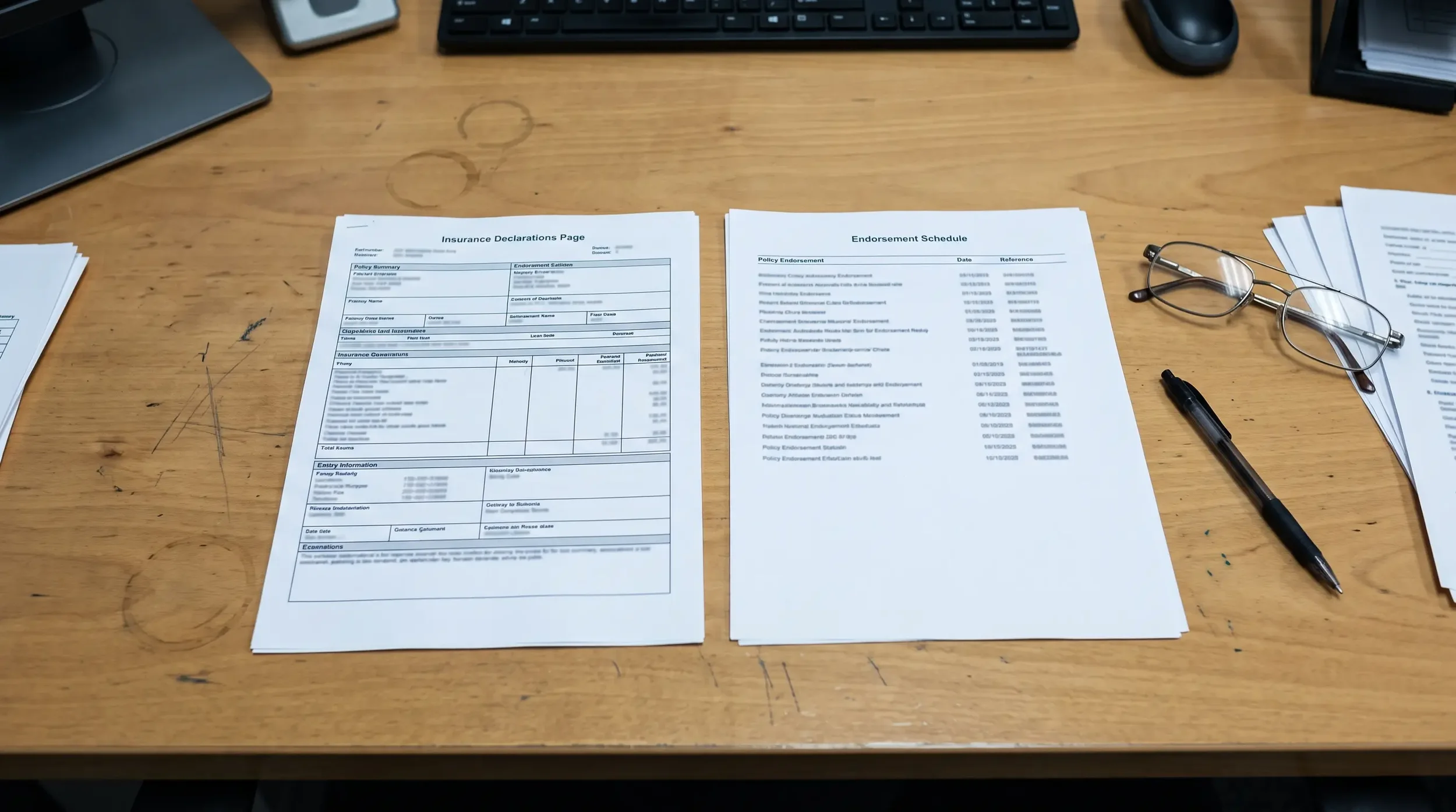
- Read your declarations page: Coinsurance, roof endorsements and ordinance or law decide the number before anyone climbs a ladder.
- Know the Traps: Insurers often undervalue or deny hail claims — don't settle for less.
- Hire a Public Adjuster: Shoreline Public Adjusters will represent you in the claim and document the full scope of the loss. Licensed in FL, MN, WI, ND and SD.
What to Do When Hail Hits Your Commercial Property
Commercial and industrial buildings are the backbone of business operations — warehouses, factories, retail centers and offices can't afford unexpected downtime. When hail hits, it doesn't just damage your roof; it can disrupt production, ruin inventory, and start a drawn-out argument with your insurance company.
A commercial property damage claim is also not a bigger version of a residential one. Three provisions that rarely appear on a homeowner policy decide most commercial roof settlements, and all three sit in your declarations page rather than in the adjuster's report.
This guide covers how to spot commercial roof and hail damage, how to document it, the coverages that decide what you are paid, and the deadlines your insurer is working against.
In This Post:
- What Is Commercial Roof and Hail Damage?
- Common Signs of Hail Damage to Commercial Properties
- Why Hail Damage Often Goes Undetected
- The Cost of Ignoring Hail Damage
- What Makes a Commercial Roof Claim Different
- How to File a Commercial Hail Damage Insurance Claim
- Why Insurance Companies Deny or Underpay Hail Claims
- How a Public Adjuster Can Help You
- Key Differences in Hail Damage Across the States We Serve
- How Long Your Insurer Has to Respond
- Frequently Asked Questions About Commercial Roof and Hail Claims
- Final Thoughts & Next Steps
1. What Is Commercial Roof and Hail Damage?
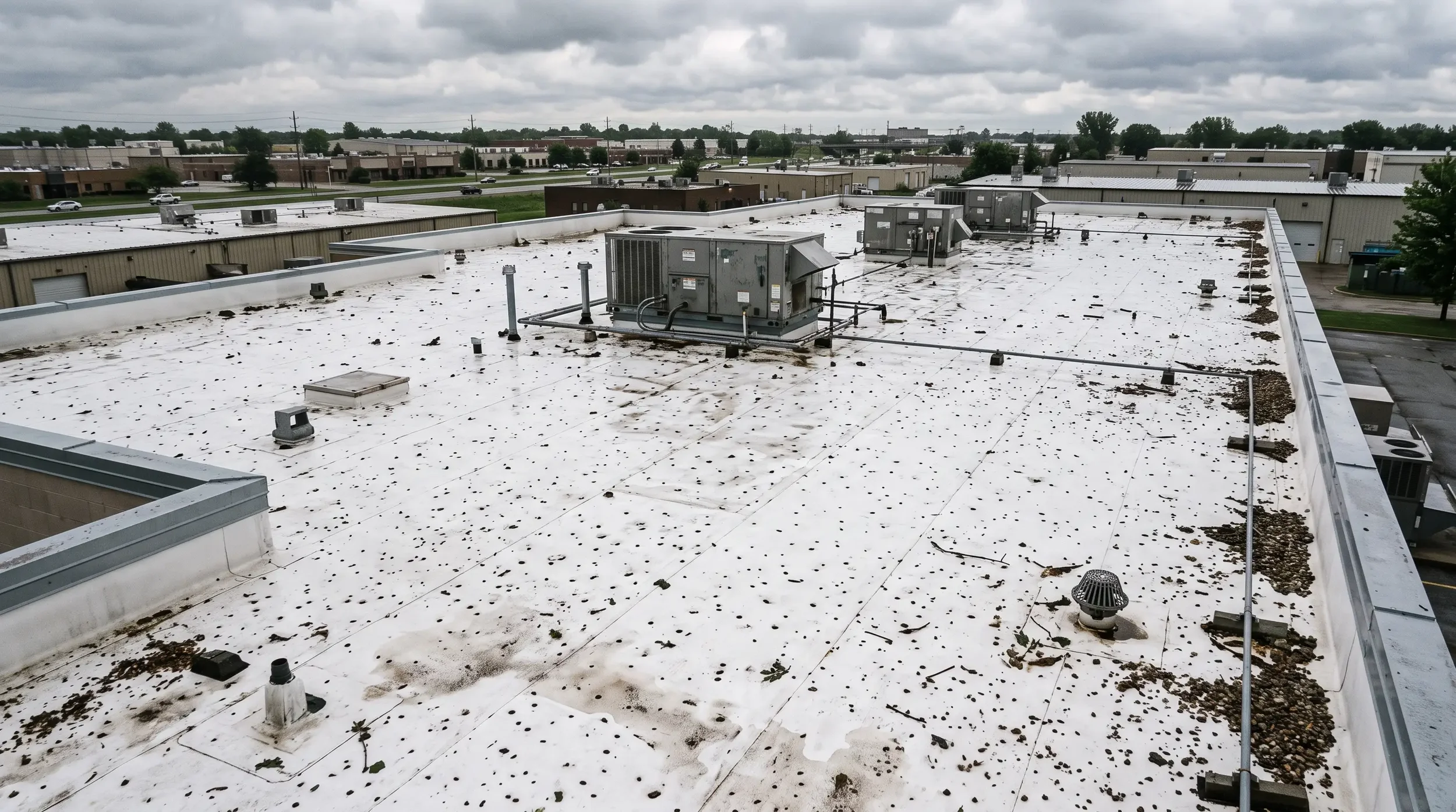
Hail damage on commercial properties can range from cosmetic issues to structural problems that interrupt business operations. Typical areas affected include:
- Flat, membrane or metal roofing systems
- HVAC units and rooftop machinery
- Exterior siding or panels
- Skylights and solar arrays
- Windows and loading docks
Because commercial buildings have large roof surfaces and expensive rooftop equipment, even small hailstones can cause costly damage.
Commercial hail damage is also deceptive. It is not always visible from the ground, but it can compromise the building envelope and the roof system's remaining service life.
2. Common Signs of Hail Damage to Commercial Properties
Spotting hail damage early is critical. Look for these signs:
- Dents or punctures on metal roofs and flashing
- Bruised or fractured membrane on a flat roof, especially around seams and fasteners
- Damaged HVAC or ventilation systems
- Cracks in skylights or glass panels
- Water stains on interior ceilings
- Dislodged roofing materials
Property managers in Florida, Minnesota, Wisconsin, North Dakota and South Dakota should inspect buildings after every significant storm, especially in spring and summer.
3. Why Hail Damage Often Goes Undetected
Unlike wind or flood damage, hail impacts can be subtle. Roof systems may not leak immediately, but even minor punctures can develop into major structural problems.
Many building owners assume the property is fine if there is no visible damage. Failing to detect hail impacts early reduces the chance of a successful claim, because the longer the gap between the storm and the inspection, the easier it is for a carrier to attribute the damage to wear.
This is why a professional inspection, documented and dated, matters more on a commercial roof than on any other part of the claim.
4. The Cost of Ignoring Hail Damage
Unaddressed hail damage can lead to:
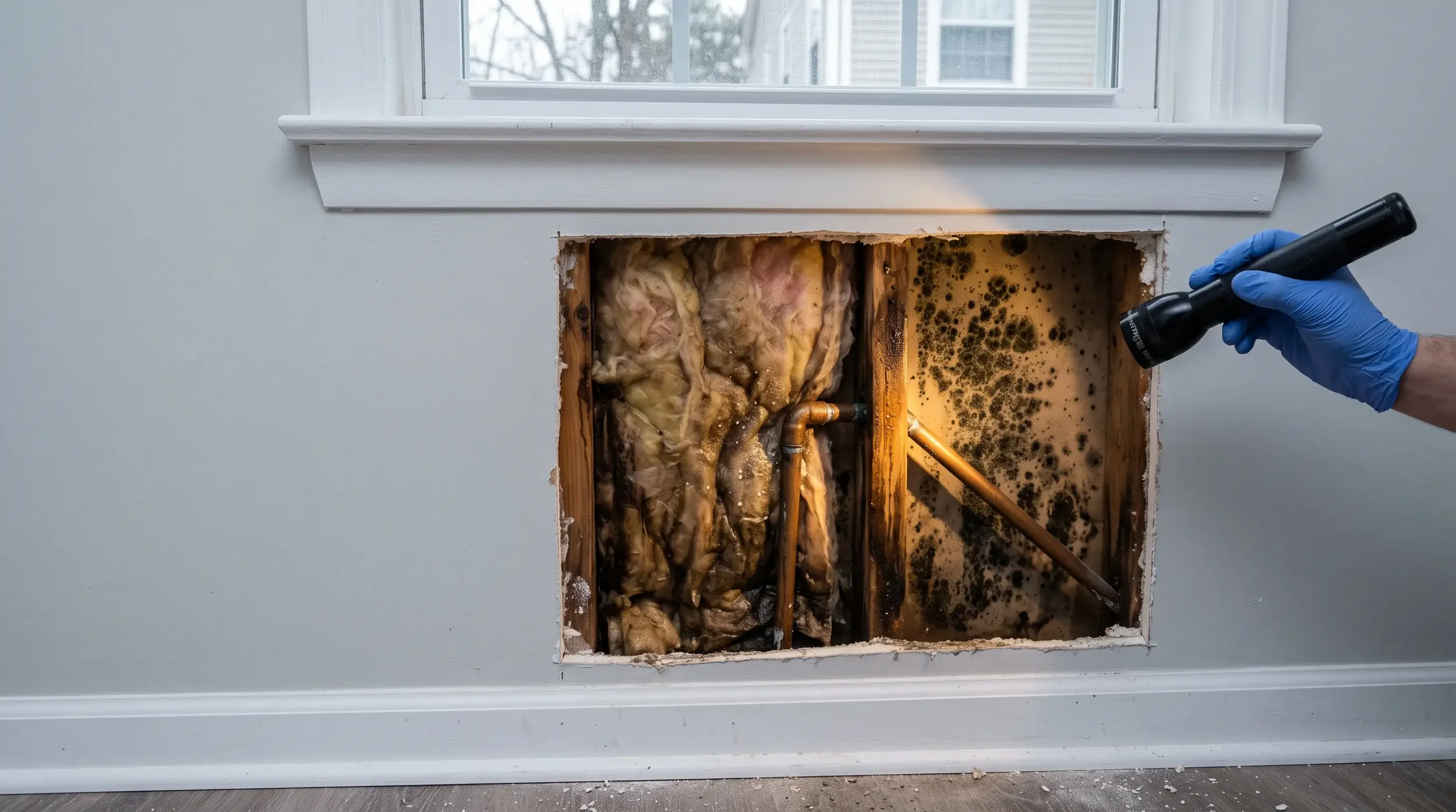
- Mold or water damage from hidden leaks
- Rust and corrosion of machinery
- Premature roof failure
- Claim denials due to delayed filing
In commercial settings, downtime costs and repair delays can cause serious revenue loss on top of the property damage itself.
5. What Makes a Commercial Roof Claim Different
Three provisions decide most commercial roof settlements. None of them are in the adjuster's report, and all of them are in your declarations page.
Coinsurance: the penalty for being underinsured
Most commercial property policies carry a coinsurance clause, commonly 80, 90 or 100 percent. It requires you to insure the building to at least that share of its replacement cost. Insure it for less and the carrier pays a reduced share of every partial loss, not just the amount above the limit.
A roof claim is almost always a partial loss, which is exactly where the penalty bites. Say your building would cost $4 million to replace and your policy carries 90 percent coinsurance. If you insured it for $2.7 million, the carrier can apply that shortfall to a $300,000 roof loss and pay a fraction of it.
Construction costs have moved faster than most stated values, so a limit that satisfied the clause when the policy was written may not satisfy it now. Check the clause and the stated value before a loss, not after.
Cosmetic damage exclusions and roof surfacing endorsements
Many commercial policies in hail-prone states now carry an endorsement that narrows roof coverage, and two forms are common.
A cosmetic damage exclusion removes coverage for hail marks that mar the surface without affecting how the roof sheds water. A roof surfacing endorsement pays the roof on actual cash value rather than replacement cost, so depreciation comes off the top.
The practical effect is the same: a scoped and priced roof replacement comes back as a fraction of its cost, or as nothing at all.
Whether damage is truly cosmetic is a question of fact. On a commercial roof it turns on membrane bruising, granule loss, seam integrity and fastener condition, not on how the roof looks from the parking lot. Read the endorsement before accepting that finding.
Ordinance or law: the coverage that pays for the code
When a commercial roof is replaced, current code frequently requires more than what was there. Added insulation to meet energy code, a secondary drainage path, upgraded edge metal, sometimes a structural review of the deck.
Standard property coverage pays to restore what you had. Ordinance or law coverage pays the difference the code demands.
It is usually written in three separately sublimited parts. Those are the value of the undamaged portion you must demolish, the cost of demolition and debris removal, and the increased cost of construction.
Carriers routinely scope the repair without any of them. If a permit or inspection drove work into your project, that work belongs in the claim.
The roof claim is also an income claim
A roof breach that closes floor space, spoils inventory or halts production is a business income loss as well as a property loss. The two are usually adjusted by different people on the carrier's side.
The code upgrades above matter here too. The permit and inspection cycle for a code-driven upgrade extends the period of restoration, and a longer restoration period means a longer income loss.
Our business interruption loss calculator gives you a defensible starting figure, and filing a business interruption claim covers the coverages owners most often leave unclaimed.
6. How to File a Commercial Hail Damage Insurance Claim
Here is a step-by-step guide to filing a claim:
- Inspect your property immediately after a storm.
- Photograph all damage thoroughly, including roofing, machinery and interiors.
- Pull your declarations page and find the coinsurance clause, any roof endorsements, and your ordinance or law sublimits.
- Call a public adjuster to assess the damage from your perspective.
- Report the damage to your insurer within your policy's time window.
- Work with your adjuster to submit a detailed proof of loss.
- Review the insurance estimate — don't accept lowball offers.
- Negotiate or dispute with professional help if needed.
On complex claims involving rooftop machinery or a full roof system, professional documentation is what carries the file.
7. Why Insurance Companies Deny or Underpay Hail Claims
Insurers often:
- Claim damage is cosmetic only
- Cite pre-existing wear and tear
- Undervalue roof replacement costs
- Scope the repair without the code upgrades a permit will require
- Ignore interior damage caused by roof issues
A public insurance adjuster makes sure the claim reflects the full scope of the loss — not just what the insurer is willing to cover.
8. How a Public Adjuster Can Help You
Shoreline Public Adjusters works for you, not the insurance company. We help:
- Inspect and document all storm-related damage
- Read the declarations page for coinsurance, roof endorsements and ordinance or law before the scope argument starts
- Accurately assess the value of repairs or replacement
- Prepare and file complete claims
- Represent you during insurance negotiations
Whether your property is in Florida, Minnesota, Wisconsin, North Dakota or South Dakota, our licensed team understands local codes and insurance practices. Learn more about commercial claim support and how we handle hail damage claims.
9. Key Differences in Hail Damage Across the States We Serve
Florida
Hailstorms are less common but do happen during severe thunderstorms. The challenge is compounded by high humidity, which can lead to rapid mold growth after roof breaches.
Minnesota
Large hail is more frequent in the Upper Midwest. Flat roofs and exposed HVAC units are highly susceptible.
Wisconsin
Commercial buildings here often face hail during spring and early summer. Ice damming and hail in combination can severely affect older roofing systems.
North Dakota and South Dakota
Open exposure and long fetch make wind-driven hail a recurring problem on large flat roofs, and replacement schedules are often stretched further than in denser markets.
Tailoring your claim to your state's weather patterns and building stock helps justify a larger, better-supported claim.
10. How Long Your Insurer Has to Respond
Commercial roof claims stall in a specific place: the gap between your scope and the carrier's, usually after an engineer report lands. While that argument runs, the roof is still open and the building is still taking water.
Each state Shoreline works in sets deadlines the carrier has to meet regardless of whether that scope dispute is resolved.
Florida. Under Fla. Stat. 627.70131, an insurer must begin its investigation within 7 days of receiving proof-of-loss statements. It must then pay or deny the claim within 60 days of notice, with a written explanation of the basis.
Minnesota. Minn. Stat. 72A.201 subd. 4 sets three separate clocks as standards for claim filing and handling. The insurer must acknowledge a claim within ten business days and promptly provide the forms and instructions needed to process it.
It must then advise acceptance or denial within 30 business days of notice, unless it explains why more time is needed, and within 60 business days of receiving a properly executed proof of loss.
Wisconsin. Wis. Stat. 628.46, titled Timely payment of claims, makes a claim overdue if it is not paid within 30 days after the insurer is furnished written notice of the loss and its amount. Overdue amounts bear simple interest at 7.5 percent per year, and a payment is not overdue while the insurer has reasonable proof it is not responsible.
North Dakota and South Dakota. Shoreline is licensed in both. Neither carries a payment clock as specific as Wisconsin's interest provision, so the leverage there comes from the policy's own terms and the documented record of what you sent and when.
These deadlines do not settle the scope argument for you. What they do is put an outside limit on how long a carrier can sit inside it, which matters most on a roof that is still open.
11. Frequently Asked Questions About Commercial Roof and Hail Claims
How soon should I file a commercial roof damage claim?
As soon as you know there is damage. Commercial policies require prompt notice, and some carry a shorter deadline for hail and wind than for other perils. Delay also weakens the claim on the facts: the longer the gap between storm and inspection, the easier it is to argue the damage came from wear.
What is a coinsurance penalty on a commercial property claim?
A coinsurance clause requires you to insure the building to a stated share of its replacement cost, commonly 80, 90 or 100 percent. If the limit falls short of that share, the carrier pays a reduced portion of every partial loss. Roof claims are almost always partial losses, so this is where the penalty is felt. Check the clause and your stated value before a loss.
Does my policy cover cosmetic hail damage to a commercial roof?
It depends on your endorsements. Many commercial policies in hail-prone states carry a cosmetic damage exclusion, which removes coverage for marks that do not affect how the roof sheds water. Others carry a roof surfacing endorsement paying actual cash value instead of replacement cost. Whether damage is genuinely cosmetic turns on membrane bruising, granule loss, seams and fasteners, not appearance.
What is ordinance or law coverage and why does it matter on a roof claim?
Ordinance or law coverage pays for the code upgrades a replacement triggers, which standard property coverage does not. On a commercial roof that can mean added insulation for energy code, a secondary drainage path, upgraded edge metal or a structural review of the deck. It is usually written in three separately sublimited parts covering the undamaged portion you must demolish, the demolition and debris removal, and the increased cost of construction.
What if I already made repairs before filing?
Keep every receipt, invoice and photograph, including anything taken before the work started. Emergency repairs to prevent further damage are normally reimbursable and are often required by the policy. What you cannot recover is the evidence, so documentation taken before repairs is what carries the claim.
Can I file a claim for partial roof damage?
Yes. Partial damage to a commercial roof can still compromise the building envelope, and a compromised envelope produces interior losses that surface months later. The harder question is usually whether the damage justifies replacement rather than repair, which turns on the extent of the damage, the age and type of the system, and whether a matching repair is achievable.
How long does an insurer have to respond to a commercial property claim?
It varies by state. Florida requires an insurer to begin investigating within 7 days of proof-of-loss statements and to pay or deny within 60 days of notice under Fla. Stat. 627.70131. Minnesota sets ten business days to acknowledge, 30 business days to advise acceptance or denial, and 60 business days after a properly executed proof of loss, under Minn. Stat. 72A.201 subd. 4. Wisconsin makes a claim overdue 30 days after written notice of the loss and its amount under Wis. Stat. 628.46, with simple interest at 7.5 percent on overdue amounts.
Do you only handle large industrial properties?
No. Shoreline handles commercial claims across the range, including retail, warehouse, office, multi-tenant and light industrial properties. The provisions that decide these claims, coinsurance, roof endorsements and ordinance or law, apply the same way to a strip center as to a distribution facility.
12. Final Thoughts & Next Steps
Hail and storm damage to a commercial building puts your operations, your tenants and your cash flow at risk at the same time. With the right documentation and the right reading of your policy, you can take control of the claim instead of reacting to it.
If your commercial property has suffered hail or storm damage in Florida, Minnesota, Wisconsin, North Dakota or South Dakota, don't go it alone.
Contact Shoreline Public Adjusters today for a free consultation. We'll help you document your loss, read your policy, and negotiate with your insurer.
Related Reading
- Business interruption loss calculator — model the income side of a roof loss before you file.
- Filing a business interruption insurance claim — the coverages owners most often leave unclaimed.
- What to do if insurance denied a roof claim — the appeal path when the roof scope comes back short.
- Hail damage claims — how Shoreline handles hail losses across all five states.
Shoreline Public Adjusters, LLC
780 Fifth Avenue South
Suite #200
Naples, FL 34102
Email: hello@teamshoreline.com
Phone: 954-546-1899
Fax: 239-778-9889