TL;DR: What an Insurance Claim Supplement Is, and How to File One
- A supplement asks your insurer to pay for the part of the same loss the first estimate left out. Same claim, same claim number.
- The first estimate is written before anyone opens a wall or tears off a roof, so it can only price what the adjuster could see that day.
- It is not a new claim and not a denial appeal. Florida's insurance code defines a supplemental claim and a reopened claim separately and gives them different deadlines.
- Put it in writing, as one package: photos taken before anything is covered back up, line items with quantities and prices, and the invoice or change order behind each item.
- In Florida, notice of a supplemental claim must reach the insurer within 18 months after the date of loss under Fla. Stat. § 627.70132(2). In Minnesota, Wisconsin, North Dakota and South Dakota, your policy's conditions set the limits.
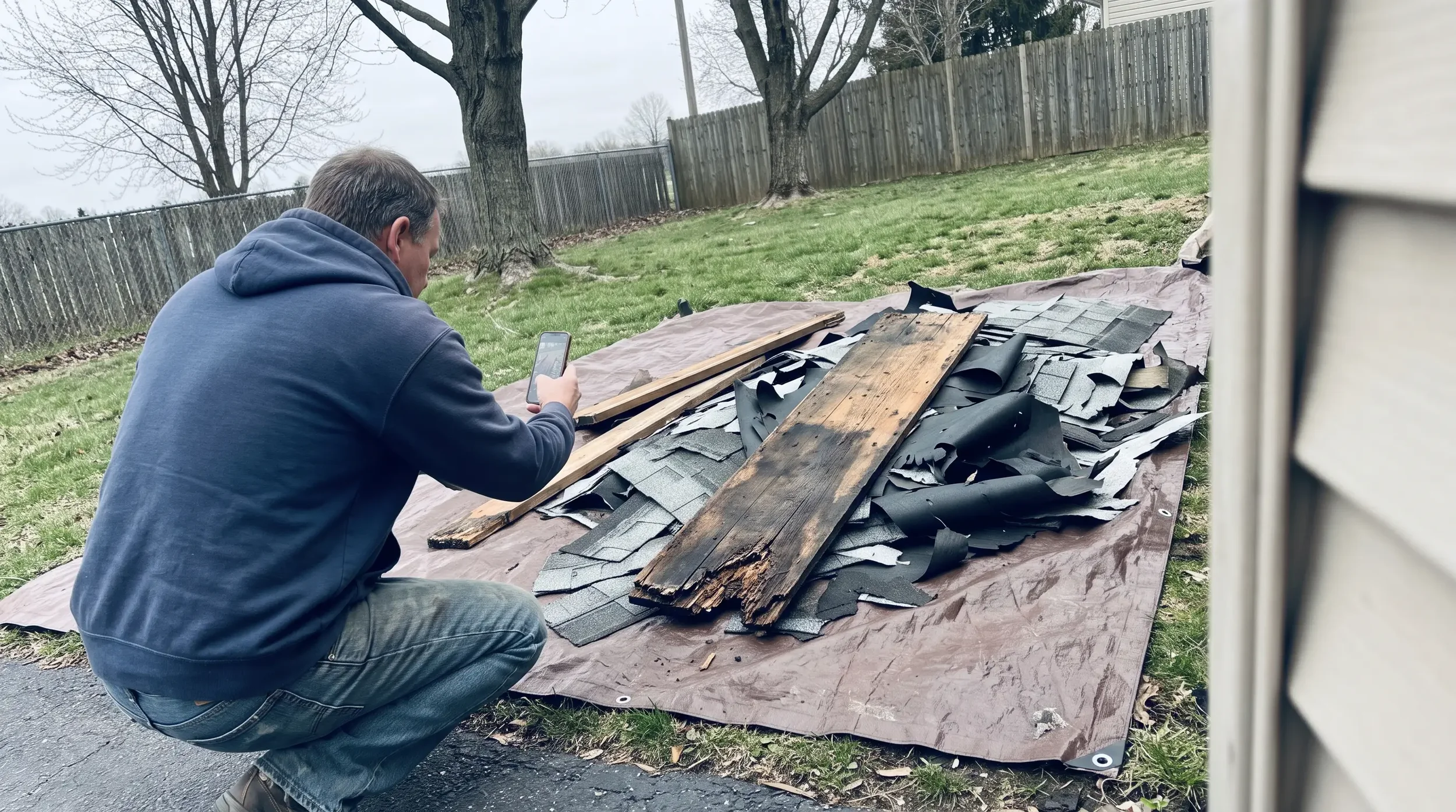
The first estimate on a property claim is built from what the adjuster can see on inspection day. Nobody has pulled a shingle, opened a wall or lifted a floor yet. The repair is where the rest of the damage shows up.
That is what an insurance claim supplement is for. It asks the insurer to pay for the part of the same loss that its first estimate left out, on the claim that is already open.
Below: what counts as a supplement, what a request has to contain, the Florida deadline that ends the right to file one, and what to do when the insurer says no.
Repair turned up more than the estimate covers?
Send us the insurer's estimate and your contractor's list of new items. A licensed public adjuster will read them side by side. Start a claim review.
What an Insurance Claim Supplement Is
A supplement is a request for additional payment on a claim the insurer has already adjusted, for damage or costs from the same loss. The claim number stays the same. You are asking the insurer to price what its first estimate did not.
Florida writes the definition into statute. Fla. Stat. § 627.70132(1)(b) defines a supplemental claim as "a claim for additional loss or damage from the same peril which the insurer has previously adjusted or for which costs have been incurred while completing repairs or replacement pursuant to an open claim for which timely notice was previously provided to the insurer."
Three things get confused with it:
- A reopened claim. Florida defines this separately, in § 627.70132(1)(a), as a claim the insurer "has previously closed, but that has been reopened upon an insured's request for additional costs for loss or damage previously disclosed to the insurer." In Florida the two carry different notice deadlines.
- Recoverable depreciation. That money is already on your estimate, held back and paid as the work is done or once it is finished, depending on your state and your policy. A supplement adds items that were never on the estimate. Getting the holdback released is its own request.
- A denial appeal. If the insurer denied coverage, there is no adjusted scope to add to, and the argument is about coverage rather than price. Denied and underpaid claims need different arguments.
Where Supplement Items Come From
A supplement item can come from any of these places:
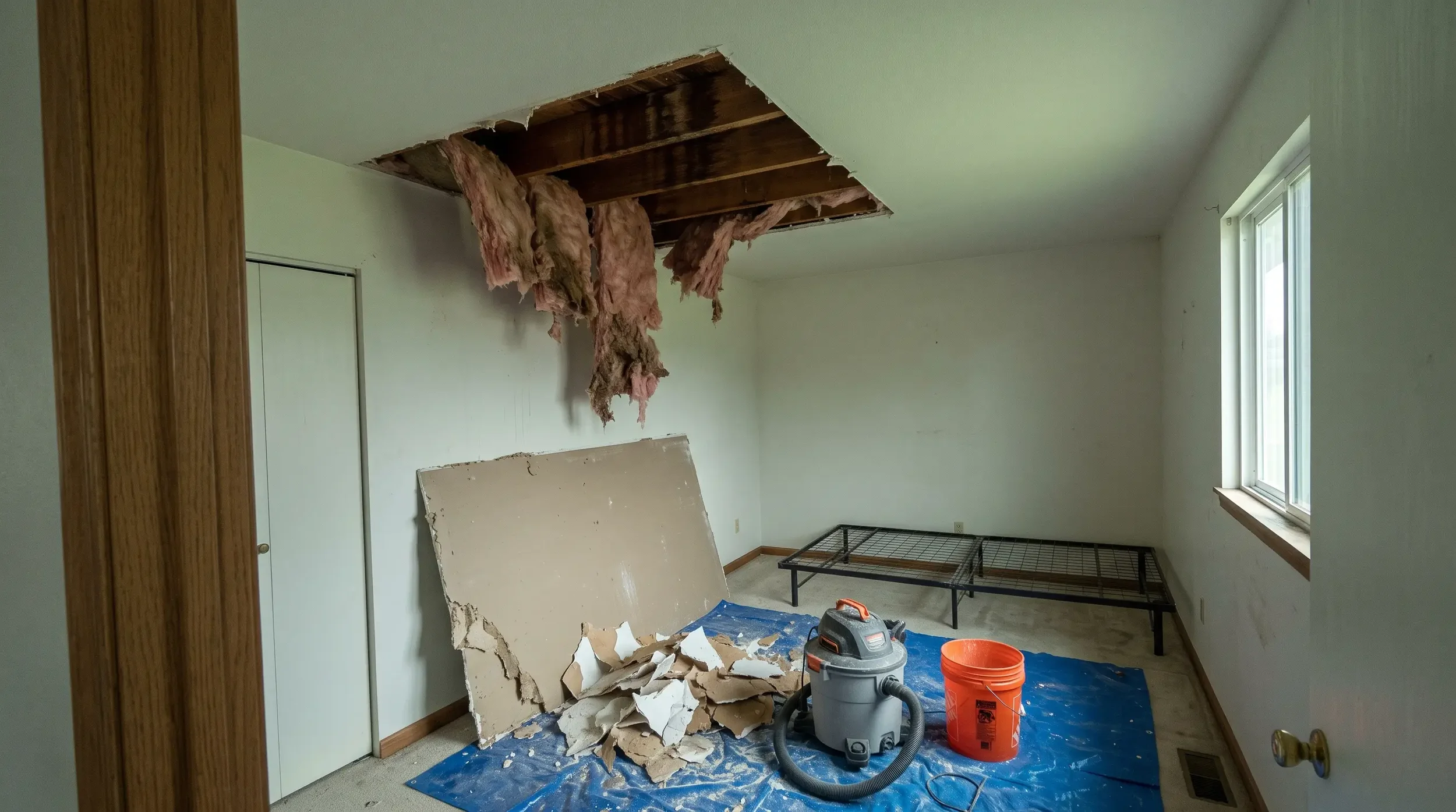
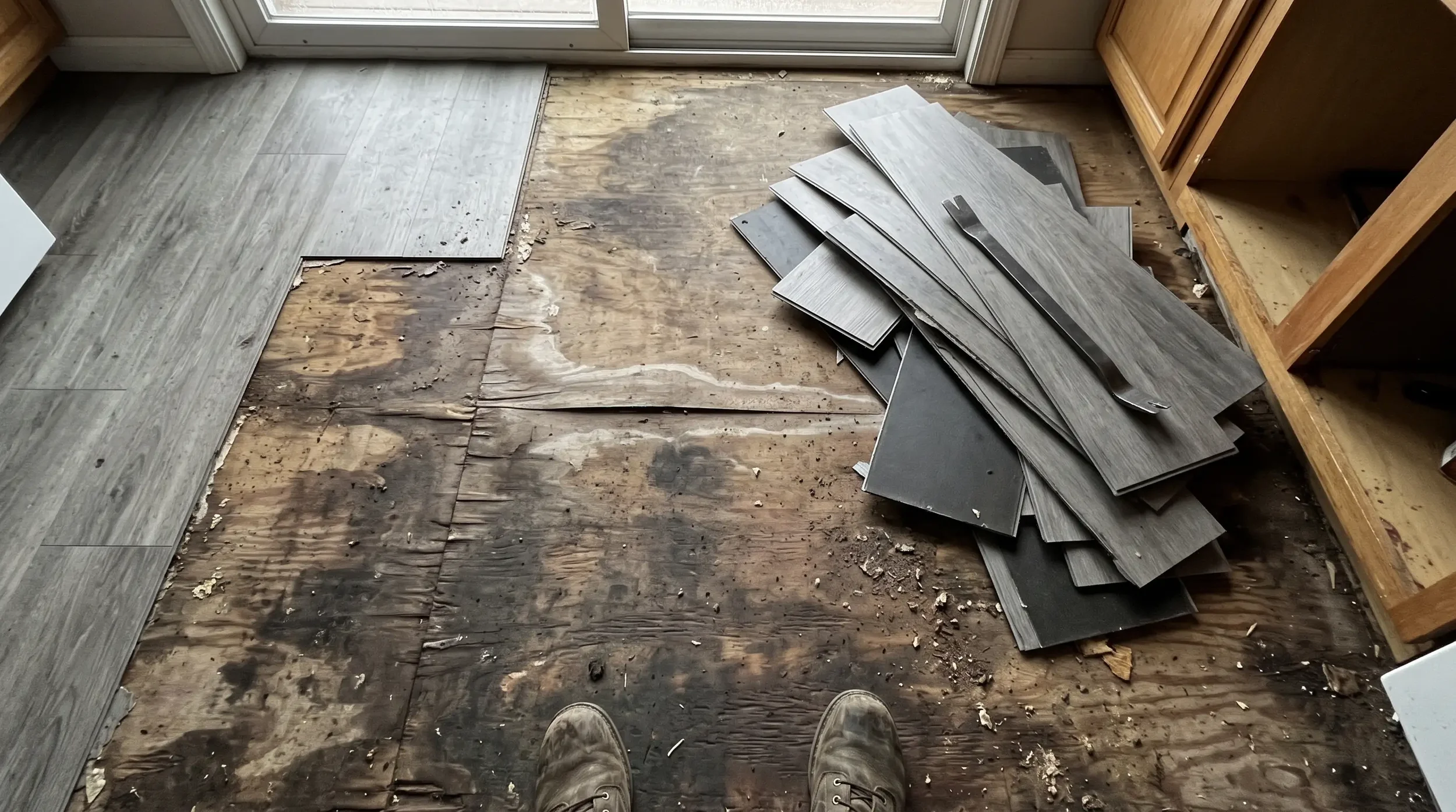
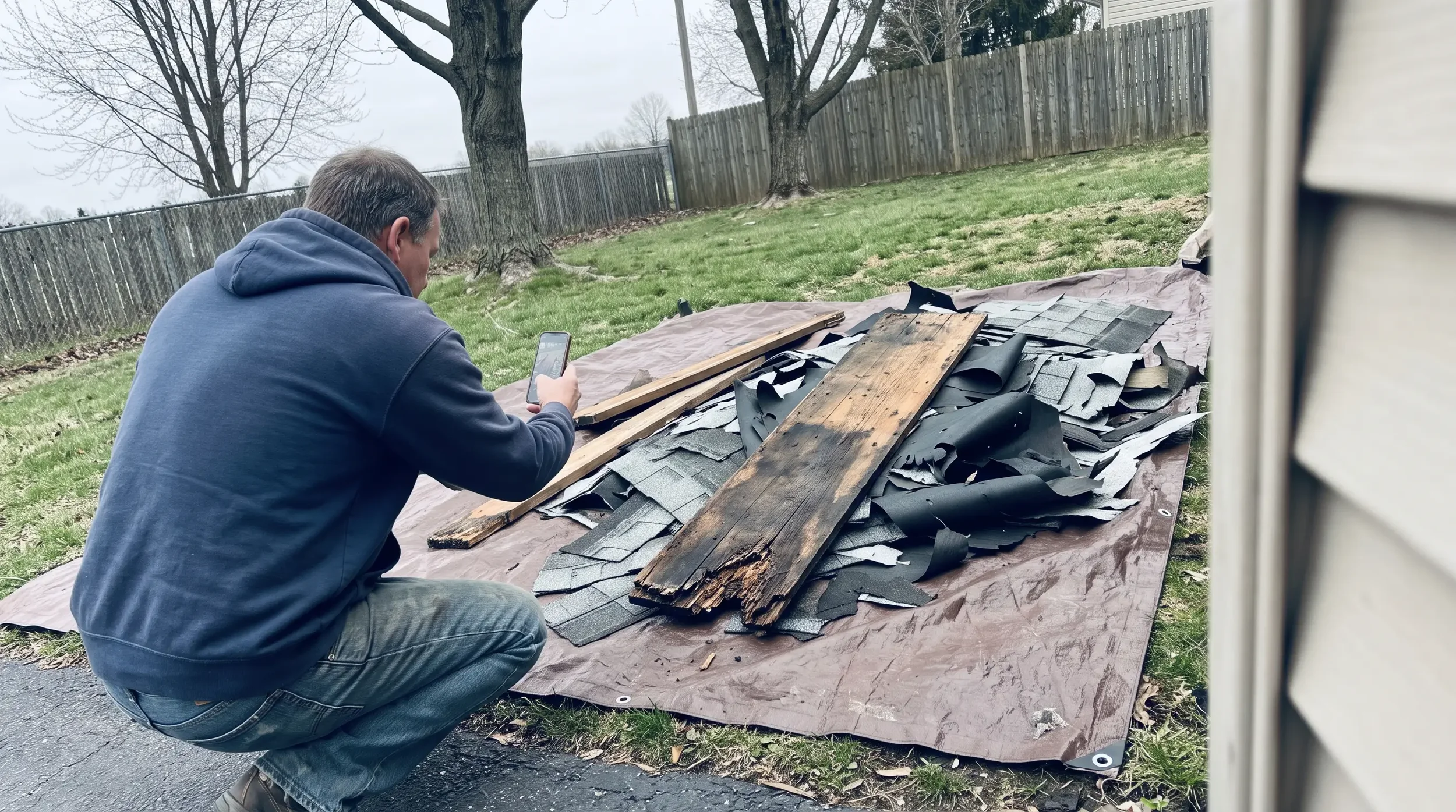
- Damage hidden behind a finished surface. Wet insulation behind drywall, soft roof decking under shingles, a subfloor that swelled under the flooring. It is the same loss, found once the work begins.
- Work the building code requires. Replacing damaged materials can trigger upgrades the first estimate never priced. Whether your policy pays for them depends on your ordinance or law coverage, which has its own limits.
- Quantities and items the estimate got wrong. A roof slope left out of the measurement, one wall priced where four were damaged, a step the repair cannot skip that the estimate never listed.
- Price that does not match the job. If your contractor's price for the same scope comes in above the insurer's estimate, ask the insurer to reconcile its line items to the contractor's, one at a time.
Each item has to trace back to the original loss. Damage from a later event, or from a different cause, is a separate claim, and the insurer will treat it as one.
What a Supplement Request Has to Contain
Put the supplement in writing, as one package, on the same claim number. Build it so the adjuster can price each item from the paper:
- A cover letter that calls it a supplement request, gives the claim number and date of loss, and lists each new item.
- Photos of each item taken before it is repaired or covered back up, plus one wider shot showing where in the building it is.
- An itemized estimate for the new items, with quantities and unit prices, laid out like the insurer's estimate where you can.
- The contractor's invoice, change order or bid behind each item.
- One sentence per item on why it belongs to the original loss.
- A request that the insurer reinspect before the area is closed up, if it wants to see it in person.
Before a wall goes back up over something new, tell the insurer in writing and give it a chance to look. Once it is closed up, nobody can see it again without opening it back up, and your photos have to carry the item on their own.
The Deadline That Ends the Right to Supplement
In Florida the deadline is in the statute. Fla. Stat. § 627.70132(2): "A supplemental claim is barred unless notice of the supplemental claim was given to the insurer in accordance with the terms of the policy within 18 months after the date of loss." A new claim or a reopened claim has a shorter window, with notice due within 1 year after the date of loss.
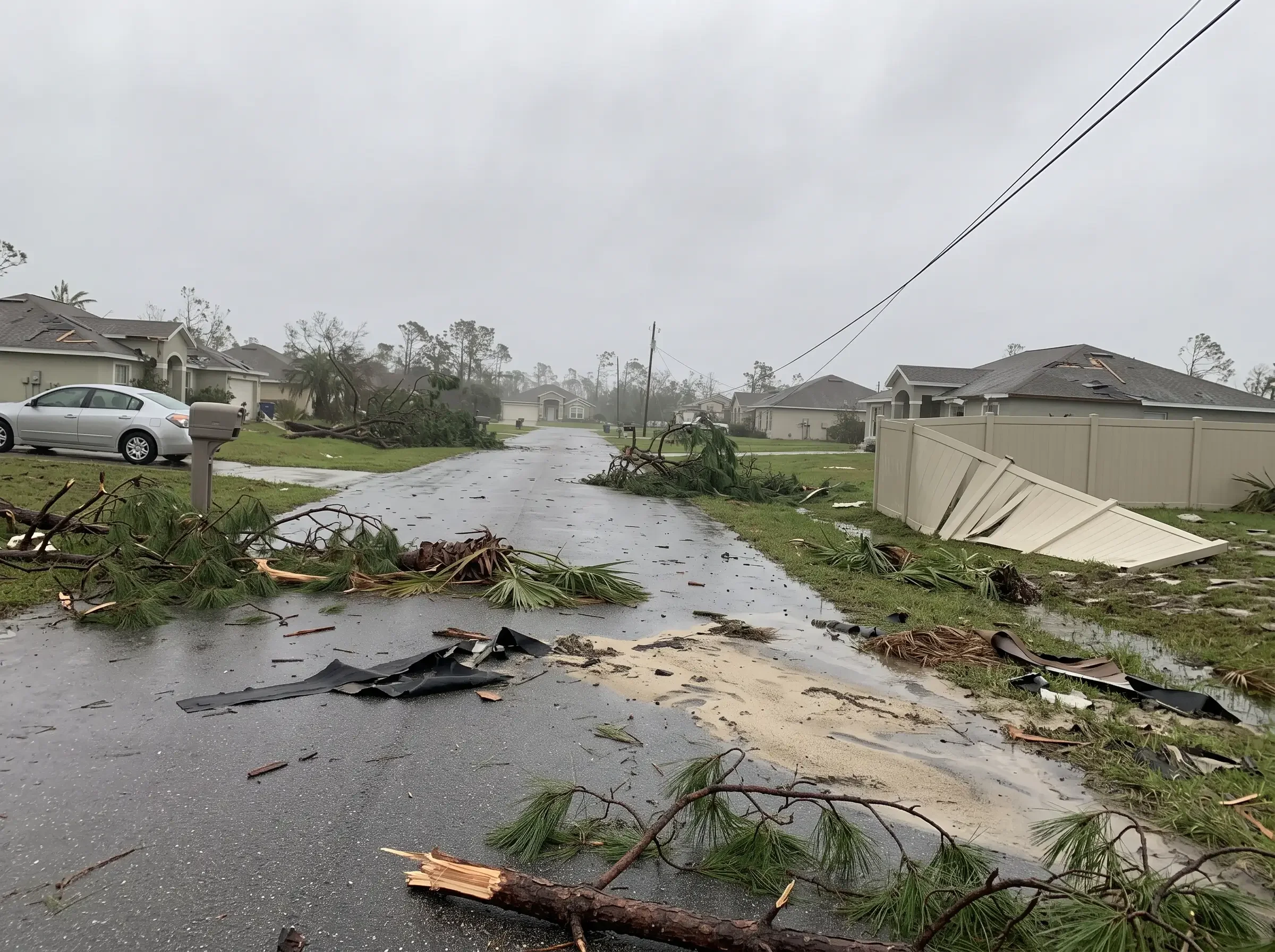
Two more details sit in the same section. For hurricanes, tornadoes, windstorms, severe rain and other weather events, § 627.70132(3) fixes the date of loss as the date the hurricane made landfall or the date the event "is verified by the National Oceanic and Atmospheric Administration." And § 627.70132(5) says the section does not affect any separate time limit on filing a lawsuit.
In Minnesota, Wisconsin, North Dakota and South Dakota, look in your policy's conditions. Read them for any deadline to report more damage, to finish repairs, to claim held-back depreciation or to file suit, and treat each one as still running while a supplement is pending.
When the Insurer Says No to a Supplement
A no on a supplement is a disagreement about specific line items. Get it in that form.
- Ask for the reason in writing, item by item. "Not related to the loss" and "already included" are different answers, and they need different evidence.
- Answer each reason with the document that fits: the photo, the invoice, the code requirement the building department cited, or the line in the insurer's own estimate.
- If the disagreement is over the amount rather than coverage, read the appraisal clause in your policy, if it has one, and what the appraisal process involves before you invoke it.
From Our Files: One Hail Claim, Five Checks
On a hail claim we handled, the first check from the insurer arrived about a month after we were hired. It was not the last one.
Three more payments followed within a month of that first check, and a fifth came after them. By the end, the claim had paid more than twice what the first check said.
Our records count the three payments in that first month as supplements. They do not itemize what each one covered, so I will not guess at the line items. What the file shows is the shape: one check, then more on the same claim.
If you are holding a first check and the repair has barely started, nothing about that check says the claim is finished.
Frequently Asked Questions
What is an insurance claim supplement?
It is a request for more money on a property claim your insurer has already adjusted, for damage or costs from the same loss that the first estimate left out. Damage found once the repair is opened up, work the building code requires and items the estimate missed can all belong in one. It stays on the same claim number. It is not a new claim, and it is not an appeal of a denial.
How do I file a supplemental insurance claim?
Send your insurer a written supplement request on the same claim number. Include photos of each new item taken before it is repaired or covered back up, an itemized estimate with quantities and prices, the contractor's invoice or change order behind each item, and a sentence on why each item belongs to the original loss. Ask the insurer to reinspect before the area is closed up.
Is there a deadline to file a supplement?
In Florida, yes. Under Fla. Stat. § 627.70132(2), a supplemental claim is barred unless notice of it was given to the insurer within 18 months after the date of loss, and a new or reopened claim is barred unless notice was given within 1 year. In Minnesota, Wisconsin, North Dakota and South Dakota, read your policy's conditions for any deadline to report more damage, finish repairs or file suit.
Is a supplement the same as recoverable depreciation?
No. Recoverable depreciation is an amount that already appears on your estimate and is held back, then paid as the work is done or once it is finished, depending on your state and your policy. A supplement asks the insurer to pay for items that were never on the estimate at all. One claim can involve both, and each needs its own written request.
Can a public adjuster help with a supplement?
Yes. A licensed public adjuster represents the policyholder, not the insurance company, and filing for damage found once the work begins is part of that job: documenting the new items, pricing them and presenting them to the insurer. Shoreline Public Adjusters is licensed in Minnesota, Wisconsin, Florida, North Dakota and South Dakota.
Before the Contractor Closes It Up
If the repair has turned up damage the first estimate did not include, the time to document it is before it disappears behind new materials. Send us the insurer's estimate and the new items. A licensed public adjuster will tell you which ones read as a supplement. Request a claim review, or see how our insurance claim support works. To compare replacement cost and actual cash value on your own numbers first, use our ACV vs RCV calculator.
Related Reading
- Recoverable depreciation: the money already on your estimate, which a supplement request should never be mixed up with.
- Proof of loss: why a sworn statement filed early should leave room for the items you have not found yet.
- Ordinance or law coverage: whether the code upgrade on your supplement list is actually covered.
Sources
- Fla. Stat. § 627.70132: notice of property insurance claim; defines supplemental and reopened claims (read 2026-11-11)
Shoreline Public Adjusters, LLC is licensed in Minnesota (MN 40962416), Wisconsin (WI 21156868), Florida (FL G199012), North Dakota (ND 3004392416), and South Dakota.
Shoreline Public Adjusters, LLC
780 Fifth Avenue South
Suite #200
Naples, FL 34102
Email: hello@teamshoreline.com
Phone: 954-546-1899
Fax: 239-778-9889