Underpaid Insurance Claim? How to Prove the Gap and Get the Rest Paid

TL;DR — Underpaid Insurance Claim: The First Check Is Not the Final Word
- Underpaid is not denied. The carrier accepted the claim and paid less than the loss costs, so the fight is about the number, not about coverage.
- Most underpayments hide in the estimate: missing damage, low unit pricing, held-back depreciation, overhead and profit, and code upgrades.
- Florida makes the carrier explain the gap. Under Fla. Stat. 627.70131(7)(a), a payment below the carrier's own detailed estimate needs a written explanation of the difference.
- Missed damage can go back in. Florida allows a supplemental claim up to 18 months after the date of loss under Fla. Stat. 627.70132.
- Wisconsin puts a clock on the money. Under Wis. Stat. 628.46, a payment is generally overdue 30 days after the carrier has written notice of the loss and its amount, and overdue payments carry interest.
The Check Came. It Doesn't Cover the Repair.
The claim was approved, a check arrived, and it covers a fraction of what the contractor says the repair will cost. That is an underpaid insurance claim. It is not a denial, and it is rarely the carrier's final number.
The difference matters because the tools are different. A denial is an argument about coverage. An underpayment is an argument about scope and price, and it is won with paper.
Underpaid or Denied? Check What the Letter Actually Says
Read the carrier's letter and the estimate behind it before deciding what you are dealing with.
- Denied: the carrier says the loss, or part of it, is not covered, points to an exclusion or a condition, and pays nothing for that part.
- Underpaid: the carrier accepts the loss and pays, but its estimate leaves out damage, prices the work below what it costs, or holds money back.
- Both at once: one letter can deny part of a claim and underpay the rest. Treat each part separately, because each has its own remedy.
Where Underpayments Hide in the Estimate
Carrier estimates are written in line items, which is good news. Every underpayment has a line, or a missing line, you can point to.
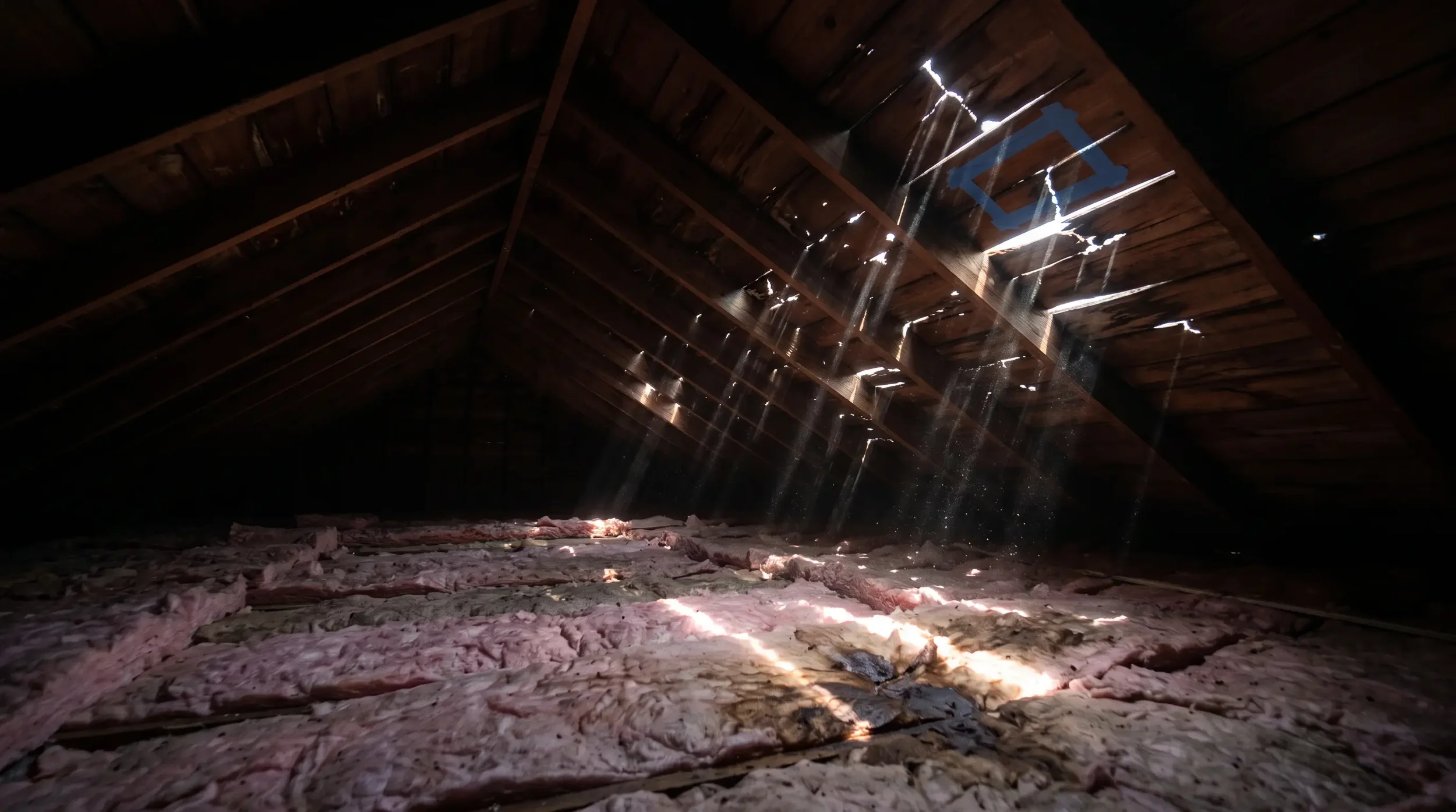
- Missing scope. Damage that was never inspected or never written up: the second roof slope, the interior ceiling, the wet insulation behind the drywall.
- Unit pricing. The right line item at a price below what local contractors actually charge.
- Depreciation. On a replacement cost policy, recoverable depreciation is often held back until the work is done. Our ACV vs RCV calculator shows how much is at stake.
- Overhead and profit. The general contractor's markup, often disputed when the carrier argues a general contractor is not needed.
- Code upgrades. Work the building code requires during the repair, which falls under ordinance or law coverage.
What the Law Makes the Carrier Do
Florida, Minnesota and Wisconsin all regulate how a carrier handles a claim. On an underpayment, the rules that matter most are about explaining the number and paying on time.
Florida. Under Fla. Stat. 627.70131(7)(a), a carrier must pay or deny an initial, reopened or supplemental claim, or a portion of it, within 60 days after notice, unless factors beyond its control prevent it. It must give a reasonable written explanation of the basis for its decision, and if it pays less than its own detailed estimate, it must explain the difference in writing.
That explanation is worth asking for by name. It turns a vague lowball into a specific list of disagreements you can answer one at a time.
Minnesota. Minn. Stat. 72A.201 lists unfair claim practices, and our guide to how long a Minnesota insurer has to settle a claim walks through its deadlines. Two provisions matter most when a claim is paid short.
A carrier may not advise you against hiring an attorney or an adjuster, or suggest that payment will be delayed if you do. And if it requests another estimate of repair after you have already submitted two, it has to tell you it will pay for that estimate.
Wisconsin. Wis. Stat. 628.46 requires insurers to pay claims promptly. A claim is overdue if it is not paid within 30 days after the carrier has written notice of the covered loss and its amount, and a partial amount supported by written notice runs on its own 30-day clock.
If the policy requires a proof of loss, the clock runs from when the carrier receives it. Overdue payments carry simple interest at 7.5 percent a year, unless the carrier has reasonable proof that it is not responsible for the payment.
From Our Files: The Complaint That Moved the Number
This lesson comes from a wind claim we are still working, more than a year after the storm.
The carrier paid a substantial check, but the claim was not finished, and we filed a complaint with the state insurance department. After the complaint, the carrier conceded an additional amount it had not paid before.
Part of that claim, the contractor's overhead and profit, is still in dispute. The complaint did not end the argument. It moved the number while the argument continued.
That is why a complaint belongs in the plan while a claim is still open, not after it closes. It works best left open until the money clears, because the open file is part of the pressure.
How to Get the Rest of the Claim Paid
1. Get the carrier's estimate, in full. Not the summary page: every line item, quantity and price. In Florida, ask for the written explanation of any difference between the payment and that estimate.
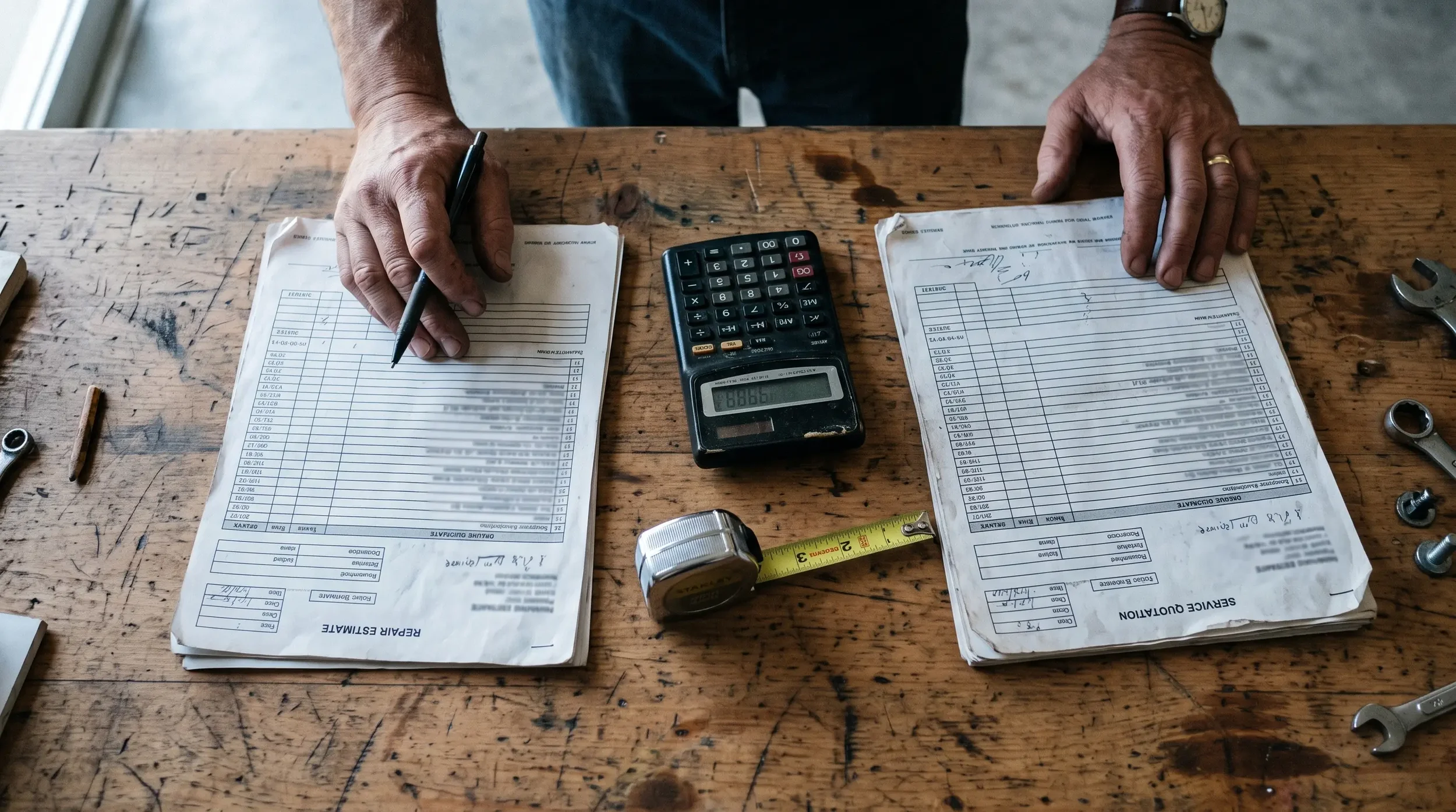
2. Compare it line by line with a contractor's estimate. Mark what is missing, what is priced low, and what is being held back.
3. Document what the first inspection missed. Photos, measurements, and anything found once repairs started.
4. Submit a supplement in writing. In Florida, Fla. Stat. 627.70132 bars a supplemental claim unless notice is given within 18 months after the date of loss, and a new or reopened claim unless notice is given within 1 year.
5. If the only disagreement is the amount, consider appraisal. Many property policies include it, and our guide to the insurance appraisal clause explains when it fits.
6. File a complaint with the state if the carrier stops responding. Minnesota's Department of Commerce, Wisconsin's Office of the Commissioner of Insurance and Florida's Division of Consumer Services all take insurance complaints.
7. Keep the deadlines in view. Supplement and suit deadlines keep running while you negotiate.

Frequently Asked Questions About Underpaid Insurance Claims
What is an underpaid insurance claim?
It is a claim the carrier accepted and paid, but for less than the covered loss actually costs to repair or replace. Unlike a denial, the carrier agrees there is a covered loss. The dispute is about scope and price: missing damage, low unit costs, held-back depreciation, or overhead and profit left out of the estimate.
How do I know if my insurance claim was underpaid?
Compare the carrier's line-item estimate with a contractor's estimate for the same work. Missing rooms or roof slopes, prices below what local contractors charge, depreciation held back on a replacement cost policy, and no overhead and profit are the usual signs. In Florida, the carrier must explain in writing why its payment is below its own detailed estimate.
Is an underpaid claim the same as a denied claim?
No. A denied claim, or a denied part of a claim, is a coverage decision: the carrier says the policy does not pay for it. An underpaid claim is accepted but paid short. One letter can do both, so separate the denied items from the underpaid ones, because each has a different remedy.
Can I reopen or supplement a claim after I have been paid?
Often, yes. A supplemental claim asks the carrier to pay for additional damage or costs from the same loss. In Florida, Fla. Stat. 627.70132 bars a supplemental claim unless notice is given within 18 months after the date of loss, and a new or reopened claim within 1 year. In Minnesota and Wisconsin, check your policy's conditions for the deadline that applies.
How long does a Florida insurer have to pay the rest of a claim?
Under Fla. Stat. 627.70131(7)(a), the carrier must pay or deny an initial, reopened or supplemental claim, or a portion of it, within 60 days after receiving notice, unless factors beyond its control prevent it. It must explain its decision in writing, including any difference between its payment and its own detailed estimate.
Does Wisconsin charge insurers interest on late claim payments?
Yes. Under Wis. Stat. 628.46, a claim is overdue if it is not paid within 30 days after the carrier has written notice of the covered loss and its amount, or 30 days after a required proof of loss. Overdue payments carry simple interest at 7.5 percent a year, unless the carrier has reasonable proof it is not responsible for the payment.
Can my insurance company tell me not to hire an adjuster in Minnesota?
No. Minn. Stat. 72A.201 treats it as an unfair settlement practice for a carrier to advise you not to hire an attorney or an adjuster, or to suggest that payment will be delayed if you do. If a carrier says either one, write down who said it and when.
Can a public adjuster help with an underpaid claim?
Yes. A licensed public adjuster works for you, not the carrier: reviewing the carrier's estimate line by line, documenting missed damage, preparing supplements, and taking the claim to appraisal or a state complaint when negotiation stalls. That work is most useful while the claim is still open.
Before You Accept the Number
An underpaid claim is easiest to fix while it is still open, the damage is still visible, and the deadlines are still ahead of you. A review of the carrier's estimate against the actual damage costs nothing and shows exactly where the gap is.
Our residential claim support handles underpaid homeowner claims from estimate review through appraisal.
Contact Shoreline Public Adjusters for a free claim review. We work only for policyholders, and we do not collect a fee unless you do.
Related Reading
- The insurance appraisal clause — the option when the only disagreement is the amount.
- How long a Minnesota insurer has to settle a claim — the full list of Minnesota claim-handling deadlines.
- ACV vs RCV calculator — how much depreciation is being held back.
Shoreline Public Adjusters, LLC is licensed in Florida (FL G199012), Minnesota (MN 40962416), Wisconsin (WI 21156868), North Dakota (ND 3004392416), and South Dakota.
Shoreline Public Adjusters, LLC
780 Fifth Avenue South
Suite #200
Naples, FL 34102
Email: hello@teamshoreline.com
Phone: 954-546-1899
Fax: 239-778-9889