
Florida Hurricane Damage Public Adjuster
Licensed Hurricane, Storm Surge & Wind Damage Claim Help Statewide in Florida
✓ Florida Licensed (#G199012)
✓ Hurricane Deductible & Wind-vs-Flood Specialty
✓ No Fee Unless We Recover
Fill Out the Form Below to Get a Free Hurricane Claim Review:
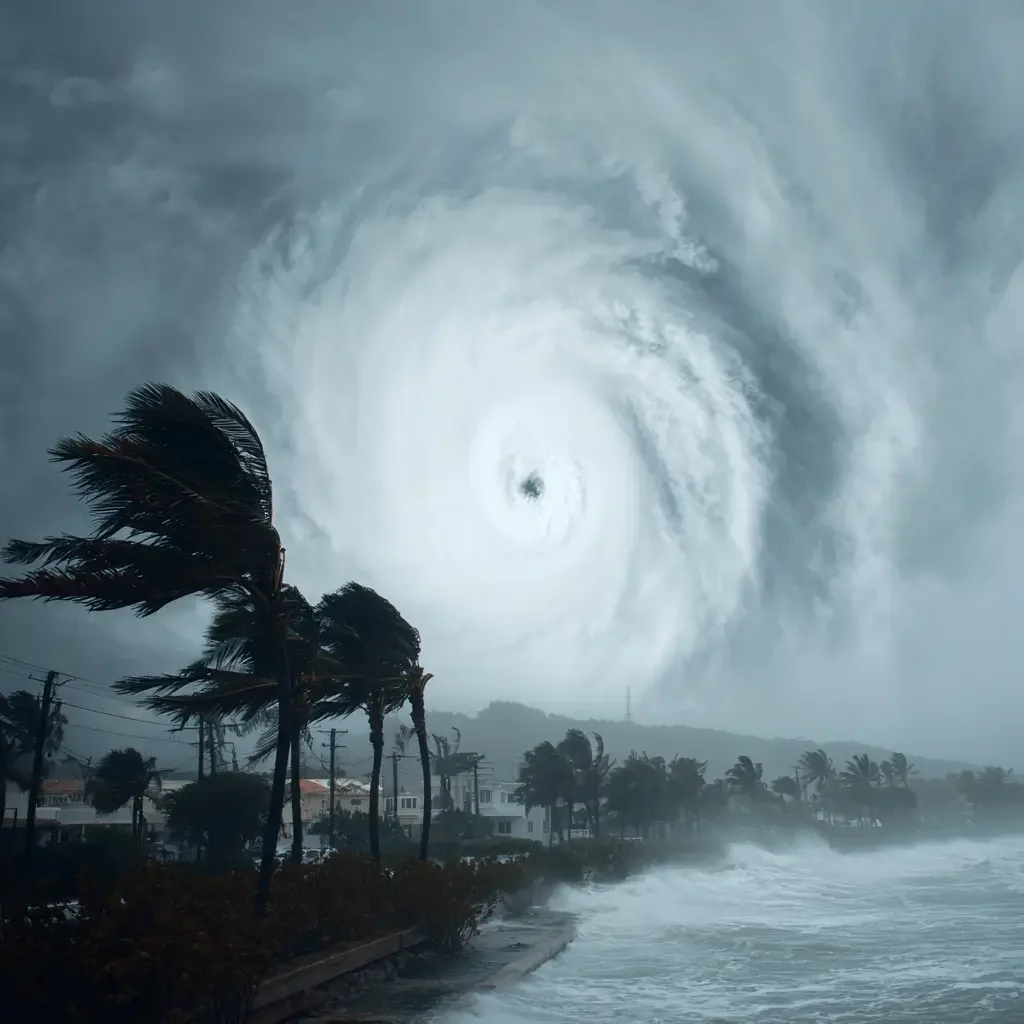
Hurricane claims are the most contested losses in Florida property insurance — and the most underpaid. Wind and flood damage that arrived in the same storm get split between separate carriers and separate policies, percentage-based hurricane deductibles take five-figure bites before coverage starts, and carriers reclassify wind-driven water as flood damage to push entire scopes off the homeowners policy. Our Naples headquarters sits in the heart of the Florida hurricane corridor, and we have worked claims from every major storm since the firm was founded — Ian, Milton, Helene, Michael, Sally, Irma, and earlier. We work on contingency — you owe nothing unless we recover money on your claim.








As Seen On:










Get Your Free Hurricane Claim Review


Florida Hurricane Claim Coverage — Statewide
We handle hurricane and tropical storm damage claims across every region of Florida, with our Naples headquarters sitting directly in the Southwest Florida impact corridor. On-the-ground availability for site inspections during the post-storm window is built into how we operate.
Southwest Florida
Hurricane Ian / Milton zone
Naples, Fort Myers, Cape Coral, Bonita Springs, Marco Island, Sarasota, Port Charlotte, Collier County, Lee County
Southeast Florida & Gold Coast
Hurricane Irma / Wilma zone
Miami, Fort Lauderdale, West Palm Beach, Boca Raton, Hollywood
Why a Naples-Based Florida Hurricane Specialty Matters
Hurricane claims drive the largest share of our overall claim book by dollar value, and our Naples HQ sits in the impact zone for nearly every Gulf-facing storm. We have worked claims through Hurricane Ian (2022, Cat 4 Southwest Florida landfall), Hurricane Milton (2024), Hurricane Helene (2024 Big Bend), Hurricane Michael (2018 Panhandle Cat 5), Hurricane Sally (2020 Pensacola), Hurricane Irma (2017 statewide), and earlier storms back through Hurricane Ivan (2004). The hurricane claim playbook for each Florida carrier — Citizens, Universal, Heritage, Tower Hill, Florida Peninsula, FedNat, ASI, and the major nationals — is something we have seen repeatedly. That pattern recognition becomes leverage every time a new storm event triggers a new wave of claims.
Types of Hurricane Damage We Handle
Hurricane damage is rarely one type of damage — it is usually four or five overlapping damage events triggered by the same storm, each with its own coverage rules and carrier-side defense. The cards below cover the hurricane damage categories we file most often.
Wind & Roof Damage
The largest single component of most residential hurricane claims — sustained winds and gusts strip roof shingles, lift roof systems, and force water through the breach.
Cat 1 winds (74-95 mph) lift older 3-tab and architectural shingles. Cat 3+ winds (111+ mph) routinely fail entire roof systems. Carriers commonly limit roof claims to spot repair when full replacement is the actual obligation, particularly when Florida Building Code 25% replacement rule applies. We document directional damage patterns, pull engineering inspections where wind speed disputes arise, and pursue full replacement scope including underlayment, decking, and code-mandated upgrades.
Wind-Driven Rain & Secondary Water
The most contested coverage question in every hurricane claim — water that entered through wind-damaged openings is covered as wind-driven rain, not flood.
When wind opens the building envelope (lifted roof, broken window, blown-off siding, lifted soffit), rain entering through those openings is covered under the homeowners or commercial property policy as wind-driven rain. Carriers commonly reclassify this water damage as flood — pushing the entire interior scope to the NFIP or private flood policy with separate coverage limits and deductibles. We document the entry point chronologically, prove the wind opening preceded the water, and keep wind-driven rain on the property carrier where it belongs.
Storm Surge & Coastal Flooding
Storm surge from Gulf and Atlantic landfall produces flood damage covered separately under NFIP or private flood insurance — not the homeowners policy.
Storm surge during major hurricanes pushes seawater inland through coastal communities, damaging structures, contents, electrical systems, and HVAC at and above the surge water line. NFIP coverage caps at $250,000 for residential structure and $100,000 for contents, which often runs short on Florida coastal claims. We file the flood claim in parallel with the wind claim, ensure surge damage is correctly classified, and pursue private flood policy recovery where the policyholder carries one beyond NFIP limits.
Tornado & Spawn Tornado Damage
Hurricanes spawn tornadoes — sometimes EF-2 or higher — that produce concentrated damage zones distinct from the broader hurricane wind footprint.
Hurricane-spawn tornadoes can affect properties hundreds of miles from the eye, with localized damage patterns that look very different from the hurricane's general wind exposure. Carriers commonly classify tornado damage as wind damage under the standard hurricane deductible — but tornado damage may be covered separately under a different deductible structure depending on the policy. We pull NWS tornado track data, document the directional damage signature, and apply the correct deductible category.
Pool Cage, Screen Enclosure & Lanai Damage
Florida pool cages and lanais are the most damaged exterior structures in nearly every hurricane — and carriers consistently underpay or misclassify these claims.
Pool cages, lanai screens, and screen-room enclosures suffer near-universal failure in Cat 2+ hurricanes. Standard homeowners policies typically cover these structures under "Other Structures" coverage (typically 10% of dwelling), but carriers often limit recovery to repair when full replacement is the actual obligation. Code requirements for new pool enclosure installation also vary by county — Collier, Lee, Manatee, and Sarasota counties each have different post-loss permit requirements that affect rebuild scope.
Window, Door & Hurricane Shutter Damage
Wind pressure and projectile impact damage windows, sliding doors, and hurricane shutters — and the resulting envelope failures drive interior water damage.
Window failures in hurricanes are typically caused by either wind pressure exceeding the window's design rating or by projectile impact. Hurricane shutters often fail at attachment points or hardware components rather than the shutter itself. Carriers commonly limit window claims to glass replacement when frame, anchor, and surround damage requires full assembly replacement. We document the failure mode and pursue full replacement scope including code-required impact-rated upgrades on Florida coastal properties.
Post-Storm Mold Damage
Hurricane water intrusion saturates wall cavities, attics, and contents — mold growth begins within 48-72 hours and continues through the rebuild window.
Mold colonization after a hurricane is essentially guaranteed wherever water intrusion occurred. Most policies cover mold when it results from a covered peril (wind-driven rain through a wind-damaged opening qualifies) but cap recovery at sub-limits between $5,000 and $50,000. Carriers commonly resist mold coverage by arguing failure to mitigate or pre-existing conditions. We document the moisture source, tie growth chronologically to the storm, and pursue mold remediation as part of the hurricane claim. Our mold damage service covers this in detail.
Post-Storm Electrical Fire
A measurable wave of electrical fires occurs in homes weeks and months after a hurricane — saltwater corrosion damages wiring and appliances that fail under normal use.
After Hurricane Ian, Hurricane Michael, Hurricane Sally, and similar Gulf-facing storms, we have handled fires originating in homes that survived the hurricane physically intact but had saltwater intrusion damage to electrical panels, wiring runs, and major appliances. Months later, those compromised components fail catastrophically. Carriers commonly argue the resulting fire is unrelated to the original hurricane claim. We document the saltwater-to-corrosion-to-failure chain and pursue both the original storm supplemental and the fire claim. Our fire and smoke damage service covers this in detail.
Marine, Dock & Seawall Damage
Coastal Florida properties with marine infrastructure — docks, seawalls, boat lifts, davits — face a separate coverage analysis from the building structure itself.
Standard homeowners policies typically include limited "Other Structures" coverage that may apply to docks and seawalls, but most coastal Florida properties carry separate marine endorsements or specialty coverage. Carriers commonly limit dock and seawall recovery to repair when full replacement is required by post-loss code or county permitting. We map the marine damage scope, identify the correct policy and endorsement structure, and pursue the full rebuild including code-mandated upgrades for new construction.
Reopened & Supplemental Hurricane Claims
Hidden damage discovered months after the storm — roof leaks, mold, structural shifting — that emerges during repairs or after the rainy season exposes it.
Florida F.S. 627.70132 sets the supplemental claim window at 18 months from the date of loss for hurricane and windstorm claims (with the initial filing window at 1 year). Hurricane Ian, Milton, Helene, Michael, Sally, and Irma all generated waves of supplemental claims as policyholders discovered hidden damage during reconstruction. We pull the carrier file, document the gap between original scope and actual obligation, and file the supplemental within the statutory window.
Properties We Handle Hurricane Claims For
Hurricane claims affect every property class differently — coastal high-rises face surge and elevator damage, single-family homes face roof and pool cage failures, and commercial properties face lost rents and business interruption alongside structural damage. We handle hurricane claims across the full range of property types.
Single-Family Homes
The largest category of hurricane claims we file — and the one most affected by hurricane deductibles, roof age disputes, and the wind-vs-flood coverage split.
Standard homeowners (HO-3) policies cover hurricane wind damage with a percentage-based hurricane deductible (typically 2-5% of dwelling coverage). Roof damage, window/door failure, pool cage destruction, and wind-driven rain through wind-damaged openings all fall under the wind policy. Storm surge and rising flood water require separate flood insurance. We coordinate the wind and flood claims simultaneously and ensure damage is correctly attributed to the right peril.
Condominium Associations & Unit Owners
Condo hurricane claims involve master policy hurricane deductibles in the seven-figure range and complex wind-vs-flood coordination across multiple buildings.
Condo master policies typically carry hurricane deductibles of 2-5% of insured value. On a $50M building with a 3% deductible, the association absorbs $1.5M before the master policy starts paying. Coordinating that recovery with individual unit owner HO-6 policies is the central challenge of every condo hurricane claim. Our HOA & Condo claim service covers the master-policy side. We also represent individual unit owners on HO-6 claims, including loss assessment endorsement claims when the master policy underpays.
Vacation Rentals & Second Homes
Florida investment and vacation rental properties face hurricane-driven booking revenue loss alongside structural damage — both should be recoverable under landlord and short-term-rental policies.
Florida's vacation rental market — particularly along the Emerald Coast, Naples, Marco Island, and the Florida Keys — runs on landlord dwelling policies and short-term rental endorsements. When a hurricane takes a rental offline during peak season, lost booking revenue and guest relocation costs are recoverable as separate line items if documented correctly. We file the property damage claim alongside the lost-income claim under the right policy form.
Commercial & Office Buildings
Commercial hurricane claims combine structural damage with business interruption, lost rents, and code-mandated reconstruction upgrades.
Commercial property policies use different coverage forms than homeowners — with their own hurricane deductibles and BI calculations. Our commercial claim service covers the full commercial scope including business interruption, extra expense, lost rents, and ordinance-or-law for code-required upgrades during reconstruction.
Multifamily & Apartment Buildings
Multifamily hurricane claims combine structural damage with multiple-unit displacement, lost rents during reconstruction, and tenant displacement coordination.
A hurricane affecting a multifamily building typically displaces tenants from multiple units simultaneously while structural repairs proceed. Master commercial policies cover the building structure plus lost rents during the period units are uninhabitable. We coordinate the building owner's claim with tenant displacement, ensure lost rents coverage runs the full reasonable rebuild period, and document tenant relocation costs where the policy allows.
Hotels, Resorts & Hospitality
Hospitality hurricane claims drive significant business interruption exposure — every damaged room is direct lost revenue and seasonal claims can extend for months.
Florida hospitality properties along the Gulf and Atlantic coasts take direct hurricane impact in nearly every active storm season. Hurricane-driven occupancy disruption can run weeks or months past physical reopening as guests divert bookings to undamaged areas. We pull property management system data, document occupancy and ADR projections, and build a BI claim covering both the closed period and the post-reopening ramp-up.
Mobile Homes & Manufactured Housing
Mobile and manufactured homes face higher hurricane vulnerability and operate under different policy forms than traditional construction.
Mobile home and manufactured housing policies use specific coverage forms with their own deductibles, sub-limits, and replacement cost rules. After major hurricanes, mobile home parks often see widespread damage requiring full home replacement rather than spot repair. Carriers commonly underpay these claims by applying actual cash value rather than replacement cost, or by capping recovery below the actual replacement cost of equivalent housing.
Coastal High-Rise Condos
Florida coastal high-rises face the worst hurricane exposure profile — sustained Cat-level winds across the full building height plus storm surge at ground floor and parking levels.
High-rise condo claims involve elevator damage from saltwater intrusion, parking deck flooding and post-tensioning damage, lobby and common-area flood, balcony rail anchor failures, exterior stucco and impact-window damage, and HVAC system failures across multiple mechanical floors. We coordinate with structural engineers and the right specialty contractors so the master claim captures the full scope rather than the narrow estimate a desk adjuster will write.
Restaurants, Retail & Mixed-Use
Coastal commercial corridors face combined hurricane damage including roof failure, water intrusion through compromised envelope, signage destruction, and BI from extended closure.
Commercial corridors along Cape Coral Parkway, Fifth Avenue South, the Pensacola Beach Boardwalk, and similar Florida coastal commercial zones see widespread damage in major hurricanes. Inventory loss, fixture damage, signage destruction, and lost business income all add up. We document inventory at full replacement value, calculate BI using the right baseline period, and coordinate with the carrier's preferred contractors while maintaining the policyholder's right to use their own.
Hurricane Deductibles & The Wind-vs-Flood Coverage Split
The two single most consequential pieces of every Florida hurricane claim — and the two carriers most consistently exploit — are the percentage-based hurricane deductible and the wind-vs-flood coverage split. Together they decide whether a claim recovers $50,000 or $500,000 from the same underlying damage. This section explains how each works, where carriers underpay, and how we challenge both.
How Hurricane Deductibles Actually Work
Florida hurricane deductibles are not flat dollar amounts — they are percentages of the dwelling coverage. The dollar exposure surprises most policyholders.
Only on a Named Hurricane
Florida law requires that hurricane deductibles only apply when the National Hurricane Center officially classifies a storm as a hurricane. Tropical storms, tropical depressions, and severe weather events that never reached hurricane status do not trigger the hurricane deductible — the standard wind deductible applies instead. Carriers regularly misapply the hurricane deductible to non-hurricane events, and the dollar swing can run into tens of thousands per claim.
Percentage of Dwelling Coverage
The deductible is calculated as 2%, 3%, 5%, or sometimes 10% of the dwelling coverage limit — not the actual loss amount. On a home insured for $400,000 with a 5% hurricane deductible, the homeowner pays the first $20,000 of any covered hurricane loss before the policy starts paying. On a $50M condo master policy with a 3% deductible, the association pays $1.5M before the master policy responds.
Once-Per-Season Application
Florida hurricane deductibles apply once per hurricane season per insured property — not per storm. If two named hurricanes hit the same property in the same season, the deductible is paid only once. Carriers occasionally try to apply the deductible per storm; we challenge that interpretation when it appears.
The Wind-vs-Flood Coverage Split
The most contested coverage analysis in every hurricane claim. The line between wind damage (covered by your homeowners or commercial property policy) and flood damage (covered only by NFIP or private flood insurance) determines tens of thousands of dollars on every claim.
Wind Damage Covered Under Homeowners Policy
Sustained winds, gusts, and wind-driven projectile impact. Roof damage, siding loss, window/door failure, pool cage destruction, and tree-strike damage all fall under wind. Wind also includes wind-driven rain entering through wind-damaged openings — this is the contested boundary carriers exploit.
Flood Damage Covered Under NFIP / Private Flood Only
Storm surge, rising water from rivers and bayous, surface flooding from heavy rainfall accumulation, and groundwater intrusion from saturated soil. Flood damage is excluded from standard homeowners policies and requires separate flood insurance — NFIP up to $250K residential / $100K contents, or higher private flood limits.
Wind-Driven Rain Is Wind, Not Flood
When wind opens the building envelope (lifted roof, broken window, blown soffit), rain entering through those openings is wind-driven rain — covered as wind damage. Carriers reclassify this as flood damage to push the loss off the homeowners policy. We document the entry point chronologically and prove the wind opening preceded the water entry.
Concurrent Causation Disputes
Florida case law applies the "concurrent causation" doctrine — when wind and flood both contribute to a loss, coverage typically follows the dominant cause. Carriers frequently invoke anti-concurrent-causation clauses in policies to deny entire claim categories. We challenge these clauses where Florida law supports the policyholder's recovery.
Surge Misclassification at Coastal Properties
Storm surge water lines on coastal properties produce specific deposit patterns and damage signatures distinct from wind-driven rain. Carriers commonly classify all coastal-property water damage as surge to push it onto the flood policy with its $250K NFIP cap. We document the actual surge water line and prove which damage occurred above and below it — wind/wind-driven rain above, surge below.
Roof Failure & Subsequent Water
When a roof fails during a hurricane and water enters from above, the resulting interior damage is wind-driven rain regardless of how much water accumulates. Carriers commonly classify the interior water damage as flood-equivalent or as gradual leak rather than as wind-driven rain through a wind-damaged opening. We document the roof failure chronologically and tie the interior water damage to it.
Why This Matters: $50K vs $500K on the Same Damage
A homeowner with a $400,000 policy, a 5% hurricane deductible, and $50,000 of damage classified entirely as wind-driven rain recovers $30,000 from the wind policy. The same homeowner with the same damage classified entirely as flood — with no flood policy or with NFIP — recovers $0 from the wind policy and is dependent on flood coverage they may not have. The same damage event, the same dollar value, the same policy — but completely different outcomes based on classification. We file the original claim with the correct classification, document chronologically, and challenge any carrier reclassification that pushes covered damage off the right policy.
Why Hurricane Claims Need a Public Adjuster
Hurricane claims have more invisible damage components, more contested coverage boundaries, and more carrier playbook variation than any other property loss. The dollar exposure on a major hurricane claim routinely reaches six or seven figures — and the gap between a represented and unrepresented claim outcome is the largest in the property insurance world.
Hurricane Deductibles Take a 5-Figure Bite Before Coverage Starts
Florida hurricane deductibles run 2-5% of dwelling coverage — a $20,000-$50,000 deductible on most homeowners policies before the carrier pays a dollar.
When the deductible is that large, every misclassified line item, every undervalued component, and every overlooked code-upgrade obligation translates to direct dollar loss. A public adjuster's job is to ensure every covered dollar is captured before the deductible math runs against the policyholder.
Wind-vs-Flood Allocation Is the Game
Whether damage is classified as wind, wind-driven rain, or flood determines which policy pays — and carriers default to the classification that pushes the claim onto the smallest available limit.
Carriers commonly classify ambiguous damage as flood (off-loaded to NFIP with $250K residential cap) rather than wind (covered under homeowners). A public adjuster proves the actual cause and forces the correct classification.
Multi-Peril Coordination Across Carriers
A hurricane claim involves wind, flood, mold, and post-storm fire — sometimes across two or three different carriers and policies.
Wind under the homeowners or commercial policy. Flood under NFIP or private flood. Mold under sub-limited mold coverage. Post-storm electrical fire under the standard fire peril. Each carrier handles its component separately and exploits the boundary. We file as a single integrated claim.
Carrier Adjuster Backlog Is Severe Post-Storm
Major hurricanes generate tens of thousands of simultaneous claims — carrier-side adjusters become overloaded and rushed inspections produce systematically low estimates.
After Hurricane Ian, the entire Florida adjusting workforce was overwhelmed for months. Carriers brought in out-of-state independent adjusters who rushed inspections and applied national-average pricing that bore no relationship to post-storm Florida labor and materials costs. We document the loss with local pricing and challenge desk reviews built on out-of-region cost assumptions.
Code Upgrades Are Routine on Hurricane Rebuilds
Florida Building Code and county-level requirements mandate upgrades during hurricane reconstruction — impact-rated windows, hurricane-strap roof attachments, elevated foundations.
Ordinance-or-law coverage pays for code-required upgrades during rebuild. Carriers commonly limit reconstruction to like-kind-and-quality replacement when the actual policy obligation includes the upgrade scope. We identify the applicable code requirements and pursue ordinance-or-law coverage on every hurricane claim where it applies.
Statutory Deadlines Are Tight and Unforgiving
Florida's one-year filing deadline (FL Statute 627.70132) and 18-month supplemental window are shorter than most policyholders realize — and missed deadlines forfeit recovery.
Florida shortened claim filing deadlines under SB 2-A in December 2022. The current rules give policyholders one year from date of loss to file initial or reopened claims, with 18 months for supplementals. Hidden damage discovered during reconstruction frequently becomes a supplemental claim — but only if filed within the window. We track every deadline and file supplementals proactively as new damage emerges.
Our Hurricane Claim Process
Hurricane claims move differently than other property losses — pre-storm preparation, post-storm rapid response, multi-peril coordination, and statutory deadline tracking all matter from day one. Our process is built for the speed and complexity hurricane claims demand.
Pre-Storm Documentation & Policy Review
Before a storm makes landfall, we recommend property owners document their property's pre-loss condition and review their policy for hurricane deductible structure and key endorsements.
For ongoing clients, we maintain pre-loss baseline photos and policy reviews so post-storm documentation has a comparison point. For new clients in the storm path, a quick pre-storm walkthrough — even just photo and video documentation — preserves the evidence record. There is no fee for this pre-storm review.
Post-Storm Inspection and Multi-Peril Damage Mapping
Once it is safe to access the property, we conduct a full inspection — wind, water, mold, and any post-storm fire risk components — and identify each damage type by peril.
Hurricane claims are rarely single-peril. We document wind damage (roof, envelope, exterior), wind-driven rain entry points (proving wind opening preceded water), surge or flood water lines, mold growth from saturated framing, and any post-storm electrical or fire risk components. Each gets photographed, video-documented, and tied chronologically to the storm event.
Storm Classification and Deductible Verification
We pull the official National Hurricane Center storm classification and confirm the correct deductible category — hurricane vs. standard wind — applies to the loss.
If the storm did not officially reach hurricane status at the property's location, the standard wind deductible applies — not the higher hurricane deductible. Carriers commonly misapply the hurricane deductible. We pull NHC data and weather station records and challenge improper deductibles before they reduce the recovery.
Wind-vs-Flood Allocation and Multi-Carrier Filing
We allocate damage between the wind/homeowners policy and the flood policy correctly and file claims with each carrier in parallel.
Wind damage and wind-driven rain go to the homeowners or commercial property carrier. Storm surge and rising flood water go to NFIP or private flood. We document each component, file with each carrier simultaneously, and prevent the gap where each carrier points at the other to avoid paying.
Estimate Construction with Local Post-Storm Pricing
Carrier desk adjusters use national-average pricing that does not reflect post-storm Florida labor and materials costs. We use local pricing and accepted contractor estimates.
Post-hurricane Florida contractor labor and materials pricing routinely runs 30-50% above national averages because of demand pressure. We build estimates from local contractor bids and Xactimate adjusted to reflect the actual market the policyholder will pay to rebuild.
Carrier Negotiation and Statutory Pressure
We attend every carrier inspection on your behalf, respond within statutory deadlines, and apply pressure through Civil Remedy Notices and regulatory complaints when carriers slow-walk.
Florida Statute 627.70131 requires carriers to pay or deny within 60 days (90 during a Governor-declared emergency). Florida Statute 624.155 creates the bad-faith framework. We file Civil Remedy Notices when carrier behavior crosses into unreasonable delay or low-balling. The threat of statutory escalation is itself leverage.
Settlement, Appraisal, or Litigation Pathway
Most hurricane claims settle through direct negotiation. Where they don't, we invoke appraisal for value disputes or hand off to insurance counsel for coverage disputes.
If the disagreement is about dollar value, we invoke the appraisal clause that exists in most homeowners and commercial property policies. Where the dispute is about coverage itself, our claim file becomes the evidence base for an insurance attorney to take the case forward.
Supplemental Filings and Recoverable Depreciation
The claim is not closed when the carrier issues an initial check — supplemental damage discovered during repairs and recoverable depreciation continue past the first payment.
Hurricane claims frequently develop supplemental damage as repairs progress and contractors uncover hidden conditions. We file supplementals within Florida's 18-month statutory window, ensure recoverable depreciation is collected after repairs are complete, and pursue any extended ALE or BI components past the physical repair window.
Florida Hurricane Claim Statutes & Coverage Rules
Florida is the U.S. hurricane capital, and the statutory framework — built and revised through decades of major-storm litigation — is its own specialty. The items below cover the rules that drive recovery on every meaningful Florida hurricane claim.
Florida hurricane deductibles are percentage-based — typically 2-5% of dwelling coverage on residential policies, sometimes higher on commercial. They only trigger when the storm is officially classified as a hurricane by the National Hurricane Center at the time of landfall or impact in the affected area. Carriers regularly misapply hurricane deductibles to events that never reached hurricane strength locally:
- NHC classification governs. A storm downgraded to tropical storm before landfall in your area should not trigger the hurricane deductible — the standard wind/storm deductible applies instead.
- Per-season vs per-event. Some Florida policies apply the hurricane deductible once per hurricane season; others apply it per named event. The deductible language matters and we read the actual policy form.
- Dollar swing. On a $500K dwelling policy, a 5% hurricane deductible takes $25K off the top. Forcing a tropical-storm classification when warranted recovers that gap.
Florida Statute 627.70131 (as amended by SB 2A, effective for losses on/after December 16, 2022) sets the carrier's claim-handling clock:
- Acknowledgment within 7 calendar days of receipt of any communication regarding the claim.
- Investigation begins within 7 days of receipt of proof-of-loss statements.
- Physical inspection within 30 days of receipt of proof-of-loss statements.
- Detailed estimate to policyholder within 7 days of generation by the carrier's adjuster.
- Pay or deny within 60 days of receipt of notice of the claim — with the Office of Insurance Regulation able to grant additional time during a Governor-declared state of emergency, which applies after most major hurricanes.
Florida Statute 627.70132 (as amended for losses on/after December 2022) sets the policyholder's filing windows:
- Initial or reopened claim: notice within 1 year after the date of loss.
- Supplemental claim: notice within 18 months after the date of loss.
- Sinkhole claims: separate 3-year window applies under F.S. 627.706.
Hurricane Ian, Milton, Helene, Michael, Sally, and Irma all generated waves of supplemental claims as policyholders discovered hidden damage during reconstruction. We track every deadline and protect supplemental rights on every claim.
Florida Statute 626.854 governs public adjuster compensation:
- 10% cap on claim payments for losses based on a Governor-declared state of emergency (which applies to most hurricane claims) for the twelve months following the declaration.
- 20% cap on all other claims (after the 12-month emergency window or for non-emergency events).
- 0% on pre-engagement payments — fees can only be charged on amounts recovered after the public adjuster contract is signed.
- Cancellation right — the policyholder may cancel within 10 business days, or within 30 days if the loss is under a state-of-emergency declaration.
Florida Statute 624.155 creates the civil-remedy framework for first-party bad-faith claims. The Civil Remedy Notice (CRN) filed with the Department of Financial Services is the procedural prerequisite. CRNs are a real lever when carriers slow-walk hurricane claims past the statutory pay-or-deny deadline or undertake the claim in bad faith. The carrier has 60 days to cure the violation after CRN service. We document carrier conduct throughout the claim to preserve bad-faith remedies if litigation becomes necessary.
Hurricane damage almost always involves both wind (covered under the homeowners or commercial property policy) and flood (covered separately under NFIP or private flood). Carriers commonly classify wind-driven water as "flood" to push the claim off the homeowners policy and onto NFIP. Causation analysis is the leverage:
- Wind-driven rain through a wind-created opening is a homeowners-policy peril, not flood.
- Storm surge is a flood peril regardless of how forcefully wind drove it.
- Sequence matters — damage that occurred before flood waters arrived is wind damage even if the building later flooded.
We document the causation timeline forensically (debris field analysis, structural orientation of damage, witness statements) and pursue maximum recovery from each policy.
The Florida Building Code's "25% rule" (F.B.C. 706.1.1, with the 2023 statutory revisions) generally requires full replacement when 25%+ of a roof section is repaired or replaced within any 12-month period — bringing the entire roof up to current code. Carriers commonly fund spot repair to avoid triggering the rule. Documenting the actual damage extent is the leverage to force full replacement coverage where the code obligation applies. Recent legislative changes have narrowed how this applies to roofs in good condition built to the 2007 FBC or later — we read each policy and roof history individually.
Citizens Property Insurance is the state-backed insurer of last resort, covering many Florida coastal and high-risk properties where private capacity has retreated. Citizens hurricane claims have specific procedural patterns:
- AOB (Assignment of Benefits) restrictions — limited or prohibited on Citizens policies depending on policy effective date.
- Mandatory mediation for certain claim disputes before litigation.
- Citizens-specific policy forms with sub-limits, exclusions, and procedural requirements that differ from private-market carriers.
Following the Surfside collapse, Florida enacted SB 4-D requiring milestone structural inspections (at 25 and 30 years) and Structural Integrity Reserve Studies (SIRS) for condo buildings three stories or higher. Hurricane claims involving structural elements on covered condo buildings now intersect with SIRS findings. Carriers increasingly use SIRS data both ways — to support and to challenge claim validity — and condo associations need disciplined documentation aligning the storm-damage scope with the engineering record.
Why Choose Shoreline for Hurricane Claims
Hurricane claims reward a specific combination of skills — storm-event experience, hurricane deductible fluency, wind-vs-flood allocation expertise, and on-the-ground availability through the storm and post-storm window. Here's what we do differently.
Naples HQ in the Florida Hurricane Corridor
Our headquarters at 780 Fifth Avenue South in downtown Naples sits directly in the Southwest Florida hurricane impact zone. We have worked claims through Hurricane Ian (2022, Cat 4 Sanibel/Fort Myers landfall), Hurricane Milton (2024), Hurricane Helene (2024 Big Bend), Hurricane Michael (2018 Panhandle Cat 5), Hurricane Sally (2020 Pensacola), Hurricane Irma (2017 statewide impact), and earlier storms back through Ivan, Charley, and Wilma. The pattern recognition from working hundreds of hurricane claims through these events becomes leverage every time a new storm produces a new wave of claims. Most public adjusters have not worked through this many storms in person.
Hurricane Deductible Specialty
Florida hurricane deductibles are among the most consequential numbers on every Florida homeowners and condo policy — and the most commonly misapplied. We pull the official NHC storm classification on every claim, confirm whether the hurricane deductible should apply, and challenge improper applications that can run into tens of thousands of dollars per claim.
Wind-vs-Flood Allocation Fluency
The wind-vs-flood split determines which policy pays on every hurricane claim. We coordinate the wind/homeowners claim and the flood/NFIP claim simultaneously, document the entry point chronologically to prove wind-driven rain rather than flood, and prevent the gap where each carrier points at the other to avoid paying.
Multi-Peril Coordination as Default
Hurricane claims involve wind, flood, mold, post-storm fire, and contents simultaneously. We file as a single integrated claim with cross-coordination to water/flood, mold, and fire components. Each component handled correctly under the right policy form.
Florida-Licensed & Statewide Coverage
We hold an active Florida Public Adjuster License (#G199012) and operate statewide — Southwest, Southeast/Gold Coast, Treasure Coast, Tampa Bay, Central, North, and Panhandle. Naples HQ in the heart of the Florida hurricane corridor with on-the-ground availability through every major storm window.
Contingency-Only Fee Structure
Every hurricane engagement is contingent on recovery. No retainers, no hourly billing, no fee at all if the claim produces zero recovery. Florida public adjuster fees are capped at 10% on hurricane and other state-of-emergency claims for the twelve months following the Governor's declaration, and 20% on claims outside that window — under Florida Statute 626.854.
Featured in National Media
Shoreline has been featured in Forbes, Realtor.com, Investopedia, Insurance.com, and MarketScale as a trusted source on insurance claim strategy. Our team also holds memberships in NAPIA and FAPIA, the two leading professional associations for public adjusters in the country.
Hurricane Damage Frequently Asked Questions
Common questions from Florida property owners about hurricane damage insurance claims, deductibles, the wind-vs-flood coverage split, and the supplemental claim process.
Florida hurricane deductibles are calculated as a percentage of the dwelling coverage limit — typically 2%, 3%, 5%, or 10% — rather than a flat dollar amount. On a home insured for $400,000 with a 5% hurricane deductible, the policyholder pays the first $20,000 of any covered hurricane loss before the policy responds. The deductible only triggers when the National Hurricane Center officially classifies the storm as a hurricane at the property's location. Tropical storms, tropical depressions, and severe weather events that never reached hurricane status do not trigger the hurricane deductible — the standard wind deductible applies instead. The deductible applies once per hurricane season per property, not once per storm.
Wind damage is covered under your homeowners or commercial property policy. This includes sustained winds, gusts, projectile impact damage, roof failures, window/door breakage, pool cage destruction, and wind-driven rain entering through wind-damaged openings. Flood damage is excluded from standard property policies and requires separate flood insurance through NFIP or a private flood policy. Flood damage includes storm surge, rising water from rivers and bayous, surface flooding from heavy rainfall, and groundwater intrusion. The distinction matters because carriers commonly reclassify wind-driven rain as flood damage to push the loss off the homeowners policy. We document entry points chronologically and prove the wind opening preceded the water entry.
Yes — when wind opens the building envelope (lifted roof, broken window, blown-off siding, lifted soffit), rain entering through those wind-damaged openings is wind-driven rain and is covered under the homeowners policy as wind damage. This is one of the most consistently underpaid components of hurricane claims because carriers commonly reclassify the resulting interior water damage as flood damage or as a separate gradual leak. We document the wind opening chronologically — the wind damage preceded the water entry — and pursue full coverage under the wind policy.
For losses on or after December 2022, Florida Statute 627.70132 requires initial or reopened hurricane claims to be filed within one year of the date of loss, with supplemental claims allowed within 18 months. These deadlines are significantly shorter than what older online resources still cite. Hidden damage discovered during reconstruction frequently becomes a supplemental claim filed within the 18-month window. Missing the deadline forfeits your right to recover, so timing matters on every hurricane loss.
This is one of the most common hurricane claim disputes. The reclassification typically pushes the claim off the homeowners policy onto NFIP or private flood — which has a $250,000 cap for residential and may have a much higher deductible. We pull the chronological evidence of the wind opening, document the water entry point, pull weather data showing wind speeds at the property's location, and challenge the carrier's classification with formal written demands. Where the carrier refuses to reconsider, we invoke the policy's appraisal clause for value disputes or hand off to insurance counsel for coverage litigation.
Florida law prohibits carriers from non-renewing policies because of a single hurricane claim within 90 days of the storm. Beyond that protection, premium adjustments based on claim history are permitted in Florida, though the specifics depend on the carrier and the claim profile. Filing a covered hurricane claim is your right under the policy you paid for — and accepting an underpaid settlement to avoid hypothetical premium impact almost always costs more than the premium delta over time.
Florida Building Code's 25% replacement rule requires full roof replacement when hurricane damage affects 25% or more of the roof — even if spot repair is technically feasible. Carriers commonly resist this rule, particularly on older roofs, by arguing pre-existing wear and tear should reduce coverage. We document hurricane damage signature patterns (directional shingle loss, lifted edges aligned with wind direction, fastener failure) that prove the wind caused the loss regardless of roof age, and pursue full replacement under the 25% rule and ordinance-or-law coverage where it applies.
Ordinance-or-law (also called Building Code Coverage or Increased Cost of Construction) pays for the increased cost of rebuilding to current code rather than to like-kind-and-quality replacement. Florida hurricane reconstruction routinely triggers code-required upgrades — impact-rated windows on coastal properties, hurricane-strap roof attachments, elevated foundations in flood zones. Most homeowners policies include some ordinance-or-law coverage, but the limit varies. Carriers commonly limit reconstruction to like-kind-and-quality and resist the upgrade scope. We identify the applicable coverage and pursue the upgrade scope on every hurricane claim where it applies.
Without flood insurance, pure flood damage (rising water, storm surge, surface flooding) is not covered. However, a meaningful portion of damage commonly classified as "flood" is actually wind-driven rain through wind-damaged openings — covered under your homeowners policy as wind. We document the entry mechanism for every water source and prove what falls under wind versus what is true flood. We also identify FEMA disaster assistance programs that may apply to uninsured flood loss.
Yes, under most Florida homeowners policies. Pool cages, lanais, and screen-room enclosures are typically covered under the "Other Structures" coverage of a homeowners policy (typically 10% of dwelling coverage). After major hurricanes, pool cage destruction is near-universal. Carriers commonly limit recovery to repair when full replacement is required by post-loss county permitting. We document the failure and pursue full replacement scope including code-mandated upgrades for new pool enclosure construction.
Yes — Florida allows supplemental claims within 18 months of the original date of loss for damage discovered during repairs or after the initial claim. Hidden damage in attics, behind walls, in HVAC systems, and inside contents frequently emerges weeks or months after the storm. We file supplementals as new damage is identified throughout the rebuild window.
Florida Statute 627.70131 requires carriers to pay or deny within 60 days (with additional time available during a Governor-declared state of emergency). Straightforward hurricane claims with strong documentation can settle within that statutory window. Larger or more complex losses — multi-peril coordination, contested wind-vs-flood allocation, condo master policies, or commercial claims with business interruption disputes — often run 6-12 months past the statutory floor. The biggest factor in compressing the timeline is documentation quality on the front end.
Florida Statute 626.854 caps public adjuster fees at 10% of recovery for claims filed within twelve months of a Governor-declared state of emergency (which applies to most hurricane claims) and 20% otherwise. The exact percentage is fixed in writing in the engagement letter before any work begins. There is no upfront fee and no fee at all if the claim produces zero recovery.
As early as possible — ideally before you file the carrier claim, but always before mitigation contractors begin removing damaged materials. Once damaged materials are removed, the documentation window narrows. We prefer to inspect the property in its post-storm condition and coordinate mitigation contractors who will preserve evidence. If mitigation has already started, we still take the engagement — but earlier engagement consistently produces larger recoveries.