
HOA & Condo Association Public Adjuster
Licensed Master Policy Claim Help for Associations Across Florida, Minnesota & Wisconsin
✓ Licensed in FL, MN & WI
✓ Master Policy Specialty: Bare Walls-In, Single Entity & All-In
✓ No Fee Unless We Recover
Fill Out the Form Below to Get a Free HOA Claim Review:

HOA and condo association claims are the most layered insurance losses in property insurance — master policies, individual unit-owner HO-6 policies, state condominium statutes, board fiduciary duties, and special assessment authority all converge on a single damage event. We represent associations and unit owners across all three states we operate in, and we work on contingency, so you owe nothing unless we recover money on your claim.







As Seen On:









Get Your Free HOA Claim Review
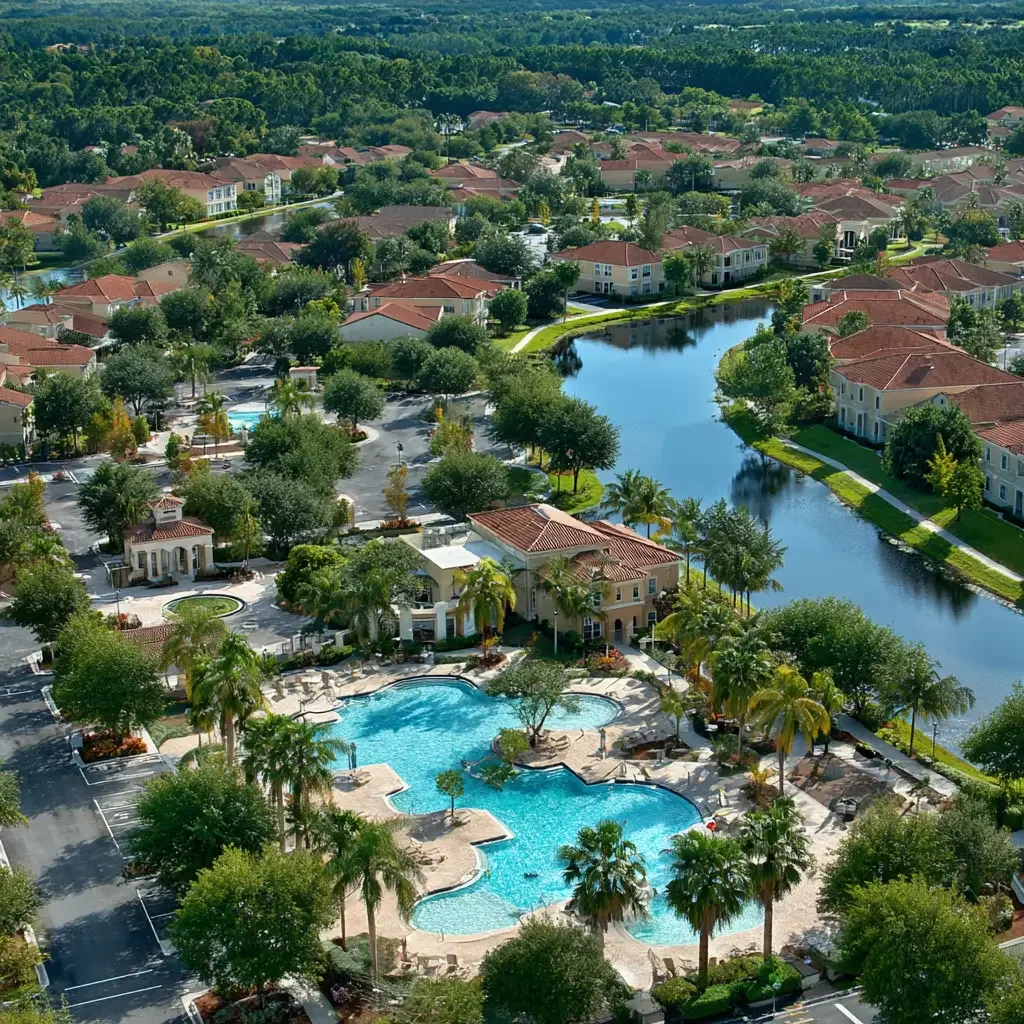
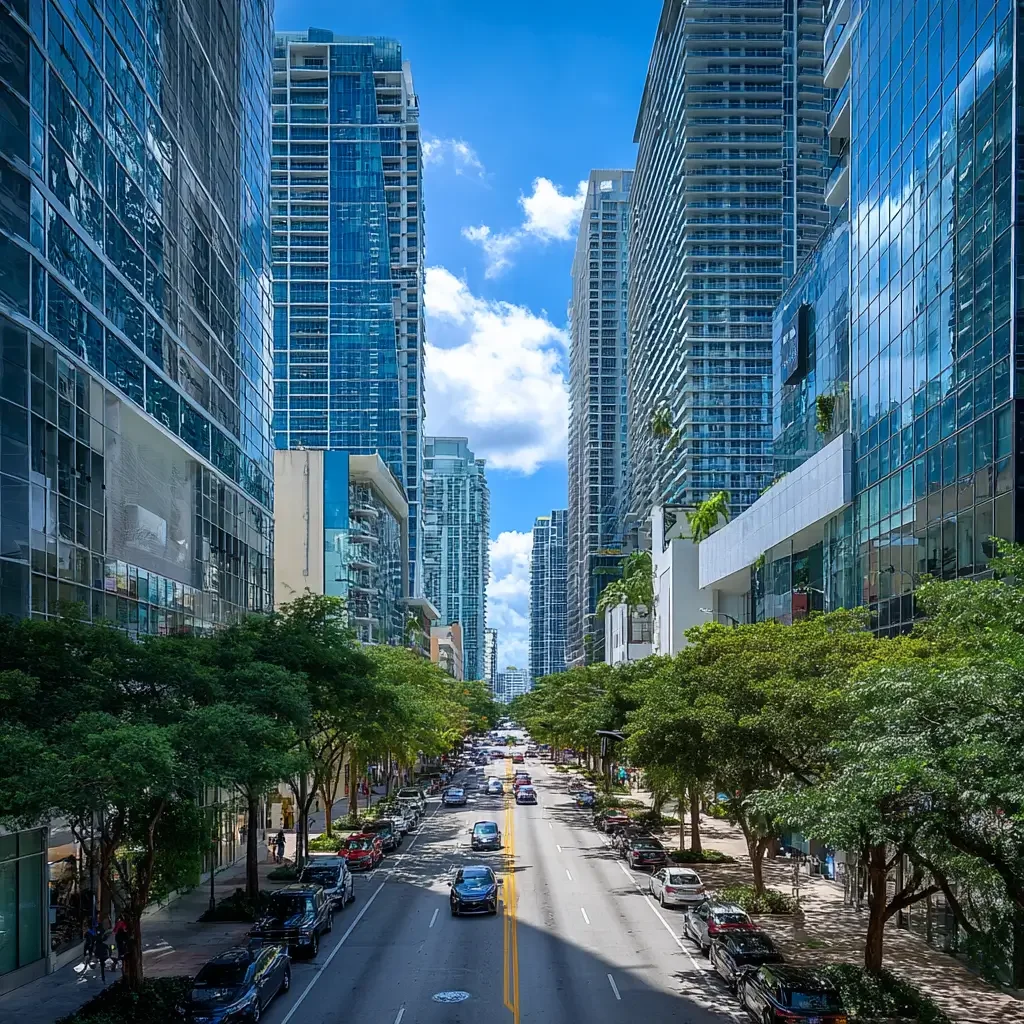

Areas We Serve for HOA & Condo Association Claims
Florida has more condominium units than any other state, and the bulk of our HOA claim work happens there — but every state we operate in has its own condominium statute and master-policy traditions. Below is the breakdown of the major HOA and condo association markets where we handle the highest volume of claims.
Florida
License #G199012 · Chapter 718 fluency
Southwest Florida Condo Market
Naples, Fort Myers, Cape Coral, Bonita Springs, Marco Island, Sarasota, Collier County, Lee County
Southeast Florida & Gold Coast
Miami, Fort Lauderdale, West Palm Beach, Boca Raton, Hollywood, Hallandale Beach
Treasure Coast
Central & North Florida
Panhandle Condo Communities
Minnesota
License #40962416 · Chapter 515B fluency
Twin Cities Condo & Townhome Communities
Minneapolis, St. Paul, Bloomington, Plymouth, Maple Grove, Minnetonka, Brooklyn Park, Hennepin County, Washington County
Florida-Focused Resource
Florida-specific HOA claim issues — Chapter 718 board responsibilities, hurricane deductibles on master policies, post-Surfside structural assessments, and the SB 4-D and SIRS milestone inspection rules — are covered in depth on our dedicated Florida HOA Insurance Claims page.
HOA & Association Property Types We Handle
"HOA" is shorthand for a wide range of community-association property types, each with its own governance structure, insurance form, and master-policy tradition. The cards below cover the association property classes we represent most often across Florida, Minnesota, and Wisconsin.
High-Rise Condominium Associations
Multi-story condo towers — particularly Florida coastal high-rises — drive the largest HOA claim losses we handle, with elevators, parking decks, and common-area systems that single-family adjusters routinely undervalue.
High-rise condo claims involve damage that residential adjusters are not trained to scope: elevator system corrosion after saltwater intrusion, parking deck post-tensioning damage, lobby and common-area finish replacement at commercial-grade pricing, balcony rail and railing system failures, and the extensive HVAC, electrical, and plumbing infrastructure that runs through common areas. We coordinate with structural engineers, elevator inspectors, and the right specialty contractors so the master-policy claim captures the full scope of common-element damage rather than the narrow scope a desk adjuster will write from photos.
Low-Rise & Garden-Style Condo Communities
Two- to four-story condo communities with multiple buildings on a shared site face their own claim complexity — multiple separate buildings under a single master policy, shared site infrastructure, and per-building damage variation.
Garden-style condos common across Florida's mid-tier coastal markets and Minnesota and Wisconsin suburban developments have damage profiles that differ building by building after a storm event. Some buildings take a direct hit, others are unaffected. Carriers often try to apply policy deductibles building-by-building when the master policy actually treats the loss as a single occurrence, or vice versa, depending on which interpretation favors the carrier. We document each building's damage separately, file the claim under the correct deductible structure, and ensure the per-building variance is reflected in the settlement rather than averaged into a low generic estimate.
Townhome & Row-House Associations
Townhome communities split coverage between master policies covering exterior and shared elements and individual unit owner policies covering interiors — and the line between the two is the most common source of dispute.
Townhome master policies typically cover roofing, siding, foundation, and shared common elements, while individual unit owners insure interiors and improvements. When a roof failure or wind damage event sends water into multiple units, every involved owner files an individual claim alongside the master claim, and carriers exploit the boundary to deflect responsibility. We coordinate the master claim with downstream individual claims, document the damage chain so the master policy pays the structural recovery, and help individual unit owners pursue interior damage and contents under their own policies without leaving recovery on the table. When water moves from one unit into another, start with who is responsible for HOA water damage.
Single-Family Home HOAs
Master-planned single-family communities operate differently from condos — the master policy typically covers only common areas, amenities, and shared infrastructure, with each home insured separately by the owner.
For single-family HOAs, the master policy covers entry signage, fences, the clubhouse, swimming pools, common-area landscaping, retention ponds, and the streets and infrastructure the association maintains. When a hurricane or storm damages those common elements, the association files a single master claim for the shared damage. Individual homeowners file their own claims for their houses. We represent both sides — the association on the master claim and individual homeowners on their separate property losses — and coordinate where damage spans the boundary (a downed tree from common-area landscaping that damages a homeowner's property creates overlapping liability and coverage questions).
Mid-Rise & Mixed-Use Condo Buildings
Buildings combining ground-floor retail with residential condo floors above involve a master policy that crosses commercial and residential coverage forms simultaneously.
Mixed-use condo buildings are increasingly common in Naples, Miami, Minneapolis, and Madison urban cores. The master policy typically covers the entire structure including the commercial ground floor, but separate retail tenant policies and individual residential HO-6 policies layer on top. When a single damage event affects retail and residential simultaneously, claim coordination becomes the deciding factor in whether the recovery is complete or fragmented. We file the master claim, coordinate with retail tenant claims under their commercial leases, and ensure the residential side is covered under the correct master-policy structure.
Coach Home & Carriage Home Communities
Florida's coach home and carriage home communities are a hybrid between condo and townhome — typically detached or paired structures with shared exterior maintenance under a master policy.
Coach home communities common across Naples, Bonita Springs, Estero, and Fort Myers operate under master policies that cover roofing and exterior structure, while individual owners insure interiors. After Hurricane Ian and similar events, these communities saw widespread roof damage where the master policy paid the roofs and individual HO-6 policies paid interior water damage. We've handled this exact pattern repeatedly and know the carrier playbook for shifting interior damage to unit owner policies that should not be the primary source of recovery for storm-related loss.
Active Adult & 55+ Communities
Age-restricted communities — common across Florida and increasingly across MN/WI — have specific federal compliance, accessibility, and reconstruction requirements that affect post-loss rebuild scope.
55+ communities operating under the Housing for Older Persons Act (HOPA) have specific community rules and amenity standards that affect reconstruction after a covered loss. Master policies typically cover extensive amenities — clubhouses, pools, fitness centers, golf cart paths, gates, and landscaping — and the rebuild scope must comply with both federal age-restricted housing standards and the community's own governing documents. We coordinate with HOA boards and property managers to ensure post-loss rebuild reflects all the amenity scope the community is supposed to maintain.
Beachfront & Waterfront Condo Resorts
Beachfront condos in Florida and lakefront condos in Minnesota and Wisconsin have unique exposure profiles — coastal wind and storm surge in FL, ice and freeze damage in MN/WI lakefront properties.
Florida beachfront condos sit in the highest-exposure coastal zones for hurricane and storm surge. Minnesota and Wisconsin lakefront condo communities face freeze-thaw cycle damage to docks, seawalls, and shoreline infrastructure that carriers routinely exclude as gradual deterioration when the actual damage is event-driven. We document both exposure types — saltwater intrusion patterns for coastal properties, freeze-thaw and ice-jacking patterns for lakefront properties — and tie the damage to specific covered events that the master policy must respond to.
Master-Planned Multi-Association Developments
Larger master-planned communities have multiple sub-associations under an umbrella master association, with overlapping insurance coverage that creates complex claim coordination.
Some larger Florida and Twin Cities developments operate with a master association overseeing common-area amenities while individual neighborhoods within the development have their own sub-associations with their own master policies. A single weather event can trigger claims across the master association, multiple sub-associations, and individual unit owners simultaneously. We map the coverage structure across all entities, coordinate the claims so each policy pays its share, and prevent the gap where each association's carrier points at another to avoid full recovery.
HOA & Condo Damage Claims We Specialize In
HOA and condo claims share many damage categories with general property losses, but the carrier playbook is different when the loss spans common elements covered by a master policy versus interior damage that may fall to individual unit owners. The cards below cover the damage types we file most often on association claims across Florida, Minnesota, and Wisconsin.
Hurricane & Tropical Storm Damage
Hurricane claims drive the largest share of HOA losses in Florida — and they are the most contested because hurricane deductibles on master policies are percentage-based and substantial.
Hurricane deductibles on Florida condo master policies are typically 2-5% of the building's insured value, which on a $50M building can produce a $1M-$2.5M deductible per event. Carriers misapply hurricane deductibles to non-hurricane events (tropical storms that never reached hurricane status) and the dollar swing is significant. We pull the official National Hurricane Center storm classification, document wind speeds against the property, and ensure the correct deductible is applied. We also separate wind-driven rain damage from flood damage so the master policy pays the wind component fully.
Water & Flood Damage
Water claims dominate non-hurricane HOA losses — and the wind-vs-flood and master-vs-unit-owner coverage splits are the most contested boundaries in any condo claim.
A burst pipe in a high-rise can affect dozens of units across multiple floors, with the master policy paying for water in common-area walls, pipes, and structural elements while individual HO-6 policies pay for in-unit drywall, flooring, and contents. Carriers exploit the boundary by classifying as much damage as possible under unit owner policies (with their own deductibles and limits) rather than the master policy. We trace water paths, document the source, and file under the correct policy structure for each component of the loss.
Fire & Smoke Damage
Condo fires affect not just the unit of origin but smoke-contaminate dozens of neighboring units, common areas, HVAC systems, and shared infrastructure.
Carriers typically cover the unit of origin and adjacent units quickly, but underpay the smoke contamination claims for upper-floor and lateral units that received soot through shared HVAC and corridors. Common-area smoke damage on the master policy includes hallway drywall, carpet, common HVAC system contamination, and elevator shaft soot infiltration. We coordinate the master claim with individual unit owner claims and bring in industrial hygienists where the contamination zone needs technical documentation the carrier will accept.
Hail Damage
HOA hail claims — particularly Wisconsin and central Minnesota communities — are routinely written off as cosmetic when the underlying roofing system has been functionally compromised.
Granular loss on master-policy roofing systems, dented HVAC condensers in common-area equipment yards, pitted aluminum window frames, and cracked solar panel covers all constitute functional damage. Carriers prefer spot repairs rather than full roof replacement because the dollar difference is significant. We document hail strikes on actual roof surfaces with high-resolution photography, pull historical hail probe data from the closest NWS station, and submit estimates that reflect the full replacement scope the master policy actually owes.
Wind & Tornado Damage
Straight-line wind, tornado, and severe-storm damage on HOA properties combine roof loss, siding damage, fence and outbuilding destruction, and downed-tree common-area exposure.
Carriers frequently classify limb damage and tree removal under separate cosmetic or debris-removal sub-limits within the master policy when the actual policy obligation is broader. We document the full damage chain from a single event, ensure the claim includes debris removal under the applicable sub-limit, and pursue separate components like signage damage, perimeter fencing, pool enclosures, and HVAC condenser damage when downstream from the same storm.
Mold Damage
Mold is excluded under most condo master policies unless the mold results from a covered peril — typically water intrusion that was promptly mitigated by the association.
The carrier's argument is almost always that the association failed to mitigate quickly enough, that the moisture source predates the policy period, or that mold growth indicates pre-existing conditions in shared walls or common-area structure. We tie mold growth to a specific covered event with moisture mapping, environmental testing, and timeline documentation. Where the mold sub-limit applies, we file within the cap and pursue the underlying water claim as a separate covered loss.
Frozen & Burst Pipe Damage
One of the largest categories in our Minnesota and Wisconsin HOA book — particularly in vacant seasonal units, snowbird-owned properties, and partially occupied buildings.
Carriers invoke vacancy provisions in master policies to deny or reduce these claims, arguing that individual units were unoccupied or that heating was inadequate. We document occupancy patterns, heating system function, and the freeze event itself with weather data. Where the master policy covers in-wall plumbing within common-area structure, we pursue that recovery directly. Where the freeze event causes downstream damage to multiple units below the source, we coordinate the master claim with individual unit owner claims for in-unit contents and improvements.
Roof, Parking Deck & Structural Damage
Master policies cover the building envelope — roof, parking decks, structural elements — and these are the highest-dollar components on most condo association claims.
Florida's Surfside collapse and the resulting SB 4-D milestone inspection requirements have changed how carriers and associations approach structural and parking-deck damage claims. Post-tensioning failures, balcony rail anchor corrosion, parking-deck spalling, and roof system aging have entered the normal claim conversation in ways they did not pre-2021. We coordinate with structural engineers, document damage tied to specific covered events rather than gradual deterioration, and ensure the master policy responds rather than the loss being shifted into a special assessment to unit owners.
Theft, Vandalism & Arson
Common-area theft and vandalism (lobbies, fitness centers, mailrooms, pool houses) are covered under the master policy but routinely underpaid on contents and security upgrade scope.
After a vandalism or theft event, carriers commonly underpay contents replacement (lobby furniture, fitness equipment, audio-visual systems, mailroom infrastructure) and resist coverage for security system upgrades that boards reasonably want to install post-event. We document the full common-area contents inventory, file under the right coverage form for each component, and pursue the security-upgrade scope where policy language and reasonable mitigation principles support it.
Master Policy Coverage Explained
The single most consequential piece of every HOA and condo claim is figuring out which damage falls under the association's master policy and which falls under individual unit owners' separate policies. The boundary depends on how the master policy is written, what the governing documents say, and how state law allocates responsibility. The sections below break down what actually decides where each dollar of damage gets paid.
The Three Master Policy Structures
Every HOA master insurance policy falls into one of three coverage structures. The structure determines what the association's policy covers and what the individual unit owner is responsible for insuring under their HO-6 policy.
Bare Walls-In
The master policy covers the building structure, exterior, and common areas only — everything inside the unit, including drywall, flooring, cabinets, fixtures, and appliances, falls to the individual unit owner's HO-6 policy. Unit owners face the highest personal coverage burden under bare walls-in. Most older condo associations operate under this structure, and it is the carrier's preferred allocation when a damage event sends water or smoke into multiple units.
Single Entity (Original Specifications)
The master policy covers the entire building "as originally constructed by the developer" — including original drywall, flooring, cabinetry, and fixtures, but excluding any improvements or upgrades the unit owner has made. The unit owner's HO-6 covers improvements, betterments, and personal property only. Single entity is the most common structure on newer Florida condo associations and can substantially shift recovery from individual unit owners to the master policy.
All-In (All-Inclusive)
The master policy covers the entire building including all unit improvements, upgrades, and fixtures the current unit owner has installed. Unit owner HO-6 policies are limited primarily to personal contents and loss assessment. All-in coverage is the most policyholder-friendly structure but is increasingly rare on Florida coastal high-rises as carriers reduce coverage breadth in exchange for premium pricing.
Where Carriers Underpay HOA Claims
The five most common carrier tactics on HOA and condo association claims:
Misclassifying the Master Policy Structure
Carriers default to bare walls-in interpretations even when the master policy is written as single entity or all-in. We pull the actual master policy declarations and confirm the coverage structure before a single dollar is allocated.
Shifting Damage to Unit Owner Policies
When the master policy should cover in-unit damage under the policy structure, carriers reclassify damage as unit-owner responsibility to push the loss off the master policy. We trace the damage source and document the policy obligation directly.
Applying Hurricane Deductibles to Non-Hurricane Events
Florida law requires insurers to offer hurricane deductibles of $500, 2%, 5%, and 10% of the dwelling limits (Fla. Stat. 627.701), and on a large condo building the percentage options run into the millions. Carriers misapply hurricane deductibles to tropical storms and severe weather that never reached hurricane status. We pull the official storm classification and challenge improper deductibles.
Spot Repairs Instead of Full Component Replacement
On roofs, parking decks, and common-area systems, carriers prefer spot repairs to extend the life of the component when full replacement is what the policy actually owes. We document the functional damage and submit replacement-scope estimates that reflect the master policy's actual obligation.
Forcing Special Assessments to Cover Carrier Underpayment
When the master claim settles below the actual loss, the association is left with a coverage gap — typically funded through a special assessment to unit owners. We push the master-policy settlement up to its actual obligation rather than letting the carrier's underpayment become a board governance crisis.
The Loss Assessment Coverage Most Unit Owners Forget
When a covered loss exceeds the master policy's limits or falls into a coverage gap, the association may levy a special assessment to unit owners to fund the difference. Most individual HO-6 policies include a loss assessment endorsement (typically $1,000 to $50,000) that pays the unit owner's share of an association-levied special assessment for a covered cause of loss. This endorsement is routinely overlooked. Our condo master policy deductible calculator sizes a unit owner's likely share before a loss happens, and on an open claim we identify when loss assessment coverage applies, calculate the unit owner's share of the assessment, and pursue recovery under the HO-6 policy in addition to whatever direct unit-owner damage was paid.
The Foundation of Every Association Claim
Every HOA claim begins with a careful read of the master policy declarations, the association's governing documents (declaration of condominium, bylaws, amendments), and the applicable state condominium statute. Skip this step and the claim is built on assumptions about coverage that do not match what the policy and the law actually say. We pull all three documents on every association engagement before scoping the loss — because the boundary between master and unit owner coverage is not negotiable, but the carrier's interpretation of that boundary often is.
Why HOA Claims Need a Public Adjuster
HOA and condo association claims sit at the intersection of property insurance, association governance, state condominium statutes, and individual unit-owner rights. The dollar exposure is large, the policy structure is layered, and a board that mishandles the claim faces fiduciary-duty exposure to unit owners. Professional representation on the policyholder side is the standard rather than the exception on serious association losses.
Master Policies Are Not Homeowners Policies
Condo master policies use commercial coverage forms with their own deductibles, sub-limits, exclusions, and coverage triggers — and most desk adjusters are not commercial-form fluent.
A residential adjuster who has not worked condo master policies regularly will miss coverage that a master-policy-fluent public adjuster identifies on a first read. Endorsements like ordinance-or-law, equipment breakdown, water damage extensions, and the master-policy structure itself (Bare Walls-In, Single Entity, All-In) all change the recovery math, and each has its own claim-handling rules.
Fiduciary Duty to Unit Owners
An HOA board has a fiduciary duty to maximize insurance recovery — accepting an inadequate carrier offer can expose individual board members to claims from unit owners.
When the master policy underpays a covered loss, the difference is typically funded through a special assessment to unit owners. That assessment becomes a board governance issue, and unit owners increasingly hold boards accountable for not pushing the master policy to its full obligation. Engaging a public adjuster on a serious association loss is itself part of how boards demonstrate they have met their fiduciary duty to maximize recovery before turning to assessments.
Multi-Policy Coordination Is the Norm
A single condo damage event can trigger the master policy, dozens of individual HO-6 policies, retail tenant policies in mixed-use buildings, and umbrella coverage simultaneously.
Each policy has its own deductible, coverage trigger, claim-filing requirements, and carrier. Coordinating recovery across multiple policies — without letting one carrier point at another to avoid paying — is itself a specialty. We file the master claim and coordinate with individual unit owners on their separate filings, ensuring the full damage scope is recovered across the right policies rather than concentrated unfairly on any one party.
State Statute Compliance Is Mandatory
Florida Chapter 718, Minnesota 515B, and Wisconsin 703 each impose specific obligations on associations during the claims process — and missed obligations can void coverage.
Notice requirements to unit owners, board approval thresholds for claim settlement, and special assessment procedures are all state-statute-driven. Florida's SB 4-D milestone inspection requirements have added structural integrity reserve study (SIRS) implications to every Florida condo claim involving structural elements. We work the claim within the relevant statutory framework so the association remains compliant while pursuing the full master-policy recovery.
Documentation Window Closes Faster on Multi-Unit Buildings
Every day a condo building remains in damaged condition, more unit owners accept individual settlements that fragment the master claim — and the master policy's leverage erodes.
Once individual unit owners settle their HO-6 claims and sign releases, those settlements anchor the carrier's overall view of the loss. The master policy claim then has to fight against a baseline already established by smaller individual settlements. We move quickly to document the full master-claim scope before the individual unit settlements lock in a low overall valuation.
Cost-Benefit Math Strongly Favors Engagement
Public adjuster fees on HOA claims are contingent — a percentage of the additional recovery beyond what the carrier would have paid without representation.
On a typical condo association master-policy claim, the difference between a represented and unrepresented outcome is often six or seven figures. The public adjuster fee is calculated on the recovery itself, not paid out of association reserves. For boards weighing whether to engage, the question is rarely "can we afford a public adjuster" — it is "can we afford the special assessment that follows when the master claim settles below its actual obligation."
Our HOA & Condo Claim Process
Every association claim we handle moves through a defined sequence designed to maximize master-policy recovery, minimize disruption to residents, and keep the board compliant with state condominium statute and fiduciary obligations to unit owners.
Free Property Inspection and Master Policy Review
We inspect the damaged common areas and affected units, pull the master policy declarations, and review the association's governing documents before scoping a single line item.
There is no fee for this initial inspection. We confirm the master policy structure (Bare Walls-In, Single Entity, or All-In), pull the declaration of condominium and any amendments, and identify the applicable state statute provisions for the loss type. We also flag any milestone inspection or structural integrity reserve study (SIRS) considerations for Florida buildings subject to SB 4-D. If the carrier's likely offer is close to what we believe the master policy actually owes, we will tell the board that and recommend acceptance rather than engagement.
Documentation Across Common Areas and Affected Units
We document the full damage scope across common elements and individual units, coordinating with property management and the board to access every affected area before mitigation destroys evidence.
Multi-unit buildings require coordinated access — we work with the property manager to inspect every affected unit, document the common-area damage chain (roof to walls to interiors), and pull weather data tied to the loss event. For larger losses, we bring in structural engineers, industrial hygienists, or the right specialty consultants to support claim components the carrier will challenge. All evidence is preserved in a chronological case file accessible to the board for their own records and unit-owner communication.
Coverage Analysis and Master Claim Construction
We map every dollar of damage to the correct policy — master, individual unit owner, retail tenant — and construct the master claim using the right deductible, sub-limit, and endorsement structure.
This is where the master-policy structure (Bare Walls-In vs Single Entity vs All-In) determines the recovery math. We confirm which damage components fall under the master policy under the actual policy language, identify any endorsements that affect coverage (ordinance-or-law, equipment breakdown, water damage extensions), and prepare the claim package using local contractor pricing rather than national averages. We also identify which individual unit owners need to file separate HO-6 claims and what loss assessment coverage may apply.
Filing, Negotiation, and Carrier Pressure
We file the master claim and represent the association in every interaction — carrier adjusters communicate through us, not directly with board members or property managers.
We attend every site inspection on the association's behalf, respond to every document request within statutory deadlines, and challenge every coverage decision the carrier makes that does not match the policy or the applicable state statute. Where the carrier slow-walks, low-balls, or applies coverage analyses that conflict with the master policy, we apply pressure through formal demands, regulatory complaints, and statutory notices. In Florida, this includes Civil Remedy Notices under Statute 624.155. In Minnesota, Department of Commerce complaints. In Wisconsin, Office of the Commissioner of Insurance complaints.
Board Communication and Unit Owner Coordination
We provide the board with regular claim status updates suitable for distribution to unit owners, and coordinate individual unit owner claims so the master claim is not undermined by fragmented settlements.
Boards have a fiduciary duty to keep unit owners informed about the claim. We provide written status updates the board can adapt for unit-owner communication, attend board meetings when needed, and answer unit owner questions through the board or property manager. We also coordinate with individual unit owners on their separate HO-6 claims so the timing and scope of those filings reinforces rather than undermines the master claim.
Settlement, Appraisal, or Litigation Pathway
Most master-policy claims settle through direct negotiation. Where they don't, the next step depends on whether the dispute is about value or coverage.
If the disagreement is about the dollar value of the loss, we invoke the appraisal clause that exists in most condo master policies — each side selects an appraiser, the two appraisers select a neutral umpire, and any two of three reach a binding decision. Where the dispute is about coverage itself (whether the loss is covered at all, or whether master vs unit-owner allocation is correct), our claim file becomes the evidence base for an insurance attorney to take the case forward. We do not practice law, but the documentation we build is exactly what attorneys need to file successfully.
Settlement Collection, Supplemental Filings, and Recoverable Depreciation
The claim is not closed when the carrier issues an initial payment — supplemental damage discovered during repairs and recoverable depreciation continue past the first check.
Many association losses develop additional damage as repairs proceed and contractors uncover hidden conditions. We file supplemental claims as new damage is identified, ensure recoverable depreciation is collected after repairs are complete (most master policies pay actual cash value first and recoverable depreciation upon proof of repair), and pursue any extended business income or loss-of-rents components. Our engagement does not end when the first check arrives; it ends when the file is fully resolved and the association's special assessment exposure has been minimized.
State-Specific HOA & Condo Claim Considerations
Condominium and HOA insurance is regulated by state condominium statutes that differ substantially across our three states. Click each state below to expand the specific HOA claim rules that apply.
Florida operates under the Florida Condominium Act (Chapter 718) and has more condominium units than any other state. The statutory framework drives nearly every aspect of how condo association claims are filed, settled, and assessed:
- Florida Statute 718.111(11) requires associations to maintain insurance on the building structure, common elements, and certain unit-related components depending on the master policy structure. Carriers and associations frequently dispute the boundary between master-policy obligation and unit-owner responsibility, and the statute provides the framework for resolving those disputes.
- SB 4-D and Structural Integrity Reserve Studies (SIRS). Following the Surfside collapse, Florida enacted SB 4-D requiring milestone inspections at 25 and 30 years and structural integrity reserve studies for buildings three stories or higher. Damage claims involving structural elements now intersect with SIRS findings, and carriers increasingly use SIRS data both ways — to support and to challenge claim validity.
- Florida Statute 627.70131 requires insurers to acknowledge a claim within 7 calendar days, begin investigating within 7 days of receiving proof of loss, and pay or deny within 60 days — with the Office of Insurance Regulation able to grant additional time during a Governor-declared state of emergency.
- Florida Statute 627.70132 sets the deadline for filing a new or reopened claim at one year from the date of loss, with supplemental claims allowed within 18 months. These deadlines apply to commercial master-policy claims just as they apply to residential.
- Florida Statute 626.854 caps public adjuster fees at 10% of recovery for claims filed within twelve months of a Governor-declared emergency and 20% for all other claims.
- Florida Statute 624.155 creates the bad-faith framework. A Civil Remedy Notice gives the carrier 60 days to cure a violation before opening the door to a bad-faith lawsuit for damages beyond policy limits.
- Hurricane deductibles on Florida master policies are typically 2-5% of the building's insured value. On a $50M building, that produces a $1M-$2.5M deductible per event. The deductible only triggers on a National Hurricane Center–classified hurricane — not tropical storms or severe weather. Carriers regularly misapply hurricane deductibles to non-hurricane events.
- Special assessment authority. Chapter 718 governs how associations can levy special assessments to cover insurance shortfalls. The board's fiduciary duty to maximize master-policy recovery before resorting to assessments is central to how unit owners evaluate board performance after a major loss.
Minnesota condominium and common interest community claims are governed by the Minnesota Common Interest Ownership Act (Chapter 515B). The framework differs from Florida in several important respects:
- Minnesota Statute 515B.3-113 sets the master policy insurance requirements for common interest communities. Unlike Florida's tighter mandatory coverage thresholds, Minnesota's framework gives associations more flexibility in how master-policy coverage is structured — but the same flexibility creates more potential for unintended coverage gaps that surface after a loss.
- Minnesota Statute 72A.201 establishes the Unfair Claims Practices framework, which prohibits insurers from misrepresenting policy provisions, failing to investigate promptly, denying without reasonable basis, or compelling litigation by offering substantially less than the loss amount. We use this framework to apply pressure on slow-walked or low-balled Minnesota condo claims.
- Public adjuster fee structure. Minnesota does not impose a statutory percentage cap on public adjuster fees, but MN Stat. 72B.135 requires a written contract with full fee disclosure and provides the policyholder a 72-hour cancellation right. Our Minnesota HOA engagement letter sets the exact percentage in writing before any work begins.
- Frozen pipe and ice-related losses. Minnesota's winter freeze season drives a meaningful share of our HOA book — particularly in seasonal condo communities, snowbird-owned units, and partially occupied buildings where heating thresholds are reduced. Carriers invoke vacancy provisions aggressively on these claims; we challenge vacancy denials when the building maintained the heating standard the master policy actually requires.
- Twin Cities urban condo and townhome density. Downtown Minneapolis and St. Paul condo high-rises plus the suburban townhome and garden-style condo developments across Bloomington, Edina, Plymouth, Maple Grove, and Minnetonka create the majority of our Minnesota HOA work. Each operates under its own master policy structure with its own coverage quirks.
- Greater Minnesota lakeside condos. Lakefront condo communities across Brainerd, Bemidji, and the Iron Range face freeze-thaw, ice-jacking, and seasonal flooding patterns carriers routinely exclude as gradual deterioration. We document these as event-driven losses tied to specific covered weather events.
Wisconsin condominium and common interest community claims are governed by the Wisconsin Condominium Ownership Act (Chapter 703). The framework has its own distinct features:
- Wisconsin Statute 703.17 governs master-policy insurance requirements for condominium associations. The required coverage structure and the boundary between master and unit-owner coverage differ from Florida and Minnesota in subtle but consequential ways that carriers exploit when they default to interpretations from other states.
- Wisconsin Office of the Commissioner of Insurance (OCI) oversight. The OCI regulates claim handling and provides a formal consumer complaint process. We file complaints when carrier behavior crosses into unfair claim practice territory under Wisconsin law.
- Hail and severe-weather exposure. Eastern and central Wisconsin sit in a high-hail-frequency corridor, and condo and townhome roofing claims dominate our Wisconsin HOA book. Carriers routinely classify hail damage as cosmetic when the actual functional life of the master policy's roofing system has been shortened.
- Frozen pipe and ice-dam season. Like Minnesota, Wisconsin's freeze claims dominate the winter quarter. Ice dam damage on multi-unit condo buildings — particularly with flat-or-low-slope roofs — is a separate damage category requiring specific documentation tying the dam formation to a covered weather event. Master policies typically cover ice dam damage when documented correctly.
- Milwaukee, Madison, and Green Bay metro condo claims. Urban condo and townhome claims in Wisconsin's three largest metros come with the same density-driven complications as Twin Cities and Florida claims — tenant coordination on mixed-use buildings, ADA reconstruction, and access disruption during repairs.
- Lakefront and resort condo communities. Wisconsin's lake country (Door County, Lake Geneva, Hayward area, the Northwoods) has a meaningful concentration of lakefront condo and resort communities with seasonal occupancy patterns. Vacancy provisions, freeze-thaw exposure, and seasonal-use master policies create unique claim handling considerations.
Some property management companies and association management firms oversee portfolios spanning two or three of our states — particularly Florida-based snowbird condo communities with parallel buildings in Minnesota or Wisconsin, regional management companies serving the upper Midwest, and developer-affiliated multi-state portfolios. Multi-state HOA claim coordination requires an adjuster team that understands all three condominium statutes, not just one. Most public adjusting firms are licensed in a single state. Shoreline is licensed in all three, which means a multi-state association portfolio can be handled under a single engagement letter rather than coordinating across multiple firms with different fee structures, different statutory frameworks, and different incentives.
Why Choose Shoreline for HOA & Condo Claims
HOA and condo association claims are layered, statute-driven, and politically sensitive. The board needs an adjuster who can navigate the master-policy structure, the state condominium act, and the unit-owner communication piece — not just file paperwork with a carrier. Shoreline is built for this work.
Licensed Across Three States With Statute Fluency in All Three
We hold active public adjuster licenses in Florida (#G199012), Minnesota (#40962416), and Wisconsin (#21156868) — and we operate fluently in the Florida Condominium Act (Chapter 718), the Minnesota Common Interest Ownership Act (Chapter 515B), and the Wisconsin Condominium Ownership Act (Chapter 703). For property management companies and association management firms with multi-state portfolios, that means one engagement letter, one consistent claim approach, one team that already knows each state's framework. Most public adjusting firms are licensed in a single state and either decline multi-state HOA work or refer it out.
Master Policy Specialty: Bare Walls-In, Single Entity, All-In
The master policy structure determines everything about an HOA claim. We work fluently across all three structures, pull the actual master policy declarations on every engagement, and confirm the correct allocation before a single dollar is scoped. Carriers default to the most restrictive interpretation of the master policy structure when given the chance — we hold them to what the policy and the state statute actually require.
Florida Concentration in the Largest Condo Market in the U.S.
Florida has more condominium units than any other state, and our Naples headquarters sits in the highest-density coastal condo market. We have worked Florida master-policy claims through every major hurricane event since the firm was founded, navigated the post-Surfside SB 4-D regulatory shift, and understand how Florida-specific carrier behavior differs from Minnesota and Wisconsin practices. Our dedicated Florida HOA Insurance Claims page covers the FL-specific deep-dive in detail.
Loss Assessment Endorsement Specialty
When the master policy underpays a covered loss, the association levies a special assessment to unit owners — and most individual HO-6 policies include a loss assessment endorsement that pays the unit owner's share of that assessment. Most public adjusters miss this entirely. We identify when loss assessment coverage applies, calculate the unit owner's share, and pursue HO-6 recovery in addition to whatever direct unit-owner damage was paid. This is one of the most overlooked sources of recovery on association losses.
Contingency-Only Fee Structure With Statutory Caps
Every Shoreline HOA engagement is contingent on recovery. We do not bill hourly, we do not require retainers, and the association owes nothing if the claim produces zero recovery.
- Florida: 10% of recovery during the twelve months following a Governor-declared emergency, 20% otherwise (FL Statute 626.854)
- Minnesota: 10% of the entire settlement, regardless of claim type
- Wisconsin: Capped under OCI rules — typically 10% to 12.5%
The exact percentage is fixed in writing in the engagement letter before any work begins, and the association has a 10-business-day right to cancel at no cost.
Featured in National Media for Insurance Claim Expertise
Shoreline has been featured in Forbes, Realtor.com, Investopedia, Insurance.com, and MarketScale as a trusted source on insurance claim strategy. The press placement is the consequence of actual claim outcomes, not paid placement, and it means carriers recognize Shoreline's name and standards from the first call. Our team also holds memberships in NAPIA and FAPIA, the two leading professional associations for public adjusters in the country.
Board-Friendly Communication and Documentation
Boards have a fiduciary duty to keep unit owners informed. We provide written claim status updates suitable for distribution to unit owners, attend board meetings when needed, and answer unit owner questions through the board or property manager. The claim file we maintain is structured to support board governance — clear chronology, decision-maker accountability, and a defensible record of why the master claim was pursued the way it was.
HOA & Condo Claim Frequently Asked Questions
Common questions from condo associations, HOA boards, property managers, and unit owners across Florida, Minnesota, and Wisconsin about master-policy claims, coverage allocation, and statutory rights.
The master policy is the insurance the HOA or condo association maintains on the building structure, common elements, and (depending on the master policy structure) certain unit-related components. Individual unit owners maintain their own HO-6 policies covering interior contents, improvements, personal property, and loss assessment. The boundary between what the master policy covers and what the unit owner is responsible for depends on the master policy structure (Bare Walls-In, Single Entity, or All-In), the association's governing documents, and the applicable state condominium statute. Confusion at this boundary is the most common source of dispute on every condo claim.
The three structures are Bare Walls-In (most restrictive, master policy covers structure and common areas only), Single Entity (master policy covers original specifications including original drywall, fixtures, and cabinetry), and All-In (master policy covers everything including unit owner improvements and upgrades). To determine which applies to your association, pull the master policy declarations and review the coverage description, then cross-reference against the declaration of condominium and bylaws. Many older associations operate under Bare Walls-In; newer Florida associations are typically Single Entity. We pull and confirm this on every engagement before scoping a loss.
Both, in most cases. The association files the master policy claim for damage to common elements and structure. Individual unit owners file their own HO-6 claims for damage to interior improvements, contents, and any loss assessment they receive. The two claims are filed in parallel and need to be coordinated so the master claim and the individual claims reinforce rather than fragment each other. We represent associations on master claims and individual unit owners on HO-6 claims, including the loss assessment endorsement that pays a unit owner's share of any special assessment levied to cover master-policy shortfalls.
Florida condo master policies typically carry hurricane deductibles structured as a percentage of the building's insured value — usually 2% to 5%. On a $50 million building with a 3% deductible, the association pays $1.5 million before the master policy starts paying. The deductible only triggers on a National Hurricane Center–classified hurricane — not tropical storms or severe weather events that never reached hurricane status. Carriers regularly misapply hurricane deductibles to non-hurricane events, and the dollar swing on a large condo building can run into seven figures. We pull the official storm classification and ensure the correct deductible is applied.
Loss assessment coverage is an endorsement on individual unit owner HO-6 policies that pays the unit owner's share of a special assessment levied by the association to cover insurance shortfalls. Most HO-6 policies include this endorsement at $1,000 to $50,000, though it can be increased. When the master policy underpays a covered loss and the association levies a special assessment to cover the gap, unit owners can pursue recovery under their HO-6 loss assessment coverage in addition to whatever direct unit-owner damage was paid. Most public adjusters miss this entirely. We identify when loss assessment applies and pursue the recovery directly.
An HOA board has a fiduciary duty to act in the best interests of the association and to maximize insurance recovery before resorting to special assessments. While no statute requires hiring a public adjuster, courts and unit owners increasingly view engagement as part of how boards demonstrate they have met their fiduciary duty on serious losses. When a board accepts a carrier offer significantly below the actual loss value without engaging professional representation, individual board members can face challenges from unit owners — particularly if a special assessment follows. Engaging a public adjuster is itself a defensible record of the board's effort to maximize recovery.
Florida SB 4-D, enacted after the Surfside collapse, requires milestone inspections at 25 and 30 years and structural integrity reserve studies (SIRS) for buildings three stories or higher. The law has changed how carriers and associations approach structural-element claims. Carriers increasingly request SIRS data during claim adjustment to identify pre-existing structural conditions they can use to reduce coverage. Conversely, associations can use SIRS findings to support claims for storm-related damage to structural elements. Every Florida condo claim involving structural components now intersects with SIRS in some form. We coordinate the master claim with the association's SIRS and milestone inspection records to ensure the carrier's SIRS analysis does not unfairly reduce recovery.
Straightforward HOA claims with strong documentation can settle in 90 to 180 days. Larger or more complex losses — multi-building damage, contested master-policy structure, hurricane-driven catastrophes with widespread carrier backlog, or claims requiring appraisal — often run 12 to 18 months. Florida's 60-day statutory pay-or-deny window (with additional time available during Governor-declared emergencies) sets the floor for initial response, but final settlement on a complex association loss almost always extends past that window. The biggest factor in compressing the timeline is documentation quality on the front end and avoiding individual unit owner settlements that fragment the master claim before it is filed.
Yes. We routinely take on association claims that have been denied or substantially underpaid. The process starts with a full review of the denial letter or settlement offer, the master policy provisions, and the association's governing documents. We identify whether the carrier's position relied on a misapplication of the master policy structure, an incorrect deductible, missed coverage under an endorsement, or a procedural failure that can be challenged. Where the position is reversible through documentation and pressure, we file a supplemental claim or formal demand. Where the dispute requires legal action, the claim file we build becomes the evidence base for an insurance attorney to pursue coverage litigation.
Carriers frequently invoke maintenance-related exclusions to reduce or deny association claims, arguing that damage resulted from gradual deterioration, lack of maintenance, or pre-existing conditions rather than a covered event. Master policies cover sudden and accidental damage from covered perils, but exclude wear and tear and gradual loss. The dispute typically turns on whether a covered weather or peril event triggered damage that maintenance-related conditions then exacerbated. We document the specific covered event, tie damage chronologically to that event, and challenge maintenance-based denials when the carrier cannot prove the loss would have occurred regardless of the covered peril.
The reserve fund is meant to cover predictable replacement of common elements over time (roofs, paint, parking lot resurfacing), not to fund unexpected insurance shortfalls. When a master claim settles below the actual loss, associations sometimes draw from reserves to cover the gap rather than levying a special assessment immediately. This can affect both the SIRS in Florida (where reserves are now closely scrutinized) and the association's long-term capital planning. We push the master claim to its full obligation specifically to avoid forcing this draw on reserves.
Yes. We hold active public adjuster licenses in Florida, Minnesota, and Wisconsin, which means a multi-state association portfolio (a property management company overseeing condos in FL and MN, a developer-affiliated portfolio across WI and MN, or a regional management firm with mixed-state assets) can be handled under one engagement letter rather than coordinating across multiple firms. One fee structure, one consistent claim approach, one team that understands all three condominium statutes. This is rare in the HOA public adjusting market — most firms are licensed in a single state and either decline multi-state work or refer it out.
Public adjuster fees are contingent — calculated as a percentage of the settlement we collect. Each state caps the percentage by statute. In Florida, the cap is 10% of recovery for claims filed within twelve months of a Governor-declared emergency and 20% otherwise (Florida Statute 626.854). In Minnesota, the cap is 10% of the entire settlement. In Wisconsin, the cap is set by the Office of the Commissioner of Insurance and typically falls between 10% and 12.5%. The exact percentage is fixed in writing in the engagement letter before any work begins, and the association has a 10-business-day right to cancel at no cost. There is no upfront fee and no fee at all if the claim produces zero recovery.
State law in Florida, Minnesota, and Wisconsin prohibits carriers from cancelling, non-renewing, or raising premiums specifically because a policyholder exercised their right to hire a public adjuster. Carriers may still adjust pricing based on the underlying loss itself (a major hurricane claim affects renewability and pricing regardless of who handles it), but they cannot punish the association for using professional representation. If the board is concerned about post-loss market reaction, that is a coverage strategy conversation we can have separately from the claim itself, and we work closely with insurance brokers on placement strategy when needed.