
Fire & Smoke Damage Public Adjuster
Licensed Fire, Smoke & Soot Damage Claim Help Across Florida, Minnesota & Wisconsin
✓ Licensed in FL, MN & WI
✓ Hidden Smoke & HVAC Contamination Specialty
✓ No Fee Unless We Recover
Fill Out the Form Below to Get a Free Fire Damage Claim Review:
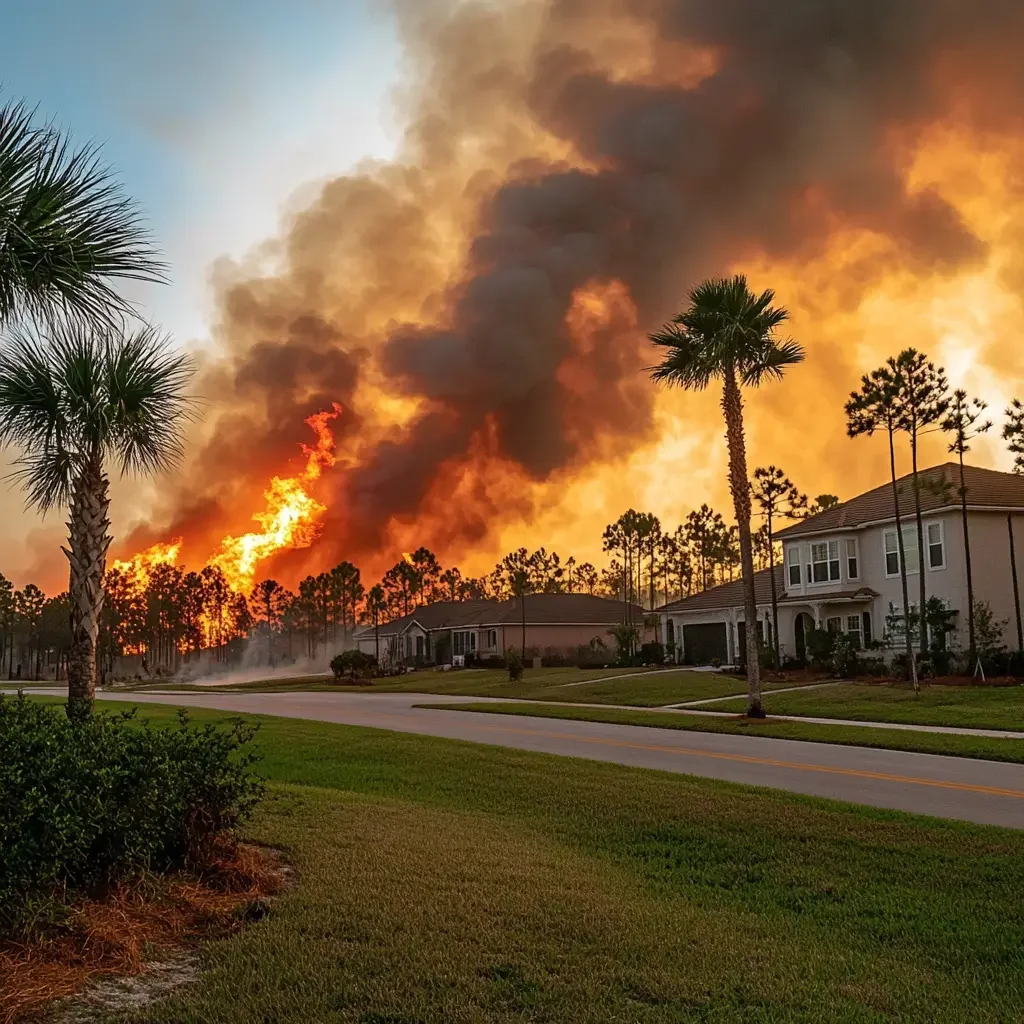
Fire claims look simple from the outside — visible structural damage gets repaired, contents get replaced, the policy pays. The reality is far more layered: smoke contamination spreading well beyond the burn zone, HVAC systems pushing soot through every room, post-fire water damage from sprinklers and suppression activity, mold growth in moisture-saturated framing, and contents that off-gas particulate for months after the event. We represent fire claim policyholders across all three states we operate in, and we work on contingency, so you owe nothing unless we recover money on your claim.






As Seen On:







Get Your Free Fire & Smoke Claim Review

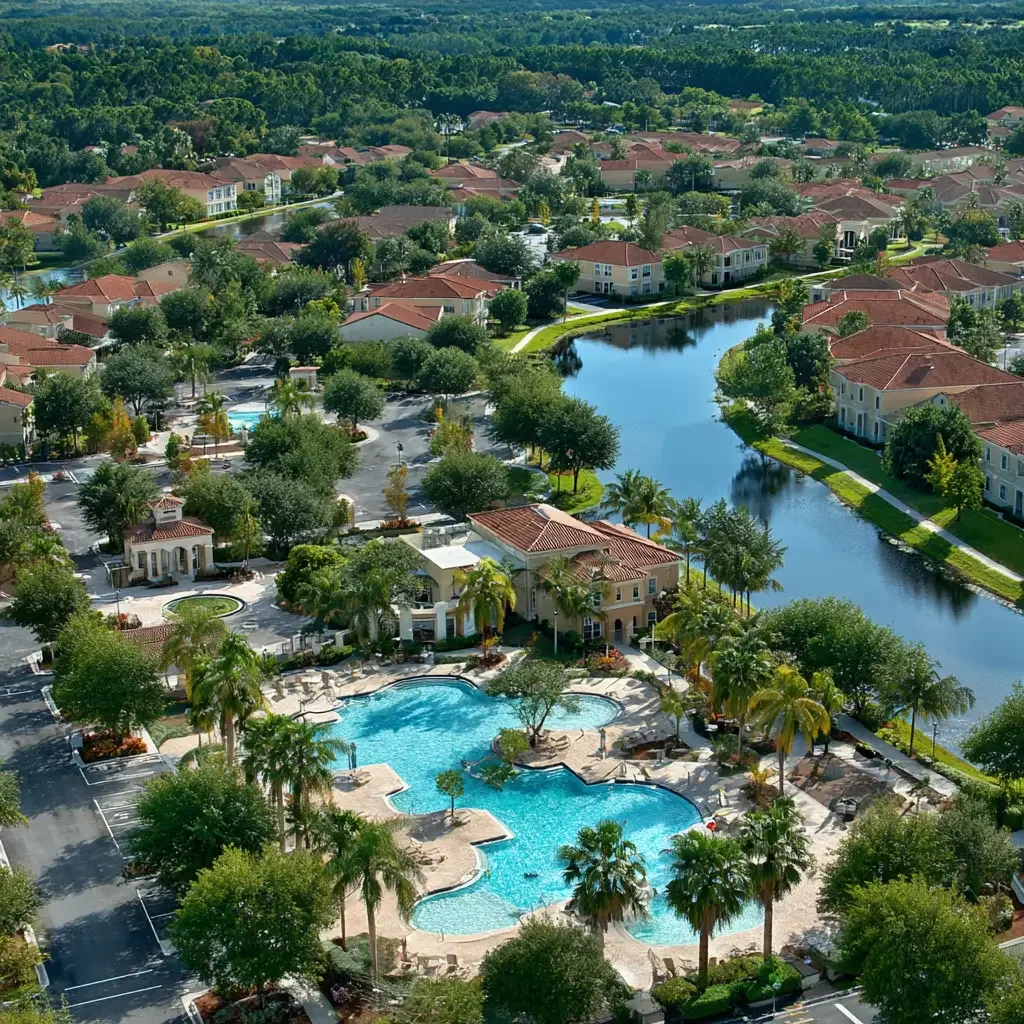

Areas We Serve for Fire & Smoke Damage Claims
Fire and smoke damage claims happen year-round across our three states, but the patterns differ — Florida sees post-storm electrical fires and wildfire exposure across the Panhandle and Everglades fringe, while Minnesota and Wisconsin see heating-system, candle, and frozen-pipe-related fires concentrated in winter months. We handle fire claims throughout every county we are licensed in.
Florida
License #G199012
Southwest Florida
Naples, Fort Myers, Cape Coral, Bonita Springs, Marco Island, Sarasota, Collier County, Lee County
Southeast Florida & Gold Coast
Miami, Fort Lauderdale, West Palm Beach, Boca Raton, Hollywood
Central & North Florida
Florida Panhandle
Minnesota
License #40962416
Twin Cities Metro
Minneapolis, St. Paul, Bloomington, Plymouth, Maple Grove, Minnetonka, Brooklyn Park, Hennepin County
Multi-State Fire Claim Coordination
Property owners and businesses with operations in more than one of our states — restaurant chains, multifamily portfolios, hospitality groups, snowbird residential owners — get fire claims handled under a single engagement letter rather than coordinating across multiple firms. One fee structure, one consistent claim approach, one team that understands all three regulatory frameworks.
Types of Fire & Smoke Damage We Handle
Every fire claim has a cause of loss, and the cause matters because it determines coverage, the documentation needed, and the carrier's likely defense. The cards below cover the fire and smoke damage scenarios we file most often across Florida, Minnesota, and Wisconsin — and the specific tactics carriers use to minimize each one.
Kitchen & Cooking Fires
Cooking fires are the leading residential fire cause across all three states — and the resulting smoke contamination is routinely underpaid because the visible burn zone is small.
A grease fire on a stovetop produces a small visible burn area but spreads heavy oil-based soot through the entire kitchen, into adjacent cabinets and contents, into HVAC return air, and into rooms throughout the home. Carriers often pay for the visible damage and resist the smoke contamination scope. We document the soot zone with industrial hygienist sampling, identify HVAC contamination that requires duct cleaning or replacement, and ensure the contents claim captures off-gassing and odor remediation that visual inspection misses.
Electrical Fires
Wiring failures, panel arcs, and appliance shorts trigger electrical fires that often appear small but produce significant smoke damage and require code-mandated rewiring.
Electrical fires are particularly common in older Florida homes (1960s-1980s coastal stock with original aluminum wiring), Minnesota and Wisconsin homes with overloaded panels, and post-storm Florida properties where saltwater intrusion has corroded wiring and appliances months before the fire ignited. Repair scope must include electrician inspection, code-required rewiring of damaged circuits, and ordinance-or-law coverage for upgrades to current code. We document the electrical cause, pull electrician inspection reports, and ensure the carrier pays for the full scope of code-compliant repair rather than spot fixes.
Lightning Strike Damage
A lightning strike can ignite a structure fire, but more often causes invisible electrical damage that surfaces as appliance failures, electronics burnout, and fires weeks or months later.
Florida leads the nation in lightning strikes, and we see lightning damage claims year-round. The visible damage from a direct strike is dramatic — but the indirect damage is often the larger claim. Power surges through the structure damage HVAC compressors, refrigerator and appliance circuit boards, electronics, security systems, garage door openers, pool pumps, and well pumps. Carriers commonly pay for the immediate visible damage and deny the consequential damage that emerges days or weeks later. We document the strike with weather and lightning detection data, link consequential damage chronologically to the event, and pursue the full scope rather than the narrow initial settlement.
Wildfire & Brush Fire Damage
Florida Panhandle and Everglades fringe properties face wildfire exposure, and Minnesota and Wisconsin's northern forest country sees seasonal brush fires.
Wildfire claims involve direct flame damage but more often involve smoke and ash contamination from a nearby fire that did not directly burn the property. Smoke and ash penetrate HVAC systems, settle on roof and exterior surfaces, contaminate pools and water systems, and damage exterior fabrics, screens, and outdoor electronics. Carriers commonly limit wildfire claims to direct flame damage and exclude the smoke contamination scope. We document the smoke deposition pattern, pull NWS smoke plume data tied to specific wildfire events, and pursue the full contamination claim under the homeowners or commercial property policy.
Heating System & Furnace Fires
A leading winter fire cause in Minnesota and Wisconsin — furnace failures, water heater fires, and chimney/flue events drive a meaningful share of our cold-weather fire book.
Furnace and water heater fires often trigger broader claims because the equipment is in a closet, basement, or utility room with limited ventilation, and the smoke spreads through HVAC ducting before the fire is detected. Chimney and flue fires (creosote ignition, blocked flues, cracked liners) are more common in WI and northern MN. Carriers sometimes invoke maintenance exclusions arguing the equipment failure was preventable. We document the failure mode, pull manufacturer recall information where applicable, and challenge maintenance-exclusion denials when the failure was sudden rather than gradual.
Candle, Space Heater & Open Flame Fires
Open-flame fires from candles, space heaters, and decorative fireplaces are leading residential causes — and carriers sometimes argue they were preventable.
These fires are typically covered under standard homeowners policies, but carriers may push for reduced settlement when the fire cause involves user behavior. The covered loss is the damage from the fire — not the question of whether the fire was preventable. We file the claim, document the damage scope including smoke contamination, and challenge any carrier attempt to limit recovery based on cause-of-fire arguments that do not match policy language.
Vehicle & Garage Fires
A vehicle fire in an attached garage can spread to the structure and contaminate the entire home with petroleum-based smoke that requires specialized remediation.
Vehicle fires produce particularly toxic smoke containing petroleum residues, plastic combustion byproducts, and battery chemistry contaminants that are harder to remediate than ordinary structure fire smoke. The damage extends well beyond the garage — through HVAC return paths, into living spaces, into contents — and standard fire restoration scopes routinely underestimate the contamination depth. We bring in industrial hygienists for air quality testing, document the contamination zone with technical sampling, and pursue full remediation rather than surface cleaning.
Restaurant & Commercial Kitchen Fires
Commercial kitchen fires require specialized claim handling — hood and duct system replacement, food product condemnation, business interruption, and Department of Health reopening requirements all affect recovery scope.
A restaurant kitchen fire is rarely just structural damage — the fire suppression system discharges chemical agents that contaminate every surface, the Department of Health condemns food product, walk-in refrigeration may be lost, and business interruption begins immediately. Our commercial claim service handles the full scope including business income loss, contents replacement, and code-required hood-and-duct system replacement. Carriers consistently underpay BI on restaurant fires by using slow-month baselines instead of trailing 12-month revenue.
Post-Storm & Post-Hurricane Fires
Florida hurricane aftermath produces a measurable wave of electrical fires weeks and months later — saltwater corrosion damages wiring and appliances that fail under normal use post-storm.
After Hurricane Ian, Hurricane Michael, and similar events, we have handled fires originating in homes that survived the hurricane physically intact but had saltwater intrusion damage to electrical panels, wiring runs, and major appliances. Months after the storm, those compromised components fail catastrophically. Carriers commonly argue the resulting fire is a separate event unrelated to the original hurricane claim. We document the chain — saltwater intrusion → corrosion → electrical failure → fire — and pursue both the original storm claim supplemental and the fire claim itself, ensuring the policyholder is not penalized by an artificial separation of related causes.
Arson & Suspicious Origin Fires
Fires of suspicious origin face additional carrier scrutiny including SIU (Special Investigations Unit) involvement, examinations under oath, and extended claim timelines.
When a fire is investigated as potential arson, the carrier typically refers the claim to its SIU team, requests examinations under oath from the policyholder, and slows the claim timeline significantly. The vast majority of these claims are ultimately paid because the carrier cannot meet the burden of proving arson. We coordinate with the policyholder on EUO preparation, document the property and circumstances, and ensure the carrier complies with statutory deadlines even during SIU investigation. Where the investigation extends past statutory pay-or-deny windows, we apply pressure through formal demands and regulatory escalation.
Properties We Handle Fire Claims For
The structure type affects every aspect of a fire claim — coverage form, deductible, contents allocation, and the rebuild scope. We handle fire and smoke damage claims across the full range of residential and commercial property classes.
Single-Family Homes
Owner-occupied homes are the largest single category of fire claims we file — and the smoke contamination scope is consistently underpaid by carriers using residential cleaning estimates.
Standard homeowners (HO-3) policies cover fire and smoke damage as a named peril. The visible burn area is rarely the largest cost component — smoke contamination across the home, HVAC system contamination, contents off-gassing, and post-fire water damage from sprinkler or fire department suppression all add up to claims well above the carrier's initial estimate. We document the full damage scope and ensure the contents schedule, additional living expense (ALE) for displacement, and ordinance-or-law upgrades are all part of the recovery.
Condominium Units & Associations
A condo fire affects the unit of origin plus dozens of neighboring units through smoke spread — and the master policy versus HO-6 coverage allocation is the central dispute on every condo fire claim.
Condo fire claims involve the master policy (covering structure and common elements) and individual HO-6 policies (covering interior contents and improvements). Smoke contamination spreading through shared walls, common HVAC, and corridor systems triggers both master-policy and individual unit owner claims simultaneously. Our HOA & Condo claim service covers the master-policy side; we represent individual unit owners on their HO-6 side, including loss assessment endorsement claims if the master policy underpays.
Multifamily & Apartment Buildings
Multifamily fire claims combine structural damage with multiple-unit displacement, lost rents during reconstruction, and tenant contents handling that follow-up adjusters routinely miss.
A fire in one apartment unit can damage neighboring units, common corridors, and shared infrastructure. The master commercial policy covers building structure and lost rents; tenant policies cover individual unit contents. We coordinate the building owner's claim with tenant displacement, ensure lost rents coverage runs the full period units are uninhabitable, and pursue tenant relocation costs where the policy allows.
Commercial & Office Buildings
Commercial fire claims combine structural damage with business interruption, tenant displacement, and code-required upgrades during reconstruction.
Commercial property policies use different forms than homeowners (CP 10 30, CP 10 20, BOP, package policies) with their own coverage triggers. Business interruption coverage compensates for income lost while the operation is shut down. Our commercial claim service covers the full scope including BI calculation, extra expense, lost rents, and ordinance-or-law for code-mandated rebuild upgrades.
Restaurants & Commercial Kitchens
Commercial kitchen fires require specialized claim handling — hood and duct system replacement, food product condemnation, and Department of Health reopening requirements all affect recovery scope.
A restaurant fire is rarely just structural damage. The fire suppression system discharges chemical agents that contaminate every surface. The Department of Health condemns food product. Walk-in refrigeration may be lost. Business interruption begins immediately and runs through the reopening period plus the customer ramp-up. We document the full kitchen, work with certified contractors carriers will accept, and submit BI calculations using POS data and the right look-back period — usually 12 months trailing.
Hotels, Motels & Hospitality
A hotel fire takes revenue-producing rooms offline immediately, and smoke contamination can affect floors well above and below the fire location.
Hospitality fire claims involve significant business interruption exposure because every damaged room is a revenue unit. Carriers commonly argue rooms remain rentable when smoke odor would torpedo guest reviews, or that BI should be calculated against trailing seasonal averages rather than the actual booking calendar. We pull property management system data, document occupancy and ADR projections, and build a BI claim the carrier cannot dismiss on a desk review.
Retail Stores & Shopping Centers
Retail fires combine inventory loss, fixture damage, signage destruction, and lost business income — and inventory valuation disputes are routine.
Carriers underpay retail fire claims on inventory by disputing categorization, mark-up versus cost basis, and seasonal sales projections. We document inventory at full replacement value, calculate business income loss using the right baseline period, and ensure signage, awnings, and exterior fixtures are not written off as cosmetic.
Manufacturing & Warehouse Facilities
Industrial fire claims involve specialized equipment damage, contamination of stored product, and downtime that translates directly to lost production capacity.
Manufacturing fire claims are technically complex. Equipment downtime translates to lost production. Specialty machinery often has six-month lead times, extending the BI period long past the physical repair window. Stored product contamination triggers separate inventory claims. We coordinate with mechanical engineers, equipment manufacturers, and forensic accountants where needed.
Vacation Rentals & Second Homes
Investment property and vacation rental fire claims require landlord-policy expertise — lost booking revenue, guest relocations, and short-term rental endorsements all affect recovery.
Florida's vacation rental market — particularly along the Emerald Coast and SW Florida coastal communities — runs on landlord dwelling policies and short-term rental endorsements. When a fire takes a rental offline during peak season, lost booking revenue and guest relocation costs are recoverable as separate line items if documented correctly. We file the property damage claim alongside the lost-income claim under the right policy form.
Hidden Smoke & Soot Damage Carriers Underpay
The visible burn area is rarely the largest cost component of a fire claim. The real recovery — and the part carriers consistently underpay — is the smoke and soot contamination that spreads beyond the burn zone, embeds in materials and HVAC systems, and continues to off-gas particulate for months after the fire is out. This section covers the hidden damage we document on every fire claim and the carrier playbook for minimizing it.
How Smoke & Soot Spread Beyond the Burn Zone
Three transport mechanisms carry smoke contamination far beyond the visible damage:
HVAC Distribution
The biggest single carrier of smoke through a structure. When the HVAC system runs during or after a fire, smoke is pulled through the return air system, deposited inside duct walls, and pushed back out through every supply register in every room — even rooms that never saw flame or heat. HVAC contamination is the single most underpaid component of fire claims.
Convective Spread
Smoke rises and spreads laterally along ceilings, into attics, and through any gap or opening in the building envelope. Soot deposits accumulate on horizontal surfaces (top of cabinets, top of shelving, attic insulation) where they remain undisturbed and continue to off-gas particulate for months.
Material Absorption
Drywall, insulation, carpet, fabric upholstery, and porous surfaces absorb smoke particulate at a microscopic level. Surface cleaning removes the visible deposit but leaves the embedded particulate behind, where it continues to release odor compounds and contaminants for the lifetime of the material.
Where Carriers Underpay Smoke Damage Claims
The most common carrier tactics on smoke contamination claims:
Limiting Cleaning Scope to the Burn Zone
Carriers commonly fund deep cleaning only in rooms with visible smoke staining and apply surface wipe-downs in adjacent areas. The actual contamination scope extends well beyond visible deposits, particularly through HVAC distribution.
Skipping HVAC Replacement for Cleaning
Duct cleaning is often inadequate when smoke has penetrated insulation inside the duct, contaminated coil fins, and deposited inside motors and blowers. Full HVAC component replacement is frequently the actual policy obligation. Carriers prefer cleaning because the cost is lower.
Underpaying Contents Off-Gassing & Odor Remediation
Furniture, mattresses, clothing, books, and porous contents absorb smoke and continue to release odor for months. Cleaning is rarely effective on heavily contaminated contents. Carriers commonly pay surface cleaning when contents replacement is the policy obligation. We document the contamination level and pursue replacement on items that cannot be remediated.
Excluding Hidden Wall Cavity Damage
Smoke deposits inside wall cavities, on the back side of drywall, on insulation, and on framing members. These hidden surfaces continue to off-gas through the finished wall system unless properly remediated. Carriers commonly limit drywall replacement to the visibly affected area when the actual contamination extends behind walls throughout the contamination zone.
Refusing to Pay for Industrial Hygienist Testing
Air quality and surface sampling by a certified industrial hygienist is the most reliable way to document the contamination zone. Carriers commonly resist paying for this testing — but the testing is itself the foundation of a defensible claim. We coordinate the testing on every meaningful smoke damage claim and use the results to support the full remediation scope.
Applying Aggressive Depreciation to Contents
On actual cash value (ACV) claims, carriers depreciate contents heavily — sometimes well beyond reasonable wear-and-tear assumptions. We document age and condition of contents pre-loss, challenge excessive depreciation, and ensure replacement cost recovery is collected on contents covered by the policy's recoverable depreciation provisions.
Why Industrial Hygienist Documentation Wins These Claims
Smoke damage is invisible, and "invisible damage" is what carriers exploit on every fire claim. The single most effective tool for forcing the carrier to recognize the actual contamination scope is technical sampling — air quality testing, surface wipe sampling, and bulk material analysis — by a certified industrial hygienist. The data is objective, repeatable, and harder for carriers to dismiss than visual observation alone. We coordinate the right hygienist on every meaningful smoke damage claim and build the remediation scope from the testing results outward, rather than from the carrier's preferred narrow estimate.
Why Fire Claims Need a Public Adjuster
Fire claims look procedurally simple — file with the carrier, get an estimate, accept the offer, rebuild. The reality is that fire claims have more invisible damage components than nearly any other property loss, and policyholders without professional representation routinely settle for a fraction of what the policy actually owes. The reasons to bring in a public adjuster on a fire claim scale up with the size of the loss.
The Damage Is Mostly Invisible
Visible char and water damage is rarely the largest cost component — smoke contamination, HVAC penetration, and contents off-gassing drive most fire claim recovery dollars.
Carriers default to surface-cleaning estimates because that is what their initial inspection sees. The actual contamination scope requires industrial hygienist testing, HVAC system inspection, and contents-by-contents evaluation. Without professional representation, the entire hidden damage component is typically left on the table — and that component is often 50-70% of the actual policy obligation.
Multi-Peril Coordination Is Standard
Most fire claims involve fire, smoke, water from suppression, mold from saturated framing, and sometimes structural damage — each with its own carrier handling rules.
A residential fire produces fire damage, smoke contamination, water damage from sprinklers and fire department suppression activity, and mold growth in moisture-saturated framing within days. Each component is covered, but each has its own claim-handling rules within the policy. Carriers commonly coordinate poorly across components and underpay where the perils overlap. We file the claim as a single integrated loss rather than as fragmented sub-claims, ensuring the policyholder is not penalized by carrier siloing.
Code-Mandated Upgrades Are Routine
Fire damage triggers code-required rewiring, sprinkler upgrades, smoke detector replacements, and structural code compliance during reconstruction.
Most policies include ordinance-or-law coverage that pays for code-required upgrades during the rebuild, but carriers commonly limit recovery to like-kind-and-quality replacement when the policy actually owes the upgrade cost. Florida's post-Surfside code revisions and the increasing severity of state and local fire codes mean code-upgrade costs are a meaningful portion of every fire rebuild. We identify the applicable ordinance-or-law coverage and pursue the upgrade scope.
ALE & Displacement Is Underpaid
Additional Living Expense for displacement during reconstruction is routinely underpaid — particularly on long rebuilds where carriers cap the period prematurely.
Most homeowners policies include ALE coverage that pays for temporary housing, increased food costs, and other living expenses while the home is uninhabitable. Carriers commonly cap ALE at 12-24 months of dwelling coverage and apply daily rate limits that fall below actual market rents. On significant fires, the actual rebuild often takes longer than the carrier's preferred timeline. We document the actual displacement cost and push the ALE recovery through the full reasonable rebuild period.
Contents Schedules Get Aggressive Depreciation
Fire claim contents schedules often run hundreds of items — and carriers apply aggressive depreciation that bears no relationship to the actual condition or replacement cost.
Carriers commonly depreciate contents heavily on actual cash value (ACV) settlements, then resist payment of recoverable depreciation when items are replaced. Documentation of pre-loss condition (receipts, photos, prior appraisals) is often impossible because the documentation itself was destroyed in the fire. We rebuild the contents inventory from memory, third-party records, and reasonable assumptions, and challenge depreciation assumptions that exceed market norms.
SIU Investigations Slow Suspicious-Origin Claims
Fires of any unusual origin trigger Special Investigations Unit involvement — examinations under oath, extended deadlines, and carrier delay tactics.
Even where arson is not suspected, carrier SIU teams routinely conduct extended investigations on larger fire claims. Examinations under oath, document subpoenas, and indefinite delays are common. We coordinate with the policyholder on EUO preparation, ensure the carrier complies with statutory pay-or-deny deadlines even during investigation, and apply pressure through formal demands when investigations exceed reasonable timelines.
Our Fire & Smoke Damage Claim Process
Every fire claim we handle moves through a defined sequence designed to capture the full damage scope — visible and hidden — and to coordinate the multi-peril components (fire, smoke, water, mold) into a single integrated recovery rather than fragmented sub-claims.
Free On-Site Inspection and Coverage Review
We inspect the damaged property in person, review your full insurance policy, and give you a candid assessment of what we believe the claim is worth before any engagement.
There is no fee for this initial inspection. We walk the property to identify visible damage, note suspected smoke contamination zones, and inspect the HVAC system as a primary distribution path. We pull your policy declarations and identify the relevant coverage forms — dwelling, contents, ALE, ordinance-or-law, and any specialty endorsements. If the carrier's likely offer is close to what we believe the claim is worth, we will tell you that and recommend acceptance rather than engagement.
Industrial Hygienist Coordination and Damage Documentation
For meaningful smoke damage claims, we coordinate certified industrial hygienist testing — air quality, surface sampling, and bulk material analysis — to define the actual contamination zone.
The hygienist's report becomes the foundation of the claim. We document the structural damage with photography, video, and moisture mapping where post-fire water damage is involved. We pull the fire department incident report, the cause-and-origin investigation findings, and any electrical or appliance recall information that supports the claim. All evidence is preserved in a chronological file backed up to redundant storage.
Multi-Peril Damage Mapping and Estimating
We map every dollar of damage to the correct peril component — fire, smoke, water, mold — and build estimates using local labor and material pricing rather than national averages.
Fire claims are rarely single-peril. We build the structural rebuild estimate, the contents loss schedule, the smoke remediation scope, the post-fire water damage scope, and the mold remediation scope as a single integrated claim package. We use Xactimate and the right local labor rates rather than national averages, and we coordinate with the carrier's preferred contractor list while maintaining the policyholder's right to use their own contractors.
Contents Inventory and Off-Gassing Evaluation
We rebuild the contents inventory from memory, photos, and third-party records, then evaluate which contents can be remediated versus replaced based on contamination level.
After a fire, the documentation that would normally support a contents schedule (receipts, photos, prior appraisals) is often itself destroyed. We rebuild the inventory from the policyholder's memory, social media photos, credit card statements, prior insurance schedules, and reasonable assumptions about typical contents in similar households. We then evaluate item by item whether the contamination level supports remediation or whether replacement is the correct policy obligation.
Filing, Negotiation, and Carrier Pressure
We file the claim and represent you in every interaction — carrier adjusters communicate through us, not directly with you, and SIU investigations are coordinated through us.
We attend every site inspection on your behalf, respond to every document request within statutory deadlines, and challenge every coverage decision the carrier makes that does not match the policy. Where SIU investigates, we coordinate the policyholder's examination under oath and ensure the carrier complies with statutory deadlines even during investigation. Where the carrier slow-walks or low-balls, we apply pressure through Florida Civil Remedy Notices, Minnesota Department of Commerce complaints, or Wisconsin OCI complaints depending on the state of loss.
ALE & Displacement Coordination
We help coordinate temporary housing during the rebuild, document ALE expenses, and ensure the daily rate and total period match actual market rents and rebuild timelines.
Most fire claims involve displacement — temporary housing, increased food costs, pet boarding, storage, and other expenses while the home is uninhabitable. ALE coverage pays for these costs but is routinely capped or applied at insufficient daily rates. We document actual displacement costs, coordinate with rental agents and temporary housing providers, and push the ALE recovery through the full reasonable rebuild period rather than the carrier's preferred shorter timeline.
Settlement, Appraisal, or Litigation Pathway
Most fire claims settle through direct negotiation. Where they don't, we invoke the appraisal clause for value disputes or hand off documentation to insurance counsel for coverage disputes.
If the disagreement is about the dollar value of the loss, we invoke the appraisal clause that exists in most homeowners and commercial property policies. Each side selects an appraiser, the two select a neutral umpire, and any two of three reach a binding decision. Where the dispute is about coverage itself (whether the loss is covered at all), our claim file becomes the evidence base for an insurance attorney to take the case forward. We do not practice law, but the documentation we build is exactly what attorneys need to file successfully.
Settlement Collection and Recoverable Depreciation
The claim is not closed when the carrier issues an initial check — recoverable depreciation, supplemental damage, and contents replacement continue past the first payment.
Most fire policies pay actual cash value (ACV) on the initial settlement and recoverable depreciation upon proof of repair or replacement. We track replacement of structural components and contents, file proofs of repair to release recoverable depreciation, and pursue any supplemental damage discovered during reconstruction. Our engagement does not end with the first check; it ends when the file is fully resolved.
State-Specific Fire & Smoke Claim Considerations
Fire claim handling is governed by state insurance statutes that differ across our three states. Click each state below to expand the specific fire claim rules that apply.
Florida fire claims operate under several statutes that directly affect filing, settlement timelines, and policyholder remedies:
- Florida Statute 627.70131 requires insurers to acknowledge a claim within 7 calendar days, begin investigating within 7 days of receiving proof of loss, and pay or deny within 60 days — with the Office of Insurance Regulation able to grant additional time during a Governor-declared state of emergency. SIU investigations on suspicious-origin fires do not toll these deadlines without specific carrier compliance steps.
- Florida Statute 627.70132 sets the deadline for filing a new or reopened fire claim at one year from the date of loss, with supplemental claims allowed within 18 months. Hidden smoke damage discovered during reconstruction frequently becomes a supplemental claim filed within the 18-month window.
- Florida Statute 626.854 caps public adjuster fees at 10% during the twelve months following a Governor-declared emergency and 20% otherwise. The same cap applies on residential and commercial fire claims.
- Florida Statute 624.155 creates the bad-faith framework. Civil Remedy Notices on fire claims with extended SIU investigations, unreasonable settlement delays, or substantially low-balled offers are an effective pressure tool.
- Post-hurricane electrical fire patterns. Florida sees a measurable wave of electrical fires in homes affected by saltwater intrusion months earlier — Hurricane Ian, Hurricane Michael, and similar events have produced these claim patterns. Carriers commonly argue the fire is a separate event unrelated to the original storm claim. We document the chain of causation linking the storm-era saltwater intrusion to the eventual electrical failure.
- Wildfire and brush fire exposure. The Florida Panhandle and the Everglades fringe see seasonal wildfire and brush fire activity. Smoke and ash contamination claims from these events are frequently underpaid because the carrier's adjuster does not recognize the deposition pattern as fire damage.
- Lightning strike claims. Florida leads the nation in lightning strikes. We see lightning-related electrical damage and resulting fires across all regions of the state, with consequential damage to electronics and HVAC systems frequently emerging weeks after the strike event.
Minnesota fire claims operate under a different statutory framework that includes specific consumer protections:
- Minnesota Statute 72A.201 establishes the Unfair Claims Practices framework, prohibiting insurers from misrepresenting policy provisions, failing to investigate promptly, denying without reasonable basis, or compelling litigation by offering substantially less than the loss amount. Violations support claims for additional damages.
- Minnesota Statute 65A.01 standardizes residential fire policy provisions. Most Minnesota homeowners policies follow this framework, including specific notice and proof-of-loss requirements.
- Public adjuster fee structure. Minnesota does not impose a statutory percentage cap on public adjuster fees, but MN Stat. 72B.135 requires a written contract with full fee disclosure and provides the policyholder a 72-hour cancellation right. Our Minnesota fire engagement letter sets the exact percentage in writing before any work begins.
- Winter heating-system fires. Minnesota's winter freeze season drives a meaningful share of residential fire claims — furnace failures, water heater fires, chimney and flue events, and electrical fires from overloaded panels. We document the failure mode and challenge maintenance-exclusion denials when the failure was sudden rather than gradual.
- Frozen-pipe-thaw electrical fires. A specific Minnesota and Wisconsin pattern: a frozen pipe thaws and floods an electrical panel or wiring run, causing a fire days or weeks later. The chain of causation links a covered freeze event to the subsequent fire — we document this chain to defeat carrier attempts to treat the fire as an unrelated event.
- Twin Cities urban density. Multi-unit residential fires in Minneapolis and St. Paul affect tenants, landlords, and condo associations simultaneously. We coordinate the master claim, individual unit owner claims, and tenant displacement under the right policy structure.
- Greater Minnesota seasonal cabin and lake home fires. Vacant or partially occupied cabins and lake homes face vacancy provisions that carriers invoke aggressively on freeze-season fires. We challenge vacancy denials when the policy actually allows partial occupancy at the heating threshold maintained.
Wisconsin fire claims operate under the Wisconsin Office of the Commissioner of Insurance (OCI) regulatory framework:
- Wisconsin OCI consumer protection. The OCI regulates claim handling and provides a consumer complaint process that creates leverage during disputed claims. We file complaints when carrier behavior crosses into unfair claim practice territory.
- Wisconsin Statute 631.81 requires insurers to act in good faith and to make claim payment within reasonable timeframes after proof of loss. Bad-faith remedies are available when carriers unreasonably delay or deny claims.
- Heating and chimney fires. Like Minnesota, Wisconsin sees concentrated winter fire activity — furnace, water heater, chimney/flue, and wood stove fires. Rural and Northwoods properties have additional exposure to chimney and flue events from creosote buildup.
- Manufacturing and dairy facility fires. Wisconsin's manufacturing base and dairy industry create specialty commercial fire exposures — cold-storage failures, electrical fires in food production facilities subject to DATCP oversight, and the regulatory rebuild requirements that affect approved materials and timelines.
- Milwaukee multi-family fire patterns. Older Milwaukee multi-family housing stock has concentrated electrical fire exposure from outdated wiring, overloaded panels, and aging mechanical systems. We coordinate claims across building owners, tenants, and condo associations.
- Lake country and resort property fires. Wisconsin's lake country (Door County, Lake Geneva, Hayward area) has seasonal residential and resort properties with vacancy and seasonal-use considerations that affect fire claim handling.
Property owners and businesses with operations in more than one of our states can have fire claims coordinated under a single engagement letter rather than multiple firms in different states. One fee structure, one consistent claim approach, one team that understands all three regulatory frameworks. This is rare in the public adjusting market — most firms are licensed in a single state and either decline multi-state work or refer it out.
Why Choose Shoreline for Fire & Smoke Claims
Fire and smoke claims reward technical depth more than nearly any other property loss. The hidden damage scope, multi-peril coordination, contents-by-contents evaluation, and code-upgrade analysis all require specialty fluency a generalist adjuster does not bring. Here's what we do differently.
Industrial Hygienist Coordination on Every Meaningful Smoke Claim
The single biggest difference between an underpaid fire claim and a fully recovered one is technical documentation of the smoke contamination zone. Most public adjusters file fire claims using visual observation and Xactimate scope alone. We coordinate certified industrial hygienist testing — air quality sampling, surface wipe sampling, and bulk material analysis — on every meaningful smoke damage claim. The hygienist's report becomes the foundation of the claim and forces carriers to recognize the actual contamination scope rather than the narrow estimate they would otherwise write.
Licensed Across Three States
We hold active public adjuster licenses in Florida (#G199012), Minnesota (#40962416), and Wisconsin (#21156868). Property owners and businesses with operations in more than one state get fire claims coordinated under one engagement letter rather than across multiple firms.
Multi-Peril Coordination as Default
Fire claims are rarely single-peril. We file fire, smoke, water (from suppression), and mold (from saturated framing) as a single integrated claim package rather than fragmented sub-claims that carriers exploit by treating each peril separately. Water damage and mold handling are baked into our fire process.
Contingency-Only Fee Structure With Statutory Caps
Every fire engagement is contingent on recovery. We do not bill hourly, we do not require retainers, and you owe nothing if the claim produces zero recovery.
- Florida: 10% of recovery during emergencies, 20% otherwise (FL Statute 626.854)
- Minnesota: 10% of the entire settlement
- Wisconsin: Capped under OCI rules — typically 10% to 12.5%
The exact percentage is fixed in writing in the engagement letter before any work begins. Florida policyholders also have a 10-business-day right to cancel at no cost.
Contents Inventory & Off-Gassing Specialty
Fire claim contents schedules often run hundreds of items, and the documentation supporting them is often itself destroyed in the fire. We rebuild the inventory from memory, photos, third-party records, and reasonable assumptions, then evaluate item by item which contents can be remediated versus replaced based on contamination level — not based on the carrier's preferred surface-cleaning estimate.
ALE & Displacement Through the Full Rebuild
Most homeowners policies include Additional Living Expense (ALE) coverage that pays for temporary housing during reconstruction. Carriers consistently underpay ALE by capping the period prematurely or applying daily rates below market. We document the actual displacement cost, push the ALE recovery through the full reasonable rebuild period, and coordinate with rental agents and temporary housing providers on the policyholder's behalf.
Featured in National Media for Insurance Claim Expertise
Shoreline has been featured in Forbes, Realtor.com, Investopedia, Insurance.com, and MarketScale as a trusted source on insurance claim strategy. The press placement is the consequence of actual claim outcomes, not paid placement. Our team also holds memberships in NAPIA and FAPIA, the two leading professional associations for public adjusters in the country.
Fire & Smoke Damage Frequently Asked Questions
Common questions from homeowners, condo unit owners, business owners, and association boards across Florida, Minnesota, and Wisconsin about fire and smoke damage insurance claims.
Yes. Standard homeowners (HO-3) policies cover fire and smoke damage as a named peril, including damage from the fire itself, smoke and soot contamination, water damage from sprinklers and fire department suppression activity, and consequential mold growth from saturated framing. Commercial property policies cover the same components under different policy forms. The covered scope is typically broader than carriers initially scope on the first inspection. Both residential and commercial policies also include Additional Living Expense (homeowners) or Business Interruption (commercial) coverage for the period the property is uninhabitable or the operation is shut down.
Smoke spreads beyond the burn zone through three transport mechanisms — HVAC distribution (smoke pulled through return air and pushed back through every supply register), convective spread (smoke rises and spreads laterally along ceilings and into attics), and material absorption (drywall, insulation, fabric, and porous surfaces absorb smoke at a microscopic level). The visible deposit you can see on walls is a small fraction of the actual contamination. Hidden contamination inside HVAC components, behind walls, in insulation, and inside contents continues to off-gas particulate for months unless properly remediated. Industrial hygienist testing is the most reliable way to define the actual contamination zone, and it is the foundation of any properly scoped fire claim.
It depends on the contamination level. Carriers consistently push for HVAC duct cleaning rather than full system replacement because the cost difference is significant. Cleaning is sometimes adequate when smoke contamination is light. On meaningful fire claims, smoke penetrates duct insulation, contaminates coil fins, deposits inside motors and blowers, and absorbs into porous duct components — and full system replacement is the actual policy obligation. We coordinate industrial hygienist testing of the HVAC system specifically and use the test results to support replacement when cleaning will not adequately remediate the contamination.
Yes — if the contamination level supports replacement rather than cleaning. Furniture, mattresses, clothing, books, and porous contents absorb smoke and continue to release odor for months after the fire. Cleaning is rarely effective on heavily contaminated contents. Carriers commonly pay surface cleaning when the actual policy obligation is replacement. We document the contamination level on a contents-by-contents basis, evaluate which items can be remediated versus replaced, and pursue replacement on items where cleaning will not restore them to pre-loss condition. This is one of the largest underpaid components of residential fire claims.
Most homeowners policies include Additional Living Expense (ALE) coverage that pays for temporary housing, increased food costs, pet boarding, storage, and other living expenses while the home is uninhabitable. ALE coverage is typically capped at 12-24 months of dwelling coverage with daily rate limits. On significant fires, the actual rebuild often takes 6-18 months — sometimes longer when permitting, contractor availability, or insurance disputes delay reconstruction. We document actual displacement costs and push the ALE recovery through the full reasonable rebuild period rather than the carrier's preferred shorter timeline. Commercial policyholders have the same coverage under different names — typically Business Interruption (BI) and Extra Expense — which we cover in detail on our commercial claim service page.
Fires of suspicious origin trigger Special Investigations Unit (SIU) involvement at the carrier. SIU teams typically request examinations under oath from the policyholder, document subpoenas, financial records, and extended claim timelines. The vast majority of these claims are ultimately paid because the carrier cannot meet the burden of proving arson. We coordinate with the policyholder on EUO preparation, ensure the carrier complies with statutory pay-or-deny deadlines (Florida 627.70131, Minnesota 72A.201, Wisconsin OCI rules) even during investigation, and apply pressure through formal demands when investigations exceed reasonable timelines.
If your policy includes ordinance-or-law (also called Building Code Coverage or Increased Cost of Construction), yes. This coverage pays for the increased cost of rebuilding to current code rather than to like-kind-and-quality replacement of pre-loss conditions. Florida's post-Surfside SB 4-D and the increasing severity of state and local fire codes mean code-upgrade costs are a meaningful portion of every fire rebuild. Carriers commonly limit recovery to like-kind-and-quality and resist the upgrade scope. We identify the applicable ordinance-or-law coverage in your policy, document the code requirements that apply to your specific rebuild, and pursue the upgrade scope as part of the claim.
Yes. Lightning strikes and the resulting power surge damage are covered perils under standard homeowners and commercial property policies. The visible damage from a direct strike is dramatic, but the indirect damage is often the larger claim — power surges damage HVAC compressors, refrigerator and appliance circuit boards, electronics, security systems, garage door openers, pool pumps, and well pumps. Florida leads the nation in lightning strikes, and consequential damage frequently emerges days or weeks after the strike event. We document the strike with weather and lightning detection data and pursue the full scope including consequential damage that emerges over time.
Straightforward fire claims with strong documentation can settle in 60 to 120 days. Larger or more complex losses — significant smoke contamination, multi-peril coordination, SIU investigation, or commercial claims with business interruption disputes — often run 6 to 12 months. Florida's 60-day statutory pay-or-deny window (with additional time available during Governor-declared emergencies) sets the floor for initial response, but final settlement on a complex fire loss almost always extends past that window. Recoverable depreciation collection continues past the initial settlement as repairs are completed. The biggest factor in compressing the timeline is documentation quality on the front end.
Yes. Water damage from fire suppression activity — including fire department hose water, sprinkler discharge, and water used to extinguish the fire — is covered as part of the overall fire claim. Standard homeowners and commercial property policies treat fire suppression water as a covered consequence of the fire peril. Carriers occasionally try to fragment the claim by treating the water damage component separately, which can affect deductibles and sub-limits unfavorably. We file the claim as a single integrated multi-peril loss, ensuring water damage from suppression is covered under the same fire claim umbrella. Water damage handling is built into our fire claim process.
Possibly. Post-fire mold growth is common because fire suppression saturates framing and wall cavities with water, and mold can begin colonizing within 48-72 hours. Most fire claims include some level of post-fire mold remediation as part of the integrated multi-peril loss. Carriers commonly resist mold coverage on fire claims by arguing the mold is a separate peril or that policyholder failure to mitigate caused the growth. We document the moisture source (fire suppression), tie the mold growth to the covered fire event, and pursue remediation as part of the fire claim. Our mold damage service covers this in more detail.
Public adjuster fees are contingent — calculated as a percentage of the settlement we collect. Each state caps the percentage by statute. In Florida, the cap is 10% of recovery for claims filed within twelve months of a Governor-declared emergency and 20% otherwise (Florida Statute 626.854). In Minnesota, the cap is 10% of the entire settlement. In Wisconsin, the cap is set by the Office of the Commissioner of Insurance and typically falls between 10% and 12.5%. The exact percentage is fixed in writing in the engagement letter before any work begins, and Florida policyholders have a 10-business-day right to cancel at no cost. There is no upfront fee and no fee at all if the claim produces zero recovery.
Yes. We routinely take on fire claims that have been denied or substantially underpaid. The process starts with a full review of the denial letter or settlement offer, the policy provisions cited, and any supporting documentation already in the file. We identify whether the position relied on a misapplication of policy language, an incorrect deductible, missed coverage under an endorsement (ordinance-or-law, ALE, contents replacement cost), or a procedural failure that can be challenged. Where the position is reversible through documentation and pressure, we file a supplemental claim or formal demand. Where the dispute requires legal action, the claim file we build becomes the evidence base for an insurance attorney to pursue coverage litigation.
As early as possible — ideally before any mitigation or restoration work begins. Once damaged materials are removed, demolition is started, or contents are cleaned or disposed of, the documentation window narrows significantly. We prefer to inspect the property in its post-fire condition before any work begins so we can document the contamination zone, scope the multi-peril damage, and coordinate mitigation contractors who will preserve evidence rather than destroy it. If mitigation has already started, we still take the engagement — but the earlier you bring us in, the more thoroughly we can document the claim and the larger the recovery typically is.