
Mold Damage Public Adjuster
Licensed Mold Damage Claim Help Across Florida, Minnesota & Wisconsin
✓ Licensed in FL, MN & WI
✓ Industrial Hygienist Coordination
✓ No Fee Unless We Recover
Fill Out the Form Below to Get a Free Mold Claim Review:
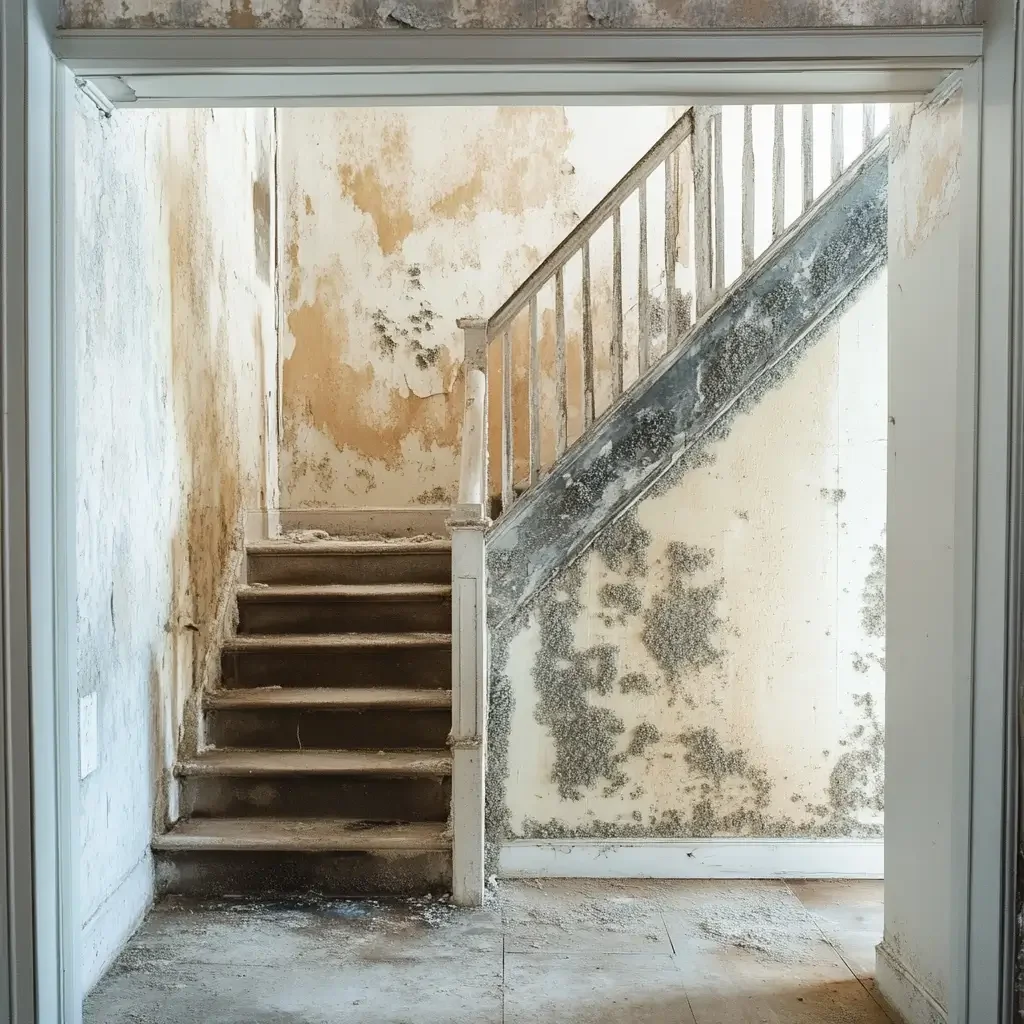
Mold claims live or die on the covered-peril gateway: did the mold result from a covered water event (covered, subject to sub-limits) or from gradual maintenance issues (excluded). Carriers default to the maintenance classification on every meaningful mold claim. We tie mold growth chronologically to specific covered events with industrial hygienist documentation, file under the right coverage with sub-limit awareness, and pursue the underlying water claim alongside the mold claim. We work on contingency — you owe nothing unless we recover money on your claim.








As Seen On:











Get Your Free Mold Claim Review



Areas We Serve for Mold Damage Claims
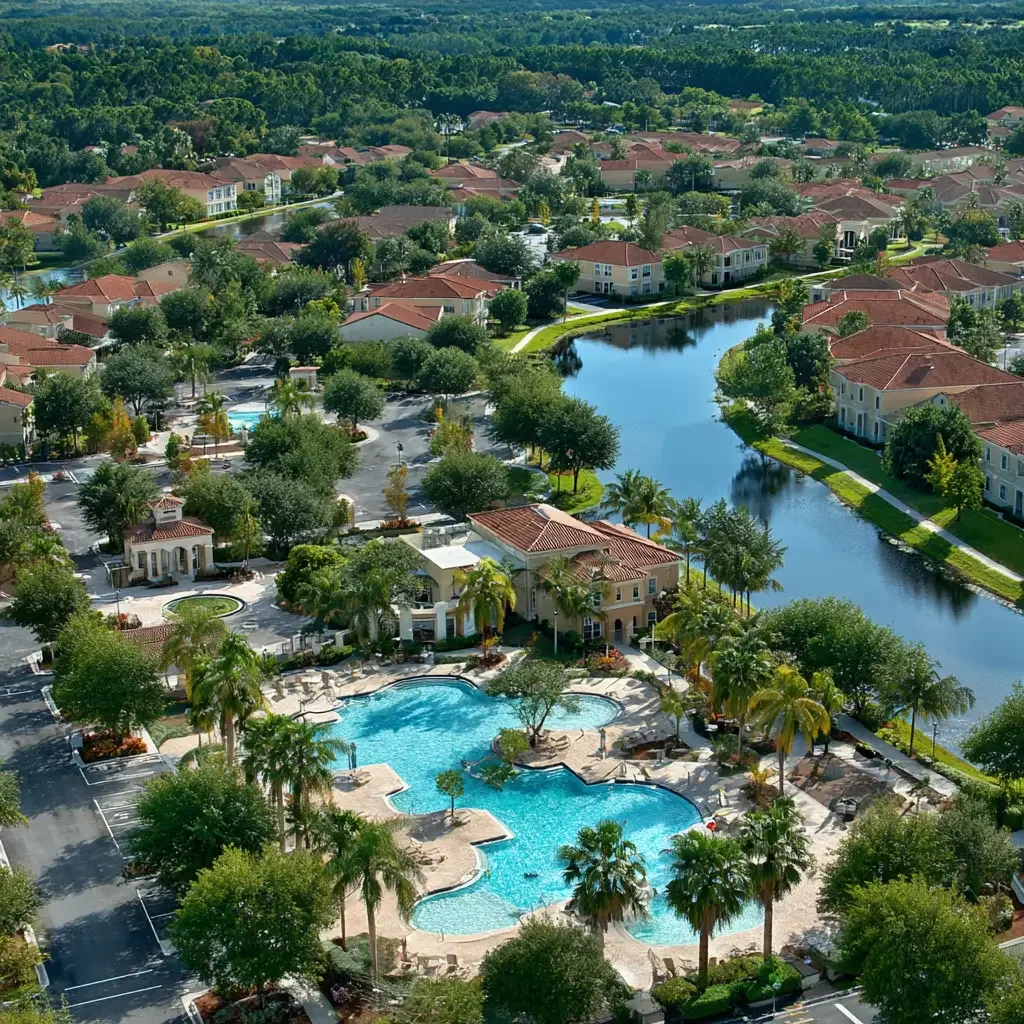
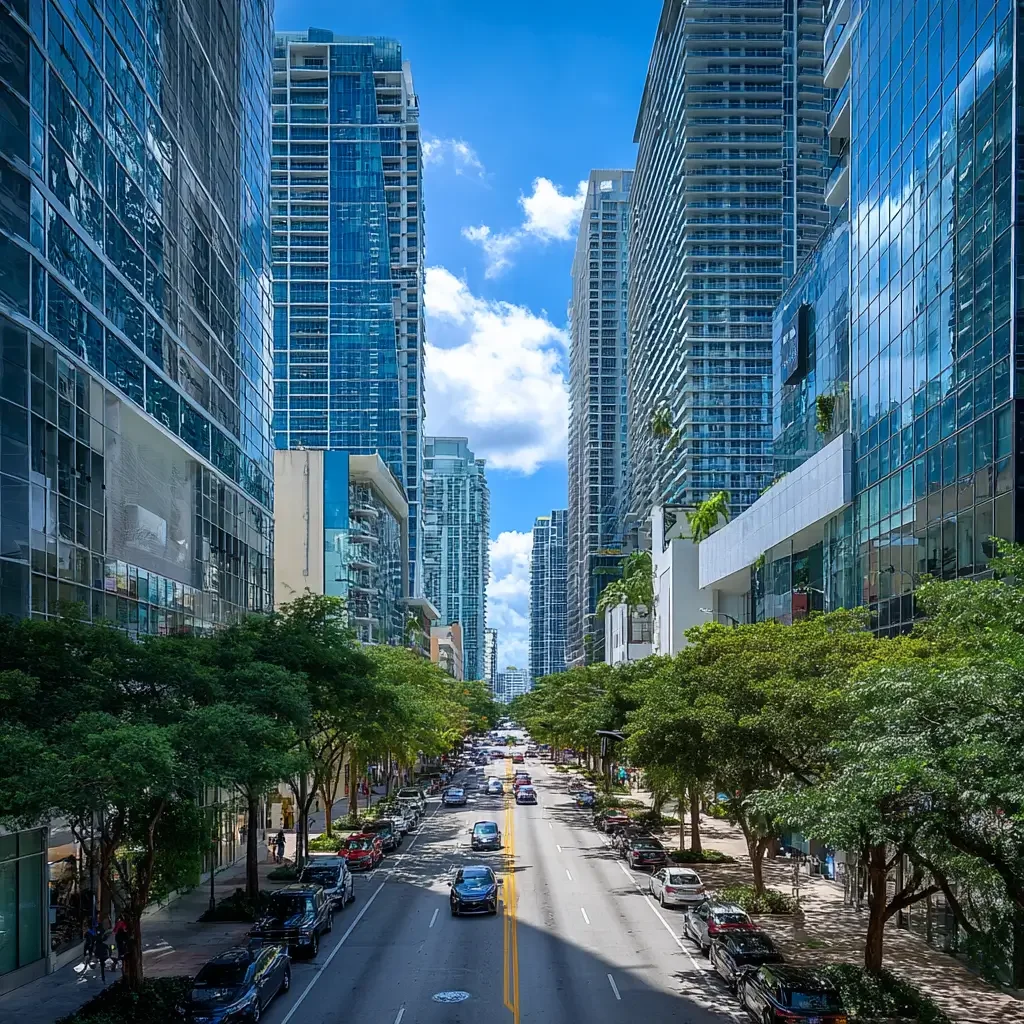
Mold claim patterns differ by region — Florida's subtropical humidity drives accelerated mold growth after every water event, while Minnesota and Wisconsin see concentrated mold issues from frozen pipe thaw, ice dam saturation, and basement flooding. We handle mold claims across all three states.
Florida — Subtropical Mold Growth
License #G199012 · Post-hurricane mold specialty
Southwest Florida
Naples, Fort Myers, Cape Coral, Sarasota, Collier County, Lee County
Southeast & Gold Coast
Central, North & Panhandle
Orlando, Tampa, Jacksonville, Tallahassee, Pensacola, Destin, Panama City
Minnesota — Freeze-Thaw Mold
License #40962416
Twin Cities Metro
Minneapolis, St. Paul, Bloomington, Plymouth, Maple Grove, Minnetonka, Brooklyn Park
Why Florida Drives Most of the Mold Volume
Florida's subtropical humidity accelerates mold colonization within 24-48 hours of any water exposure — significantly faster than the 48-72 hour baseline in cooler climates. After every Florida hurricane (Ian, Milton, Helene, Michael, Sally), we see a wave of mold claims emerging weeks and months after the original storm event. Carriers commonly resist these claims by arguing failure to mitigate when the actual timeline made faster mitigation impossible. We document the mold-to-storm chain of causation and pursue both the original storm supplemental and the mold sub-limit recovery.
Types of Mold Damage We Handle
Mold claims trace back to a specific water event — and the source determines coverage. The cards below cover the mold scenarios we file most often.
Post-Hurricane Mold
Florida hurricane water intrusion produces guaranteed mold colonization in saturated framing, drywall, and contents within 24-48 hours of the storm.
After Hurricane Ian, Milton, Helene, Michael, Sally, and Irma we have handled hundreds of post-hurricane mold claims. The timeline matters — Florida humidity drives faster mold growth than carrier mitigation expectations allow. We document the storm-to-mold chain and pursue both the hurricane claim and the mold sub-limit recovery.
Post-Water-Damage Mold
Mold from burst pipes, roof leaks, sewer backup, or appliance failures. Tied to a covered water event, the mold is typically covered subject to sub-limits.
When mold results from a covered water event, the underlying water claim is filed under the main policy at full limits while mold is filed under the sub-limit. Our water damage service covers this multi-peril coordination in detail.
Frozen-Pipe-Thaw Mold (MN/WI)
Frozen pipe thaw events saturate wall cavities and basements during winter — mold colonizes once the structure warms in spring.
Minnesota and Wisconsin frozen pipe events drop substantial water into wall cavities, basements, and ceiling spaces. Mold growth is delayed by cold temperatures but accelerates dramatically as spring temperatures rise. We document the freeze event chronologically and pursue mold coverage through the covered water peril.
Ice Dam Mold Damage
Ice dam water entering walls and ceilings during winter creates mold issues that emerge in spring as temperatures rise.
Ice dam damage is a Wisconsin and Minnesota signature water event — water backs up under shingles into wall and ceiling cavities. Once the structure warms, mold growth follows. We tie the mold to the specific ice dam event and pursue covered-peril recovery.
Post-Fire Suppression Mold
Sprinkler and fire department suppression water saturates framing and drywall — mold colonization follows within 48-72 hours.
Post-fire mold is a covered consequence of the fire peril when documented correctly. Our fire and smoke damage service integrates mold documentation into every meaningful fire claim.
HVAC System Mold Contamination
Mold growing inside HVAC ducting and on coil surfaces spreads spores through every supply register in the structure.
HVAC mold contamination is one of the most underpaid components of mold claims. Carriers commonly fund duct cleaning when full duct replacement plus coil cleaning or replacement is the actual obligation. We coordinate with industrial hygienists and HVAC specialists to document the contamination and pursue the right repair scope.
Hidden Wall Cavity Mold
Mold growing inside wall cavities and behind drywall is invisible to surface inspection but continues to release spores and odor through the finished wall.
Industrial hygienist sampling, thermal imaging, and moisture mapping document hidden mold zones. We pursue full drywall removal and remediation rather than the surface-cleaning scope carriers commonly fund.
Crawl Space & Basement Mold
Crawl space and basement mold from groundwater intrusion, sump pump failure, or seepage carries its own coverage analysis.
Crawl space and basement mold often involves coverage gateway analysis — was the water a sudden covered event or gradual seepage. We document the source and pursue coverage where the covered peril applies.
Attic Mold from Ventilation Issues
Attic mold from inadequate ventilation, roof leak history, or ice dam saturation requires source identification to determine coverage.
Attic mold tied to a specific covered roof leak or storm event is covered under the main water claim plus the mold sub-limit. Mold tied to gradual ventilation issues is typically excluded as maintenance. We document the source carefully.
Properties We Handle Mold Claims For
Mold affects every property class — but the contamination scope, sub-limit application, and remediation requirements vary significantly by property type. We handle mold claims across the full spectrum.
Single-Family Homes
Most common mold claim category. Mold tied to a covered water event with sub-limit recovery alongside the underlying water claim.
Standard HO-3 policies typically include mold coverage subject to sub-limits ($5K-$50K typical). We document the covered water source, file the underlying water claim under the main policy at full limits, and pursue mold under the sub-limit.
Condo Buildings & Unit Owners
Condo mold claims involve master policy and HO-6 sub-limits with potential cross-unit contamination through shared walls and HVAC.
Master policies cover common-area mold; HO-6 covers in-unit mold. Cross-unit contamination through shared HVAC requires coordinated handling. Our HOA & Condo claim service covers details.
Multifamily & Apartment Buildings
Mold in apartment buildings can affect multiple units simultaneously, triggering tenant displacement and habitability concerns.
Building owner master policy covers structural mold; tenant policies cover personal contents. Habitability standards under landlord-tenant law affect rebuild scope. We coordinate the multi-unit claim and tenant displacement coverage.
Commercial & Office Buildings
Commercial mold can shut down operations until remediation is complete, triggering business interruption alongside structural recovery.
Commercial mold claims combine structural remediation with potential BI exposure. Our commercial claim service covers the full scope.
Restaurants & Food Service
Mold in food service facilities triggers Department of Health inspection and potential closure until remediation is verified.
Food service mold claims involve regulatory complications — DOH may close the location until air quality testing verifies remediation. BI runs through the closure period.
Hotels & Hospitality
Hotel mold claims combine structural remediation with rooms-offline BI exposure as guest complaints reduce occupancy.
Hospitality mold is particularly costly because guest perception of mold drives booking cancellations even after remediation. We document occupancy impact and pursue BI alongside remediation scope.
Schools, Daycares & Civic Facilities
Specialty institutional mold claims involve accelerated reopening pressure and regulatory rebuild requirements.
Schools and daycares face particular pressure to remediate mold quickly due to child-safety considerations. We coordinate with the institution's governance and pursue full remediation scope.
Healthcare & Medical Facilities
Medical facility mold triggers regulatory and patient-safety considerations beyond standard remediation.
Hospitals, dental offices, and clinics face HIPAA, infection-control, and equipment contamination considerations during mold remediation. We coordinate with specialty contractors who understand these requirements.
Vacation Rentals & Second Homes
Vacation rental mold affects booking revenue and guest displacement alongside structural remediation.
Vacation rental mold claims trigger landlord policy responses with lost booking revenue and guest relocation costs as separate components.
The Mold Coverage Gateway & Sub-Limit Architecture
Mold claims live or die on two questions: did the mold result from a covered peril (the gateway) and how much will the policy actually pay (the sub-limit). Carriers exploit both questions. This section explains how each works and how we navigate them.
The Covered-Peril Gateway
Most homeowners and commercial property policies exclude mold by default — but cover mold that results from a covered water peril. Three tests determine which side of the line your mold falls on:
Specific Covered Event
Mold tied chronologically to a specific covered water event (burst pipe, hurricane wind-driven rain, sprinkler discharge, sewer backup with endorsement) is covered subject to the mold sub-limit. We document the event-to-mold timeline carefully.
Reasonable Mitigation
Carriers default to "failure to mitigate" arguments. The reasonable-mitigation standard considers the actual timeline — Florida's 24-48 hour mold colonization window often makes faster mitigation impossible. We document the timeline and challenge improper denials.
Not Maintenance-Related
Mold from gradual maintenance issues (leaky shower, ongoing roof seepage, inadequate ventilation) is excluded. Mold from a sudden covered event is not — even if maintenance issues contributed. We separate the two and pursue covered scope.
Where Carriers Underpay Mold Claims
The most common carrier tactics on mold:
Failure-to-Mitigate Denials
Carriers commonly claim the policyholder should have dried the structure faster. Florida's 24-48 hour colonization window often makes this impossible. We document the actual timeline.
Source Misclassification
Mold tied to a covered event gets misclassified as gradual seepage or maintenance issue. We trace the source carefully and document the chronology.
Surface Cleaning vs Full Remediation
Carriers fund surface cleaning when the actual remediation requires drywall removal, framing replacement, and HVAC system decontamination. Industrial hygienist documentation forces the full scope.
Stacking Sub-Limits Against Total Loss
The mold sub-limit is meant for the mold remediation specifically, not the underlying water claim. Carriers commonly try to apply the sub-limit to the entire loss including structural water damage. We file the underlying water claim under the main policy at full limits.
Excluding HVAC Decontamination
HVAC duct mold contamination spreads spores throughout the structure. Full duct replacement plus coil cleaning is often the actual obligation. Carriers commonly fund only duct cleaning.
Disputing Industrial Hygienist Reports
Independent hygienist reports document mold species, contamination scope, and remediation requirements. Carriers commonly rely on their own technicians who minimize findings. We coordinate independent testing.
Mold Sub-Limit Architecture
Most policies cap mold coverage at a sub-limit far below actual remediation costs:
$5,000 Default
The most common mold sub-limit on FL/MN/WI homeowners policies. Inadequate for any meaningful mold loss.
$10,000 - $50,000 Endorsements
Some policies offer expanded mold sub-limit endorsements. We pull the policy to identify the applicable cap.
Filing Under Multiple Coverage Forms
The underlying water claim is under main policy at full limits. The mold itself is under the mold sub-limit. The contents loss may be under contents coverage. Stacking these correctly maximizes recovery.
Commercial Mold Sub-Limits
Commercial property mold sub-limits vary widely — some policies have substantial mold coverage, others have none. We pull declarations on every commercial mold claim.
Why Industrial Hygienist Documentation Wins These Claims
The single most effective tool for documenting mold damage is independent industrial hygienist sampling — air quality testing, surface sampling, and bulk material analysis. The data is objective, identifies mold species, and quantifies contamination scope. Carriers commonly resist paying for this testing — but the testing itself is the foundation of a defensible claim. We coordinate the right hygienist on every meaningful mold claim and build the remediation scope from the testing results outward, rather than from the carrier's preferred narrow estimate.
Why Mold Claims Need a Public Adjuster
Mold is the single most underpaid claim category in residential property insurance — and the reasons are structural: covered-peril gateway disputes, sub-limit caps far below actual remediation costs, hidden contamination zones, and aggressive failure-to-mitigate denials. Professional representation is the difference between a denied claim and the policy's actual obligation.
The Coverage Gateway Decides Everything
Mold tied to a covered water event is covered. Mold from gradual maintenance is excluded. Carriers default to the maintenance classification.
We document the chronology — specific covered event, water source, mold appearance timeline — and tie the mold to the covered peril. The gateway analysis is everything.
Failure-to-Mitigate Denials
Florida's 24-48 hour mold colonization window often makes faster mitigation impossible — but carriers default to "you should have dried it faster" denials.
We document the actual mitigation timeline, hygienist findings on initial contamination level, and the policyholder's reasonable response. The reasonable-mitigation standard considers actual conditions.
Industrial Hygienist Documentation
Independent hygienist sampling documents mold species, contamination scope, and remediation requirements with objective data carriers can't dismiss.
Carriers commonly rely on their own technicians who minimize findings. Independent hygienist reports with proper sampling protocols become the foundation of a defensible mold claim.
Sub-Limit Architecture Navigation
Mold sub-limits typically cap at $5K-$50K — far below actual remediation. Stacking the underlying water claim under main policy limits is essential.
The mold sub-limit applies only to mold remediation. The underlying structural water damage goes under the main policy at full limits. Filing each component correctly maximizes recovery.
Hidden Contamination Zone
Mold inside wall cavities, HVAC ducting, and behind drywall is invisible to surface inspection but drives most of the actual remediation cost.
Surface mold is a fraction of the contamination scope. Industrial hygienist sampling, thermal imaging, and moisture mapping document the hidden zone. We pursue full remediation rather than surface cleaning.
Multi-Peril Coordination
Mold rarely arrives alone — it follows water, fire suppression, hurricane, or freeze events. Coordinated filing under each peril maximizes recovery.
We file the underlying covered event under the main policy and the mold under the sub-limit. Cross-coordination with water, hurricane, and fire claims as appropriate.
Our Mold Damage Claim Process
Mold claims need fast event-to-mold chronology documentation, industrial hygienist coordination, and sub-limit architecture mapping from day one. Our process is built around the gateway proof and remediation scope mold claims demand.
Free Inspection and Source Identification
We inspect the property, identify the underlying water event, and trace the mold-to-source chronology before any work begins.
No fee for the initial inspection. We document the visible mold, suspected hidden mold, water source, and chronological timeline tying the mold to a specific covered event.
Industrial Hygienist Coordination
We coordinate independent industrial hygienist sampling — air quality, surface, and bulk material analysis — to document mold species and contamination scope.
The hygienist's report identifies mold species, quantifies airborne and surface contamination levels, and documents the scope. The data becomes the foundation of the claim and forces carriers to recognize the actual contamination zone.
Coverage Gateway Analysis
We document the chronology — covered event date, water source, mold appearance — and tie the mold to a specific covered peril.
The covered-peril gateway is everything. We pull weather data for storm-related events, plumber inspection records for plumbing failures, and fire department reports for fire suppression water — whatever supports the chronological link.
Sub-Limit Architecture Mapping
We map every dollar of damage to the correct policy and sub-limit — main policy for the underlying water claim, mold sub-limit for mold remediation, contents coverage for affected belongings.
The mold sub-limit applies only to mold remediation. The underlying water claim goes under main policy at full limits. Filing each component correctly maximizes recovery.
Filing, Negotiation, and Carrier Pressure
We file the claim and represent you in every interaction — challenging failure-to-mitigate denials and applying statutory pressure where carriers slow-walk.
Florida Civil Remedy Notices under 624.155, Minnesota Department of Commerce complaints under 72A.201, Wisconsin OCI complaints — each state's escalation framework applies depending on the loss location.
Remediation Coordination
We coordinate with certified mold remediation contractors who follow IICRC S520 protocols and document the work for carrier acceptance.
Proper mold remediation requires containment, HEPA filtration, source removal, and post-remediation verification testing. We coordinate with contractors who follow the right protocols and document the work for carrier acceptance.
Settlement, Appraisal, and Supplementals
Most mold claims settle through direct negotiation. Where they don't, appraisal handles value disputes and insurance counsel handles coverage gateway disputes.
Mold claims frequently develop supplementals as remediation reveals additional contamination. We file supplementals within statutory windows and pursue post-remediation verification.
State-Specific Mold Claim Considerations
Mold claim handling differs by state based on climate, statutory framework, and policy form. Click each state for details.
Florida is the dominant state for mold claims due to subtropical humidity and hurricane water exposure:
- Florida Statute 627.70131, 627.70132, 626.854, 624.155 — full claim handling, deadline, fee cap, and bad faith framework apply to mold claims.
- 24-48 hour mold colonization window — Florida humidity drives faster mold growth than carrier mitigation expectations allow. We document the actual timeline.
- Post-hurricane mold is a guaranteed component of every Florida hurricane claim involving water intrusion. We coordinate the hurricane claim and the mold sub-limit recovery.
- Mold sub-limits on FL homeowners policies typically run $5K-$10K. Some Citizens policies have specific mold exclusions or reduced coverage.
- Industrial hygienist documentation is essential on every Florida mold claim — the contamination scope is reliably underestimated without testing.
Minnesota mold claims concentrate around freeze-thaw events and basement water issues:
- Minnesota Statute 72A.201 — Unfair Claims Practices framework supports policyholder leverage on slow-walked mold claims.
- Public adjuster fee cap — 10% of the entire claim settlement.
- Frozen-pipe-thaw mold is a Minnesota signature pattern — pipes burst in winter, water saturates wall cavities, mold colonizes once temperatures rise in spring.
- Basement mold from sump pump failure, sewer backup, or seepage requires careful source identification — covered events vs excluded gradual issues.
Wisconsin mold claims share Minnesota's freeze patterns and add ice dam exposure:
- Wisconsin OCI regulates claim handling and provides a consumer complaint process.
- Wisconsin Statute 631.81 requires good-faith claim handling.
- Ice dam mold — water entering walls and ceilings during winter ice dam events causes mold issues that emerge in spring.
- Lake country mold — Door County, Lake Geneva, and Northwoods properties with seasonal occupancy patterns face mold from undetected freeze events and basement seepage.
Property owners with operations across multiple states get mold claims handled under a single engagement letter. Florida post-hurricane mold alongside MN/WI freeze-thaw and ice dam mold under one team.
Why Choose Shoreline for Mold Claims
Mold claims reward technical depth — covered-peril gateway proof, industrial hygienist coordination, sub-limit architecture fluency, and post-hurricane experience. Here's what we do differently.
Industrial Hygienist Coordination on Every Meaningful Mold Claim
The single biggest difference between a denied mold claim and a fully recovered one is technical documentation by an independent industrial hygienist. Carriers commonly rely on their own technicians who minimize findings. Independent hygienist sampling — air quality, surface, and bulk material analysis — identifies mold species, quantifies contamination, and documents remediation requirements with objective data carriers can't dismiss. We coordinate this testing on every meaningful mold claim and build remediation scope from the data outward.
Coverage Gateway Proof Specialty
The covered-peril gateway is everything on a mold claim. We document the chronology — covered event, water source, mold appearance — and tie mold to specific covered perils. The gateway analysis is the foundation of every successful mold claim.
Florida Post-Hurricane Mold Experience
Direct experience working post-hurricane mold claims through Hurricane Ian, Milton, Helene, Michael, Sally, and Irma. Florida's 24-48 hour mold colonization timeline drives every meaningful Florida hurricane claim into mold territory. We have seen the carrier playbook on this pattern repeatedly.
Sub-Limit Architecture Fluency
Mold sub-limits typically cap at $5K-$50K. The underlying water claim goes under main policy at full limits. Filing each component correctly — and stacking the underlying coverage correctly — maximizes recovery rather than collapsing the whole claim into the smallest available limit.
Multi-Peril Coordination
Mold rarely arrives alone. We coordinate water, hurricane, and fire claims with mold as an integrated multi-peril loss.
Licensed Across Three States
Florida (#G199012), Minnesota (#40962416), and Wisconsin (#21156868). Multi-state coordination under one engagement letter.
Contingency-Only Fee Structure
No retainers, no hourly billing, no fee at all if the claim produces zero recovery. Florida: 10% during state-of-emergency claims, 20% otherwise (F.S. 626.854). Minnesota: no statutory cap; written contract with full fee disclosure and 72-hour cancellation right (MN Stat. 72B.135). Wisconsin: 10% on catastrophic disaster claims (Wis. Stat. § 629.05(6)); no cap on standard claims, with clear written fee disclosure required.
Mold Damage Frequently Asked Questions
Common questions from policyholders about mold damage insurance claims across Florida, Minnesota, and Wisconsin.
Standard homeowners policies typically exclude mold by default but cover mold that results from a covered water peril — burst pipe, hurricane wind-driven rain, sprinkler discharge, sewer backup with endorsement. The mold is subject to a sub-limit (typically $5,000-$50,000). The underlying water damage goes under the main policy at full limits. The "covered peril gateway" is the central coverage analysis on every mold claim.
The most common reasons: (1) the mold was classified as resulting from gradual maintenance issues rather than a covered event, (2) the carrier argued the policyholder failed to mitigate the underlying water source quickly enough, (3) the mold sub-limit was applied and the carrier capped recovery there. Each is reversible with proper documentation. We tie mold to a specific covered event with industrial hygienist support.
Most Florida, Minnesota, and Wisconsin homeowners policies cap mold coverage at a sub-limit between $5,000 and $50,000. Some policies offer expanded mold endorsements at higher limits. We pull your declarations on every engagement to identify the applicable cap. The sub-limit applies only to mold remediation — the underlying water claim is filed under the main policy at full limits.
The mold itself falls under the mold sub-limit. The underlying water damage from the hurricane goes under the main policy at full limits with the hurricane deductible applied. We file each component correctly to maximize recovery rather than collapsing the whole claim into the mold sub-limit.
Mold colonization begins in saturated drywall, framing, and porous materials within 24-48 hours in warm humid environments (Florida year-round, summer in MN/WI) and within 48-72 hours in cooler conditions. By the time most water claims are inspected, mold is already growing in wall cavities. This timeline matters because carriers commonly resist mold coverage by arguing failure to mitigate — when the timeline often makes faster mitigation impossible.
Failure-to-mitigate denials are the most common mold claim denial. The reasonable-mitigation standard considers actual conditions — Florida's 24-48 hour mold colonization window often makes faster mitigation physically impossible. We document the actual timeline, the policyholder's reasonable response, and challenge improper denials with hygienist documentation showing the contamination was already present when discovered.
Sometimes. Carriers commonly resist paying for independent industrial hygienist testing — but the testing is itself the foundation of a defensible mold claim. We coordinate the testing on every meaningful mold claim and pursue reimbursement through the claim where the policy supports it. The data forces carriers to recognize the actual contamination scope.
Florida Statute 627.70132 requires mold claims to be filed within one year of the date of loss, with supplemental claims allowed within 18 months. The "date of loss" for mold typically traces back to the underlying water event, not the mold discovery date — so timing matters. Minnesota and Wisconsin require notice "as soon as practicable" with formal proof of loss within 60-90 days under typical policy provisions.
Mold from gradual maintenance issues (leaky shower, ongoing roof seepage, inadequate ventilation) is typically excluded. However, careful source analysis often reveals a specific sudden trigger event the carrier has overlooked — a single storm event that opened the envelope, a plumbing failure that wasn't immediately apparent, a fire suppression event. We trace the source carefully before accepting a maintenance-related denial.
Yes — mold-contaminated contents are typically covered under the contents portion of the policy when the mold itself is covered. Furniture, mattresses, clothing, books, and porous contents that absorb mold spores often cannot be remediated and require replacement. We document the contamination level and pursue replacement on contents that cannot be cleaned to pre-loss condition.
Proper mold remediation under IICRC S520 protocols typically takes 1-3 weeks for residential losses depending on contamination scope, plus reconstruction time after remediation. Containment, HEPA filtration, source removal, and post-remediation verification testing are all required. Larger commercial losses can run 4-12 weeks. ALE coverage typically applies during the remediation period when the home is uninhabitable.
Yes. We routinely take on mold claims that have been denied or substantially underpaid. The denial typically relies on coverage gateway disputes, failure-to-mitigate arguments, or sub-limit applications. We coordinate independent industrial hygienist testing, document the chronology tying mold to a covered event, and challenge the denial with documentation. Where coverage litigation is required, our claim file becomes the evidence base.
Florida caps public adjuster fees at 10% during the twelve months following a Governor-declared state of emergency and 20% otherwise (F.S. 626.854). Minnesota does not impose a statutory percentage cap, but requires a written contract with full fee disclosure and a 72-hour cancellation right (MN Stat. 72B.135). Wisconsin caps fees at 10% for catastrophic disaster claims (Wis. Stat. § 629.05(6)); standard claims have no statutory cap but require clear written fee disclosure. Our exact percentage is fixed in writing in the engagement letter before any work begins. There is no upfront fee and no fee at all if the claim produces zero recovery.
As early as possible — ideally before any remediation work begins. Once remediation is underway, the contamination zone documentation window narrows. We prefer to inspect the property before remediation so we can coordinate hygienist testing of the actual contamination level. Earlier engagement consistently produces larger recoveries because the chronology back to the covered event is fresher.