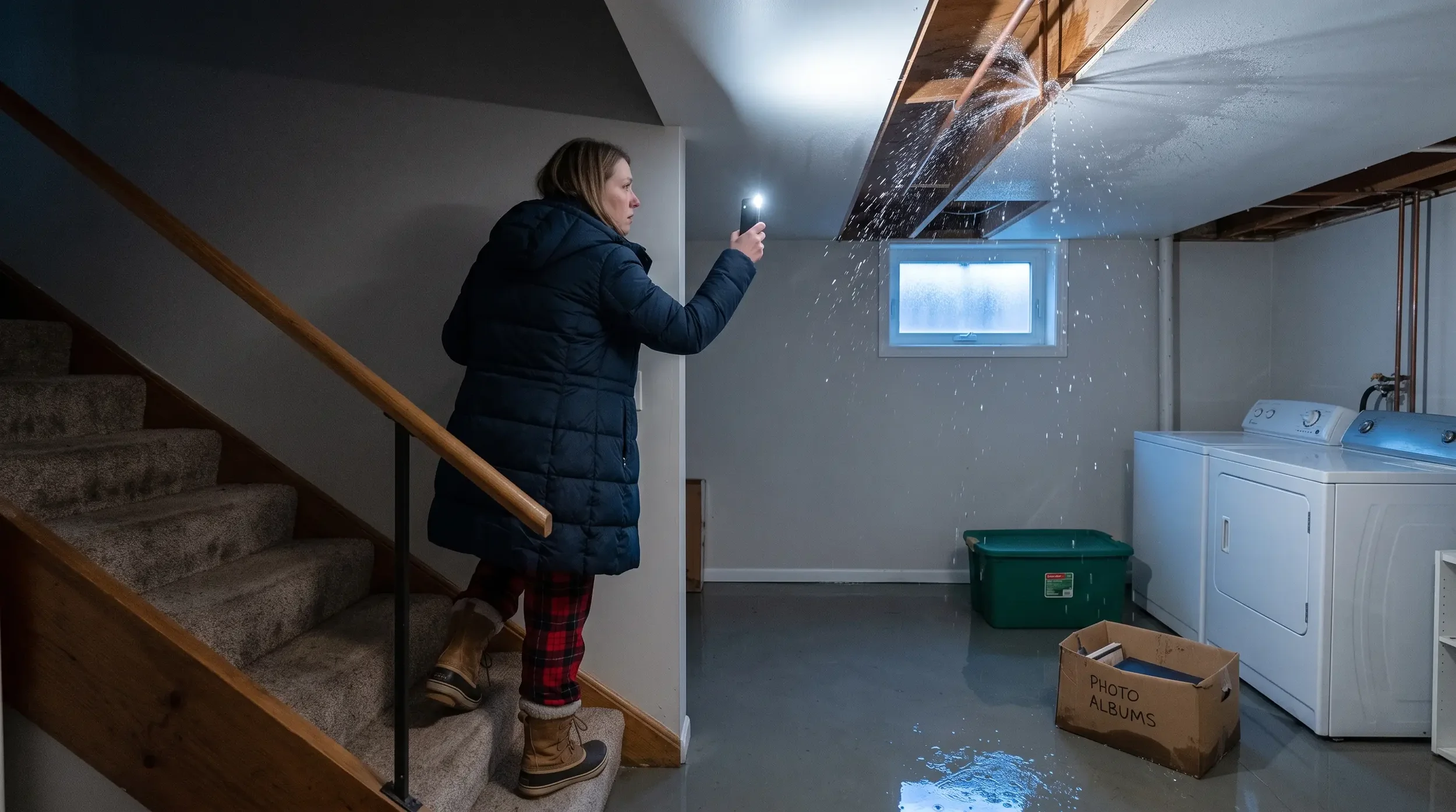
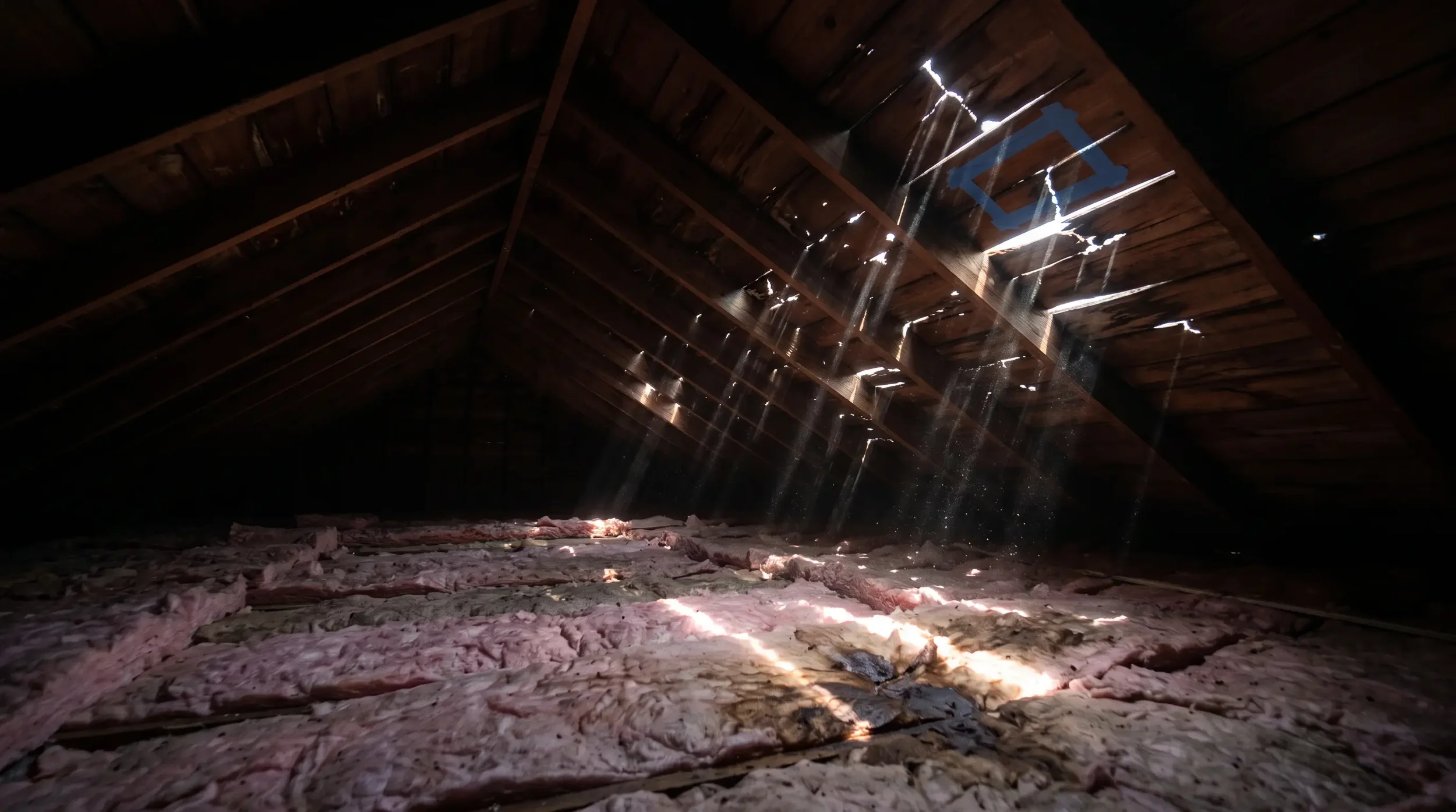
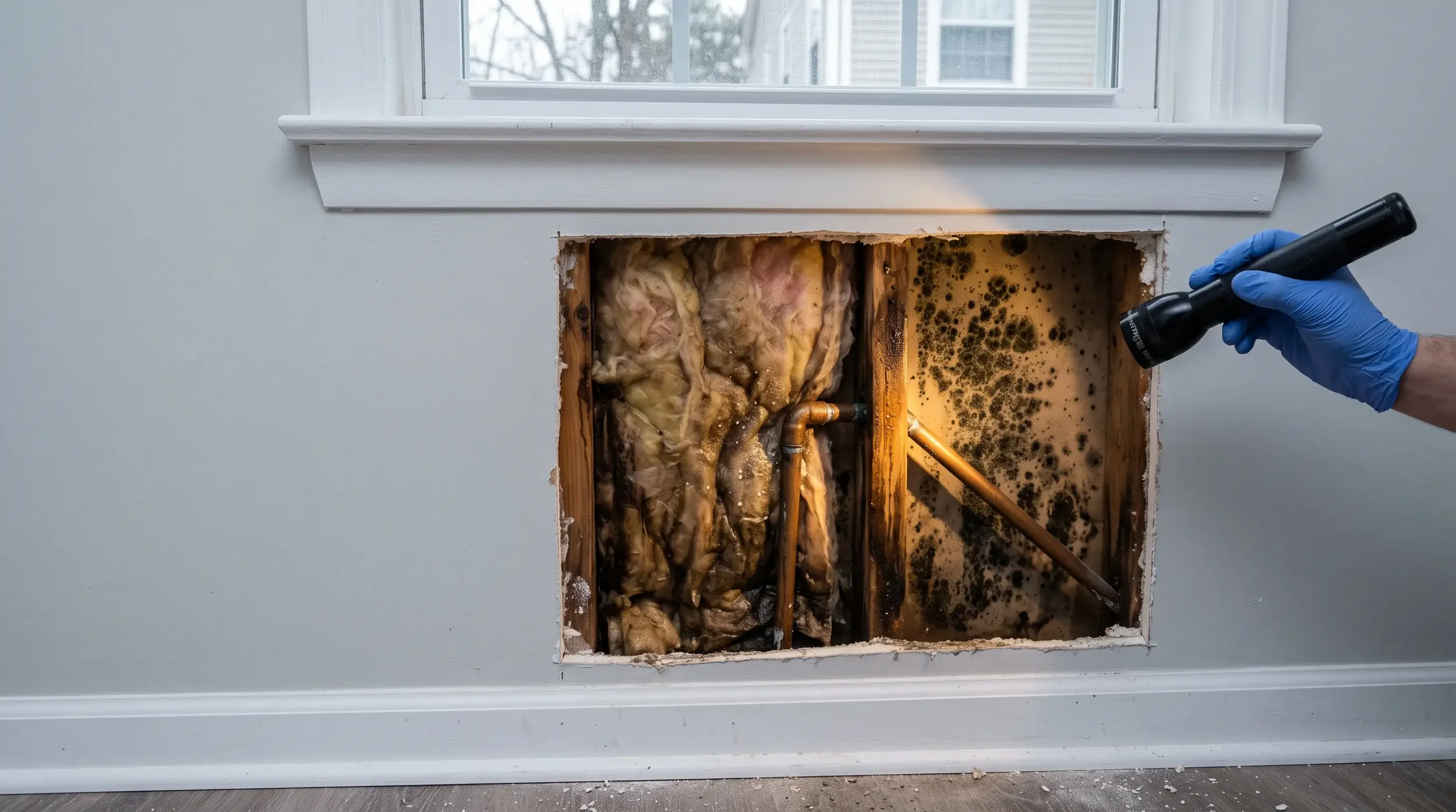
Does Homeowners Insurance Cover Ice Dams? A Minnesota Claims Guide
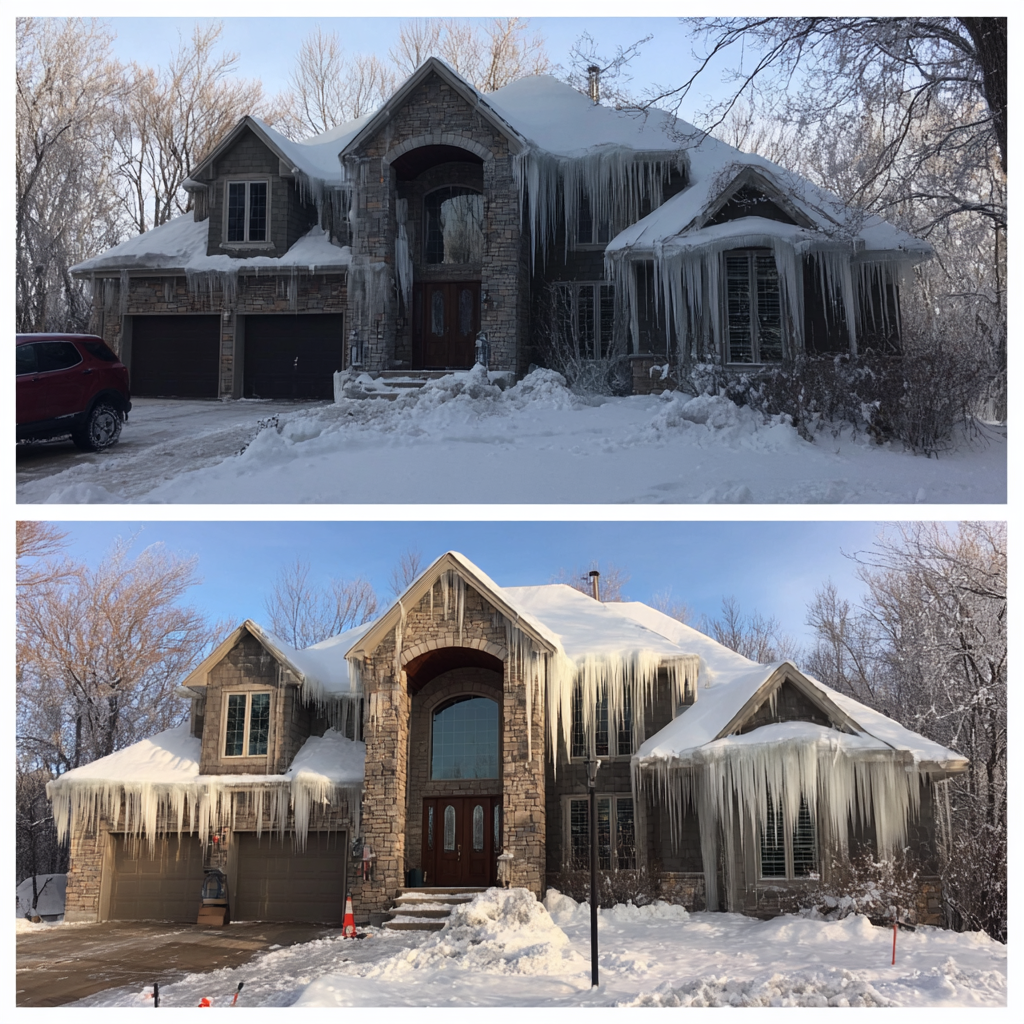
Last Updated: September 2026 | Reading Time: 15 minutes
If you're dealing with ice dam damage to your Minnesota home, you're not alone. A Guidewire HazardHub analysis puts nearly one-third of U.S. homes — roughly 31.4 million housing units — in areas with more than 30 freezing days a year, where ice dams form readily.
Here is what most homeowners do not know. JMI Reports puts the average ice dam settlement at $8,000, and that figure covers interior damage only, not the exterior repairs. Plenty of homeowners recover less than that, or see the claim denied outright.
So does homeowners insurance cover ice dams? In Minnesota the short answer is that it covers the water that gets in, not the ice that let it in. This guide walks through where that line falls, what carriers exclude, the building-code argument that undercuts a neglect denial, and the clock your insurer is on.
Table of Contents
- What Is an Ice Dam and How Does It Form?
- Why Minnesota Homes Are Especially Vulnerable
- What Does Homeowners Insurance Cover for Ice Dam Damage?
- What's NOT Covered (Common Exclusions)
- The Building-Code Argument Most Ice Dam Claims Never Make
- Step-by-Step: How to File an Ice Dam Insurance Claim
- 7 Costly Mistakes That Get Ice Dam Claims Denied
- Should You File a Claim? The Deductible Question
- The Clock Your Insurer Is On in Minnesota
- When to Hire a Public Adjuster
- Preventing Future Ice Dam Damage
- Frequently Asked Questions
What Is an Ice Dam and How Does It Form?
An ice dam is a thick, dense ridge of ice that forms along the lower edge of your roof—typically at the eaves where temperatures stay coldest. While the upper sections of your roof may warm from rising indoor heat, the edges remain below freezing. This temperature difference creates a destructive cycle:
- Heat escapes from your living space into the attic
- Snow melts on the warmer upper portions of the roof
- Water flows downward toward the cold eaves
- Water refreezes at the roof edge, forming a dam
- More water backs up behind the dam, seeping under shingles
- Water infiltrates your home, damaging ceilings, walls, insulation, and more
The Science Behind Ice Dam Formation
Ice dams require three conditions to form:
- Snow accumulation on the roof
- Warm attic temperatures (above 32°F at the roof deck)
- Cold outside temperatures (below freezing at the eaves)
Research shows that the "perfect" conditions for ice dam formation occur when outside air temperatures hover in the low 20s°F for several days with several inches of snow on the roof.
The root cause is almost always heat loss from your living space into the attic. This happens through:
- Inadequate attic insulation
- Air leaks around light fixtures, plumbing, and ductwork
- Recessed lighting, skylights, and complex roof designs
- Heat from chimneys, fireplaces, and poorly insulated ductwork
Why Minnesota Homes Are Especially Vulnerable
Minnesota's climate creates a perfect storm for ice dam formation. Here's why Northland homeowners face elevated risk:
1. Extreme Temperature Swings
Minnesota's frequent freeze-thaw cycles—daytime highs above freezing followed by nighttime drops well below zero—create ideal conditions for repeated ice dam formation throughout winter.
2. Heavy Snowfall
The Twin Ports region averages over 80 inches of snow annually. Lake Superior's lake-effect snow adds unpredictable accumulation, particularly in Duluth and surrounding communities.
3. November Gales and Rapid Weather Changes
Lake Superior creates weather patterns unlike anywhere else in the country. November gales, rapid temperature swings, and persistent ice buildup cause damage that out-of-state adjusters simply don't understand.
4. Older Housing Stock
Many Minnesota homes were built before modern insulation standards. Older homes in neighborhoods like Lakeside, East Hillside, Lincoln Park, and Congdon Park often have inadequate attic insulation and ventilation—prime conditions for ice dams.
Minnesota Building Codes Reflect the Risk
Minnesota's building code sets the ground snow load county by county, not by a single statewide number. Under Minnesota Rules 1303.1700, the ground snow load is 60 pounds per square foot across 29 northern and central counties—including St. Louis, Carlton, Lake, Cook and Itasca—and 50 psf everywhere else. Minnesota Rules 1309.0301 applies a 0.7 factor to reach the design roof load, which works out to 42 psf in those northern counties and 35 psf in the rest of the state.
These requirements exist because the state knows ice dam damage is not a matter of if, but when.
What Does Homeowners Insurance Cover for Ice Dam Damage?
Here's the good news: most standard homeowners insurance policies provide coverage for ice dam damage. The exclusions are where claims actually turn.
What's Typically Covered
Dwelling Coverage may pay for:
- Roof repairs caused by ice dam damage
- Structural damage to walls, ceilings, and rafters
- Damage to electrical and plumbing systems
- Repairs to your home's foundation if affected
Personal Property Coverage may pay for:
- Damaged furniture, electronics, and clothing
- Ruined carpet, rugs, and flooring
- Destroyed appliances and personal belongings
Additional Living Expenses (ALE) may cover:
- Hotel costs if your home becomes uninhabitable
- Restaurant meals and other necessary expenses
- Temporary rental housing
Emergency Mitigation Costs
Your policy likely covers reasonable steps you take to prevent further damage, including:
- Tarps to cover exposed areas
- Emergency water extraction
- Temporary roof repairs
- Moving belongings out of harm's way
Important: Keep all receipts for emergency expenses—these are typically reimbursable.
What's NOT Covered: Common Exclusions That Surprise Homeowners
This is where ice dam claims get tricky. Insurance companies have become increasingly skilled at finding reasons to deny or reduce ice dam claims. Here are the most common exclusions:
1. "Maintenance" and "Neglect" Exclusions
This is the #1 reason ice dam claims get denied.
If your insurer determines the ice dam formed due to:
- Inadequate attic insulation
- Poor roof ventilation
- Failure to clear snow from the roof
- Ignored previous ice dam warnings
...they may deny your claim on the grounds of "homeowner neglect." Insurance companies increasingly view ice dams as a preventable maintenance issue, not a covered accident.
The next section is the counter-argument to this, and it is the one most homeowners never make.
2. Gradual Damage
Insurance covers "sudden and accidental" damage. If water has been slowly seeping into your walls for weeks before you noticed, the insurer may argue this is gradual damage—and deny coverage.
3. The Ice Dam Removal Itself
Here's a frustrating catch-22: most policies won't pay to remove an ice dam that hasn't yet caused damage. If the ice dam is sitting on your roof but water hasn't penetrated your home, you'll likely have to pay for removal yourself.
4. Mold Damage
Many policies now have specific mold exclusions. If ice dam water leads to mold growth—which is common when moisture gets trapped in walls—your insurer may refuse to cover remediation costs. If you're facing mold damage from ice dam water intrusion , contact us for a free claim review.
5. Certain Structures
Damage to fences, patios, swimming pools, and driveways from ice and snow is typically excluded from coverage.
6. Flood Damage
If snowmelt seeps into your home through the foundation or basement (rather than through the roof), it's considered "flood damage" and won't be covered by standard homeowners insurance. However, water and flood damage claims from other sources may have different coverage options.
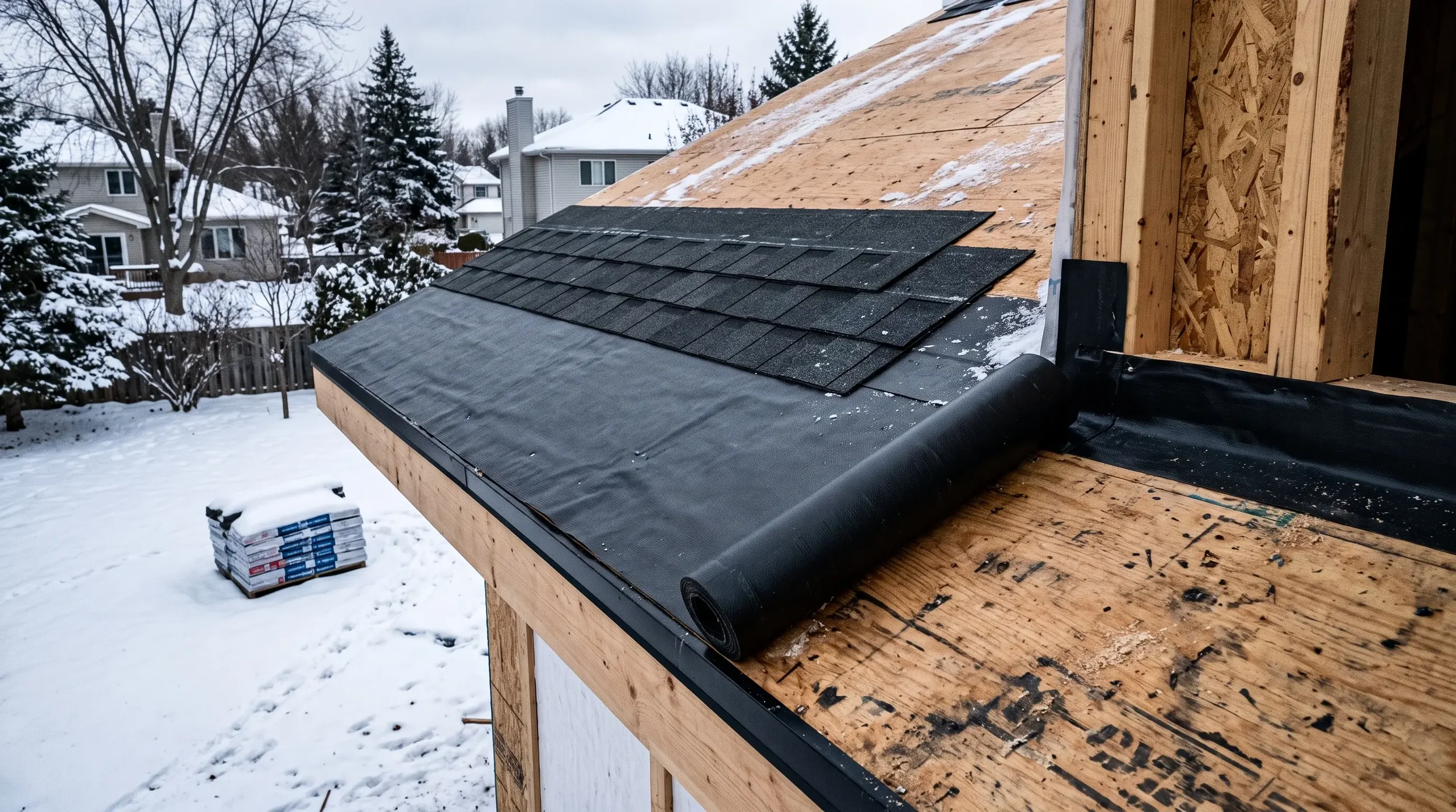
The Building-Code Argument Most Ice Dam Claims Never Make
Minnesota does not leave ice dams to chance. Minnesota Residential Code R905.1.2 requires an ice barrier on roofs in areas with a history of ice forming along the eaves, and it has to run from the lowest edge of the roof to a point at least 24 inches inside the exterior wall line. On roofs pitched 8:12 or steeper, it must also extend at least 36 inches measured along the slope.
That single requirement changes two conversations with your carrier.
First, it undercuts the neglect argument. When an adjuster says water got into the ceiling because the attic was poorly insulated, ask where the ice barrier was. A code-compliant roof is built to keep meltwater out of the structure even when a dam forms.
So if water reached the wall cavity, the question is whether the barrier was installed, and installed to depth. Not whether you kept your attic cold enough.
Second, it can pay for a better roof. Many homeowners policies carry ordinance or law coverage, which pays the extra cost of bringing a repair up to current code. An older Minnesota roof may pre-date the ice barrier requirement, or have one that only reaches the wall line rather than 24 inches past it.
If that roof is being repaired on a covered claim, the code-required barrier is not an upgrade you are asking for as a favor. It is what the building official will require before the work passes.
Ordinance or law is a separate limit from your dwelling coverage, it is frequently overlooked on residential claims, and it is almost never volunteered by the carrier. Check your declaration page for it before you agree a scope.
Step-by-Step: How to File an Ice Dam Insurance Claim
Filing an ice dam claim correctly from the start can mean the difference between a full settlement and a denied claim. Follow these steps carefully:
Step 1: Document Everything—Before You Touch Anything
This is the most critical step. Before making any repairs or cleanup:
- Take extensive photos and videos of all damage—roof, interior, and personal property
- Enable date/time stamps on your camera or phone
- Photograph the ice dam itself before removal
- Document weather conditions leading up to the damage
- Take wide shots and close-ups of every affected area
- Don't throw anything away until the adjuster has seen it
Pro Tip: Use a measuring tape in photos to show the scale of damage. This helps adjusters understand the extent of the problem.
Step 2: Take Immediate Action to Prevent Further Damage
Your policy requires you to take reasonable steps to mitigate additional damage. This may include:
- Placing buckets under active leaks
- Moving furniture and valuables away from water
- Covering exposed areas with tarps
- Arranging for emergency water extraction
Keep all receipts—these costs are typically reimbursable.
Important: Start ONLY with repairs that prevent further, imminent damage. Do NOT make permanent repairs until after the adjuster inspects the damage.
Step 3: Contact Your Insurance Company Promptly
Call your insurer's claims hotline and provide:
- Your policy number
- Your name and property address
- A brief description of the damage
- The date you discovered the damage
Document this call: Write down the date, time, representative's name, and claim number assigned.
Step 4: Request a Copy of Your Policy
Ask your insurance company to send your full policy, including all endorsements and exclusions. Review it carefully—or have a professional review it—before the adjuster arrives.
Step 5: Prepare for the Adjuster's Visit
The insurance company will send an adjuster to inspect your home. Before they arrive:
- Don't repair anything permanently until after the inspection
- Compile all documentation (photos, videos, receipts, weather records)
- Make a detailed list of all damaged items with estimated values
- Document any prevention efforts you've taken (insulation improvements, prior maintenance)
- Be present during the inspection to point out all damage
Critical: The insurance company's adjuster works for the insurance company—not for you. Their goal is to minimize the payout.
Step 6: Get Independent Estimates
Don't rely solely on the insurance company's damage assessment. Get repair estimates from at least two reputable contractors. If their estimates are significantly higher than the adjuster's, this gives you leverage to negotiate.
Step 7: Review the Settlement Offer Carefully
When you receive the insurance company's offer:
- Compare it to your contractor estimates
- Check that all damaged areas are included
- Verify they haven't applied inappropriate exclusions
- Look for "depreciation" deductions that may not be warranted
You have the right to dispute a lowball offer. If the settlement seems unfair, you can negotiate, appeal, or hire a public adjuster in Duluth to advocate on your behalf.
7 Costly Mistakes That Get Ice Dam Claims Denied
These are the mistakes that cost Minnesota homeowners the most on an ice dam claim:
Mistake #1: Making Repairs Before Documentation
In the rush to stop water damage, many homeowners immediately call roofers and contractors. But if you repair damage before documenting it thoroughly—and before the adjuster inspects—you may have just destroyed your evidence.
Mistake #2: Throwing Away Damaged Items
That soggy carpet or water-stained furniture is evidence of your loss. Don't throw anything away until it's been photographed, documented, and inspected by the adjuster.
Mistake #3: Settling Too Quickly
Insurance companies often make quick, lowball offers hoping you'll accept without questioning. Don't sign anything until you fully understand the extent of your damage—which may not be apparent until dryout and demolition reveal hidden damage in walls and ceilings.
Mistake #4: Relying Only on the Insurance Company's Adjuster
Remember: the insurance company's adjuster is paid by the insurance company. Their incentive is to minimize your payout, not maximize it. Always get independent estimates.
Mistake #5: Poor Communication Records
If a dispute arises, you'll need proof of what was said and when. Document every phone call, email, and in-person conversation with your insurance company, including dates, times, and names of representatives.
Mistake #6: Admitting "Neglect" or "Deferred Maintenance"
Be careful what you say to adjusters. Comments like "We've been meaning to add insulation" or "We knew we had ventilation issues" can be used as evidence of neglect to deny your claim.
Mistake #7: Waiting Too Long to File
Most policies have time limits for reporting damage. Waiting too long can give insurers grounds for denial—and allows damage to worsen, complicating your claim.
Should You File a Claim? The Deductible Question
Not every ice dam incident warrants an insurance claim. Consider these factors:
When Filing Makes Sense
- Damage clearly exceeds your deductible by a significant margin
- Structural damage to your home (not just cosmetic)
- Personal property losses are substantial
- You need to make a claim for building code upgrades
When You Might Pay Out-of-Pocket
- Damage is close to or below your deductible
- You've filed multiple claims recently (this can trigger policy cancellation or premium increases)
- Damage is primarily cosmetic
The Hidden Cost of Filing
Filing an ice dam claim—even a legitimate one—can have consequences:
- Premium increases: Your rates may go up at renewal
- Claims history: Multiple claims can make you a "high-risk" policyholder
- Policy cancellation: Some insurers will cancel your policy after multiple ice dam claims
Before filing, have your policy reviewed to understand your coverage limits and the potential impact on your premiums.
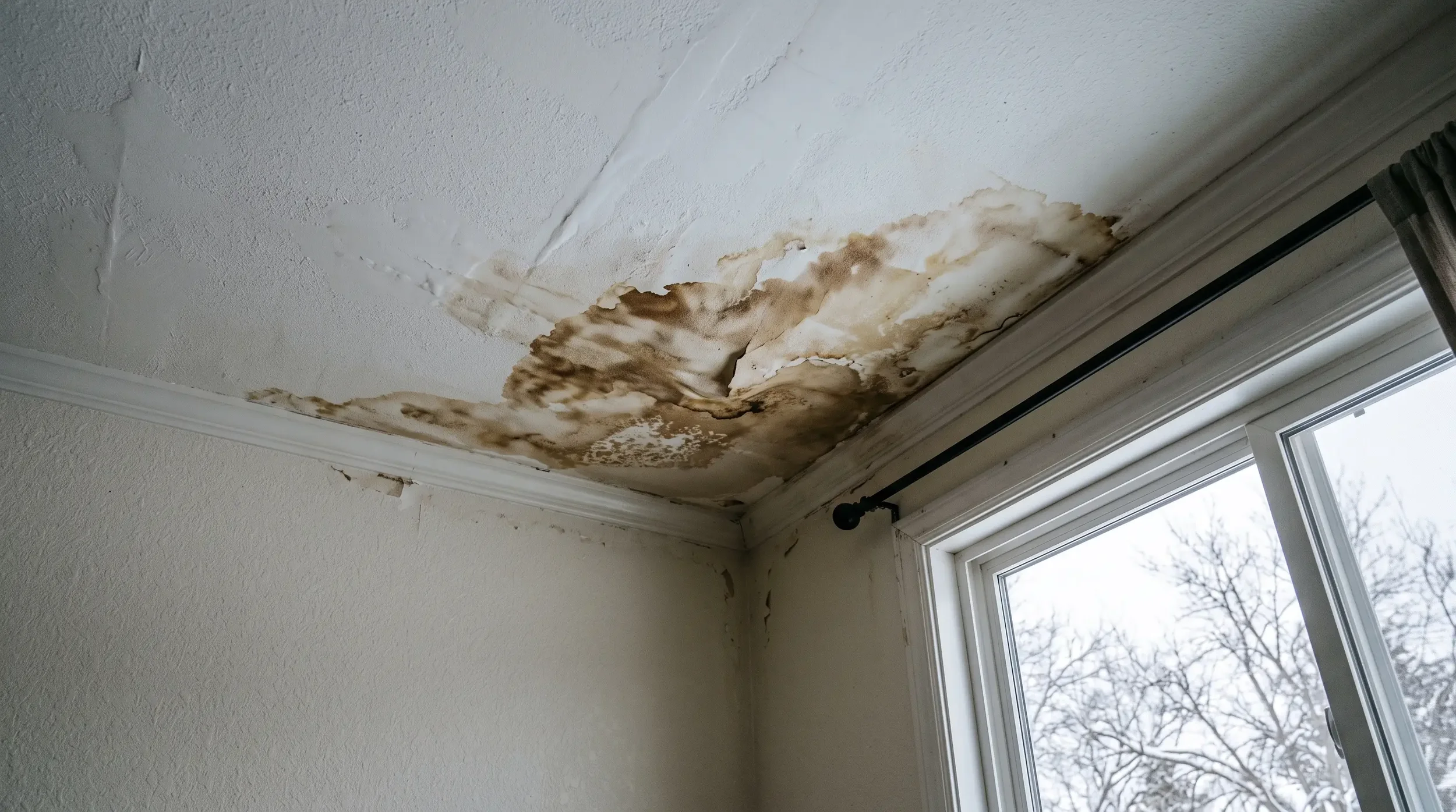
The Clock Your Insurer Is On in Minnesota
Ice dam season compresses everything. The thaw that reveals the damage is often the same week every other house on the block files, and carriers slow down under that volume.
Minnesota puts a floor under it. Minn. Stat. 72A.201 subd. 4 sets the standards for claim handling, and it makes failing to acknowledge a claim within ten business days of notice, or failing to promptly provide the forms and instructions needed to process it, an unfair settlement practice.
That does not force a number onto your settlement. It gives you something specific to cite when a file goes quiet, which works better than another voicemail. Note the date you gave notice and keep the acknowledgment.
One more Minnesota protection worth knowing before you sign anything with anyone. Under Minn. Stat. 72B.135 subd. 1, a homeowner who signs a contract with a public adjuster has 72 hours to cancel it in writing. Any adjuster who pressures you to sign at the kitchen table on the day of the loss is working against a right the state gave you.
When to Hire a Public Adjuster
A public adjuster is a licensed insurance professional who works for YOU—not the insurance company. They can:
- Assess the full extent of ice dam damage
- Document damage thoroughly and professionally
- Review your policy to identify every covered loss
- Negotiate directly with the insurance company
- Press for a settlement that matches the actual scope of the damage
Consider Hiring a Public Adjuster If:
- Your claim has been denied or underpaid
- The damage is extensive or complex
- You're dealing with hidden damage (mold, structural issues)
- You don't have time to manage the claim yourself
- The insurance company's adjuster seems to be missing damage
- You're getting a lowball settlement offer
What a Public Adjuster Actually Changes
The value is in the scope, not in a promise about the number. Ice dam damage hides in wall cavities, above ceilings and inside insulation, and a scope written off what was visible on inspection day routinely misses it. An independent adjuster documents the full extent, reads the policy for coverage the carrier did not volunteer—ordinance or law being the common one—and argues the difference with evidence rather than opinion.
Shoreline works on contingency, so the fee comes out of the recovery rather than up front. The percentage varies by state and claim type and is subject to each state's statutory caps.
Whether you own a single-family home or manage a multi-unit building, our team handles both residential property claims and commercial property claims throughout Minnesota.
Preventing Future Ice Dam Damage
The best ice dam claim is the one you never have to file. Here's how to protect your Minnesota home:
1. Air Sealing (Most Important)
Because warm air leaking into the attic is the primary cause of ice dams, sealing air leaks is the most effective prevention strategy:
- Seal gaps around light fixtures, plumbing vents, and electrical wires
- Caulk around attic hatches and access doors
- Seal ductwork connections
- Address recessed lighting (a major heat source)
2. Improve Attic Insulation
Minnesota homes need significantly more insulation than national standards suggest. Aim for:
- R-49 to R-60 insulation on attic floors
- Pay special attention to areas around chimneys and vents
- Ensure insulation doesn't block soffit vents
3. Proper Roof Ventilation
Ridge vents, soffit vents, and balanced airflow help keep your attic cold and prevent snow melt. However, mechanical attic ventilation is NOT recommended in Minnesota—it can create moisture problems and negative pressure issues.
4. Snow Removal
Use a roof rake to remove snow from the first 3-4 feet of roof edge after heavy snowfalls. Use a plastic-edged rake to avoid damaging shingles. Never use a shovel, ice pick, or blowtorch on your roof.
5. Professional Assessment
Consider hiring a weatherization contractor to conduct a blower door test and infrared camera inspection. They can identify exactly where heat is escaping and recommend targeted fixes.
What NOT to Do
- Don't install heating cables—they shorten roof life and increase energy costs
- Don't add roof vents randomly—improper ventilation can make problems worse
- Don't use chemicals or salt on your roof—they damage shingles and gutters
Frequently asked questions
Does homeowners insurance cover ice dams?
Standard Minnesota homeowners policies cover the sudden water damage an ice dam causes inside the home - stained and collapsed ceilings, soaked insulation, ruined drywall, damaged flooring and personal property. What they generally do not cover is removing the ice dam itself, repairing the roof wear that let it form, or damage the insurer can characterize as long-term seepage rather than a sudden loss. The coverage line falls between the water that got in and the ice that let it in.
Is ice dam removal covered by insurance?
Usually not as a repair, but often as mitigation. Most policies exclude the cost of removing the dam as a maintenance item, while separately obliging you to prevent further damage once a loss is underway. Emergency removal ordered to stop active water intrusion is frequently reimbursable under that duty-to-mitigate provision. Get the contractor to write the invoice as emergency mitigation tied to the date of loss rather than as seasonal roof service.
Can my insurer deny an ice dam claim because my attic insulation is poor?
They will try, and Minnesota building code is your counter. Minnesota Residential Code R905.1.2 requires an ice barrier running from the roof edge to at least 24 inches inside the exterior wall line, precisely so meltwater cannot reach the structure when a dam forms. If water got into your ceiling, the first question is whether that barrier was present and correctly installed, not whether your attic was cold enough. Insulation matters for prevention; it is not automatically a coverage defense.
How long does an insurer have to respond to an ice dam claim in Minnesota?
Minn. Stat. 72A.201 subd. 4 makes it an unfair settlement practice to fail to acknowledge a claim within ten business days of receiving notice, and to fail to promptly supply the claim forms and instructions needed to process it. That is an obligation on the carrier, not a deadline on your settlement, but it gives you something concrete to cite when a file stops moving. Record the date you gave notice.
Will ordinance or law coverage pay to bring my roof up to code?
If you carry it, often yes. Ordinance or law coverage pays the additional cost of meeting current building code during a covered repair, and it sits in a separate limit from your dwelling coverage. An older Minnesota roof may have no ice barrier or one that stops at the wall line rather than 24 inches past it, and the building official will require the current standard before the repair passes inspection. Check your declaration page for the endorsement before you agree to a scope.
How long do I have to file an ice dam claim in Minnesota?
Report it as soon as you see staining, dripping or a sagging ceiling rather than waiting for the thaw to finish, because policies require prompt notice and delay is the easiest argument a carrier has. Separately, if you hire a public adjuster, Minn. Stat. 72B.135 subd. 1 gives you 72 hours to cancel that contract in writing. Anyone pressuring you to sign on the day of the loss is working against a protection the state gave you.
Related reading
- Water damage claim calculator - sanity-check what your loss is actually worth.
- Minnesota winter damage claims - frozen pipes, roof collapse and the rest of the season.
- What a burst pipe costs to fix - the other January claim.
Don't Face Your Insurance Company Alone
Ice dam claims are complex. Insurance companies have teams of adjusters, lawyers, and experts working to minimize payouts. You deserve someone fighting for YOUR interests.
At Shoreline Public Adjusters, we handle ice dam and winter storm damage claims throughout Minnesota and Wisconsin. We know Northland weather, we read Minnesota policies for the coverage carriers do not volunteer, and we scope the damage that hides in walls and ceilings.
What We Offer:
- Free claim review—we'll assess your damage and policy at no cost
- No upfront fees—we work on contingency, so our fee comes out of the recovery
- Local expertise—we understand Lake Superior weather and Minnesota insurance law
- Independent scoping—we document the full extent of the loss, including what the carrier's adjuster missed
Whether you're filing a new claim, fighting a denial, or suspect you were underpaid, we can help.
Ready to Get Started?
Don't let the insurance company take advantage of you during one of the most stressful times of your life.
Schedule Your Free Ice Dam Claim Consultation
Or call us directly: 954-546-1899
We serve Duluth, Superior, Hermantown, Proctor, Cloquet, Two Harbors, and communities throughout Minnesota and Wisconsin.
Shoreline Public Adjusters, LLC is a licensed public adjusting firm serving Minnesota (License #40962416), Wisconsin (License #21156868), Florida (License #G199012), North Dakota (License #3004392416), and South Dakota. We maintain active membership in the National Association of Public Insurance Adjusters (NAPIA) and adhere to the highest professional standards.
Sources
- University of Minnesota Extension: Dealing with and Preventing Ice Dams
- Progressive Insurance: Is Ice Damage Covered by Homeowners Insurance?
- Claims Journal: Ice Dams Are Actually A Common Risk
- Policygenius: Does Homeowners Insurance Cover Ice Dam Damage?
- United Policyholders: Ice Dams and Insurance
- National Weather Service: Preventing Roof Ice Dams
- Minnesota Center for Energy and Environment: Dealing with Ice Dams
- Minnesota Rules 1303.1700: Ground Snow Load
- Minn. Stat. 72A.201: Standards for Claim Filing and Handling
- Minn. Stat. 72B.135: Public Adjusters