TL;DR: How to Read an Insurance Estimate
- Get every page first. In Florida, a residential insurer must send you a copy of its adjuster's detailed estimate within 7 days after it is generated.
- Read the summary page before the line items. It shows how the replacement cost total becomes the check: depreciation off, deductible off, net claim left.
- Every line item has four parts that matter: what the work is, the action code, the quantity with its unit, and the unit price.
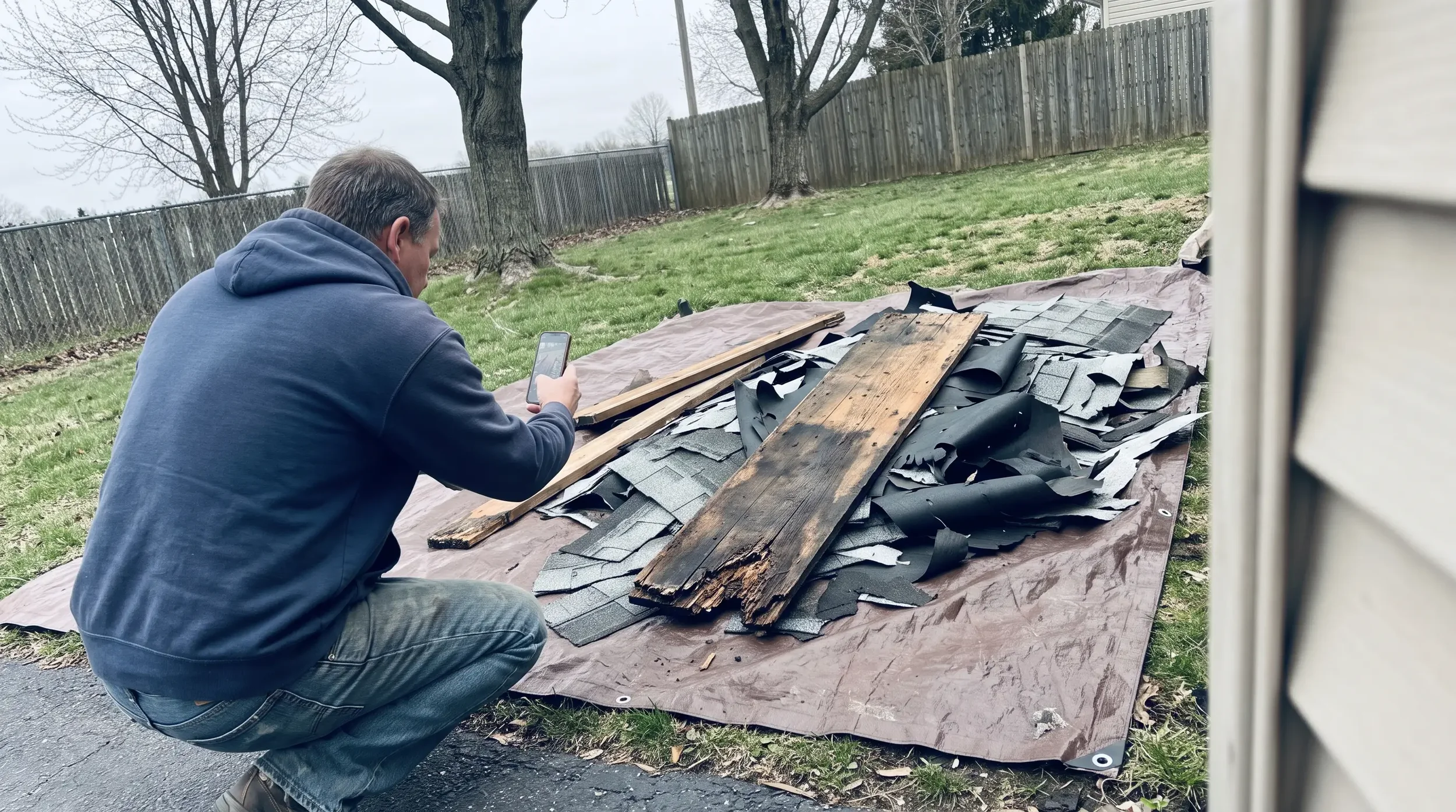
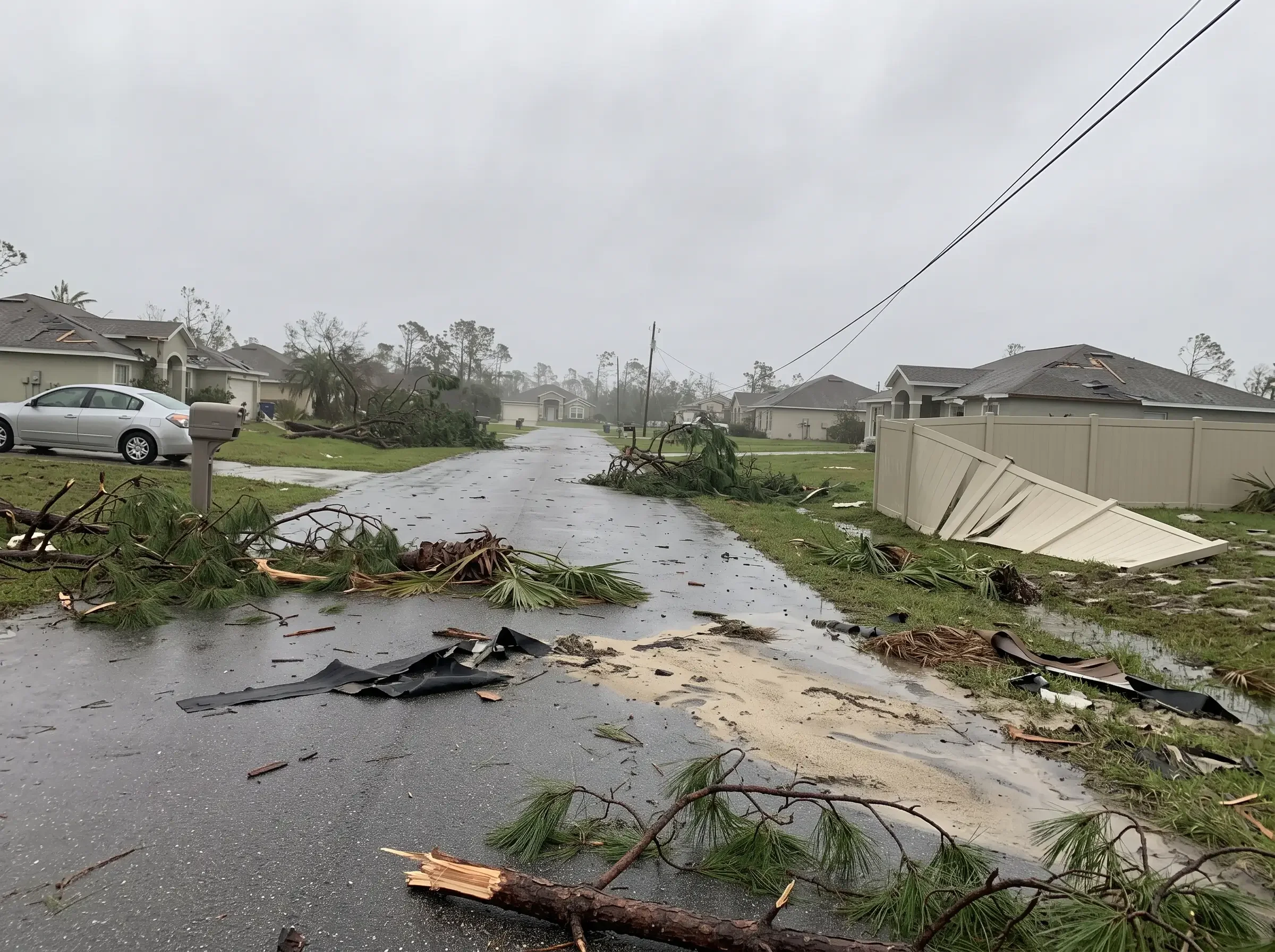
- Walk the house with the estimate in hand, room by room. Write down what is missing, measured short, or marked for repair when it needs replacing.
- Ask about each problem in writing, item by item. In Florida, a payment below the insurer's own detailed estimate on a residential claim has to come with a written explanation of the difference.
The insurer's estimate is the document your claim is paid from. It is long, coded and written for the people who price repairs, so it is easy to look at the total on the last page and stop there.
The total is the least useful number in it. What decides the check is the list above it: which rooms are on it, what each line says to do, and how much of it was measured.
Below: how to get the whole estimate, how to read the summary page and a single line item, how to check it against your house, and what to ask when the payment and the estimate do not match.
Have an estimate you can't make sense of?
Send it to us with a few photos of the damage. A licensed public adjuster will read it against what you are seeing. Start a claim review.
Get the Whole Estimate, Not the Check Letter
A payment letter and an estimate are different documents. The letter tells you the amount. The estimate shows how the insurer got there, and you need all of it: the summary page, every line item page, and any photos or sketch it refers to.
In Florida, the statute puts a clock on it. Fla. Stat. § 627.70131(3)(e) says the insurer "must send the policyholder a copy of any detailed estimate of the amount of the loss within 7 days after the estimate is generated by an insurer's adjuster."
The same paragraph says it does not require an insurer to create a detailed estimate if one is not reasonably necessary to investigate the claim. Section 627.70131 applies to residential property insurers.
A first estimate in Florida may also carry a notice in bold capitals. Under § 627.70131(6)(a), a preliminary or partial estimate must include the statement "THIS ESTIMATE REPRESENTS OUR CURRENT EVALUATION OF THE COVERED DAMAGES TO YOUR INSURED PROPERTY AND MAY BE REVISED AS WE CONTINUE TO EVALUATE YOUR CLAIM." Take the insurer at its word: it is a starting position, and it can change.
In Minnesota, Wisconsin, North Dakota and South Dakota, ask the adjuster in writing for the complete estimate with every page, and keep a copy of the request.
Read the Summary Page First
The summary page is where the line items become money. Find these five figures and write them down before you read anything else:
- Replacement cost value (RCV). What the listed work costs at new prices.
- Depreciation. What the insurer subtracted for age and wear, and whether each amount is marked recoverable or non-recoverable.
- Actual cash value (ACV). RCV minus depreciation.
- Deductible. Check it against your declarations page. Some policies carry a separate deductible for wind or hail.
- Net claim. What the insurer is paying now.
On a replacement cost policy, depreciation marked recoverable is held back and paid as the work is done or once it is finished, depending on your state and your policy. Depreciation marked non-recoverable is not coming back.
If the estimate does not say which it is, ask. How recoverable depreciation is released is its own request, with its own paperwork.
How to Read One Line Item
If your estimate came out of Xactimate, an estimating program, the codes on each line come from its own shorthand. New Jersey's Ida recovery programs publish a short Xactimate glossary so homeowners can read their scope reports, and the codes below are taken from it.
Each line has four parts that decide what it pays:
- The description. The material or task, such as drywall, baseboard, carpet pad or roof underlayment.
- The action code. R&R is remove and replace. R is detach and reset: take something off, store it and put it back. A plus sign means replace only.
- The quantity and unit. SF is square feet and LF is linear feet. SQ is squares, the unit for roofing. EA is each. Room measurements carry their own codes: W for square feet of walls, C for ceiling, F for floor and P for the room's perimeter.
- The unit price. The price for one unit, multiplied by the quantity, plus tax.
A line can be right on three of those and still pay too little on the fourth. Drywall priced for one wall when water reached four is a quantity problem. Flooring marked to clean when it has to come out is an action problem.
Check the Estimate Against the House, Room by Room
Take the estimate into each damaged room and read it with the damage in front of you. For each room, check:
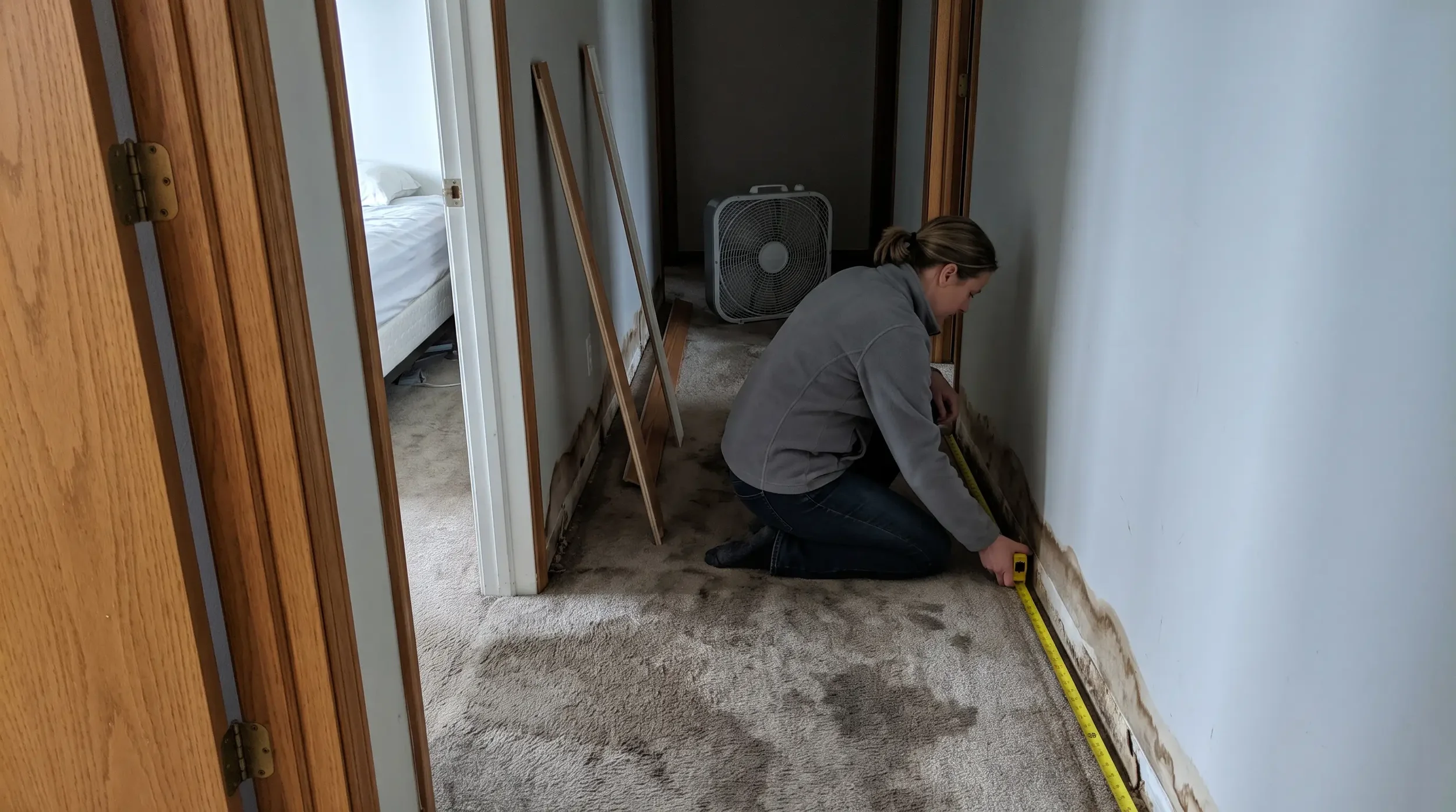
- Is the room on the estimate at all? A hallway or closet the water ran through can be left off entirely.
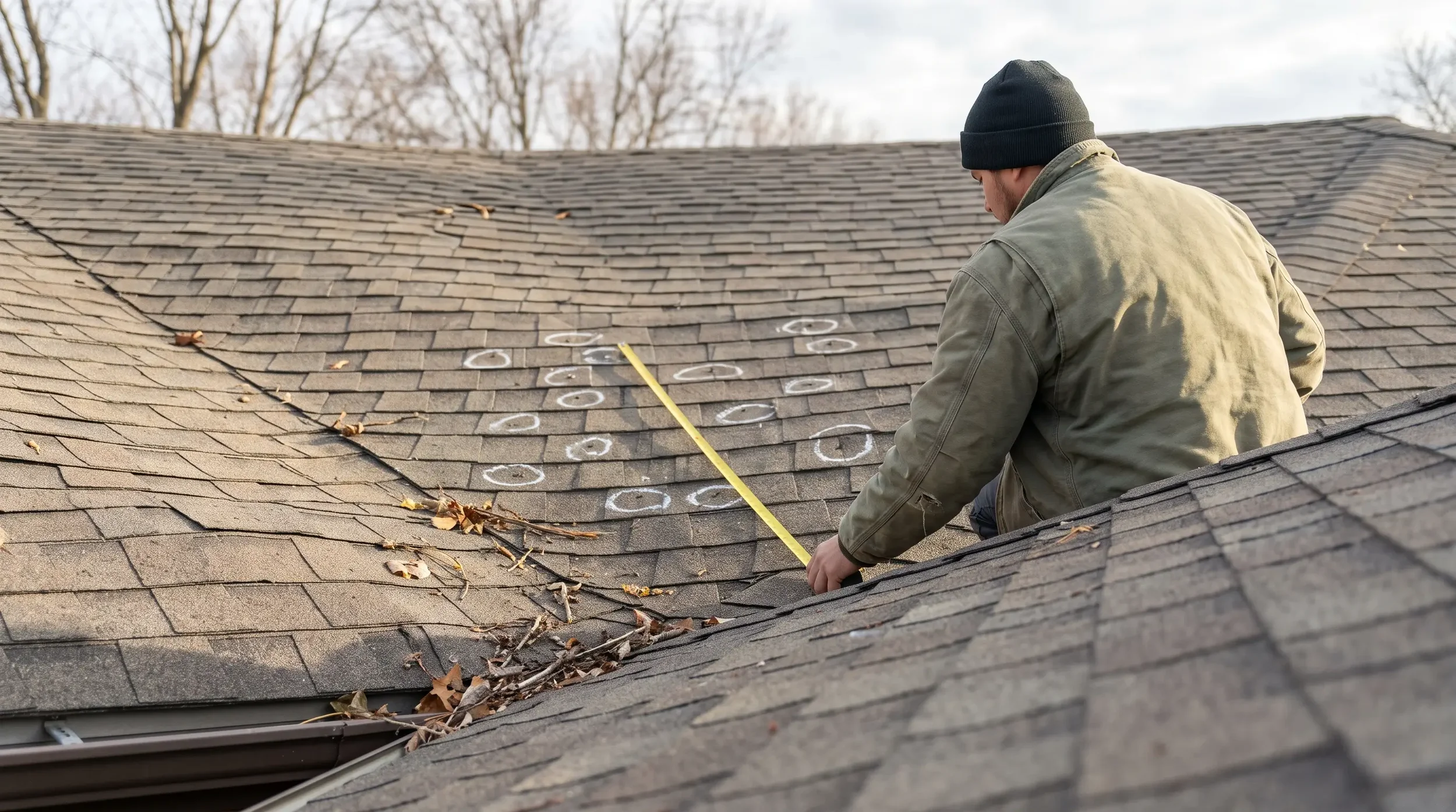
- Do the measurements match the room? Measure the walls and floor yourself. A wall count or a floor area that comes up short carries through to every line priced from it.
- Is each item marked for the right action? Remove and replace, detach and reset, or repair. Wet insulation and swollen cabinets are different jobs from a coat of paint.
- Is the work around the damage there? Moving and resetting contents, detaching fixtures, tear-out to reach the damage, debris haul-off, and any permit the repair needs.
- Do the materials match what was there? A plank floor written up as a cheaper grade, or a roof written up without the layers it had, prices a different house.
Two more lines to look for on the whole estimate. If the repair needs a general contractor to coordinate several trades, look for overhead and profit; whether your policy owes it depends on your policy and your state, so ask in writing if it is missing. And if code upgrades are part of the repair, look for them separately, because ordinance or law coverage has its own limit.
When the Payment and the Estimate Don't Match
Read the check against the summary page. If the numbers differ, find out why before you deposit it and move on.
In Florida, the statute requires an answer on a residential claim. Fla. Stat. § 627.70131(7)(a) says that if the claim payment "is less than specified in any insurer's detailed estimate of the amount of the loss, the insurer must provide a reasonable explanation in writing of the difference to the policyholder."
In every state, put your questions in one written list, item by item, with the line number, what you think is wrong and the photo or measurement that shows it. That list is also the start of a supplement request if the repair turns up more than the estimate covers.
From Our Files: Two Estimates, One House
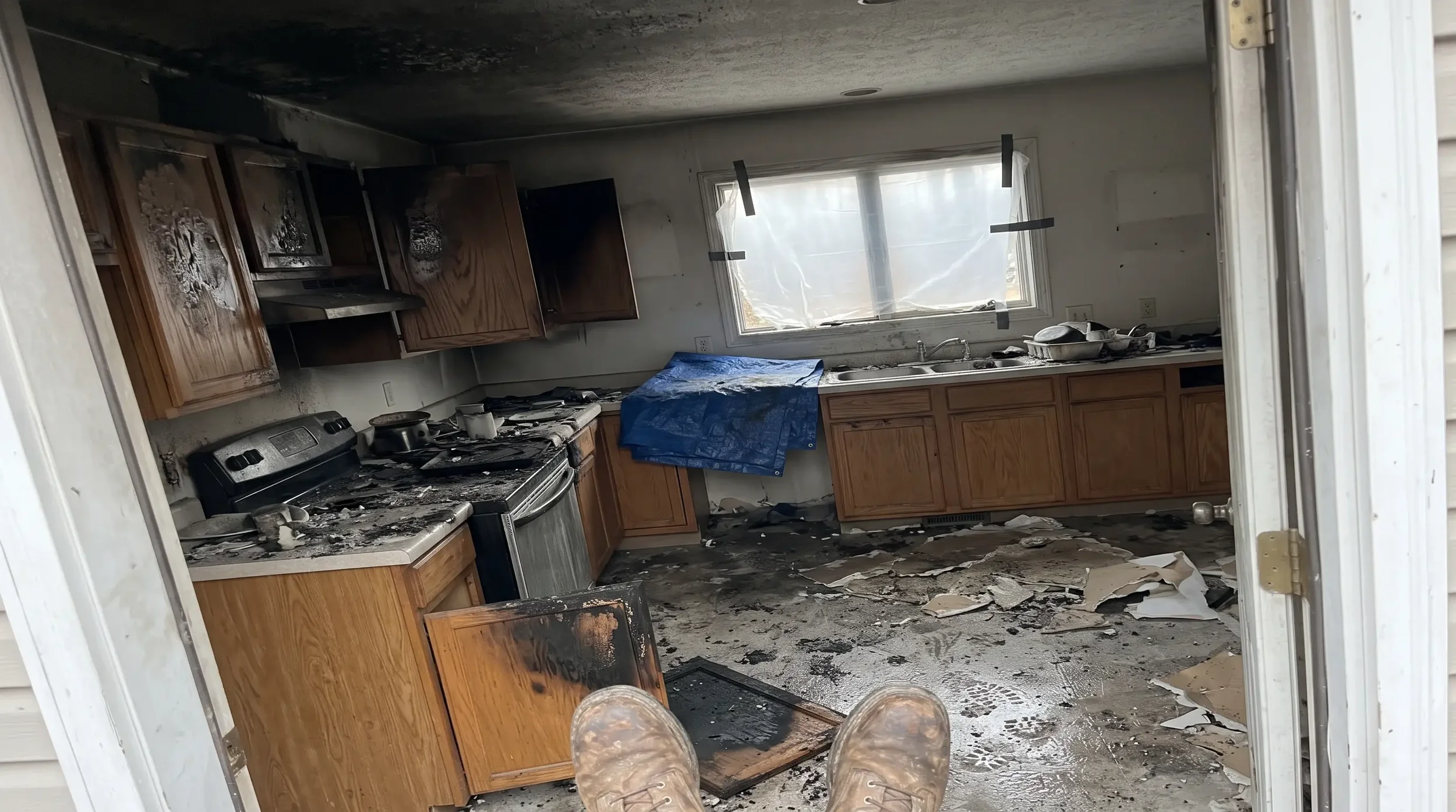
On a large fire loss we handled, the insurer's figure and our estimate for the same house were far apart.
Read side by side, the gap was not mostly about unit prices. It was about scope: what each estimate said had to be replaced at all.
The insurer's own counsel invoked appraisal. The panel came down on our side on several major parts of the house the two estimates had disagreed about.
A panel's position is not money in the bank, and I will not call it one. The lesson is about reading. Before you argue about what a line costs, check whether the line is there and whether it says replace.
Frequently Asked Questions
How do I read an insurance adjuster's estimate?
Start with the summary page, which turns the line items into a payment: the replacement cost total, the depreciation taken off it, the actual cash value, the deductible and the net claim. Then read the line items room by room against the damage you can see, checking each quantity, unit and action code. Write down every item that is missing, measured short or marked for repair when it needs replacing.
What does R&R mean on an insurance estimate?
In estimates written in Xactimate, R&R stands for remove and replace: tear out the damaged item and put in a new one. New Jersey's Xactimate glossary for its Ida recovery programs lists other action codes too, including R for detach and reset and a plus sign for replace only. A line marked as a repair or a clean where you need a replacement is worth a written question.
What is the difference between RCV and ACV on an estimate?
RCV is replacement cost value, the cost to repair or replace the item new. ACV is actual cash value, what is left after depreciation is subtracted. On a replacement cost policy, depreciation marked recoverable is held back and paid as the work is done or once it is finished, depending on your state and your policy. Depreciation marked non-recoverable is not paid back later.
Does my insurance company have to give me a copy of the estimate?
In Florida, residential property insurers must send the policyholder a copy of any detailed estimate of the amount of the loss within 7 days after the insurer's adjuster generates it, under Fla. Stat. § 627.70131(3)(e). The statute does not require an insurer to create one if it is not reasonably necessary to investigate the claim. In Minnesota, Wisconsin, North Dakota and South Dakota, ask the adjuster in writing for the complete estimate.
Can a public adjuster review my insurance estimate?
Yes. A public adjuster works for the policyholder on a property claim, never for the insurer, and checking the insurer's estimate line by line against the damage is part of that work. The review turns up what is missing, measured short or coded for the wrong action, and puts it in writing for the insurer. Shoreline Public Adjusters holds licenses in Minnesota, Wisconsin, Florida and North Dakota, and serves South Dakota as well.
Before You Sign Off on the Number
If the estimate leaves out a room, measures a wall short or marks something for repair that has to be replaced, the time to raise it is before the claim closes. Send us the estimate and your photos. A licensed public adjuster will tell you which lines to question. Ask us for a claim review, or read what our insurance claim support service covers after that. To see how depreciation changes your number, try our ACV vs RCV calculator.
Related Reading
- Underpaid insurance claims: what to do once your reading of the estimate shows the claim came in short.
- Insurance claim supplements: the request that adds what the estimate never listed.
- The appraisal clause: the route when you and the insurer read the same estimate and still disagree on the amount.
Sources
- Fla. Stat. § 627.70131: insurer's duty to acknowledge communications regarding claims; investigation (read 2026-11-17)
- New Jersey Department of Community Affairs, Xactimate Glossary Tip Sheet, Ida Recovery Programs (Version 1.1, November 2024; read 2026-11-17)
Shoreline Public Adjusters, LLC is licensed in Minnesota (MN 40962416), Wisconsin (WI 21156868), Florida (FL G199012), North Dakota (ND 3004392416), and South Dakota.
Shoreline Public Adjusters, LLC
780 Fifth Avenue South
Suite #200
Naples, FL 34102
Email: hello@teamshoreline.com
Phone: 954-546-1899
Fax: 239-778-9889