
Public Adjuster Minnesota
Licensed Public Adjusters Fighting for Maximum Settlements on Minnesota Property Damage Claims
✓ No Fee Unless We Recover
✓ Featured on Forbes, Realtor.com & Insurance.com
✓ 5 Stars on Google
Fill Out the Form Below to Get Started With your Free Claim Review:

Hail, ice dams, frozen pipes, and windstorms have devastated Minnesota. The May 2022 hailstorm alone caused $2.6 billion in damages (NOAA Billion-Dollar Weather and Climate Disasters), and a 2023 thunderstorm produced another $1.5 billion in hail and wind losses. Minnesota insurers paid an estimated $589 million in water damage and freezing claims in 2024 alone (Minnesota Insurance Federation), and Minnesota leads the nation in expected wind property damage losses at $112 million annually (FEMA National Risk Index). Insurance carriers routinely deny claims and underpay what they owe.
Shoreline Public Adjusters fights for Minnesota homeowners—from Twin Cities neighborhoods to Duluth, Rochester, and across the entire state. We've recovered millions for clients on hail damage, ice dam water intrusion, windstorm losses, and frozen pipe claims that carriers tried to minimize or reject outright. Our job is to maximize what you receive, not what the insurance company wants to pay.
We are licensed (License #40962416), bonded, and on your side—never the insurance company's.








As Seen On:










Get Your Free Minnesota Claim Review


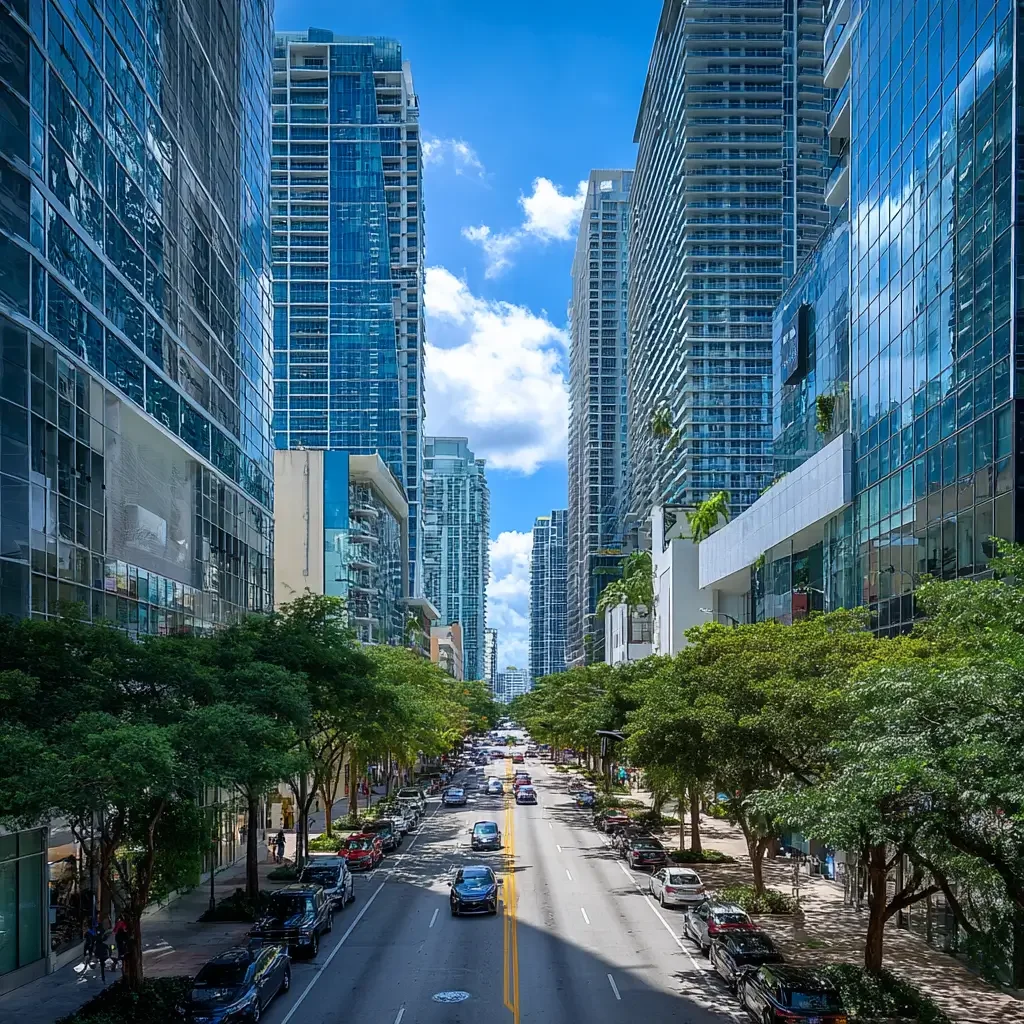

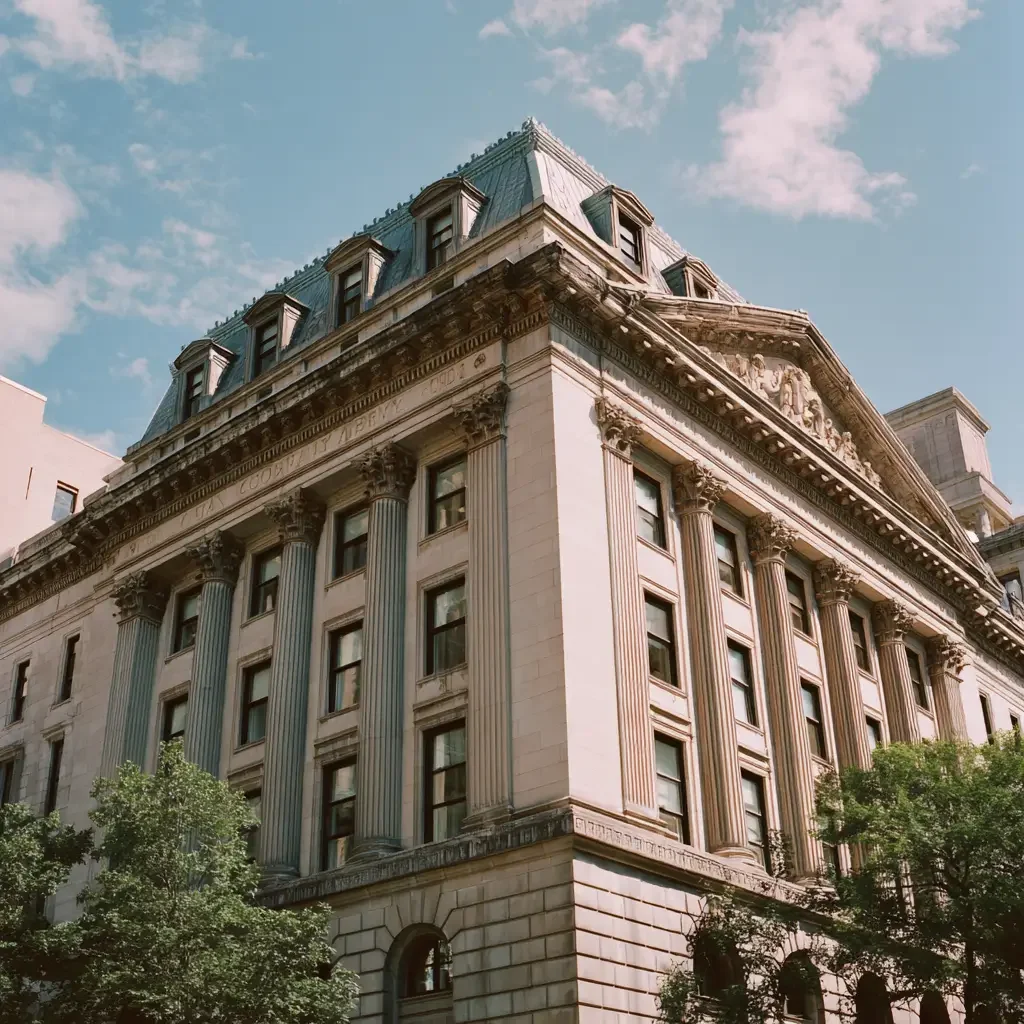
Areas We Serve Across Minnesota
Shoreline Public Adjusters provides claim evaluation and damage assessment across Minnesota. Whether you're in the Twin Cities, Southern Minnesota, or the North, we're here to maximize what your insurance company owes you.
Twin Cities Metro
Minneapolis (Downtown, Uptown, North Loop, Southwest), St. Paul (Highland Park, Summit Hill, Como, Midway), Bloomington, Plymouth, Maple Grove, Brooklyn Park, Minnetonka, Eden Prairie, Eagan, Burnsville, Woodbury, Lakeville, Edina, Richfield, Apple Valley
Southern Minnesota
Rochester, Mankato, Owatonna, Faribault, Winona, Albert Lea, Austin, Red Wing, Northfield, New Ulm, Worthington, Marshall
Northern Minnesota
Duluth, St. Cloud, Moorhead, Bemidji, Brainerd, Fergus Falls, Alexandria, Hibbing, Grand Rapids, Virginia, International Falls, Detroit Lakes
Handling a claim in any part of Minnesota? Contact our public adjuster team for a free damage assessment. It costs nothing for us to review your policy and evaluate your loss.
Types of Property Damage We Handle in Minnesota
Minnesota's extreme climate cycle — from baseball-sized hail and straight-line winds in summer to ice dams, frozen pipes, and snow-load collapse in winter — creates overlapping damage that carriers exploit to minimize payouts. Our experience handling multi-cause property damage claims across the Twin Cities metro, southern Minnesota farmland, and northern lake communities means we understand the specific failure patterns, carrier denial tactics, and Minnesota case law that determine whether your claim gets paid in full. If a carrier paid part of your claim and stopped, see how to prove an underpaid insurance claim.
Hail Damage
NOAA put the May 19, 2022 Minnesota hailstorm at an estimated $2.6B. Carriers use "cosmetic damage" exclusions to deny roof and siding claims.
Minnesota's geographic location makes it vulnerable to severe hail events. The May 19, 2022 hailstorm, with hail up to baseball size in Albert Lea, was one of three Minnesota severe weather events from May 2022 on NOAA's Billion-Dollar Weather and Climate Disasters list, with damage estimated at $2.6 billion as of October 2023 (Minnesota DNR). Cosmetic damage exclusions are the main fight on hail claims. In Cannon Falls Area Schools v. Hanover American Insurance Co., a federal district court read one to bar hail dents on metal roofs that had not leaked, but in July 2026 the Eighth Circuit vacated that ruling, holding that a roof that no longer keeps out the elements to the same extent as before can fall outside the exclusion even without a leak. Minnesota's Cedar Bluff decision is the authority policyholders cite when matching siding is no longer available. Granule loss on shingles often goes unnoticed until leaks develop. Many siding replacements become full-home replacements due to discontinuation of original materials, yet carriers refuse matching coverage. We fight back by documenting actual functional impairment that goes beyond cosmetic dents.
Wind & Tornado
Minnesota leads the nation in expected wind property damage at $112M annually (FEMA National Risk Index). Straight-line winds and tornadoes tear through metro and rural areas.
Minnesota experiences both straight-line wind events and tornado activity that cause significant property damage, and the state ranks first in the country for expected annual wind property damage losses at $112 million per year, according to FEMA National Risk Index data. Wind patterns in the state can exceed 60+ mph during severe storms, impacting roofing, siding, and structural components. Roof sheathing loss from wind can compromise the entire roofing system. Siding damage and debris impact penetration often go unrepaired when carriers deny claims based on "pre-existing wear and tear." Minnesota properties suffer roof decking failure, window damage, and gutter system destruction. Carriers commonly deny wind claims citing insufficient documentation, forcing property owners to bring in engineers and public adjusters to prove causation.
Water & Flood
Spring snowmelt flooding, basement seepage, and sewer backup affect Minnesota homes every year. Carriers dispute coverage between flood and water damage policies.
Minnesota's climate creates unique water damage challenges. Spring snowmelt flooding affects communities along the Mississippi and Minnesota Rivers in many years. Basement seepage and groundwater intrusion plague Minnesota properties during wet seasons. The standard homeowners form excludes sewer and drain backup unless an endorsement adds it, and that endorsement carries its own limit. Sump pump failures during heavy precipitation events can inundate basements within hours. Basement water intrusion damages foundations, HVAC systems, electrical panels, and stored items. Minnesota carriers frequently deny water damage claims by asserting that water originated from "exterior" sources rather than covered water damage perils. Proving the exact source of water entry becomes critical in Minnesota water damage disputes.
Ice Dam Damage
Minnesota's freeze-thaw cycles create ice dams that back water under shingles and into ceilings. Carriers blame "maintenance" to deny ice dam water intrusion claims.
Ice dam formation is endemic to Minnesota winters. The freeze-thaw cycles that characterize Minnesota climate create ideal conditions for ice dams along roof eaves. Minnesota building code (which adopts IRC R905.1.2) requires ice barriers to extend from the lowest edges of all roof surfaces to a point at least 24 inches inside the exterior wall line — yet many older Minnesota homes lack this protection. Water backing up behind ice dams infiltrates under shingles and drips into ceiling cavities, walls, and insulation. The resulting damage often goes unnoticed until mold develops or structural decay occurs. Carriers often deny ice dam claims by asserting homeowners failed to maintain "proper attic ventilation" or remove snow—arguments that shift responsibility away from the carrier. Proving that ice dam damage resulted from a sudden weather event rather than gradual maintenance negligence is a complex battle in Minnesota insurance disputes. Engineering reports are often necessary to establish causation and carrier liability.
Fire & Smoke
Winter heating fires and electrical failures cause significant Minnesota fire damage. Carriers underpay smoke damage restoration and content claims.
Minnesota's harsh winters drive increased use of heating equipment, leading to fire risks. Space heater fires occur frequently when Minnesota residents attempt to supplement inadequate heating systems. Chimney fires develop in Minnesota fireplaces due to creosote buildup. Electrical fires from overloaded circuits in winter months damage homes and destroy contents. Smoke permeation through HVAC systems distributes toxic particles throughout the entire Minnesota property. Content loss documentation becomes critical—carriers typically underpay claims for smoke-damaged personal items by using outdated replacement cost estimates. Smoke damage remediation costs often exceed initial carrier estimates. Minnesota properties require professional cleaning, odor removal, and structural restoration that carriers frequently underpay or deny entirely.
Mold Damage
Hidden moisture from ice dams, frozen pipes, and basement flooding creates ideal mold conditions in Minnesota homes. Policies often put mold under a separate, smaller limit.
Minnesota's climate creates persistent moisture conditions that foster mold growth. Mold develops behind walls after winter water events including ice dam damage, frozen pipe failures, and basement flooding. Minnesota homeowners often discover extensive mold contamination months after the initial water intrusion event. The standard homeowners form excludes mold generally but covers mold hidden inside walls, ceilings or floors that results from an accidental discharge from plumbing, and a policy may add its own mold limit. Proving causation—that mold grew from ice dam water or burst pipes rather than poor ventilation—requires expert testing and documentation. Remediation can cost more than a policy's mold limit, leaving the difference to the homeowner unless the damage can be tied to a covered loss. Structural damage from mold can compromise the entire home's integrity and resale value.
Roof Damage
Minnesota roofs take a beating from hail, ice dams, snow load, and wind. Carriers use age and "cosmetic damage" exclusions to reduce payouts.
Minnesota roofs endure year-round assault from severe weather. Shingle damage from hail versus ice dams requires expert analysis to document causation and trigger carrier responsibility. Snow load stress on Minnesota roof rafters can cause structural failure—particularly in older homes with inadequate support. Matching disputes, where Minnesota's Cedar Bluff decision is the usual authority, arise when the original shingles are discontinued. Age-based depreciation cuts the first payment on older roofs, so the holdback has to be tracked and claimed. Engineering reports are frequently necessary to prove structural damage and establish adequate repair costs. Minnesota roofing claims often escalate into disputes over whether damage resulted from a covered peril or pre-existing wear, with carriers weaponizing ambiguity to reduce payouts.
Frozen Pipe & Winter Water
Minnesota insurers paid an estimated $589 million in 2024 for water damage and freezing claims (Minnesota Insurance Federation). Carriers deny when they can argue homeowners failed to maintain heat. Our burst pipe insurance claim guide explains the freeze exclusion.
Subzero temperatures freeze and burst pipes in Minnesota homes every winter, and Minnesota insurers paid an estimated $589 million in 2024 for water damage and freezing claims, many of them involving burst pipes, ice dams, and other winter-related problems (Minnesota Insurance Federation). Water released from burst pipes cascades through multiple floors, destroying insulation, drywall, flooring, and personal property. The standard homeowners form excludes freeze damage unless the owner used reasonable care to maintain heat in the building or to shut off the water supply and drain the system, and carriers deny claims by arguing that care wasn't taken. Some policies add vacancy or occupancy conditions that carriers raise on second homes and properties left unheated. Snowbird property owners and vacation home landlords in Minnesota face particular vulnerability to carrier denials. Burst pipe damage extends beyond the immediate pipe location—water intrusion damages electrical systems, HVAC equipment, and structural components. Many Minnesota frozen pipe claims turn into disputes over causation and homeowner negligence rather than straightforward coverage approvals.
Commercial & Business
Minnesota businesses face hail damage to roofs and facades, winter water intrusion, and business interruption from storm closures. Commercial policies have different rules.
Minnesota commercial properties face unique damage exposures. Commercial roofs sustain hail damage to membranes and metal components, often requiring replacement rather than repair. Business facades and storefronts suffer hail and wind damage that carriers undervalue. Winter water intrusion affects Minnesota commercial buildings through roof leaks, sump pump failures, and frozen drainage systems. Business interruption disputes in Minnesota often arise when carriers refuse to pay for revenue loss during mandatory closures following storms or water damage. Minnesota strip mall and office building claims involve shared responsibility disputes—determining which tenant or which building owner bears repair costs becomes complex. Agricultural properties in Minnesota suffer hail damage to grain storage, equipment, and structures. Percentage wind and hail deductibles on some commercial policies mean business owners absorb significant costs before coverage pays. Inventory loss documentation and business records preservation are critical for Minnesota commercial claims.
Why Minnesota Property Owners Need a Public Adjuster
Your Carrier Works for Their Bottom Line — Not Your Recovery
Carriers profit by paying less. Their adjuster works for them, not you. They use "cosmetic damage" exclusions, age-based depreciation, and deliberately low initial offers to reduce payouts.
Minnesota homeowner insurance premiums rose 34% in 2025 — the largest increase of any state in the country, according to Insurify's analysis released in March 2026. Carriers collect more while paying less. They have teams of adjusters and lawyers. You're on your own.
A public adjuster in Minnesota levels the field. We work for you. Our fee only gets paid when your settlement arrives. There is no upfront cost, no consultation fee, and no risk to you. If we don't increase your settlement, you owe us nothing.
Minnesota Weather Creates Complex, Multi-Cause Damage
Hail, ice dams, frozen pipes, and wind often strike in the same storm. A single Minnesota winter can produce overlapping damage from multiple causes. Carriers separate each cause to minimize coverage. They call hail damage "cosmetic." They blame ice dams on "poor upkeep." They deny frozen pipe claims by saying you "failed to heat your home."
The numbers tell the story. Minnesota insurers paid an estimated $589 million in 2024 for water damage and freezing claims, many of them involving burst pipes, ice dams, and other winter-related problems (Minnesota Insurance Federation). The May 2022 hailstorm caused $2.6 billion in damages statewide (NOAA Billion-Dollar Weather and Climate Disasters), and a 2023 thunderstorm produced another $1.5 billion in hail and wind losses. Carriers have denial templates ready for each damage type.
A public adjuster documents the full picture. We prove which damage came from covered events. We show how one event triggered multiple losses. We force carriers to cover the whole chain — not just the pieces they choose to acknowledge.
A 2010 Florida government study of Citizens Property Insurance claims found that payments on non-catastrophe claims were an estimated 574% higher with a public adjuster involved, before the adjuster's fee, and that those claims took longer to settle.
We handle the paperwork. We track the deadlines. We negotiate with the carrier. Minnesota's claim-handling deadlines under §72A.201 and appraisal rights under §65A.01 give us tools — but only if someone is watching them. We invoke Cedar Bluff matching when your siding can't be color-matched. We challenge cosmetic exclusions with engineering reports. We use every legal tool Minnesota gives us — including §65A.10's code-upgrade coverage requirements, reaffirmed by the Minnesota Supreme Court in Great Northwest Insurance Co. v. Campbell (Minn. 2025).
Most policyholders don't know these rights exist. Carriers count on that. We enforce them — every deadline, every statute, every right your Minnesota policy gives you. Shoreline Public Adjusters, Minnesota License #40962416. Call us before you accept a low offer or a wrongful denial.
How We Handle Your Minnesota Insurance Claim
Minnesota homeowners face unique weather challenges — hail, ice dams, frozen pipes, wind, and heavy snow loads — each creating distinct damage patterns. Minnesota law also sets strict carrier deadlines: acknowledgment within 10 business days, and a decision within 60 business days after the insurer receives a properly executed proof of loss. Shoreline Public Adjusters knows Minnesota statutes inside out. We inspect thoroughly, file claims the carriers cannot ignore, enforce every deadline, and recover the full settlement you deserve.
Inspect Your Minnesota Property and Document Damage
We conduct a thorough inspection using thermal imaging, moisture meters, and drone technology to find visible and hidden damage from hail, ice dams, frozen pipes, or wind.
Our multi-hour inspection maps damage by cause. For hail, we document impact patterns on roofs, siding, gutters, and HVAC units, measuring granule loss and photographing directional strikes. For ice dams, we trace water paths from roof edge through attic and into ceilings and walls, identifying freeze-thaw cycles that breach sheathing. For frozen pipes, we locate burst points and map water spread through floors and walls, checking for mold before it advances. For wind, we document debris fields and directional shingle loss across your property. We photograph pre-loss conditions and obtain National Weather Service data for the storm date. This detailed inspection becomes the foundation of your claim — the document the carrier will have to answer to.
Review Your Minnesota Policy and File the Claim
We analyze your homeowners policy for coverage, exclusions, and deductible structure, then file your claim with complete documentation the carrier cannot ignore.
Minnesota policies vary widely. Some exclude cosmetic hail damage, others cap mold at $5K to $10K, and many carry separate wind or hail deductibles up to $5,000 or higher. We identify coverage for code upgrades under Minnesota Statute §65A.10, which requires replacement cost insurance to cover "the cost of replacing, rebuilding, or repairing any loss or damaged property in accordance with the minimum code as required by state or local authorities." The Minnesota Supreme Court reaffirmed and clarified this rule in Great Northwest Insurance Co. v. Campbell, A23-0519 (Minn. July 30, 2025), holding that insurers must cover the cost of all repairs necessary to bring the damaged portion of the property into code compliance — even when those repairs touch undamaged components (such as new roof sheathing required to install replacement shingles per code). We check whether Cedar Bluff matching rights apply if siding or roofing cannot be matched to original materials. We file your claim with our damage assessment, weather data, repair estimates from licensed Minnesota contractors, and supporting photographs. We ensure your sworn proof of loss separates all damage by cause, so no covered loss gets excluded because the carrier misgroups it.
Negotiate with Carriers and Enforce Minnesota Deadlines
Minnesota law requires insurers to acknowledge a claim within 10 business days, and to accept or deny it within 60 business days after receiving a properly executed proof of loss. We track every deadline and push back on lowball offers.
Under Minnesota statute §72A.201, carriers must acknowledge your claim within 10 business days, complete their investigation and accept or deny the claim within 30 business days after notice unless the investigation cannot reasonably be completed in that time, and accept or deny within 60 business days after receiving a properly executed proof of loss. We track all deadlines and send demand letters when carriers issue low offers, citing our inspection data, contractor estimates, and the policy language. We challenge "cosmetic damage" exclusions using Minnesota case law — including the 2025 Cannon Falls federal district court decision, which gives carriers some footing on truly cosmetic dents but does not give them a blanket pass on actual functional impairment. We invoke Cedar Bluff matching when color mismatches would leave your property looking patched rather than repaired. If a carrier acts in bad faith — denying without reasonable basis or delaying beyond statutory deadlines — we document violations under Minnesota statute §604.18, which allows recovery of additional damages of up to $250,000 (one-half of any proceeds awarded above the carrier's pre-trial offer) plus up to $100,000 in reasonable attorney fees.
Collect Your Minnesota Settlement and File Supplements
We secure your settlement, coordinate with contractors, and file supplemental claims when hidden damage surfaces during repairs.
Once the carrier agrees to your settlement, we review the payment against our original estimate to ensure nothing was excluded. We advise you on release documents — signing a full release without reserving rights can prevent supplemental claims later. During repairs, contractors frequently uncover hidden damage: mold behind walls after ice dam leaks, rotted sheathing under old shingles, water damage under flooring from burst frozen pipes. We file supplements immediately with contractor photographs and documentation. If the carrier's final offer remains unreasonable, we invoke the appraisal process under Minnesota statute §65A.01 — each side selects an appraiser within 20 days, and those appraisers select an umpire within 15 days. The appraisal panel's award on the amount of loss is binding on both you and the carrier.
Minnesota Insurance Laws That Protect Your Claim
Minnesota's Carrier Response Deadlines
Under §72A.201 (Unfair Claims Settlement), carriers must acknowledge your claim within 10 business days of notice. They must complete their investigation and accept or deny the claim within 30 business days of notice, or tell you why the investigation is not complete and when they expect to finish. Once they receive a properly executed proof of loss, they have 60 business days to accept or deny.
The carrier must also reply within 10 business days to your other claim communications that reasonably call for a response, and a denial must be in writing and cite the policy provision it relies on.
We track every deadline. When a carrier misses one, it strengthens your position. Delays can become evidence of bad faith under §604.18. Missed deadlines force carriers back to the table — and give us leverage in every negotiation.
The Valued Policy Law Protects Total Losses
Under §65A.08 (Valued Policy Law), if your Minnesota building is "wholly destroyed," the carrier must pay the full amount stated in your policy. No argument about actual value. No depreciation tables. The policy amount is binding.
This prevents carriers from hiring their own appraiser to lowball your loss. The damage is total. The coverage is total. Courts apply three tests to decide if a loss is total: the prudent person test, the identity test, and the constructive total loss test. If any one applies, the full policy value is owed.
In a major hailstorm or fire, this rule saves thousands. Your policy value becomes your recovery floor — not a starting point for the carrier to negotiate down.
Bad Faith Protections Give You Leverage
Under §604.18, if a carrier denies your Minnesota claim without a reasonable basis, you can pursue bad faith damages. The statute allows additional damages of up to $250,000 (calculated as one-half of any proceeds awarded above the carrier's pre-trial offer) plus up to $100,000 in reasonable attorney fees. These are significant penalties for unreasonable denials.
Bad faith isn't just wrong denials. It's denials the carrier knows lack support, or recklessly ignores the lack of support. Carriers must show they conducted a reasonable investigation and had reasonable grounds for their decision. Skipping steps or ignoring evidence counts against them.
We document every carrier delay, every unreasonable request, every denial without cause. We build the bad faith record from day one. Carriers know this. They settle faster when bad faith exposure is real and the paper trail is strong.
Cedar Bluff v. American Family (2014): The Matching Rule
Minnesota's landmark Cedar Bluff Townhomes Condominium Ass'n v. American Family Mutual Insurance Company ruling (Minn. 2014) requires carriers to provide a "reasonable color match" when replacing damaged siding or roofing in Minnesota. If the original material is no longer made, the carrier may need to replace undamaged sections to achieve a match. A visible mismatch is itself a "direct physical loss" under Minnesota law.
Cedar Bluff is your legal hammer against initial denials. We cite it on every Minnesota slate, cedar-shake, and historic-roof claim we file.
Cannon Falls (D. Minn. 2025): The New Front in Cosmetic Damage Disputes
Minnesota's most recent cosmetic-damage decision is Cannon Falls Area Schools, ISD 252 v. Hanover American Insurance Co., No. 24-cv-3383 (D. Minn. Oct. 21, 2025). The federal district court upheld a cosmetic damage exclusion on hail dents to metal roofs that did not leak or otherwise compromise the roofs' ability to function as barriers to the elements. The ruling specifically turned on whether the roof continued to perform that barrier function — not on whether the dents existed.
The takeaway for Minnesota homeowners: carriers will lean harder on cosmetic exclusions after Cannon Falls, but the decision does not give them a blanket pass. If hail damage on your roof affects your home's ability to protect against weather — granule loss exposing asphalt to UV, punctures, water intrusion, structural compromise — that's functional damage, not cosmetic. We document those impairments through engineering inspections that go far beyond the carrier's quick walkthrough.
§65A.10 and Great Northwest v. Campbell (Minn. 2025): Code Upgrades on Repairs
Under Minnesota Statute §65A.10, replacement cost insurance "must cover the cost of replacing, rebuilding, or repairing any loss or damaged property in accordance with the minimum code as required by state or local authorities." This is the statutory backbone for code-upgrade coverage in Minnesota.
The Minnesota Supreme Court reaffirmed and clarified this rule in Great Northwest Insurance Co. v. Campbell, A23-0519, 24 N.W.3d 256 (Minn. July 30, 2025). Hail damaged a homeowner's roof shingles, and code required new sheathing before the new shingles could be installed. The carrier denied coverage for the sheathing as "undamaged." The court held that §65A.10 requires the insurer to cover the cost of all repairs necessary to ensure that the damaged portion of the property can be repaired in compliance with code — even when those repairs include work on undamaged components.
Practical example: Your Minnesota roof is damaged by hail. Local code now requires a higher wind rating and ice barriers that extend at least 24 inches inside the exterior wall line (per IRC R905.1.2). Under §65A.10 and Great Northwest, the carrier must pay for code-required upgrades necessary to complete a code-compliant repair of the damaged portion — even if those upgrades touch undamaged sections.
(One limit from Great Northwest: contractor overhead and profit are NOT automatically covered as code-required costs. The court enforced the policy's overhead-and-profit exclusion because Campbell did not show those costs were a required part of code compliance.)
Why Choose Shoreline Public Adjusters in Minnesota
We Know Minnesota Weather Damage Inside and Out
Hail, ice dams, frozen pipes, wind, and snow load — we handle them all. Minnesota experienced $2.6 billion in damages from the May 2022 hailstorm (NOAA Billion-Dollar Weather and Climate Disasters), and a 2023 thunderstorm produced another $1.5 billion in hail and wind losses. Minnesota insurers paid an estimated $589 million in water damage and freezing claims in 2024 alone (Minnesota Insurance Federation), and the state leads the nation in expected wind property damage at $112 million annually (FEMA National Risk Index).
We know exactly how carriers respond to each damage type in Minnesota. We know where they cut corners. We know their favorite denial reasons — "cosmetic damage" for hail, "poor upkeep" for ice dams, "failure to heat" for frozen pipes. We know how to fight back against every one of them.
Your carrier may be national. We're Minnesota specialists. That difference matters when your claim depends on state-specific case law and weather patterns that national firms don't understand.
We Fight Cosmetic Damage Exclusions
Since the 2025 Cannon Falls ruling, carriers lean hard on "cosmetic damage" exclusions to deny hail claims on roofs that still function. They argue: the roof doesn't leak, so it's just cosmetic. This tactic has become the number one denial strategy for Minnesota hail claims.
We prove functional impairment through engineering inspections. We show granule loss that exposes the underlying asphalt to UV rays. We document punctures, cracks, and structural compromise that carriers ignore. We separate what's truly cosmetic from what affects your roof's ability to protect your home.
A roof with visible hail strikes and missing granules isn't cosmetic. It's damaged. We make carriers understand the difference — with evidence they can't dismiss.
We Enforce Cedar Bluff Matching Rights
When your siding or roofing can't be perfectly matched, carriers want to patch the damaged area only. The Cedar Bluff ruling says that's not good enough. A visible mismatch is itself a direct physical loss under Minnesota law. The carrier must provide a reasonable color match — or replace the entire section.
We invoke Cedar Bluff to force full replacement when matching isn't available. We make carriers choose: replace the whole section or pay the difference to you. Either way, you win. We've used this ruling on hail claims, wind claims, and fire claims across Minnesota.
This single ruling saves Minnesota homeowners thousands on roofing and siding claims. Most carriers hope you've never heard of it. We make sure they can't ignore it.
We Track Every Deadline Under Minnesota Law
The 10-business-day acknowledgment deadline, the 30-business-day investigation deadline, and the 60-business-day decision deadline after proof of loss under §72A.201 give us enforcement tools. We hold carriers to these timelines on every Minnesota claim we handle.
When they miss deadlines, they expose themselves to bad faith liability under §604.18 — additional damages of up to $250,000 (calculated as one-half of any proceeds awarded above the carrier's pre-trial offer) plus up to $100,000 in reasonable attorney fees. When they deny without reasonable basis, we have a record. We use every tool Minnesota law provides to pressure carriers into fair settlements.
Most Minnesota policyholders don't know these deadlines exist. Carriers count on that. We don't let a single deadline pass without action.
No Upfront Cost — We Only Get Paid When You Do
Our fee is contingency-based. You pay nothing until your settlement arrives. No consultation fee. No inspection fee. No filing fee. We handle the inspection, gather your records, negotiate with your carrier, and fight bad faith denials — all at our expense until we win.
Minnesota law under §72B.135 requires full fee disclosure in writing before you sign. You also get a full 72 hours to cancel your contract without any penalty. Complete transparency from the first call to the final check.
You focus on rebuilding. We focus on your recovery. Shoreline Public Adjusters, Minnesota License #40962416. We fight for you.
Frequently Asked Questions
Common questions about Minnesota property damage claims, hail, ice dams, and public adjusters
Minnesota is one of the top hail-damaged states in the nation, with $2.6 billion in losses from the May 2022 hailstorm alone (NOAA Billion-Dollar Weather and Climate Disasters). As a public adjuster, we carefully document the difference between functional and cosmetic damage, invoking the Cedar Bluff matching rule to strengthen your claim. Insurance carriers commonly use cosmetic exclusions to deny valid roof and siding claims, but we prove functional impairment through engineering reports and expert inspections. We challenge low initial offers by demonstrating that damage affects your home's ability to protect against weather, not just its appearance.
The Cedar Bluff matching rule comes from a Minnesota Supreme Court ruling in 2014 that established a critical principle: if damaged siding or roofing cannot be color-matched to the undamaged portions of your home, the insurance carrier may be required to replace entire sections, not just patch the damaged area. A visible mismatch is itself considered "direct physical loss" under Minnesota law. As a public adjuster in Minnesota, we use this precedent to force full replacement when carriers argue for partial repairs or patches that would leave your home with obvious color mismatches.
Most Minnesota homeowners policies do cover sudden water damage caused by ice dams, but carriers frequently deny these claims by incorrectly classifying them as "maintenance issues" or "gradual damage." We prove that the water intrusion was sudden and resulted from a covered event, not negligence on your part. Minnesota building code (which adopts IRC R905.1.2) requires ice barriers to extend from the lowest edges of all roof surfaces to a point at least 24 inches inside the exterior wall line, and even when builders fail to install these barriers properly, we still fight aggressively for coverage. Our experience with Minnesota's harsh winters means we understand exactly how to challenge these denials.
Minnesota Statutes §72A.201 sets strict deadlines that insurance companies must follow: they have 10 business days to acknowledge receipt of your claim, 30 business days after notice to complete their investigation and accept or deny the claim or explain the delay, and 60 business days to accept or deny after receiving a properly executed proof of loss. Knowing these dates makes a stalled claim easier to spot.
Minnesota experienced the largest homeowners insurance premium increase of any state during 2025 — a 34% jump per Insurify's March 2026 analysis — yet insurance carriers continue to deny valid claims using aggressive exclusions, excessive depreciation calculations, and artificially low settlement offers. Rising premiums do not equate to better coverage or fairer claims handling—carriers are simply collecting more money while reducing what they pay out. We carefully review your policy language to identify overreach by your carrier, challenge their depreciation calculations, and ensure they pay the full amount you are owed under your policy terms.
Absolutely. Minnesota insurers paid an estimated $589 million in 2024 for water damage and freezing claims, many of them involving burst pipes, ice dams, and other winter-related problems (Minnesota Insurance Federation). Insurance carriers routinely deny these claims by arguing that homeowners "failed to maintain adequate heat" in their homes, even when you took all reasonable precautions. We prove that you maintained proper heat and took reasonable steps to prevent freezing, addressing complex coverage disputes involving vacancy clauses and snowbird situations where carriers try to avoid liability. Our expertise with Minnesota's extreme winter conditions gives us a significant advantage in challenging these denials.
Under Minnesota Statutes §65A.01, either you or your insurance carrier can demand an appraisal if you cannot agree on the amount of loss. The appraisal process requires each party to select an appraiser within 20 days, and those two appraisers then select an umpire within 15 days. The award issued by the appraisal panel is binding on the amount of loss and damage. The Minnesota Supreme Court's Quade v. Secura decision (2012) further established that the appraisal panel can also determine the cause of loss. We use the appraisal process strategically as leverage to obtain fair valuations when carriers refuse to increase their settlement offers.
We work entirely on a contingency basis, which means you pay absolutely nothing upfront—no consultation fees, no inspection fees, no filing fees. Our fee is a percentage of the settlement amount we recover for you, and you only pay us if we successfully increase your settlement. The exact percentage of our fee is fully disclosed in writing before you sign any contract. Minnesota law requires written contracts with complete fee disclosure under §72B.135, and you have a full 72 hours to cancel your contract with us without any penalty or obligation.
Do not accept that denial without challenge. Following the federal district court ruling in Cannon Falls Area Schools, ISD 252 v. Hanover American Insurance Co., No. 24-cv-3383 (D. Minn. Oct. 21, 2025), insurance carriers in Minnesota have leaned harder on cosmetic damage exclusions to deny hail claims. That decision upheld the exclusion for hail dents to metal roofs that did not leak or otherwise compromise the roofs' ability to function as barriers to the elements. But the ruling specifically turned on whether the roof continued to perform that barrier function — it did not give carriers a blanket pass. We obtain detailed engineering inspections that document actual functional impairment — including granule loss that exposes the underlying asphalt to harmful UV rays, punctures in the roofing material, water intrusion, and structural compromise that affects the roof's integrity. If the damage materially affects your roof's ability to protect your home from weather infiltration, it is functional damage, not cosmetic, and your carrier must pay for repairs or replacement regardless of their cosmetic exclusion language.
Insurance carriers employ teams of trained adjusters, experienced lawyers, and licensed engineers who work exclusively to minimize your settlement—while you face complex paperwork, strict deadlines (10 business days, 30 business days, and 60 business days under §72A.201), and the constant threat that a single missed deadline could weaken your entire claim. We handle every aspect of your claim: detailed property inspections, comprehensive documentation, strategic filing, skilled negotiations with your carrier, and appeals if necessary. A 2010 Florida government study of Citizens Property Insurance claims found that payments on non-catastrophe claims were an estimated 574% higher with a public adjuster involved, before the adjuster's fee, and that those claims took longer to settle. Shoreline Public Adjusters holds Minnesota License #40962416.
Public Adjuster Services Across Every Region of Minnesota
Licensed statewide, we dispatch adjusters to your location across all 87 Minnesota counties for thorough on-site inspections.
Twin Cities Metro
Hennepin, Ramsey, Dakota, Anoka, Washington & Scott CountiesMinnesota's most densely populated region — high volumes of hail, wind, ice dam, and frozen pipe claims across aging housing stock and new construction alike.
Southern Minnesota
Olmsted, Blue Earth, Winona, Lyon & Nobles CountiesTornado alley extends into southern Minnesota — severe hail, straight-line winds, and agricultural property damage drive complex residential and commercial claims.
Central Minnesota
Stearns, Crow Wing, Sherburne & Mille Lacs CountiesNorthern & Western Minnesota
St. Louis, Clay, Beltrami, Pennington, Polk & Itasca CountiesExtreme winter temperatures, heavy snow loads, and frozen pipe damage define northern Minnesota claims — carriers exploit remote locations to delay inspections and lowball settlements.
Insurance Claim Denied?
Learn more about how Shoreline Public Adjusters can help dispute home insurance claims and business insurance claims.