Smoke Damage Insurance Claim: What Carriers Underpay
TL;DR — Smoke Damage Insurance Claim: What Carriers Underpay
- Smoke is not fire: your policy covers smoke as its own peril, and the damage is often worse than what burned.
- Residue type drives the whole claim: dry, wet, protein and puff-back soot need different remediation and cost very different amounts.
- A fire next door counts: smoke that reaches your property from someone else's fire is a covered loss on most policies.
- Odor is damage: if the smell returns after cleaning, the job was not complete and the claim is not finished.
- There is now a published standard: ANSI/IICRC S700 (2025) sets out how smoke damage should be assessed, which is leverage in a scope dispute.
Smoke Damage Is Its Own Claim, Not a Footnote on the Fire Claim
Most smoke damage claims get underpaid for one reason: the adjuster scopes what burned and treats everything else as cleaning.
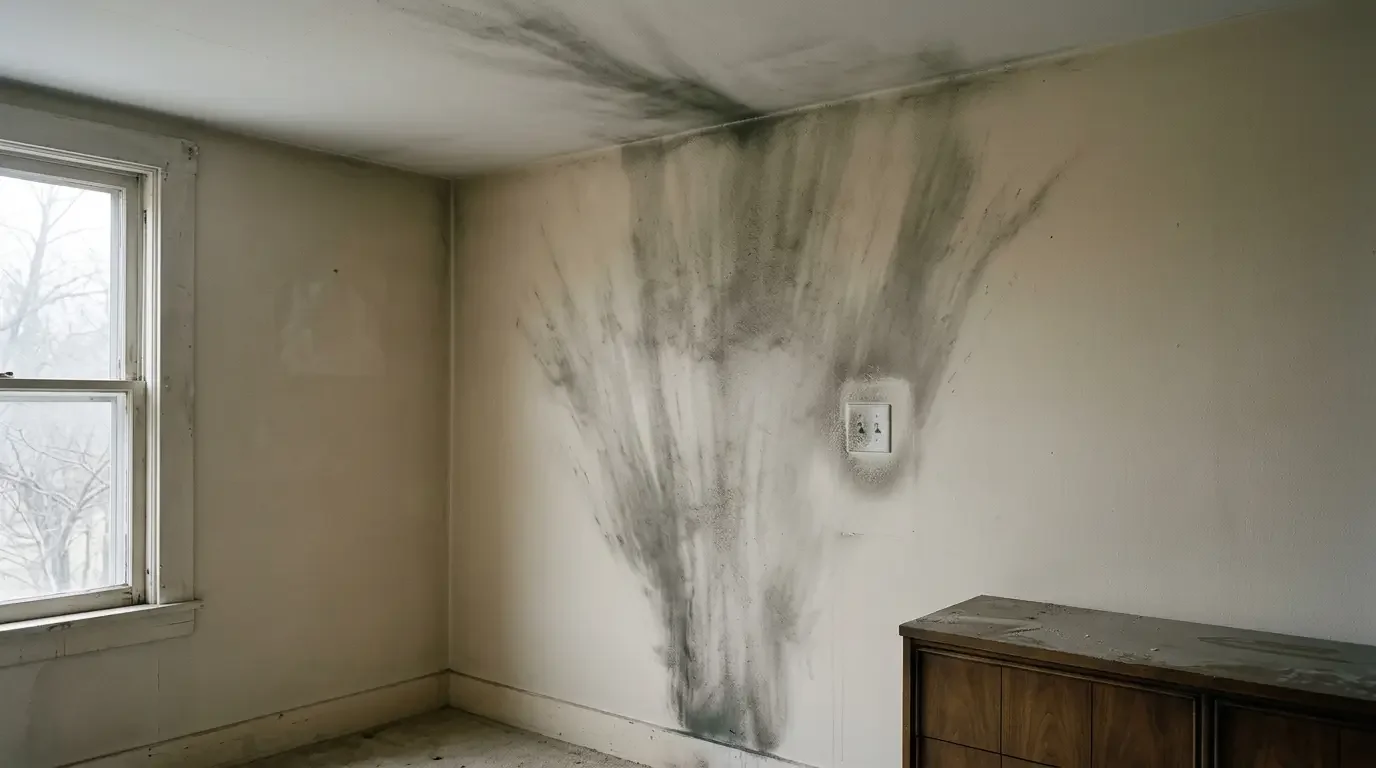
Fire damage is visible and easy to price. Smoke damage is invisible, migrates through the entire building, and lands in a gray area where "clean it" and "replace it" are separated by tens of thousands of dollars. That gray area is where the argument happens, and it is where most of the money is.
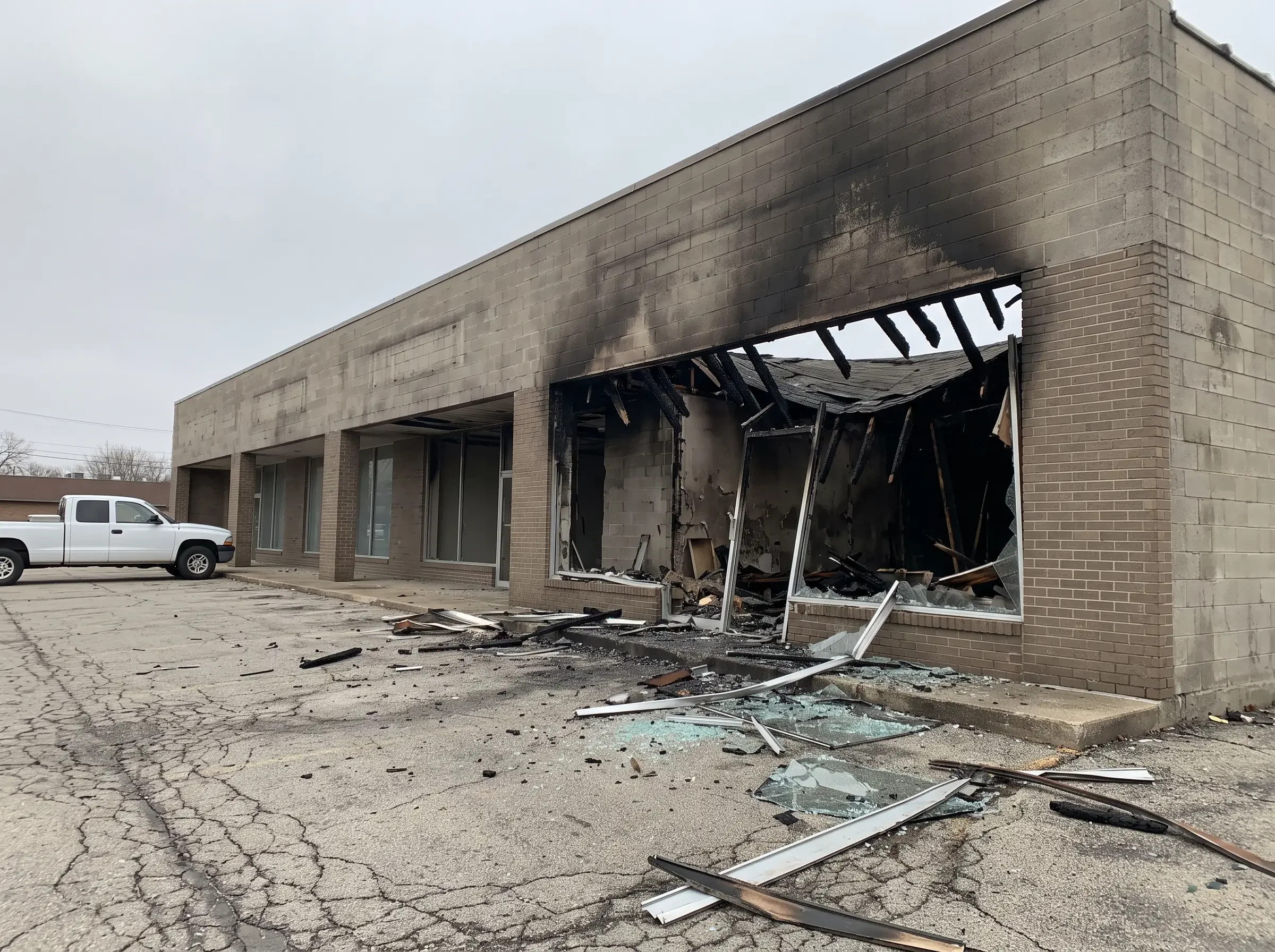
A smoke damage insurance claim is also frequently a claim about a fire you did not have. Smoke crosses property lines. It moves through shared walls, HVAC systems, attics and soffits, and it does not care whose building ignited.
What Smoke Damage Actually Is
Restoration professionals do not treat smoke as one substance. The residue left behind depends on what burned and how hot, and the type drives the remediation method, the labor hours and the price.
Dry smoke comes from fast, hot, well-oxygenated fires burning paper and wood. The residue is powdery and non-smearing, and it is the easiest to remove.
Wet smoke comes from slow, cool, smoldering fires involving plastics and synthetics. The residue is sticky, it smears when wiped incorrectly, and it carries a strong lasting odor. It takes far more labor per square foot than dry smoke.
Protein residue comes from kitchen fires where food matter evaporated and recondensed. It is nearly invisible, which is exactly why it is missed on a walkthrough, and it is intensely pungent.
Fuel oil soot, or puff-back, comes from a furnace or boiler malfunction. It is oily, it penetrates porous materials deeply, and it coats everything the HVAC system touches.
The reason this matters to your claim is simple: an estimate that prices your loss as generic "smoke cleaning" has not identified the residue, and an estimate that has not identified the residue cannot be accurate. Ask which type was found and how that determination was made.
The Standard That Changed the Argument in 2025
Until recently there was no consensus standard for fire and smoke restoration, which left scope disputes to competing opinions.
In 2025 the IICRC published the first edition of the ANSI/IICRC S700 Standard for Professional Fire and Smoke Damage Restoration. It describes how to assess the presence, intensity and boundaries of fire residues and odors, and it covers the development of a written restoration work plan and project documentation.
Two things make it useful on a claim. First, it is ANSI-accredited and industry-consensus, so it is difficult for a carrier to dismiss as one contractor's opinion. Second, its scope expressly includes fires that start somewhere else: the standard applies where the fire event occurs within your building, in an adjoining building, or in a building in the vicinity.
If your carrier's position is that the smoke in your home is not really damage, the question to put back to them is which assessment method produced that conclusion, and how it squares with the published standard.
Smoke Damage From a Fire You Did Not Have
You do not need to have had a fire to have a smoke damage claim.
A neighboring house fire, a restaurant fire in the same retail strip, a unit fire two floors down, a vehicle fire in an attached garage. In each case smoke enters your property and deposits residue in it, and on most policies that is direct physical damage from a covered peril.
These claims get denied or minimized more than any other kind because there is no obvious loss site on your property. The file often turns on documentation created early: dated photographs, the fire department incident report from the originating fire, air quality or surface testing, and a written account of when the odor first appeared.
Wildfire smoke is a partial exception worth knowing about. The S700 standard's scope excludes wildfires specifically, and wildfire smoke claims tend to turn on how far the smoke traveled and how much residue can be demonstrated inside the structure.
That does not make the claim invalid. It makes documentation and testing the whole game.
What a Complete Smoke Claim Includes
Carriers routinely scope the walls and stop. A complete claim usually reaches further.
Structure. Wall and ceiling surfaces, insulation where residue penetrated, and framing where sealing or encapsulation is required before refinishing.
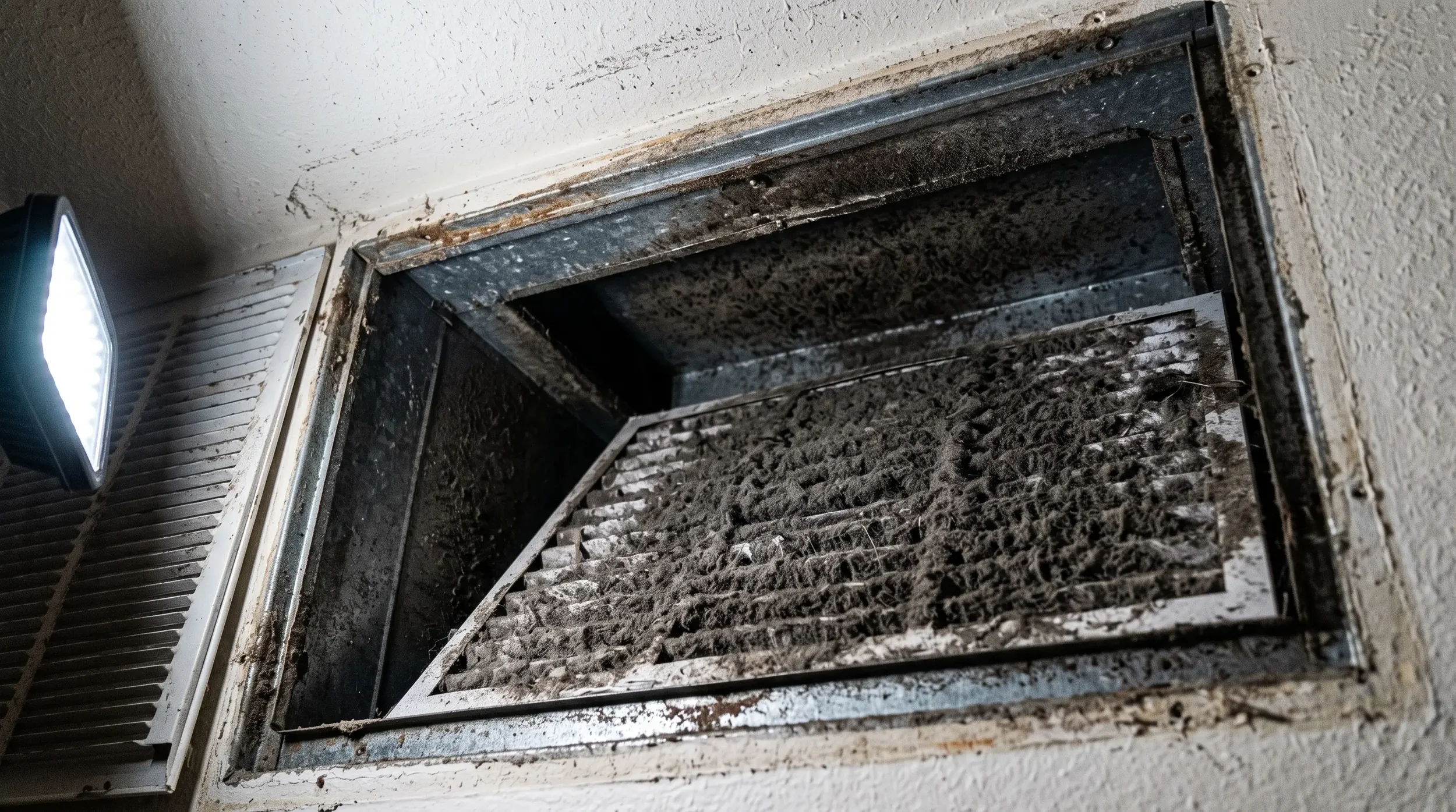
HVAC. Ductwork distributes soot through the entire building and then re-releases it. Assessing HVAC after a fire or smoke event is its own discipline, and skipping it is the most common reason odor returns after a completed cleaning.
Contents. Clothing, soft goods, upholstery, electronics, documents and artwork. This is the largest line most carriers dispute, and the cleanable-versus-replaceable fight is an actual-cash-value argument in disguise, so run the numbers on our ACV vs RCV calculator before you accept a depreciated contents figure.
Odor remediation. Odor is not an aesthetic complaint; residual odor means residue remains. If the smell returns once the equipment leaves, the remediation was incomplete.
Additional living expense, or business income. If the property is not habitable or operable during remediation, that is a separate coverage most owners underclaim.
How to Document a Smoke Damage Claim
1. Photograph before anything is cleaned. Cleaning destroys the evidence of the loss. Wide shots and close-ups, dated, in every affected room including closets, drawers and the HVAC returns.
2. Do not throw anything away. Damaged contents are proof. Photograph them, list them, and keep them until the carrier has inspected or released them in writing.
3. Get the residue identified in writing. Which type, where, and by what method. This is the single most useful document in the file.
4. Test rather than argue. Surface sampling and air quality testing convert a subjective disagreement about smell into a measurable finding.
5. Track everything you spend. Temporary housing, meals, equipment rental, replacement clothing. Keep every receipt from day one.
6. Report promptly and in writing. Note the date of loss, the source of the smoke, and that you are claiming smoke and odor damage in addition to any visible fire damage.
The Clock While the Scope Argument Runs
A smoke claim rarely stalls at "covered or not." It stalls after a remediation contractor and the carrier's consultant disagree about what can be salvaged, and that argument can run for months while you live around the damage.
Every state Shoreline works in caps how long the carrier can sit inside that disagreement. The deadlines do not decide the scope, but they convert an open-ended review into a date.
In Florida, an insurer must begin investigating within 7 days of proof-of-loss statements and pay or deny within 60 days of notice (Fla. Stat. 627.70131). Minnesota requires acknowledgment within ten business days, a decision within 30 business days of notice, and a decision within 60 business days of a properly executed proof of loss (Minn. Stat. 72A.201 subd. 4). Wisconsin treats a claim as overdue 30 days after written notice of the loss and its amount, with 7.5 percent simple interest accruing on the overdue amount (Wis. Stat. 628.46).
Shoreline is licensed in North Dakota and South Dakota as well, where the leverage comes from the policy's own terms rather than a statutory interest clock.
The practical use of these is narrow but real. Once a deadline passes without a written decision, "we are still evaluating the contents" becomes a documented failure to meet a statutory standard, and that is a different letter to write.
Frequently Asked Questions About Smoke Damage Claims
Does homeowners insurance cover smoke damage?
Generally yes. Smoke is a covered peril on most standard homeowners and commercial property policies, and it is covered independently of whether your own property caught fire. The disputes are rarely about whether smoke is covered. They are about how much of the residue must be remediated, whether contents can be cleaned or must be replaced, and whether lingering odor counts as remaining damage.
Can I file a smoke damage claim if the fire was next door?
Yes. Smoke that migrates from a neighboring house, an adjacent unit or a nearby commercial building and deposits residue in your property is direct physical damage from a covered peril on most policies. These claims are denied more often than others because there is no visible loss site on your property, so early documentation matters: dated photographs, the fire department report from the originating fire, and surface or air testing.
What is the difference between wet smoke and dry smoke damage?
Dry smoke comes from fast, hot fires burning paper and wood and leaves a powdery, non-smearing residue that is relatively easy to remove. Wet smoke comes from slow, smoldering fires involving plastics and synthetics and leaves a sticky residue that smears if cleaned incorrectly and carries a persistent odor. Wet smoke takes substantially more labor per square foot, so an estimate that does not identify the residue type cannot be accurate.
What is the IICRC S700 standard?
ANSI/IICRC S700 is the Standard for Professional Fire and Smoke Damage Restoration, first published in 2025. It describes how to assess the presence, intensity and boundaries of fire residues and odors, and it covers the written restoration work plan and project documentation. Its scope applies to fires occurring in your building, in an adjoining building or in a building in the vicinity, and it excludes wildfires.
Why does the smoke smell come back after cleaning?
Because residue is still present somewhere the cleaning did not reach. The most common location is the HVAC system, which distributes soot through the building during the fire and then re-releases it once the system runs again. Insulation, wall cavities and porous contents are the other frequent sources. Returning odor is evidence the remediation was incomplete, not a cosmetic complaint, and it is grounds to reopen the claim.
Does insurance cover contents damaged by smoke or only the building?
Both, under separate parts of the policy. Contents coverage applies to clothing, upholstery, electronics, documents and artwork affected by smoke and odor. This is usually the most disputed part of a smoke claim, because the carrier's position is often that items can be cleaned while the owner's position is that odor or residue makes them unusable. Itemized documentation before anything is discarded is what decides it.
How long does an insurer have to respond to a smoke damage claim?
The statutory deadlines run from notice and proof of loss, not from the day the scope dispute is settled, which is what makes them useful on a smoke claim. Florida sets 7 days to begin investigating and 60 days to pay or deny (Fla. Stat. 627.70131). Minnesota sets ten business days to acknowledge and 30 business days to decide (Minn. Stat. 72A.201 subd. 4). Wisconsin makes a claim overdue after 30 days and accrues 7.5 percent simple interest on the overdue amount (Wis. Stat. 628.46), which is the only one of the three that costs the carrier money directly.
Should I clean up smoke damage before the adjuster inspects?
Do only what is needed to prevent further damage, and photograph everything first. Cleaning destroys the evidence your claim depends on, and once residue is removed there is no way to demonstrate its type, extent or boundaries. Emergency mitigation to protect the property is normally reimbursable and often required by the policy, but full remediation should wait until the loss is documented.
Get the Scope Right Before the Cleaning Starts
The most expensive mistake on a smoke damage claim is letting remediation begin before the loss is documented. Once the residue is gone, the argument about what it was and how far it reached becomes unwinnable.
If your smoke damage claim has come back as a cleaning allowance, if the odor returned after the equipment left, or if the carrier is treating a fire next door as your problem to prove, a review costs you nothing.
Contact Shoreline Public Adjusters for a free claim review. We work only for policyholders, and we do not collect a fee unless you do.
Related Reading
- ACV vs RCV calculator — the cleanable-versus-replaceable fight on contents is an actual cash value argument; model it before you concede one.
- Fire and smoke damage claim help — how Shoreline handles fire, smoke and soot claims across all five states.
- Reasons insurance companies deny fire claims — the denial patterns that show up on smoke files too.
- Commercial property damage claims — coinsurance, endorsements and ordinance or law on the commercial side.
- What to do when your insurer denies a fire or water damage claim — the appeal path after a denial.
Shoreline Public Adjusters, LLC is licensed in Florida (FL G199012), Minnesota (MN 40962416), Wisconsin (WI 21156868), North Dakota (ND 3004392416), and South Dakota.
Shoreline Public Adjusters, LLC
780 Fifth Avenue South
Suite #200
Naples, FL 34102
Email: hello@teamshoreline.com
Phone: 954-546-1899
Fax: 239-778-9889