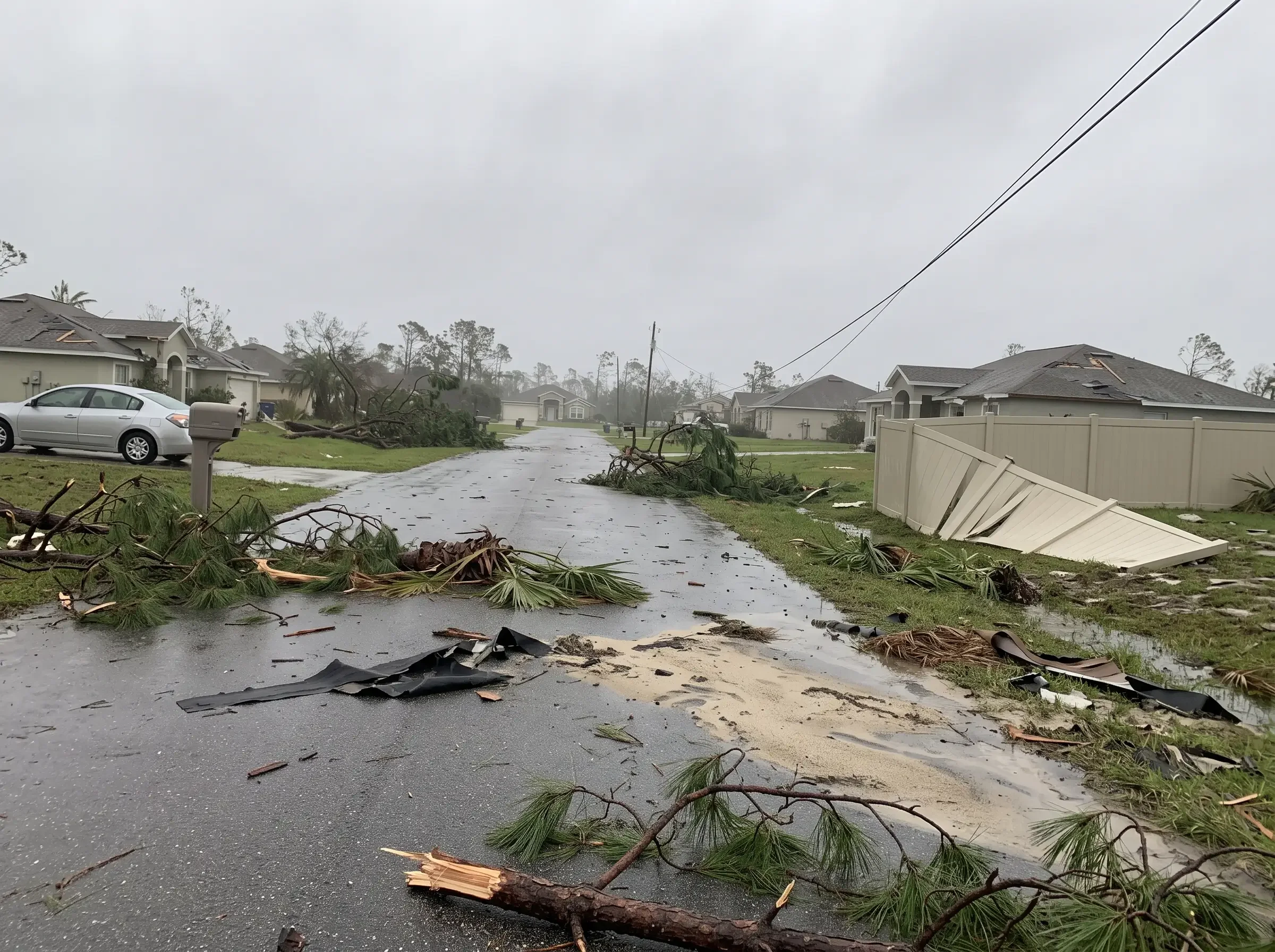
Ordinance or Law Coverage: The Part of Your Claim Nobody Scopes
TL;DR — Ordinance or Law Coverage: What It Pays and Why Claims Miss It
- It is a separate coverage, not part of your dwelling limit, and it is usually sublimited.
- It comes in three parts: the undamaged portion you are forced to demolish, the demolition itself, and the increased cost of construction.
- The trigger is the permit, not the damage. If the building department requires an upgrade, that upgrade belongs in the claim.
- Florida changed the roof math in 2022. Fla. Stat. 553.844(5) means a roof built to the 2007 code or later no longer forces a full replacement at 25 percent damage.
- Carriers scope repairs to the old code by default. Nobody adds it for you.
The Coverage That Pays for the Code, Not the Damage
Standard property insurance pays to put your building back the way it was. It does not pay to bring it up to a code written after it was built.
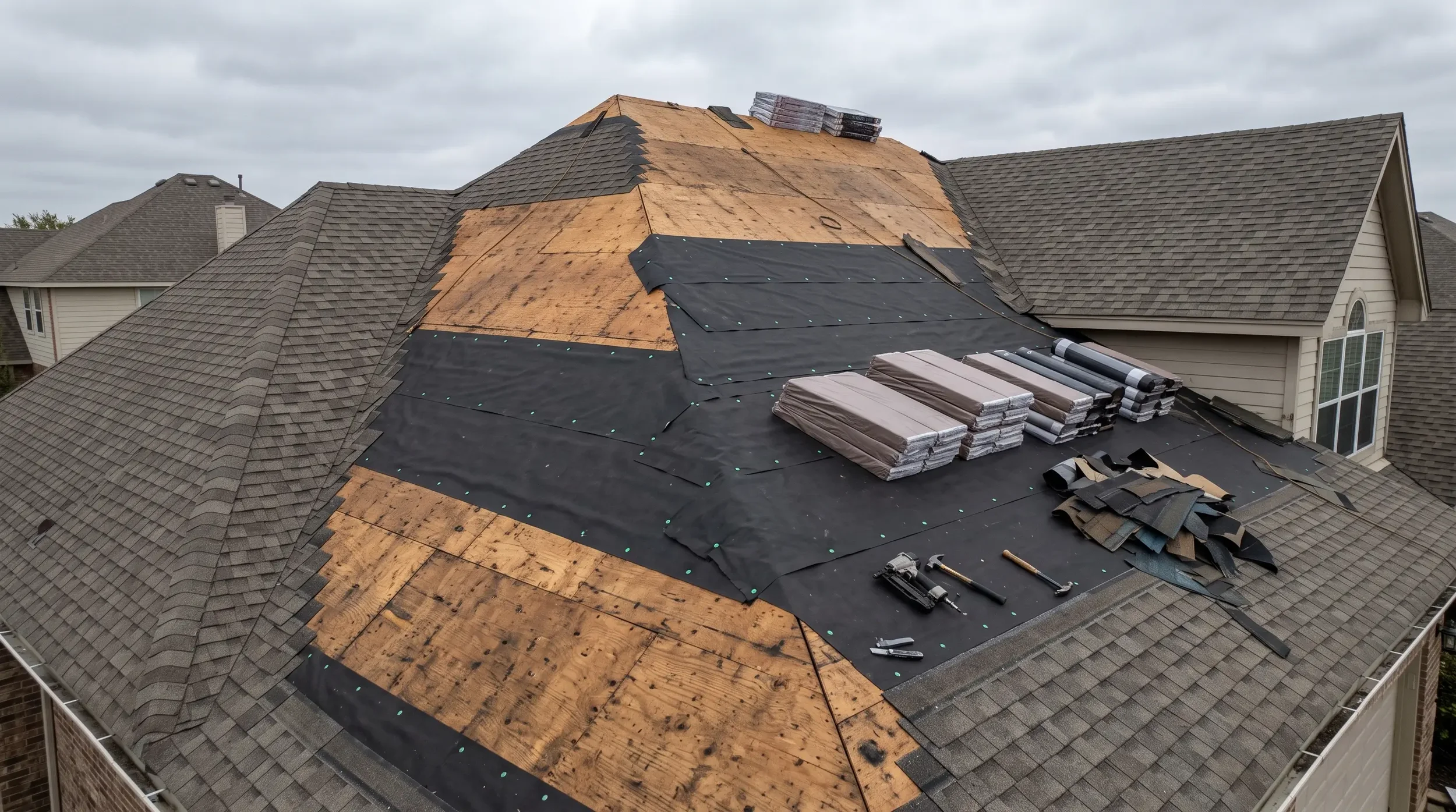
That gap is the single most common uncovered cost in a large property claim, and it is not small. A roof replacement that triggers current energy code, a secondary water barrier, upgraded fastening, or a structural review of the deck can add tens of thousands of dollars that the carrier's estimate never mentions.
Ordinance or law coverage exists to close that gap. Most policyholders have some, most do not know how much, and almost nobody claims all three parts of it.
What Ordinance or Law Coverage Actually Covers
The coverage is conventionally written in three parts, and they are typically sublimited separately. Read your declarations page for the specific limits, because the split matters more than the total.
Part A — Loss to the undamaged portion
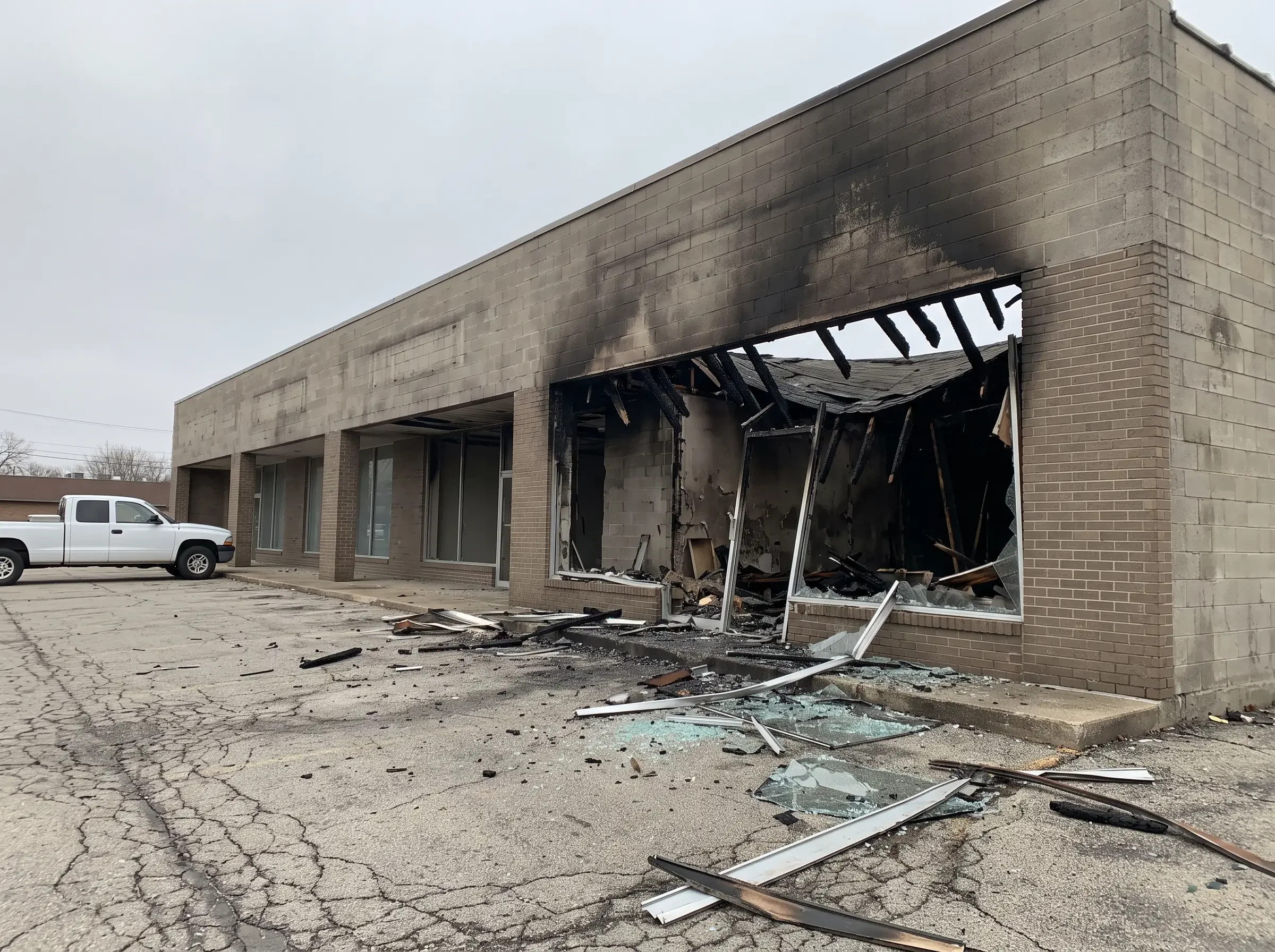
If code requires you to tear down parts of the building that the loss never touched, this pays for that undamaged value. A common example is a wall left standing after a fire that the building department will not permit you to reuse.
Standard property coverage pays for damaged property. This part exists precisely because the property in question was not damaged.
Part B — Demolition cost
This pays the cost of demolishing and removing that undamaged portion. Debris removal under the base policy is generally tied to debris created by the covered loss, not to material you were ordered to take down afterward.
Part C — Increased cost of construction
This is the largest part on most claims. It pays the difference between rebuilding to the old standard and rebuilding to the standard the permit now requires.
Impact-rated glazing, updated electrical service, sprinklers triggered by an occupancy threshold, insulation values, and roof assembly requirements all land here.
The Trigger Is the Permit, Not the Damage
This is the part that decides claims, and it gets misunderstood in both directions.
Ordinance or law coverage is not triggered by how bad the damage looks. It is triggered by a law or ordinance regulating construction that is in force at the time of loss and that is actually enforced on your repair.
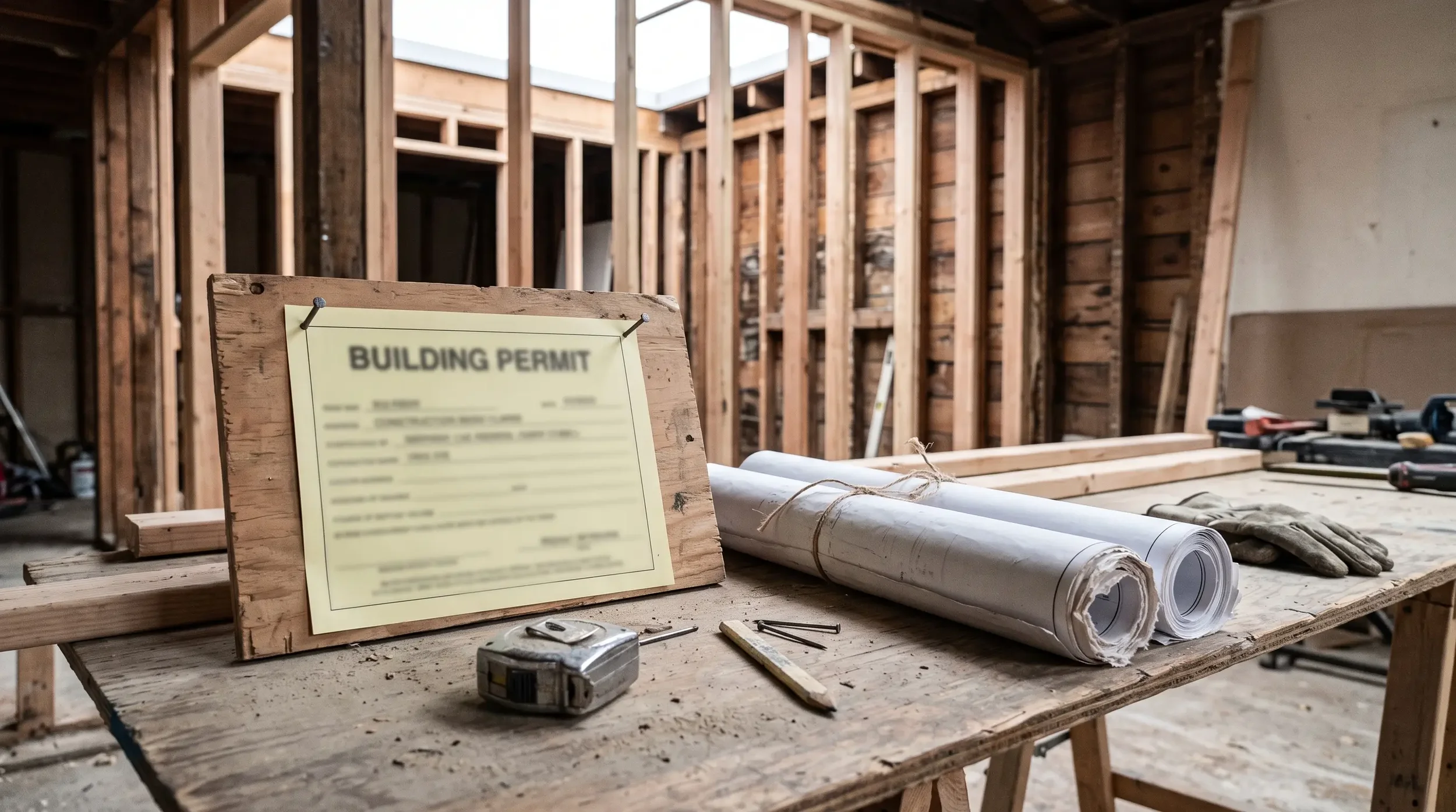
In practice that means the coverage argument is a paper argument: what the plans examiner wrote, what the permit required, what the inspector rejected.
If a code requirement never touched your project, it is not a claim item. If it did, it is, and the documentation already exists at the building department.
Two things commonly go wrong. Carriers scope the repair to the pre-loss condition and never ask what the permit will require. And owners let a contractor absorb the upgrade quietly into a single line item, which makes it impossible to claim separately later.
Florida Changed the Roof Math in 2022
Florida had a rule that made ordinance or law coverage central to almost every roof claim: if 25 percent or more of a roof section was repaired or replaced in any 12-month period, the entire roofing system had to be brought to current code.
That changed. Fla. Stat. 553.844(5), as amended in 2022, now provides that where an existing roofing system or roof section was built, repaired, or replaced in compliance with the 2007 Florida Building Code or any subsequent edition, and 25 percent or more of it is being repaired, replaced or recovered, only the repaired, replaced, or recovered portion must be constructed to the code in effect.
The statute also bars local governments from adopting administrative or technical amendments to that exception, so it applies uniformly.
What this means on a claim is specific. If your roof predates the 2007 code, the old full-replacement exposure can still apply and ordinance or law coverage may carry a very large share of the loss. If your roof was built to the 2007 code or later, the carrier is right that only the damaged portion needs to meet current code — but that portion still has to meet it, and that is still an increased cost of construction.
Establishing which side of the line your roof falls on is a documentation exercise: the permit history for the original roof, and the code edition in force when it was built.
Minnesota, Wisconsin and the Dakotas
Outside Florida the mechanism is the same even though the headline rule is not.
Minnesota, Wisconsin, North Dakota and South Dakota all adopt statewide building codes based on the International Code Council model codes, amended locally and updated on a cycle. Any of those cycles can put a requirement into your rebuild that did not exist when the building went up.
Energy code is the most frequent one in cold climates: insulation values and air-sealing requirements have tightened repeatedly, and a roof or wall assembly opened up by a loss often cannot be closed back the way it was found. Ice barrier requirements in northern jurisdictions do the same thing on roof claims.
The practical rule is identical in all five states. Ask the building department what the permit will require before the repair is scoped, not after.
How to Claim It
1. Find the coverage before you need it. Look for ordinance or law, sometimes written as "law and ordinance" or "building ordinance," on your declarations page. Note whether the parts are sublimited separately and at what percentages.
2. Get the code requirements in writing. The permit application, plan review comments, and inspection records are the evidence. A contractor's opinion that "code requires this" is not.
3. Make the contractor itemize. Code-driven work must appear as its own line, separated from the restoration of what was there. Bundled invoices are the most common reason this coverage goes unpaid.
4. Claim the delay too. Permit and inspection cycles for code upgrades extend the period of restoration, which extends additional living expense on a home and business income on a commercial property.
5. Do not accept a scope written to the old code. An estimate that rebuilds exactly what existed has not considered the ordinance, which means it has not considered the coverage.
Frequently Asked Questions About Ordinance or Law Coverage
What is ordinance or law coverage?
It is property insurance coverage for the extra cost of complying with building codes when you repair or rebuild after a covered loss. Standard property coverage pays to restore what you had; ordinance or law pays the difference between that and what the current code requires. It is normally written in three separately sublimited parts covering the undamaged portion you must demolish, the demolition itself, and the increased cost of construction.
Is ordinance or law coverage included in a standard homeowners policy?
Usually only in a limited amount, and often as a percentage of the dwelling limit rather than a full replacement of the code-driven cost. Commercial policies frequently carry it as a separate endorsement with its own limits. Check the declarations page for the sublimits on each of the three parts, because a policy can carry generous coverage for increased construction cost and almost none for demolition.
What triggers ordinance or law coverage on a claim?
A law or ordinance regulating construction that is in force at the time of loss and is actually enforced on your repair. The trigger is the permit, not the severity of the damage. If the building department requires an upgrade as a condition of your repair, that upgrade is a claim item; if no code requirement touched the work, there is nothing to claim.
Does ordinance or law coverage apply to a roof replacement in Florida?
It can, and the answer turns on when the roof was built. Fla. Stat. 553.844(5) provides that where a roofing system or roof section was built, repaired or replaced in compliance with the 2007 Florida Building Code or a later edition, and 25 percent or more of it is being repaired or replaced, only the repaired or replaced portion must meet the code in effect. A roof predating the 2007 code can still face the older full-replacement exposure, which is where the coverage matters most.
What is the difference between the three parts of ordinance or law coverage?
Part A pays for the value of the undamaged portion of the building that code forces you to demolish. Part B pays the cost of the demolition and removal of that portion. Part C, usually the largest, pays the increased cost of constructing the repair to current code rather than to the original standard. They are typically sublimited separately, so a claim can exhaust one while the others remain.
Why do carriers leave code upgrades out of the estimate?
Because the default scope restores the pre-loss condition, and the code requirement is usually not known until the permit is pulled. The estimate is written before the plans examiner has seen the job. That is not necessarily bad faith, but it does mean the code-driven cost is almost never in the first offer and has to be added by supplement once the permit conditions are documented.
Does ordinance or law coverage pay for the delay a code upgrade causes?
Not directly, but the delay it causes is claimable elsewhere. A permit and inspection cycle for a code upgrade lengthens the period of restoration, and a longer restoration period extends additional living expense on a residential claim and business income on a commercial one. Those are separate coverages that owners routinely underclaim on code-driven repairs.
How do I prove a code upgrade was required?
With the building department's own records: the permit application and conditions, plan review comments, and any inspection corrections. A contractor stating that code requires something is not sufficient documentation. Ask the contractor to itemize code-driven work as its own line rather than bundling it into the restoration cost, because bundled invoices are the most common reason this coverage goes unpaid.
Check the Coverage Before the Permit Is Pulled
Ordinance or law is the coverage most often left on the table, because the cost it pays for does not exist yet when the claim is scoped. By the time the permit conditions are known, the estimate has usually been written and agreed.
If your repair triggered a code upgrade the carrier will not pay for, or your estimate rebuilds exactly what was there on a building that cannot legally be rebuilt that way, a review costs nothing.
Contact Shoreline Public Adjusters for a free claim review. We work only for policyholders, and we do not collect a fee unless you do.
Related Reading
- ACV vs RCV calculator — code-driven work is often depreciated as though it were ordinary repair; model the difference.
- Commercial property damage claims — coinsurance and roof endorsements alongside ordinance or law on the commercial side.
- Filing a business interruption insurance claim — the delay a code upgrade causes is an income loss too.
- Smoke damage insurance claim — where sealing and encapsulation meet code requirements.
- Hail damage claims — how Shoreline handles hail losses across all five states.
Shoreline Public Adjusters, LLC is licensed in Florida (FL G199012), Minnesota (MN 40962416), Wisconsin (WI 21156868), North Dakota (ND 3004392416), and South Dakota.
Shoreline Public Adjusters, LLC
780 Fifth Avenue South
Suite #200
Naples, FL 34102
Email: hello@teamshoreline.com
Phone: 954-546-1899
Fax: 239-778-9889