Hurricane Insurance Claims in Naples: What Collier County Homeowners Need to Know

By: Shoreline Public Adjusters
Updated: March 2026 · 9 min read
In This Post:
- What Makes Naples Hurricane Claims Different
- The Hurricane Deductible Trap
- Wind Damage vs. Flood Damage: The Distinction That Decides Your Claim
- Florida's Claim Timeline: Deadlines That Cost Homeowners Money
- What Insurers Do in the First 48 Hours After a Storm
- A Real Naples Hurricane Claim: Ian, Collier County, and a $41,000 Gap
- Common Mistakes Naples Homeowners Make After a Hurricane
- Frequently Asked Questions About Naples Hurricane Insurance Claims
- What Shoreline Does for Naples Homeowners
After Hurricane Ian made landfall in September 2022, Collier County homeowners filed tens of thousands of insurance claims. More than three years later, many of those claims are still disputed, underpaid, or closed without full payment. Over 125,000 Hurricane Ian claims statewide were closed with no payout at all.
That's not a system failure. That's how the system works when policyholders don't know the rules.
We're headquartered in Naples. Shoreline Public Adjusters has handled hurricane insurance claims across Collier County since our founding — from the barrier islands to Golden Gate Estates, from Pelican Bay condos to commercial properties along US 41. What we see in these files, consistently, is that homeowners who understand three things — their deductible, the wind-vs-flood distinction, and their deadlines — recover significantly more than those who don't.
This guide covers all three, plus the specific tactics we see insurers use on Naples hurricane claims and what you can do about them.
What Makes Naples Hurricane Claims Different
Naples sits in one of the highest-risk hurricane corridors in the United States. Collier County's combination of coastal exposure, low elevation, aging housing stock, and an insurance market under extreme pressure creates a claim environment unlike almost anywhere else in Florida.
Here's the local context that matters for your claim:
The insurer withdrawal. At least 10 property insurers have left Florida or gone insolvent since 2020. Many carriers no longer write policies in Collier County. Homeowners who can't find private coverage end up with Citizens Property Insurance — Florida's insurer of last resort. Citizens had over 1.2 million policies statewide as of mid-2024 before its depopulation program began moving policyholders back to private carriers.
The premium squeeze. Southwest Florida homeowners now pay an average of $4,000+ per year in property insurance premiums. Coastal homes in Naples frequently exceed $5,000 annually before flood coverage. When premiums are this high and deductibles are percentage-based, many homeowners are underinsured without realizing it.
📊 By the Numbers: Hurricane Ian generated over 200,000 residential insurance claims in Florida. Over 125,000 were closed without payment. In Collier County, the storm brought both Category 4 winds and a historic storm surge that pushed 6+ feet of water into coastal neighborhoods. Source: Florida Office of Insurance Regulation
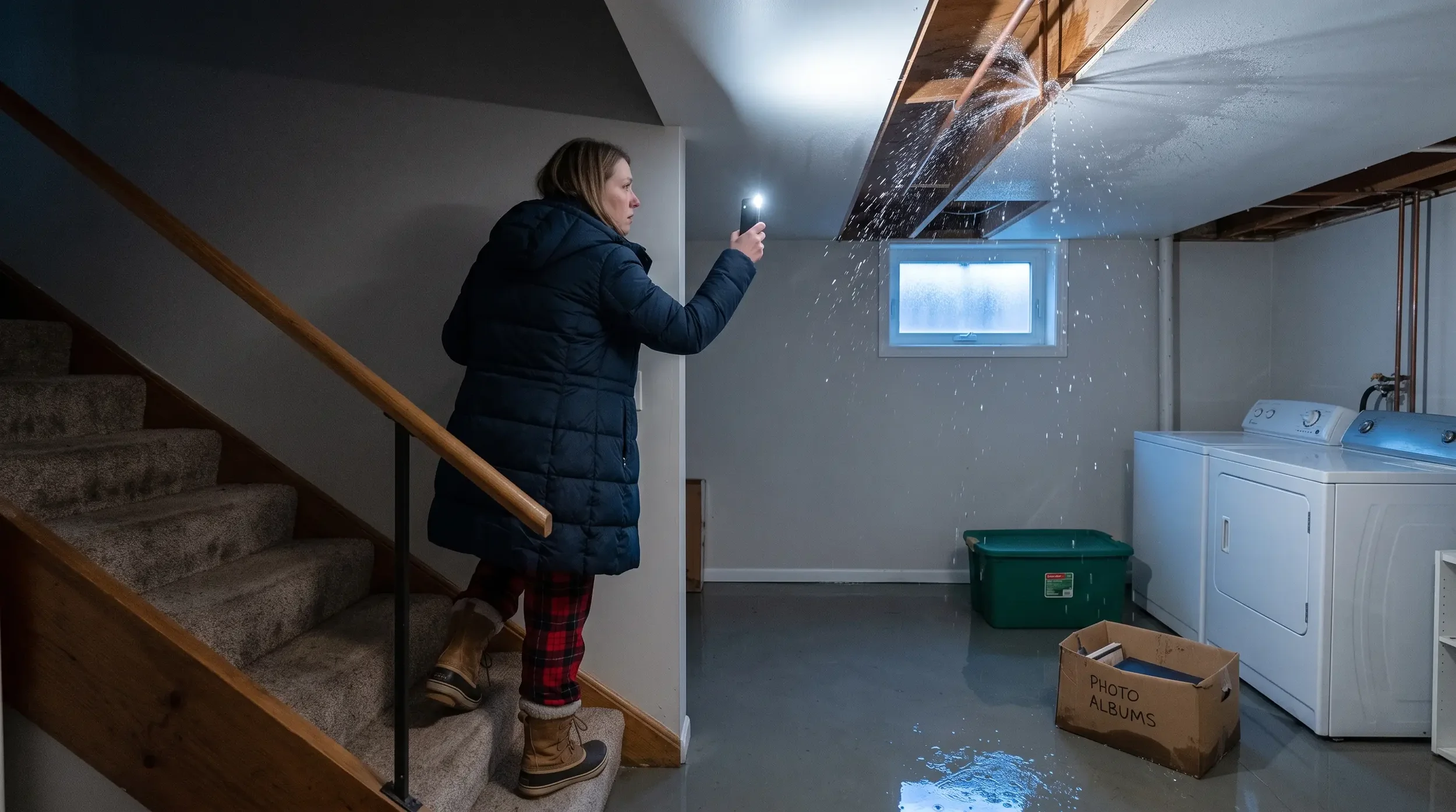
The dual-damage problem. Naples is one of the few places where a single storm routinely causes both wind damage AND flood damage to the same property. That distinction — which peril caused which damage — determines whether your homeowner's policy or your flood policy pays. It's the single most disputed question in every Naples hurricane claim.
The Hurricane Deductible Trap
Most Naples homeowners have a hurricane deductible — and most don't know how much it actually is until they file a claim.
Florida law allows insurers to apply a separate, higher deductible specifically for hurricane damage. Instead of a flat dollar amount like $1,000 or $2,500, hurricane deductibles are typically 2% to 5% of your dwelling coverage amount.
The math gets painful fast. If your home is insured for $400,000 with a 5% hurricane deductible, you pay the first $20,000 out of pocket before insurance contributes a dollar. Even a 2% deductible on a $500,000 policy means $10,000 before coverage kicks in.
⚠️ What Insurers Won't Tell You: Many Naples homeowners chose higher hurricane deductibles (5% or even 10%) to bring their premiums down — without realizing what that means in a real claim. A 5% deductible on a $400,000 policy is $20,000 out of pocket. If the insurer also undervalues the damage, the combination can leave you tens of thousands short.
This is why accurate damage documentation matters more in hurricane claims than in any other claim type. Every dollar of legitimate damage that goes undocumented is a dollar that stays under the deductible — and a dollar the insurer never pays.
When we handle hurricane damage claims in Naples, the deductible calculation is one of the first things we verify. Insurers sometimes apply the hurricane deductible when the damage was actually caused by a non-hurricane event — like a post-storm pipe burst or interior water damage from a compromised roof. If the named storm didn't cause the specific damage, the standard deductible should apply, not the hurricane deductible.
Wind Damage vs. Flood Damage: The Distinction That Decides Your Claim
This is the single most important concept in any Naples hurricane insurance claim. Your homeowner's policy covers wind damage. Your flood policy (NFIP or private) covers flood damage. They are separate policies with separate deductibles, separate coverage limits, and separate claims processes.
When a hurricane brings both wind and storm surge — as Ian did across Collier County — the insurer's job is to determine which peril caused which damage. And this is where disputes explode.
How insurers draw the line: Wind damage typically means damage to the roof, soffits, siding, windows, and anything the wind physically broke or displaced. Flood damage means anything caused by rising water — storm surge, tidal flooding, surface water intrusion. Interior water damage is where it gets contested: was the water driven in through a wind-damaged roof opening (covered by homeowner's), or did it rise from below (flood policy)?
The evidence that matters: The difference between vertical and horizontal water intrusion patterns is the key diagnostic. Water that entered through a compromised roof or window frame leaves staining patterns on upper walls and ceilings. Rising water leaves a waterline on lower walls with sediment deposits. In our experience, many Naples Ian claims had both — and the insurer attributed everything to flood to avoid paying under the homeowner's policy.
📋 Florida Law: Under FL § 627.70131, your insurer must pay or deny your claim within 60 days of receiving your proof of loss. If they miss this deadline, it may constitute a violation of Florida's claims handling requirements. Source: Florida Legislature
If your Naples hurricane claim was denied or underpaid because the insurer classified wind-driven interior damage as flood damage, that classification can be challenged. It requires detailed documentation — damage documentation including moisture mapping, staining pattern analysis, and a forensic review of the roof breach timeline.
Florida's Claim Timeline: Deadlines That Cost Homeowners Money
Florida has specific deadlines for hurricane insurance claims, and they've changed significantly since the 2023 legislative reforms. Missing any of these can reduce or eliminate your right to recover.
1. Report the claim promptly. Florida Statute § 627.70132 requires hurricane claims to be reported to the insurer within one year of the hurricane making landfall. For most claims, reporting sooner is always better — delays give insurers ammunition to argue that secondary damage (mold, wood rot) was caused by neglect rather than the storm.
2. Supplemental claim deadlines. If you discover additional damage after your initial claim was filed, you can file a supplemental claim. For Hurricane Ian, the supplemental claim deadline was September 28, 2025 — three years from the date of loss. For Hurricanes Helene and Milton (2024), supplemental deadlines are March 26, 2026 and April 9, 2026, respectively.
3. Lawsuit filing deadlines. If the insurer denies your claim or underpays and you can't resolve it, you generally have five years from the date of loss to file a lawsuit under Florida's current statute of limitations for property insurance claims.
4. The 60-day response window. Under FL § 627.70131, once you submit a complete proof of loss, the insurer has 60 days to pay or deny the claim. If they blow past that deadline, document it — it strengthens your position if the claim escalates.
⏱️ Claim Deadline: For Hurricane Milton (October 2024), supplemental claims must be reported by April 9, 2026. If you've found new damage since your initial claim, file the supplement now — waiting costs you options.
What Insurers Do in the First 48 Hours After a Storm
Understanding the insurer's playbook after a hurricane helps you protect your claim from the start.
They send field adjusters fast — and they move even faster. After a major storm, insurers deploy hundreds of adjusters to affected areas. These adjusters are often independent contractors handling 8–12 inspections per day. They spend 30–60 minutes at your property. They're working from tablets with pre-loaded templates, and their mandate is to document and move on.
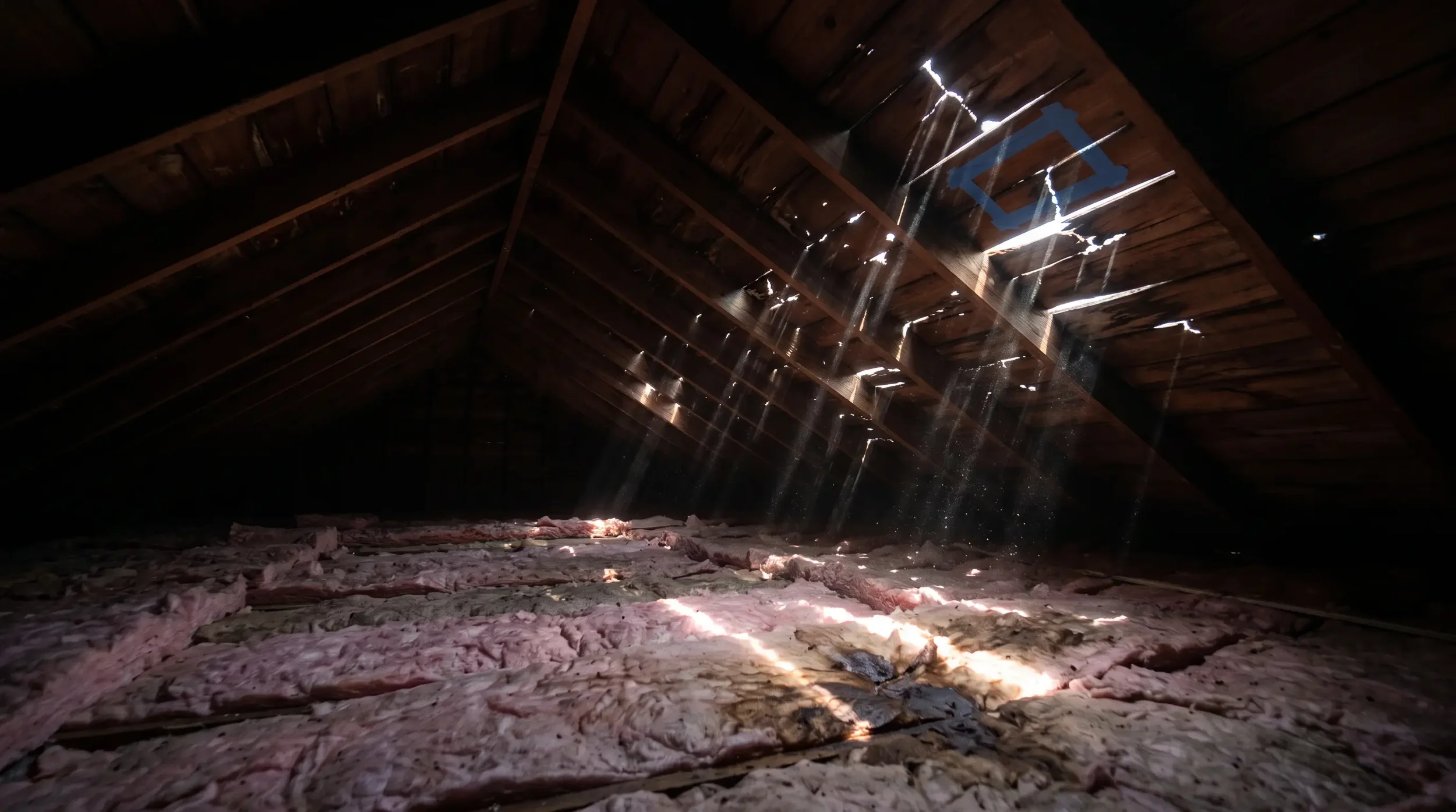
What gets missed in a 45-minute inspection of a hurricane-damaged Naples home? Roof deck damage that's not visible from the ground. Interior wall cavity moisture. Compromised hurricane straps in the attic. Soffit damage that allows ongoing water intrusion. HVAC contamination from water exposure. Lanai screen and structural damage that gets lumped into one line item instead of itemized.
They set the scope before you've finished finding damage. The initial estimate locks in what the insurer considers the damage. Everything found after that becomes a supplement — which requires re-opening the file, re-inspection, and re-negotiation. Many homeowners accept the initial estimate because they don't realize how much was missed.
This is exactly why we recommend that Naples homeowners document property damage thoroughly before the insurer's adjuster arrives, and continue documenting as new damage reveals itself in the weeks after the storm.
Filing a hurricane claim in Naples — or already fighting one? A free consultation with Shoreline takes 15 minutes and costs you nothing. We're headquartered in Collier County and we handle hurricane claims across all of Florida. Contact Us
A Real Naples Hurricane Claim: Ian, Collier County, and a $41,000 Gap
A homeowner in the Lely Resort area of Naples filed a Hurricane Ian claim for roof damage, interior water damage, and lanai destruction. The insurer's adjuster inspected the property six weeks after the storm and wrote an estimate for $18,200. After the 2% hurricane deductible on a $350,000 policy ($7,000), the net payout offer was $11,200.
The homeowner knew the number was low but didn't know what to challenge. The roof had lost a significant section of ridge cap and multiple field tiles, and the insurer's estimate covered tile replacement but excluded the underlayment, damaged decking, and the flashing that had separated at the wall tie-in.
Interior water damage was classified entirely as flood — despite clear staining patterns on second-floor ceilings that indicated wind-driven rain through the compromised roof.
Shoreline Public Adjusters re-inspected the property with moisture meters and a ladder-assist roof inspection. We documented 14 line items missing from the insurer's estimate — including underlayment, deck board replacement, interior drywall on the second floor (wind-driven rain, not flood), HVAC duct cleaning, and screen enclosure framing that had been bent beyond repair.
Our estimate came in at $59,400. After negotiation, the insurer revised their payout to $52,100 — net of the deductible. That's $40,900 more than the original offer, on a claim the homeowner nearly accepted as-is.
Common Mistakes Naples Homeowners Make After a Hurricane
1. Assuming the insurer's first estimate is the final number It's a starting point. In our experience with Naples hurricane claims, the initial estimate captures 40–60% of actual damage. Always get an independent assessment before accepting.
2. Not separating wind damage from flood damage in their documentation If you had both wind and flood damage, photograph and document them separately. Note which areas had rising water (waterline, sediment) versus which had water intrusion from above (ceiling stains, upper wall moisture). This separation protects your homeowner's claim.
3. Waiting months to file a supplement New damage surfaces for weeks after a hurricane — mold behind walls, wood rot under flooring, water damage to electrical systems. File supplements as you discover them. Don't wait until you've found everything.
4. Signing a contractor assignment of benefits without understanding it AOB agreements transfer your insurance rights to a contractor. Post-2023 Florida reforms significantly limited AOB, but some contractors still use them. Understand what you're signing. A public adjuster works for you and preserves your rights — a contractor with an AOB works for themselves.
5. Not understanding their hurricane deductible Check your declarations page before the next storm. Know your percentage. Run the math. If your deductible is 5% of a $400,000 policy, you're on the hook for $20,000 before coverage starts.
Frequently Asked Questions About Naples Hurricane Insurance Claims
How long do I have to file a hurricane insurance claim in Naples?
Under Florida Statute § 627.70132, you must report a hurricane claim to your insurer within one year of the hurricane making landfall. Supplemental claims for additional damage have longer deadlines — typically three years from the date of loss for major hurricanes.
What is a hurricane deductible and how does it work?
A hurricane deductible is a separate, percentage-based deductible that applies only to hurricane damage claims. Most Florida policies set it at 2% to 5% of your dwelling coverage. On a $400,000 policy with a 5% hurricane deductible, you pay the first $20,000 before insurance pays anything.
Does my homeowner's insurance cover storm surge damage?
No. Storm surge is rising water, which is classified as flood damage. You need a separate flood insurance policy — either through the NFIP or a private carrier — to cover storm surge. Your homeowner's policy covers wind damage, including wind-driven rain that enters through a breach.
How do I prove wind damage versus flood damage?
Document water intrusion patterns. Wind-driven rain enters from above through roof breaches or damaged windows, leaving stains on upper walls and ceilings.
Flood water rises from below, leaving a waterline with sediment on lower walls. Professional moisture mapping and forensic documentation can establish the distinction for disputed claims.
Should I hire a public adjuster for my Naples hurricane claim?
If the gap between your insurer's estimate and your contractor's estimate is more than $5,000, a public adjuster in Naples typically recovers several times their fee. We handle the documentation, negotiate with the carrier, and manage supplements — you don't pay unless we recover additional money.
Can I still file a claim for Hurricane Ian damage?
The deadline for initial Hurricane Ian claims was September 28, 2023 (one year from landfall). Supplemental claims had a deadline of September 28, 2025. If you filed an initial claim within the deadline and have discovered new damage, check with a licensed public adjuster or attorney about your options under the current statute of limitations.
What Shoreline Does for Naples Homeowners
We're not a national call center. Shoreline Public Adjusters is headquartered at 780 Fifth Avenue South in Naples — we live and work in the same community our clients do.
As a licensed Florida public adjuster, we serve homeowners across the entire state. When a storm hits Collier County, we're already here.
Our process starts with a free claim review and policy analysis. We inspect the property, document every line item of damage using industry-standard tools, and build an estimate that reflects what the repairs actually cost — not what the insurer's algorithm says they should cost. Then we negotiate directly with the carrier on your behalf.
Under Florida law, public adjuster fees are capped at 10% for emergency claims (within one year of a Governor's declaration) and 20% for standard claims. We don't collect a fee unless we recover additional money for you.
If your hurricane claim was denied, underpaid, or you haven't filed yet after recent storm damage — the deadlines are real and they're approaching. Contact Us for a free consultation.
You may also find these helpful:
- Public Adjuster in Naples, FL
- Hurricane Damage Claim Support
- What to Do If Your Insurance Claim Is Denied
Shoreline Public Adjusters, LLC is licensed in Florida (FL G199012), Minnesota (MN 40962416), and Wisconsin (WI 21156868).
Shoreline Public Adjusters, LLC
780 Fifth Avenue South
Suite #200
Naples, FL 34102
Email: hello@teamshoreline.com
Phone: 954-546-1899
Fax: 239-778-9889