When Is It Too Late to Hire a Public Adjuster? What Every Homeowner Should Know
Updated Date: February 8, 2026
Read Time: 9 min read
Key Takeaway: It is rarely "too late" to hire a public adjuster as long as your claim is still open, under review, or within your state's statute of limitations — but the earlier you bring one in, the better your outcome is likely to be.
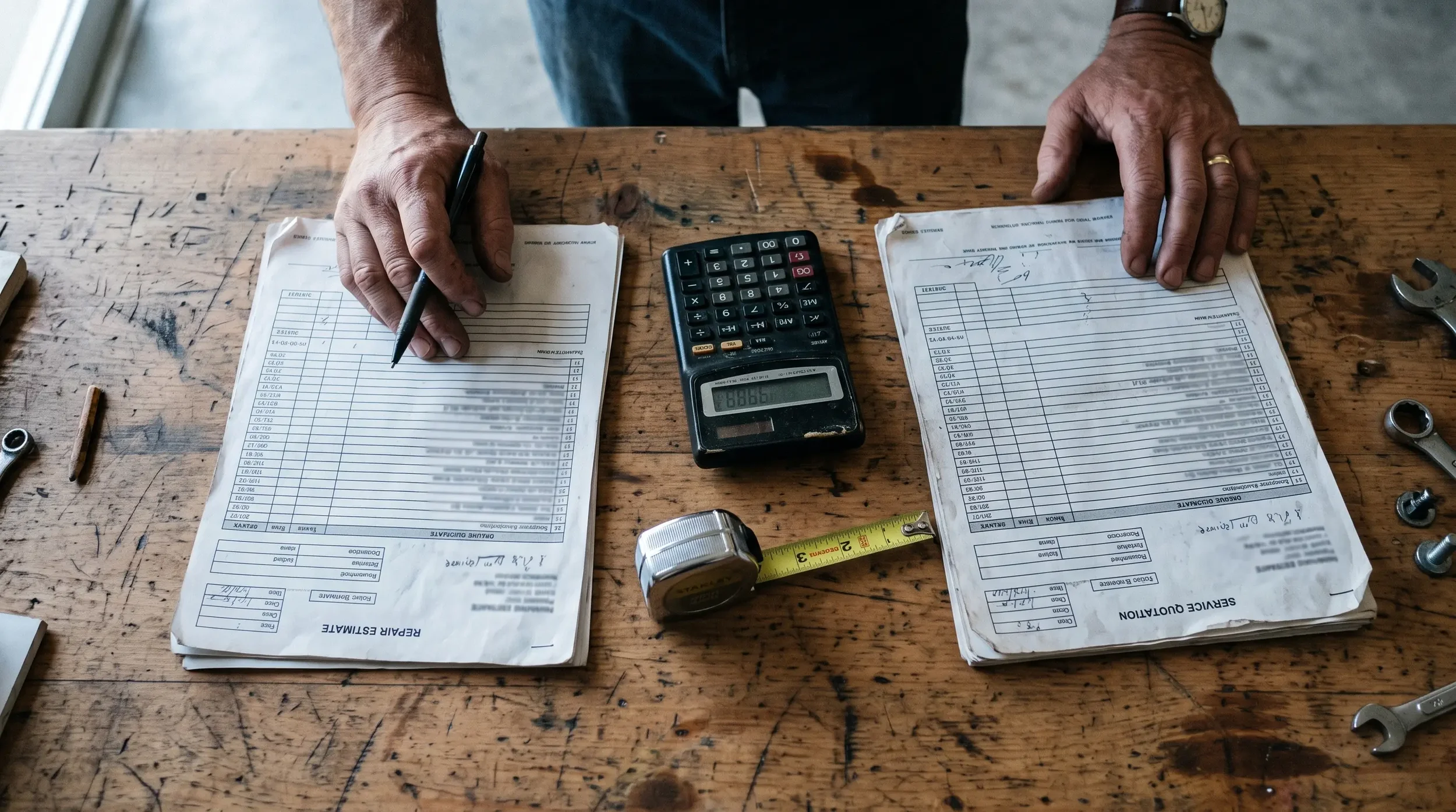
You just got a lowball offer from your insurance company. Or maybe your claim was denied outright, and you've been going back and forth for months. Either way, you're wondering: did I wait too long? Can I still bring in help?
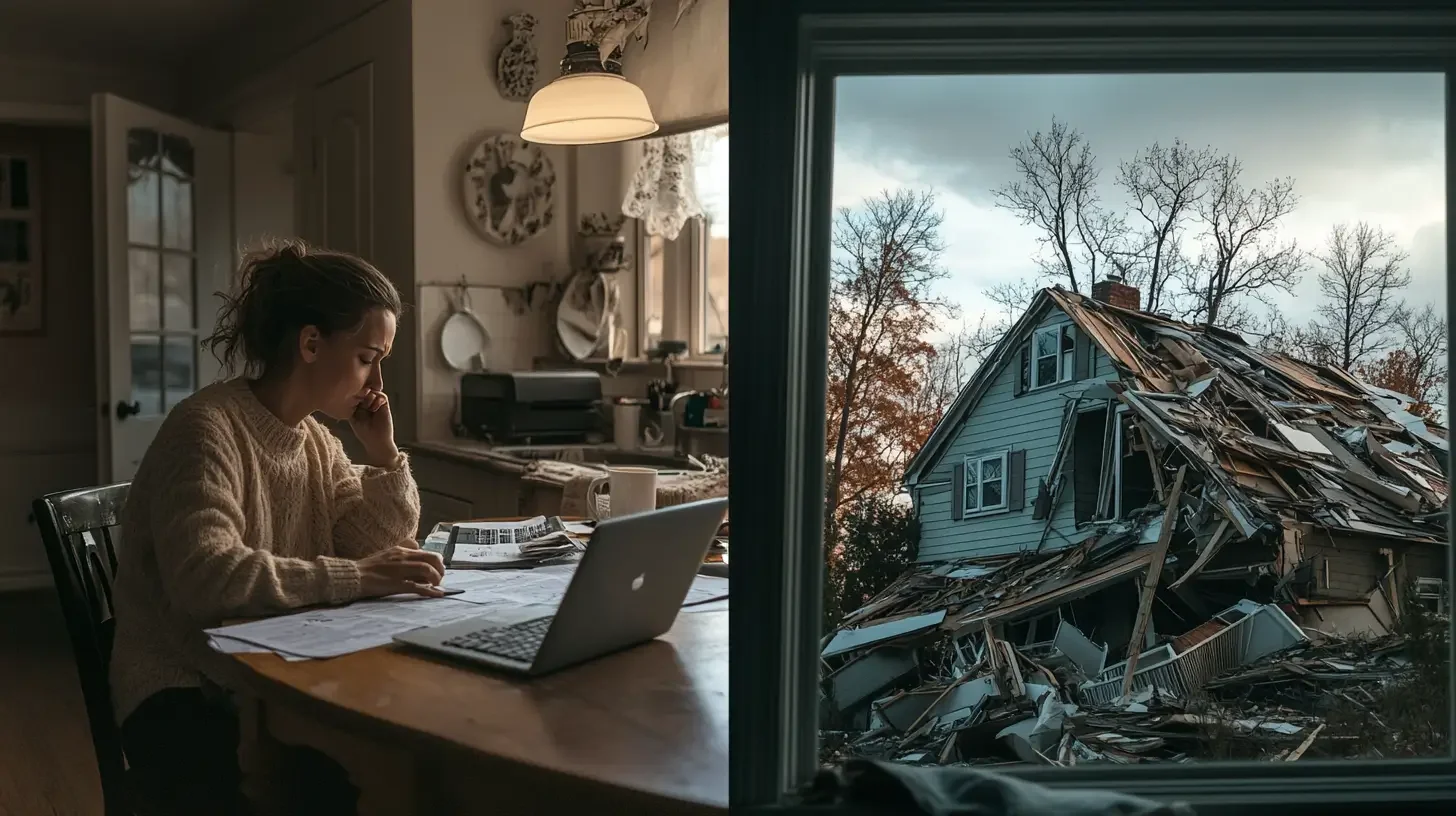
You're not alone. It's one of the most common questions homeowners ask after property damage — and the good news is that in most cases, you still have time. But how much time depends on your state, your policy, and where you are in the claims process. Some windows close faster than you think.
This post breaks down the real deadlines you need to know, the stages where a public adjuster can still make a difference, and the situations where it genuinely may be too late.
Can I Hire a Public Adjuster After I've Already Filed My Claim?
Yes — and this is actually one of the most common times people bring in a public adjuster.
Many homeowners start the claims process on their own, assuming their insurance company will handle things fairly. When they receive an estimate that barely covers half the damage, or when the adjuster misses major issues like hidden water intrusion or structural damage, they start looking for help.
A public adjuster can step in at virtually any point in the claims process, including after you've already filed, after the insurance company's adjuster has inspected, or even after you've received an initial payout. The key is that your claim hasn't been finalized with a signed release or settlement agreement.
Stages Where a Public Adjuster Can Still Help
What Are the Real Deadlines That Could Make It "Too Late"?
There are several hard deadlines that can permanently close your window. These vary by state, by policy, and by claim type. Here are the ones that matter most.
1. Your State's Claim Filing Deadline
Every state sets time limits on when you must notify your insurer of a loss. Miss this window, and the insurance company can deny your claim outright — no matter how legitimate the damage.
Florida (F.S. § 627.70132)
Florida has some of the tightest deadlines in the country following the 2022–2023 insurance reforms:
- New or reopened claims: 1 year from the date of loss
- Supplemental claims: 18 months from the date of loss
These windows used to be longer, so homeowners who remember the old rules are sometimes caught off guard.
Wisconsin (§ 631.83 and Policy Terms)
Wisconsin's default statute of limitations for bringing suit on an insurance claim is just one year from the date of loss, though some policies extend this to two years. The administrative code (Ins 6.11) also requires insurers to acknowledge communications within 10 days and investigate with "reasonable dispatch," but the clock on your side is often shorter than you'd expect.
Minnesota (§ 72A.201 and § 541.05)
Minnesota's Unfair Claims Settlement Practices Act requires insurers to acknowledge claims within 10 business days. On the policyholder's side, your insurance policy typically requires "prompt notice" of a loss. The broader statute of limitations for contract actions in Minnesota is six years under § 541.05, Subd. 1 — more generous than many states, but your policy language may impose a shorter contractual deadline.
2. Your Policy's "Suit Against Us" Clause
Beyond state law, your insurance policy itself contains a provision — often called the "Suit Against Us" or "Legal Action Against Us" clause — that sets a contractual deadline for filing a lawsuit. In many policies, this is one to two years from the date of loss.
This is a critical but frequently overlooked deadline. Even if your state's statute of limitations gives you more time, your policy might not. A public adjuster can help you identify this deadline and ensure you take action before it passes.
3. The Statute of Limitations for Lawsuits
If your claim is denied or underpaid and you need to sue your insurance company, each state has its own statute of limitations for breach-of-contract lawsuits against insurers:
A public adjuster doesn't file lawsuits — that's an attorney's role — but they can help you build a stronger case and maximize your claim before litigation becomes necessary. And if you do need legal action, having a well-documented claim from a public adjuster gives your attorney a significant head start.
4. A Signed Final Settlement Release
This is the hardest "too late" of all. Once you sign a final settlement release or a satisfaction of claim document, you are generally agreeing that the claim is resolved in full. After that, it becomes extremely difficult — and in most cases, impossible — to reopen the claim or seek additional funds.
This is why it's so important to consult a public adjuster before signing anything from your insurance company, especially if the offered amount feels low.
Do I Need a Public Adjuster? Weighing the Pros and Cons
Not every claim requires a public adjuster. A straightforward claim for a small, clearly covered loss — like a broken window from a baseball — may not justify bringing in outside help. But for anything beyond the basics, the math usually favors hiring one.
When Hiring a Public Adjuster Makes the Most Sense
A public adjuster typically adds the most value in situations where the claim involves significant dollar amounts, complex damage, or an uncooperative insurance company. Consider hiring one if your claim involves:
- Major storm, fire, or water damage where the repair scope is large and easy for an insurance adjuster to underestimate
- A lowball estimate that clearly doesn't cover the cost of proper repairs
- A denied claim where you believe the damage should be covered under your policy
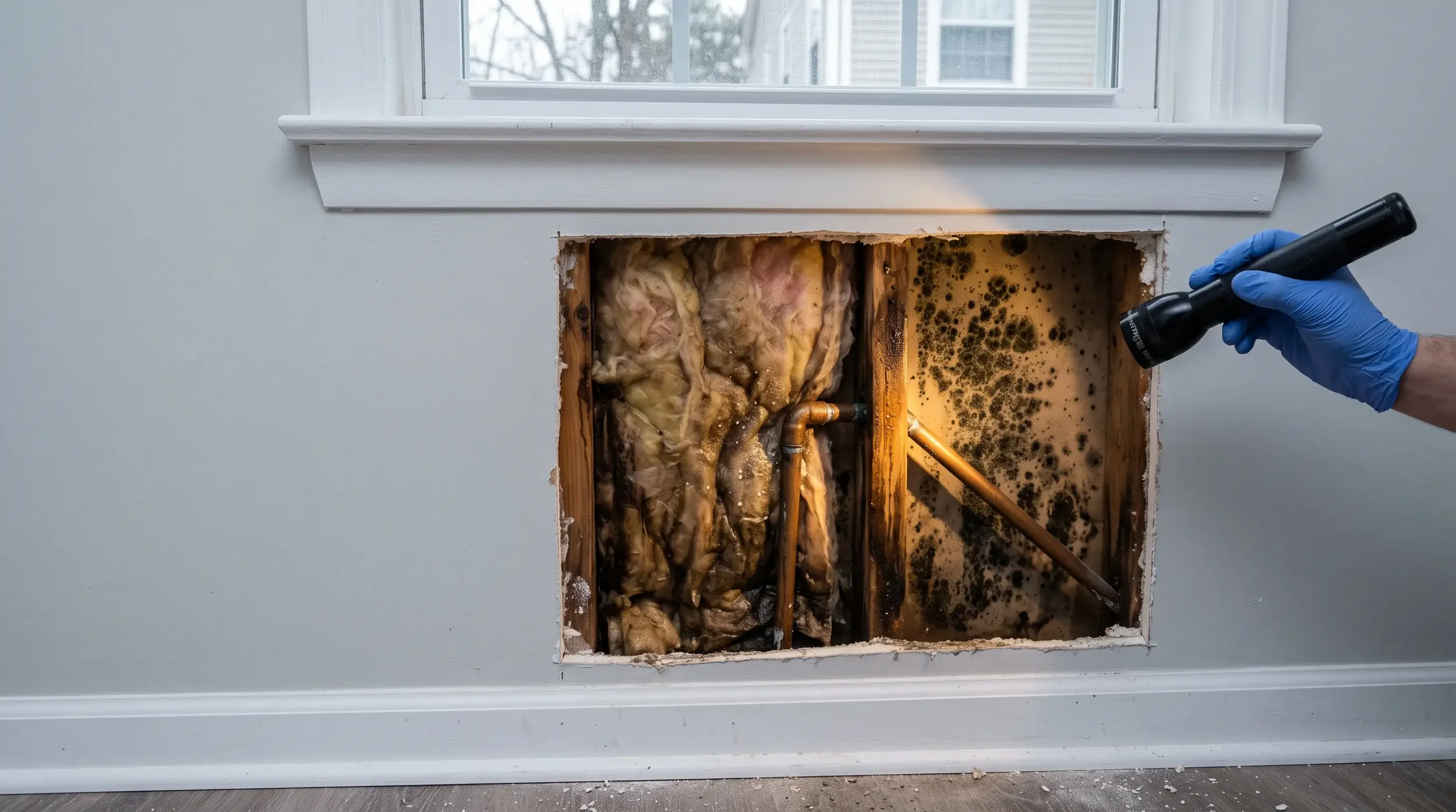
- Hidden or secondary damage like mold behind walls, structural issues beneath the surface, or ice dam damage that caused water intrusion you didn't notice right away
- A commercial property or HOA where claim complexity, business interruption losses, and code compliance requirements make professional representation essential
- Disputes over "cosmetic" vs. "functional" damage — a growing battleground in states like Minnesota, where insurers increasingly try to classify real damage as merely cosmetic to avoid paying
Public Adjuster: Pros and Cons at a Glance
Common Mistakes That Lead Homeowners to Call "Too Late"
Understanding why people delay can help you avoid the same trap.
Trusting the Insurance Company's Initial Offer
Many homeowners assume the first estimate is final and fair. It often isn't. Insurance company adjusters work for the insurer, and their job is to close claims efficiently — not maximize your payout. By the time a homeowner realizes the check won't cover actual repair costs, months may have passed.
Not Realizing Damage Exists
Some damage isn't visible right away. Ice dams in Minnesota can cause slow water intrusion that doesn't show up for weeks. Hail damage to a roof may not cause a leak until the next heavy rain. Mold from a water event can grow behind walls for months before anyone notices. The sooner you get a professional inspection after any weather event, the better your position.
Waiting to See if the Problem "Gets Worse"
This backfires in two ways. First, most insurance policies require you to mitigate damage — meaning you're supposed to take reasonable steps to prevent further loss. Second, the longer you wait, the easier it is for the insurance company to argue the damage was caused by neglect rather than a covered event.
Assuming a Denied Claim Means It's Over
A denial is not the end of the road. It's a decision, and decisions can be challenged. Public adjusters regularly reopen and overturn denied claims by providing better documentation, identifying policy provisions the insurer overlooked, and presenting the damage in a way that aligns with the coverage language.
How Shoreline Public Adjusters Helps — Even Late in the Process
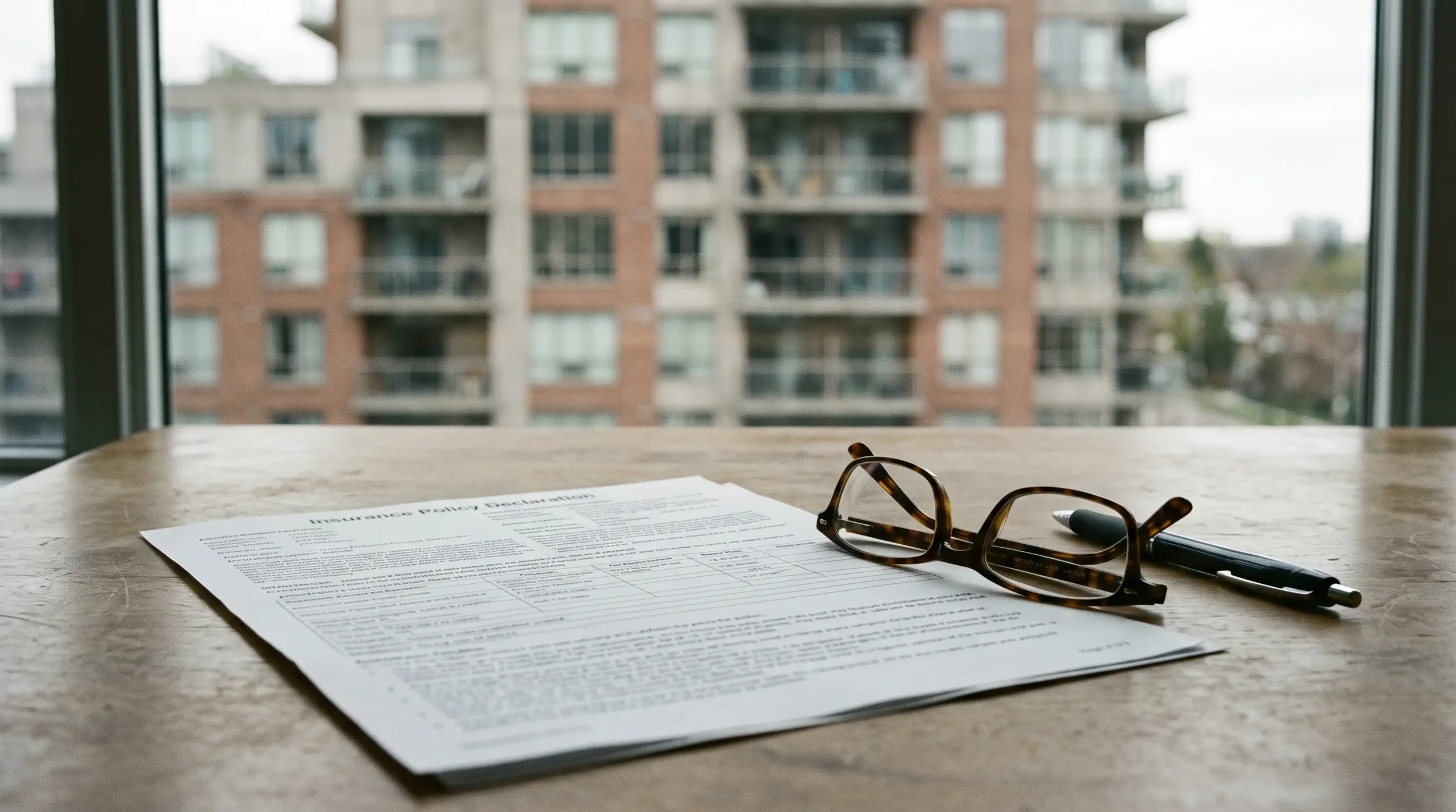
At Shoreline Public Adjusters, we regularly take on claims that homeowners thought were dead in the water. Whether you're dealing with a lowball offer, a flat-out denial, or damage you just discovered from last year's storm, our team evaluates your situation and identifies every available path forward.
Our process starts with a free policy review where we examine your coverage, identify applicable deadlines, and assess whether your claim has room for improvement. From there, our licensed adjusters conduct a comprehensive inspection using drone photography, thermal imaging, moisture meters, and Xactimate estimating software to build a claim package that's difficult for any insurance company to dismiss.
We've handled claims in Florida, Wisconsin, and Minnesota — and because we understand the specific statutes, case law, and regulatory frameworks in each state, we can leverage rules like Minnesota's Cedar Bluff matching requirements, Wisconsin's Valued Policy Law (§ 632.05(2)), or Florida's supplemental claim provisions to push for the full settlement you deserve.
We work on a contingency fee basis, which means there's no upfront cost to you. We only get paid if your claim is successfully resolved. → Get a Free Policy Review
If you think it might be too late, call us at 954-546-1899 or email hello@teamshoreline.com for a free consultation. More often than not, there's still time — but the sooner you reach out, the more options you'll have.
Frequently Asked Questions
Can I hire a public adjuster after my claim has been denied?
Yes. Denied claims are one of the most common situations where a public adjuster adds value. A denial is an insurance company's decision, not a final verdict. A licensed public adjuster can review the denial, identify errors or overlooked policy provisions, gather stronger documentation, and reopen or appeal the claim on your behalf.
Is it worth hiring a public adjuster for a small claim?
It depends on what you consider "small." For claims under a few thousand dollars where the insurance company's offer seems fair and the damage is straightforward, you may not need one. But if the amount in dispute is significant relative to your repair costs — even on a claim that seems small — a public adjuster can often recover enough additional funds to more than cover their fee. Consultations are typically free, so it never hurts to ask.
How much does a public adjuster cost?
Most public adjusters, including Shoreline, work on a contingency fee basis. This means there are no upfront costs — the fee is a percentage of the settlement amount, and it's only collected if the claim is successfully resolved. The exact percentage varies and is always disclosed in writing before you sign anything. In Wisconsin, fees are capped at 10% for catastrophic disaster claims.
What's the difference between a public adjuster and the insurance company's adjuster?
The insurance company's adjuster (sometimes called a "staff adjuster" or "independent adjuster") works for your insurer. Their job is to evaluate damage and recommend a payout amount on behalf of the company. A public adjuster works exclusively for you, the policyholder. They conduct their own independent inspection, build their own estimate, and negotiate with the insurance company to maximize your settlement.
Can I hire a public adjuster if I've already accepted a partial payment?
Absolutely. Accepting an initial payment does not close your claim in most cases. If additional damage is discovered, if repairs cost more than the insurer estimated, or if the original scope missed items, a public adjuster can file a supplemental claim. The key is that you haven't signed a final release waiving your right to additional recovery.