What Does a Condo Association Insurance Policy Cover? A Guide for Unit Owners
By: Shoreline Public Adjusters
Updated: March 2026 · 10 min read
In This Post:
- What a Condo Association Insurance Policy Actually Covers
- The Three Master Policy Types Explained
- What Your HO6 Policy Needs to Cover
- Where Coverage Gaps Cost Condo Owners the Most
- How Insurers Exploit the Master Policy vs. HO6 Boundary
- Real Outcome: Fort Myers Condo After Hurricane Ian
- Common Mistakes Condo Owners Make With Insurance
- Frequently Asked Questions About Condo Association Insurance
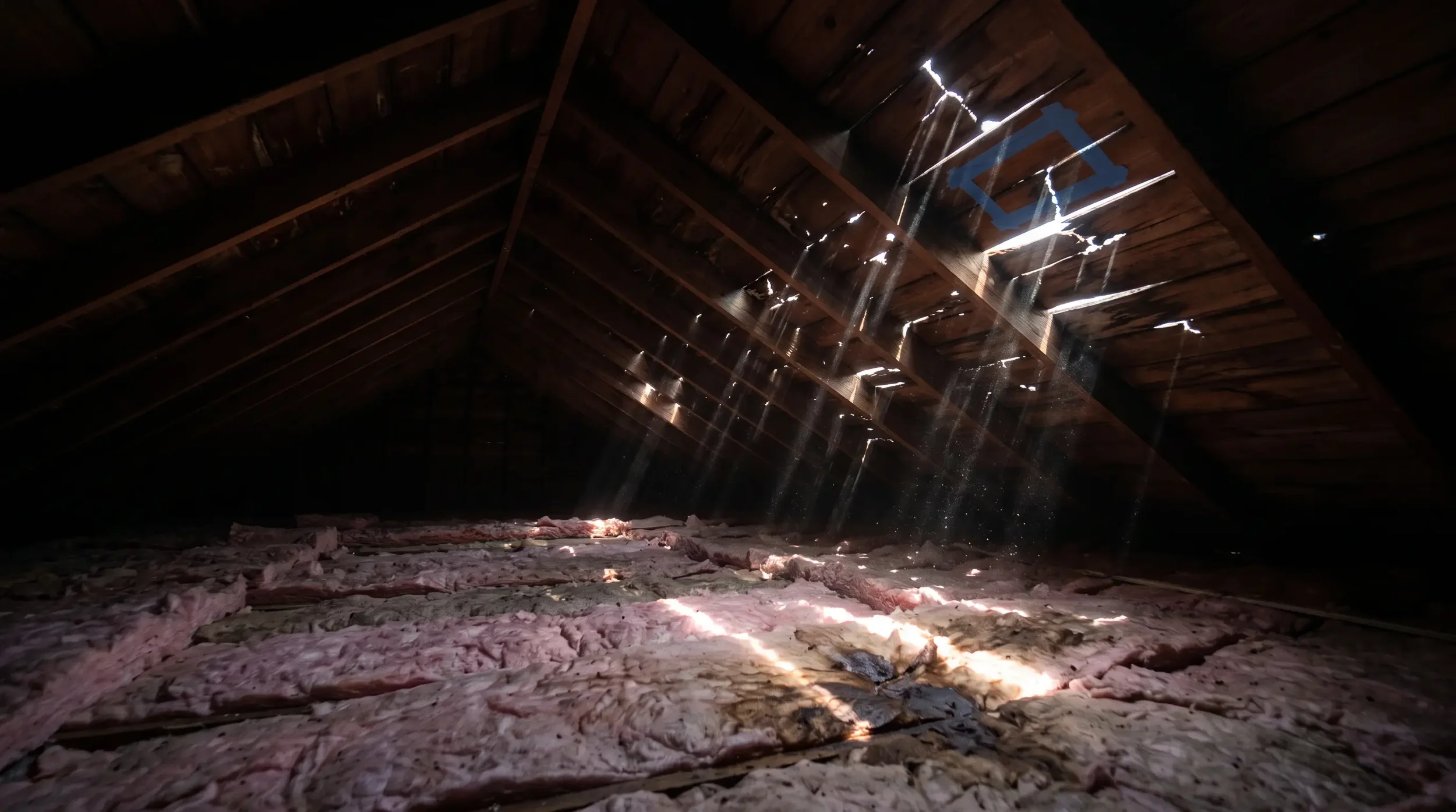
A condo owner in Fort Myers called after Hurricane Ian because water was pouring through her ceiling from the unit above. The association's insurer said the damage was her responsibility because it was inside her unit. Her HO6 insurer said it wasn't her responsibility because the water originated from a common-area roof failure.
Both insurers pointed at each other. Neither paid. The total interior damage was $41,000, and for three months, no one would cover a dollar of it.
We reviewed the master policy, the HO6 policy, and the association's governing documents. The roof was a common element. The water intrusion was caused by a covered peril — wind-driven rain.
The master policy was responsible for everything from the drywall out, and the HO6 was responsible for the interior finishes below. Both claims were valid. The association recovered $167,000 for the building, and the unit owner recovered $38,200 under her HO6 — after we filed both claims with proper documentation and forced the insurers to stop deflecting.
Why Condo Owners Need to Understand Their Association's Policy
I spent over a decade in enterprise risk management, watching how large organizations structure insurance programs to close coverage gaps before they become losses. Condo associations are supposed to do the same thing — but most don't.
The result is a coverage structure where the association's master policy and each owner's HO6 policy are supposed to work together without gaps. In practice, the two policies often overlap in some areas and leave gaps in others. Understanding your condo association insurance policy is the only way to know whether you're actually protected — or just paying premiums into a system that will fail you when damage hits.
What a Condo Association Insurance Policy Actually Covers
A condo association insurance policy — commonly called the master policy — covers physical damage to the building's structure and common areas. This typically includes roofs, exterior walls, hallways, lobbies, elevators, stairwells, parking structures, pools, and other shared amenities.
The master policy also includes general liability coverage for injuries or property damage in common areas, directors and officers (D&O) liability for the board, and fidelity bond coverage for financial misconduct. We covered these in detail in our HOA liability claims guide.
What the master policy does NOT cover is your individual unit's interior — but where exactly the association's coverage ends and yours begins depends on which type of master policy your association carries.
⚠️ What Insurers Won't Tell You: When damage crosses the master policy / HO6 boundary — like a roof leak that damages a unit's interior — both insurers have a financial incentive to argue the damage falls under the other policy. This ping-pong effect is the single most common reason condo damage claims stall or go unpaid.
The Three Master Policy Types Explained
Every condo master policy falls into one of three categories. The type your association carries determines what you need in your HO6 policy — and where the fights happen when a claim is filed.
Bare Walls-In Coverage
This is the most common type in Florida. The association covers the building structure from the drywall outward: framing, roofing, exterior walls, plumbing within shared walls, and electrical wiring to the panel. Everything inside the unit — flooring, cabinets, countertops, fixtures, appliances, paint, even the drywall finish — is the owner's responsibility.
What this means for claims: If a pipe bursts inside a shared wall, the association's policy covers the pipe repair. But the water damage to your hardwood floors, drywall, and kitchen cabinets? That's on your HO6 policy. If your HO6 doesn't carry enough dwelling coverage, you're paying out of pocket.
Single Entity Coverage
The association covers the unit as it was originally built — including standard fixtures, flooring, cabinets, and appliances as they existed at initial construction. Any upgrades or improvements you've made since are your responsibility under your HO6.
What this means for claims: If you replaced the builder-grade countertops with granite, your HO6 needs to cover the difference. The master policy pays to restore original materials; your policy covers the upgrade value.
All-In Coverage
The broadest type. The association covers the unit including owner improvements and upgrades. This is the least common type and carries the highest premiums for the association.
What this means for claims: Your HO6 still needs to cover personal property, loss of use, and liability — but the structural and fixture coverage burden shifts heavily to the master policy.
| Bare Walls-In | Single Entity | All-In | |
|---|---|---|---|
| Building structure | Association | Association | Association |
| Original fixtures/finishes | Owner (HO6) | Association | Association |
| Owner upgrades | Owner (HO6) | Owner (HO6) | Association |
| Personal property | Owner (HO6) | Owner (HO6) | Owner (HO6) |
| Common in | Florida | Midwest | Rare |
📋 Florida Law: Under Fla. Stat. § 718.111(11), condominium associations must insure all common elements and association property for full insurable value, based on an appraisal completed at least every 36 months. The statute also requires the association to provide a certificate of insurance to any unit owner within 30 days of request. Source: Florida Legislature
What Your HO6 Policy Needs to Cover
Your HO6 policy fills the gaps the master policy leaves. But the right HO6 depends entirely on which master policy type your association carries. Here's what most condo owners miss.
Dwelling coverage (Coverage A). This covers the interior structure of your unit — walls, floors, ceilings, built-in fixtures. Under a bare walls-in master policy, you need enough Coverage A to rebuild your entire interior. Under single entity, you only need to cover upgrades. Most condo owners are underinsured here because they set Coverage A too low.
Personal property (Coverage C). Your furniture, electronics, clothing, and belongings. The master policy never covers these regardless of type. Most owners underestimate contents value by 40–60%.
Loss assessment coverage. If the association's master policy doesn't fully cover a common-area loss, the board can assess unit owners for the difference. Loss assessment coverage in your HO6 pays your share.
Default limits are often $1,000 — far too low after a major hurricane or building-wide event. In Minnesota, the Common Interest Ownership Act (§ 515B) governs how associations allocate losses to unit owners. Increase this coverage to at least $25,000–$50,000 in hurricane-prone areas.
Loss of use (Coverage D). If your unit is uninhabitable during repairs, this covers temporary housing, meals, and related expenses. After a hurricane, this can run $3,000–$8,000 per month for several months.
Where Coverage Gaps Cost Condo Owners the Most
The gap between the master policy and your HO6 is where money disappears in condo claims. These are the specific scenarios we see most often.
Water damage from above. A common-area pipe or roof failure sends water into your unit. The master policy covers the source repair. Your HO6 covers the interior damage. But if the association is slow to file or disputes responsibility, your unit sits damaged while insurers argue. We see this on nearly every multi-unit water damage claim we handle.
Hurricane deductibles. Florida condo master policies often carry wind/hail deductibles of 2–5% of the insured value — which on a $10 million building is $200,000–$500,000. That shortfall gets assessed to unit owners. If your loss assessment coverage is capped at $1,000, you're exposed.
Code upgrade gaps. After a covered loss, repairs may trigger current building code requirements — updated electrical, fire suppression, hurricane straps, ADA compliance. The master policy's ordinance or law coverage pays for this, but boards often don't claim it. The result is either a special assessment to owners or substandard repairs.
Improvements vs. original construction. If you remodeled your kitchen and the master policy is single entity, the insurer pays to restore builder-grade cabinets and laminate counters. Your granite and custom cabinetry? That's a $20,000+ gap if your HO6 dwelling coverage doesn't account for it.
How Insurers Exploit the Master Policy vs. HO6 Boundary
When damage crosses the boundary between the master policy and individual unit coverage, both insurers have the same playbook: argue the damage belongs to the other policy.
The deflection tactic. The master policy insurer inspects the common-area damage and writes an estimate that stops at the drywall. Interior water damage, mold conditions, damaged insulation — they tell the unit owner to file under their HO6. The HO6 insurer then argues the damage originated from a common-area failure and should be covered by the master policy. Neither insurer is wrong about the facts; they're both right about different parts of the loss. The problem is that neither takes responsibility for the overlap.
The scope-limiting inspection. The association's adjuster scopes the building damage but doesn't enter individual units. The insurer's adjuster focuses on the cheapest interpretation of where the master policy's responsibility ends.
The depreciation double-dip. Both insurers apply depreciation to their respective portions of the claim. The master policy depreciates the common-area components. The HO6 depreciates the interior components. The owner gets hit twice on the same loss event, and neither insurer accounts for the full replacement cost of the damage chain from roof to interior.
Is your condo claim caught between two insurers? If neither the master policy nor your HO6 insurer is covering the full damage, a free consultation with Shoreline Public Adjusters takes 15 minutes and costs you nothing. Contact Us
Real Outcome: Fort Myers Condo After Hurricane Ian
A unit owner in a 24-unit building in Fort Myers filed a claim after Hurricane Ian. Wind-driven rain penetrated the building's roof — a common element — and flooded her third-floor unit. Ceiling drywall collapsed, hardwood floors buckled, and kitchen cabinets swelled from moisture exposure.
The association's master policy insurer offered $4,200 for the roof section above her unit — a patch, not a replacement. They classified the interior damage as the unit owner's responsibility. Her HO6 insurer denied the claim, arguing the damage originated from the common-area roof and should be covered by the master policy.
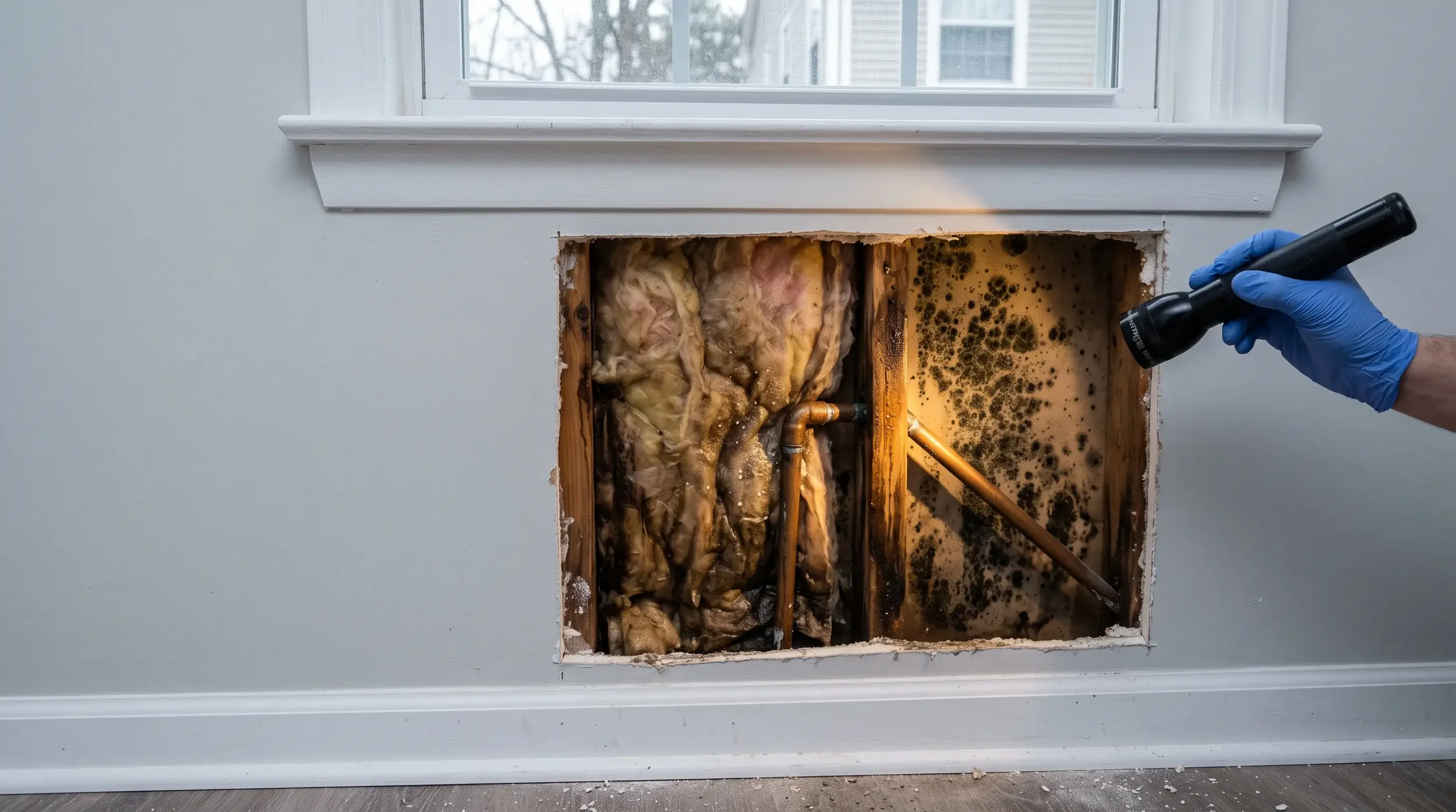
We filed both claims simultaneously. For the association, we documented roof damage across the entire building — not just the section above one unit — and identified code upgrade requirements on the electrical panels and hurricane strap retrofits the original estimate missed. For the unit owner, we documented the interior damage chain from ceiling to floor, including moisture readings in wall cavities that indicated early mold conditions.
Shoreline Public Adjusters recovered $167,000 for the association's building-wide claim and $38,200 for the individual unit owner's HO6 claim. The key was understanding that both policies owed money — and that neither insurer was going to volunteer coverage the other should have been paying.
Common Mistakes Condo Owners Make With Insurance
1. Not reading the master policy Most condo owners have never seen their association's master policy. They don't know which type it is or where their coverage begins. This is the single most expensive mistake. What to do instead: Request a certificate of insurance from your board. In Florida, they must provide it within 30 days under § 718.111.
2. Setting HO6 dwelling coverage too low Under a bare walls-in master policy, you need enough Coverage A to rebuild your entire unit interior. A $25,000 limit won't cover a full kitchen, bathroom, and flooring replacement. What to do instead: Get a replacement cost estimate for your unit's interior and set Coverage A accordingly. $100,000–$200,000 is common for updated units.
3. Keeping default loss assessment limits The standard $1,000 loss assessment limit is meaningless after a major storm. Hurricane deductibles alone can generate five-figure assessments per unit. What to do instead: Increase to $25,000–$50,000. The premium difference is minimal.
4. Filing under the wrong policy first Filing your HO6 claim for damage that the master policy should cover — or vice versa — delays everything and gives both insurers ammunition to deflect. What to do instead: Determine the damage origin before filing. If damage crosses the boundary, file both claims simultaneously with documentation showing which policy covers which components.
5. Not documenting unit improvements If you've upgraded your unit beyond original construction, your HO6 needs to cover the improvement value. Without documentation of what you installed, the insurer pays for builder-grade replacements. What to do instead: Keep receipts and photos of all renovations. Update your HO6 dwelling coverage after every major improvement.
Frequently Asked Questions About Condo Association Insurance
What does a condo association insurance policy cover?
A condo association insurance policy — the master policy — covers the building's structure and common areas, including roofs, exterior walls, hallways, elevators, pools, and shared amenities. It also includes general liability, D&O coverage, and fidelity bonds. Individual unit interiors are covered to varying degrees depending on whether the policy is bare walls-in, single entity, or all-in.
Do I still need my own insurance if my condo association has a master policy?
Yes. The master policy does not cover your personal property, liability inside your unit, loss of use, or — under bare walls-in policies — your unit's interior finishes. An HO6 policy fills these gaps and is typically required by your mortgage lender.
What is the difference between bare walls-in, single entity, and all-in coverage?
Bare walls-in covers only the building structure from drywall outward — the unit owner covers everything inside. Single entity covers the unit as originally built, including initial fixtures and finishes.
All-in covers the unit including owner improvements and upgrades. Most Florida condos carry bare walls-in, which puts the most coverage burden on unit owners.
What happens if both my HO6 and the master policy deny the same claim?
This happens when damage crosses the coverage boundary — like a roof leak damaging a unit's interior. Both insurers may argue the damage falls under the other policy. A public adjuster can file both claims simultaneously with documentation that assigns each damage component to the correct policy, forcing both insurers to pay their share.
How much loss assessment coverage should I carry?
At least $25,000–$50,000, especially in Florida and other hurricane-prone states. Default limits of $1,000 are dangerously low. After a major storm, the association's hurricane deductible alone — often 2–5% of insured value — can generate assessments of $10,000–$30,000 per unit.
Does the condo association's policy cover water damage inside my unit?
It depends on the source. If water enters from a common-area failure (roof leak, shared plumbing), the master policy covers the source repair. Under bare walls-in, the interior damage to your unit is typically your HO6 claim.
Under single entity or all-in, the master policy may cover some or all interior restoration. The key is identifying the damage origin before filing.
If your condo claim is stuck between two insurers — or if the numbers don't add up, that's exactly the situation Shoreline Public Adjusters resolves every week. We represent both condo associations and individual unit owners across Florida, Minnesota, and Wisconsin. We don't collect a fee unless you do, and insurance claims have deadlines. Contact Us
You may also find these helpful:
- Does HOA Insurance Cover Water Damage?
- What Is the Rule of Thumb for Condo Insurance?
- HOA Insurance Claim Support
Shoreline Public Adjusters, LLC is licensed in Florida (FL G199012), Minnesota (MN 40962416), and Wisconsin (WI 21156868).
Shoreline Public Adjusters, LLC
780 Fifth Avenue South
Suite #200
Naples, FL 34102
Email: hello@teamshoreline.com
Phone: 954-546-1899
Fax: 239-778-9889