Is the HOA Responsible for Water Damage? It Depends on What Got Wet and Why
TL;DR — Is the HOA Responsible for Water Damage? It Depends on What Got Wet and Why
- The association pays for what its policy must insure. In a condominium that is the building and common elements, and the finishes and contents inside your unit are usually yours.
- Why the water got there can move the bill. In Florida, an owner whose negligence caused the damage pays what insurance does not, under Fla. Stat. 718.111(11)(j).
- No insurable event means the declaration decides. Without one, the maintenance provisions of your declaration or bylaws say who pays.
- Minnesota lets the association pass its deductible to you. Minn. Stat. 515B.3-113(b) allows it to charge the deductible to the affected units.
- Report it in writing the day you find it. A Florida association does not have to pay for damage an owner knew about but reported only after the association's claim was settled.
Water Came Through the Ceiling. Now Everyone Points at Someone Else.
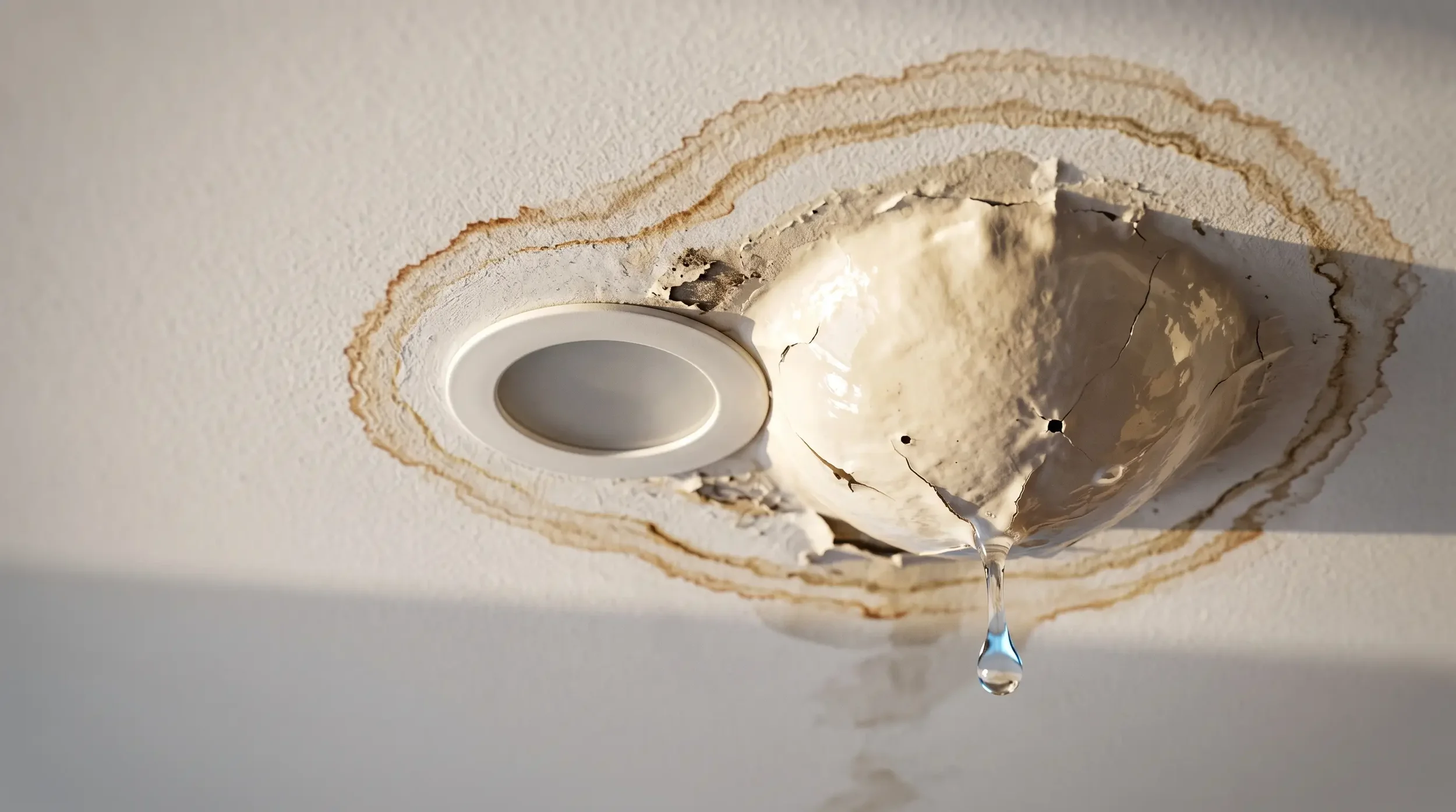
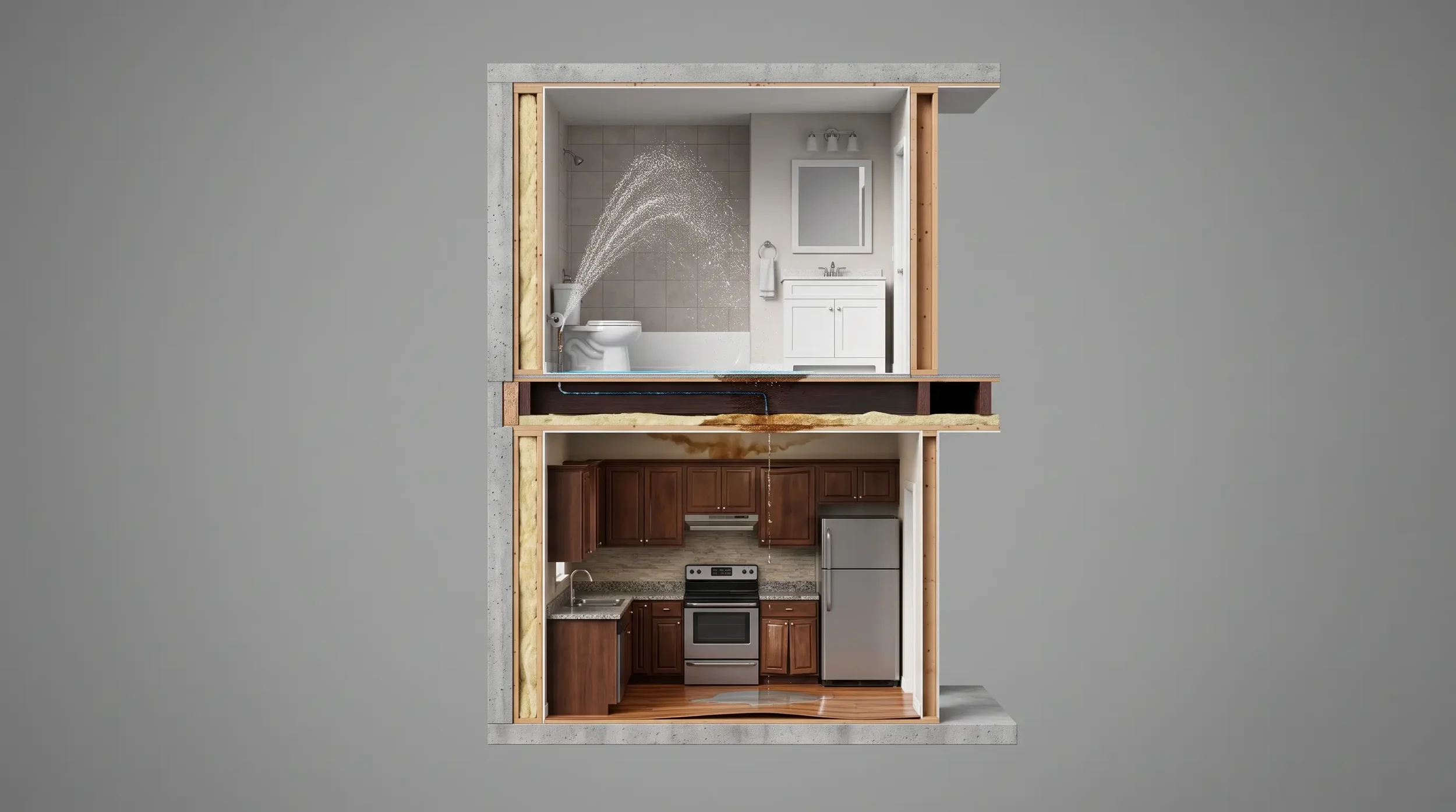
When water crosses from one unit into another, three parties usually end up holding a piece of the damage: the association, the owner whose unit it came from, and the owner whose unit it landed in. Each has its own insurance, and each policy is written to cover only part of what got wet.
So the honest answer to whether the HOA is responsible for water damage is: for some of it. Which part turns on two questions, what got wet and why the water got there, and three states answer them differently.
First Question: What Got Wet?
The association's policy covers what the association is responsible for insuring. In a condominium, that generally means the building structure and the common elements, while the finished surfaces and everything you brought in generally fall to you.
Florida writes the line into Fla. Stat. 718.111(11)(f), which requires the master policy to exclude the floor, wall and ceiling coverings, cabinets, countertops, appliances and water heaters inside your unit. The full list, and the "as originally installed" rule that comes with it, is in our guide to what an HOA master insurance policy covers.
On a water loss, that split usually means two claims for one event. The association's claim handles the structure, your HO-6 claim handles the finishes and contents, and neither one is complete without the other.
Second Question: Why Did the Water Get There?
This is where most of the arguing happens, and Florida's condominium statute answers it more directly than most owners expect.
Under Fla. Stat. 718.111(11)(j), when an insurable event damages property the association must insure, the association repairs it as a common expense. The association's deductible and any damage above its policy limits are common expenses too, with exceptions.
- Negligence or a rule violation. If the damage was caused by an owner's intentional conduct, negligence, or failure to follow the declaration or the association's rules, that owner pays the repair costs insurance does not cover. The same is true when a family member, tenant or guest caused it.
- Late reporting. The association is not obligated to pay for damage an owner knew about, or should have known about, but did not report until after the association's claim was settled or denied as untimely.
When there was no insurable event at all, the statute sends the question somewhere else: the maintenance provisions of your declaration or bylaws decide whether the association or the owner pays. That is why the cause matters so much, and why it has to be documented before anyone repairs it.
It also answers the most common version of the question, the leak from the unit above. The upstairs owner is not automatically responsible, and in Florida their share turns on whether their negligence or a rule violation caused the leak, including damage to other owners' personal property.
Minnesota and Wisconsin Leave More to the Declaration
Minnesota's statute for common interest communities makes the association insure units that share walls, siding or roofs along with the common elements. Under Minn. Stat. 515B.3-113(b), that insurance can leave out what is inside: wall and ceiling finishes, finished flooring, cabinetry, fixtures and equipment serving a single unit, built-in appliances and improvements.
The same subsection handles the deductible, and it gives the choice to the association, not the owner. On a claim for damage to a unit, the association may pay the deductible as a common expense, assess it against the affected units, or require those owners to pay it directly, and subsection (h) makes the cost of repairing a unit beyond the insurance proceeds the unit owner's.
Wisconsin's statute is shorter. Wis. Stat. 703.17 requires a condominium association to insure the property for full replacement value, in the association's name as trustee for the owners, and preserves each owner's right to insure their own unit. It does not list which interior items fall to the owner the way Florida and Minnesota do, so in Wisconsin the declaration carries more of the answer.
If your community is not a condominium, start with the declaration in any state. It is the document that says what the association insures and what it maintains.
From Our Files: The First Check Was Not the Last
This lesson comes from a storm claim rather than a condo water loss, but it carries over directly.
On that claim, the carrier's first check was not its last. Three supplement payments followed within about a month, and the total came to more than twice the first check.
Nothing about the storm changed after the first payment arrived. The claim simply was not finished yet, and a first check is a payment, not a verdict.
Water losses in a condo work the same way, only more so. The first estimate is usually written before anyone opens a wall, pulls a cabinet or looks under the flooring. Treat the first number as a starting point, and keep documenting as the tear-out uncovers more.
What to Do the Day Water Comes Through
1. Stop the water and photograph the source before anything is repaired. The cause decides who pays, and the evidence of the cause is often the first thing a repair removes.
2. Get the cause in writing. Ask whoever makes the repair to note what failed, where it was, and whether it served one unit or more than one.
3. Notify the association in writing the same day. In Florida, damage you knew about but reported only after the association's claim was settled or denied as late can stop being the association's to pay.
4. Open your own HO-6 claim now. Waiting for the association to decide responsibility first can leave your own claim late.
5. Ask for the master policy's declaration page and deductible. You need to know what the association's policy covers and what it may pass to you.
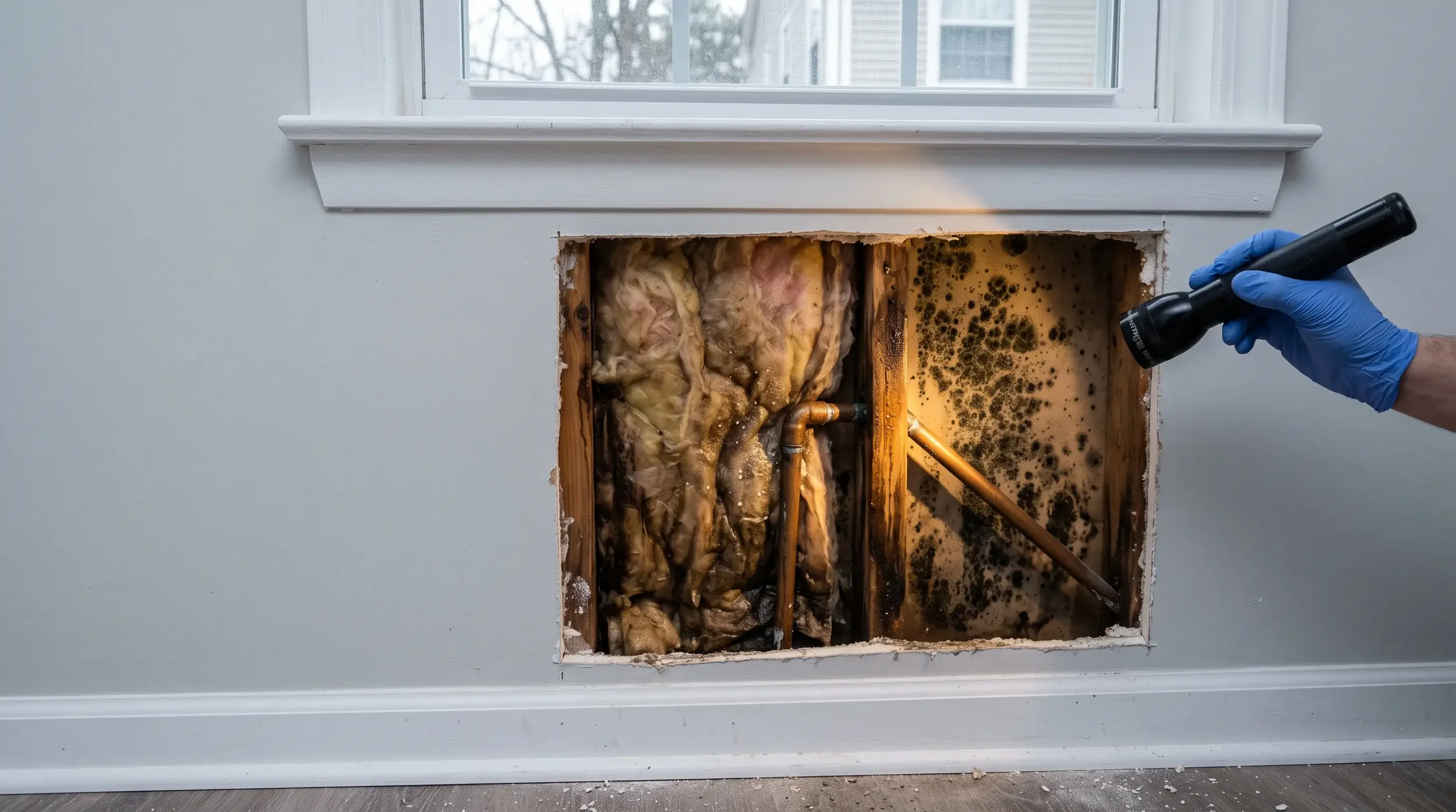
6. Keep documenting through the tear-out. Photograph what is found behind walls and under floors before it leaves the building.
When the Association and Your Insurer Point at Each Other
The standoff usually sounds like this. The association says the damage is inside your unit, so it is yours, and your carrier says the water came from a common element, so it is the association's.
Break it with paper. Ask the association for its responsibility decision in writing, with the section of the declaration it relies on, and give that letter to your own carrier.
Florida also writes two rules into the unit owner's policy itself. Under Fla. Stat. 627.714, it must be excess over any other policy covering the same property, and it must include at least $2,000 of loss assessment coverage for assessments from the same direct loss, when that loss is the kind the owner's policy covers.
If either carrier stops responding, a complaint to your state insurance regulator is the next step. A public adjuster can document the damage chain so the argument is about the evidence rather than about blame.
Frequently Asked Questions About HOA Water Damage
Is the HOA responsible for water damage inside my unit?
Partly, in most condominiums. The association's policy covers the structure and common elements, and the finishes and contents inside your unit usually fall to you and your HO-6 policy. In Florida, Fla. Stat. 718.111(11)(f) requires the master policy to exclude items such as floor, wall and ceiling coverings, cabinets, countertops and appliances inside the unit.
Who pays for water damage that comes from the unit above?
Not automatically the upstairs owner. Each policy usually pays for the property it covers. In Florida, the owner above becomes responsible for what insurance does not pay if their intentional conduct, negligence, or failure to follow the declaration or rules caused the damage, and Fla. Stat. 718.111(11)(j) extends that to other owners' personal property.
What if the association says the leak is a maintenance problem, not an insurance claim?
Then the declaration decides. Under Fla. Stat. 718.111(11)(j), when damage does not result from an insurable event, the association or the owners are responsible as the maintenance provisions of the declaration or bylaws provide. Ask the association to identify the section it relies on in writing, and read that section yourself before accepting the answer.
Can the HOA make me pay the master policy deductible after a water leak?
In Minnesota, it can. Minn. Stat. 515B.3-113(b) lets the association pay the deductible as a common expense, assess it against the affected units, or require those owners to pay it directly. In Florida, deductibles are a common expense under Fla. Stat. 718.111(11)(j), except where an owner's negligence or rule violation caused the damage.
Does it matter how quickly I report water damage to the association?
Yes. In Florida, Fla. Stat. 718.111(11)(j) says the association is not obligated to pay for losses a unit owner knew or should have known about but did not report until after the association's insurance claim was settled, resolved, or denied as untimely. Report it in writing the day you find it, and keep a copy.
What is loss assessment coverage, and how much does Florida require?
It pays your share when the association assesses owners for a covered loss. Fla. Stat. 627.714 requires a condo unit owner's policy to include at least $2,000 of loss assessment coverage for assessments from the same direct loss, with a deductible of no more than $250, when the loss is the kind the owner's policy covers.
Does Wisconsin law say who pays for water damage in a condo?
Not item by item. Wis. Stat. 703.17 requires the association to insure the property for full replacement value in its name as trustee for the owners, and it preserves each owner's right to insure their own unit. It does not list which interior items belong to the owner, so the declaration does more of the work in Wisconsin.
Can a public adjuster help with a condo water damage claim?
Yes. A licensed public adjuster can represent you on your own HO-6 claim, document the cause and the full scope of the damage, and help separate what the association's policy should pay from what yours should. That separation is most useful before the damaged materials are removed.
Get the Responsibility Answer Before the Tear-Out Starts
Once the damaged drywall is gone, the argument about where the water came from is much harder to prove. A review of the association's decision, your policy and the damage costs nothing, and it is most useful while the evidence is still on the wall.
If the loss is the association's to claim, our HOA and condo claim support covers the master-policy side. If the damage is in your unit, water and flood damage claim help covers the owner's side.
Contact Shoreline Public Adjusters for a free claim review. We work only for policyholders, and we do not collect a fee unless you do.
Related Reading
- What an HOA master insurance policy covers — the full Florida exclusions list, and how to get the declaration page.
- Condo master policy deductible calculator — estimate your share of an association deductible before you need to.
- Loss of use coverage — what your policy owes while the unit is being repaired.
Shoreline Public Adjusters, LLC is licensed in Florida (FL G199012), Minnesota (MN 40962416), Wisconsin (WI 21156868), North Dakota (ND 3004392416), and South Dakota.
Shoreline Public Adjusters, LLC
780 Fifth Avenue South
Suite #200
Naples, FL 34102
Email: hello@teamshoreline.com
Phone: 954-546-1899
Fax: 239-778-9889