Does Homeowners Insurance Cover Mold? What Insurers Won't Tell You
By: Shoreline Public Adjusters
Updated: March 2026 · 8 min read
In This Post:
- The Short Answer
- When Mold Is Covered by Homeowners Insurance
- When Mold Is Not Covered
- The Mold Sub-Limit Most Policyholders Don't Know About
- How Insurers Deny Mold Claims
- Mold Coverage by State: Florida, Minnesota, and Wisconsin
- What to Do If Your Mold Claim Was Denied
- Common Mistakes on Mold Claims
- Frequently Asked Questions
You find mold behind a wall. The remediation company quotes $14,000. You call your insurer, and the first thing they tell you is that mold "isn't covered."
That's not exactly true — but insurers say it often enough that most homeowners believe it. The reality is more nuanced, and that nuance is where policyholders lose money.
Does homeowners insurance cover mold? It depends almost entirely on what caused it. And in our experience handling mold-related claims across Florida, Minnesota, and Wisconsin, the cause is exactly where the insurer's version of events starts to diverge from yours.
The Short Answer
Homeowners insurance covers mold when it results from a sudden, accidental event that your policy covers — like a burst pipe, storm damage, or an appliance failure. It does not cover mold caused by long-term neglect, deferred maintenance, or humidity.
The catch: your insurer decides which category your mold falls into. And they have every incentive to call it "gradual" even when it isn't.
📊 Key Fact: Most homeowners policies cap mold remediation at $1,000 to $10,000 per occurrence as a sub-limit — regardless of the actual cost. If your remediation exceeds the cap, you may be paying the difference out of pocket unless your adjuster links the mold back to the underlying covered peril.
When Mold Is Covered by Homeowners Insurance
Mold is covered when it is the direct result of a covered peril — a sudden, accidental event listed in your policy. The most common covered scenarios:
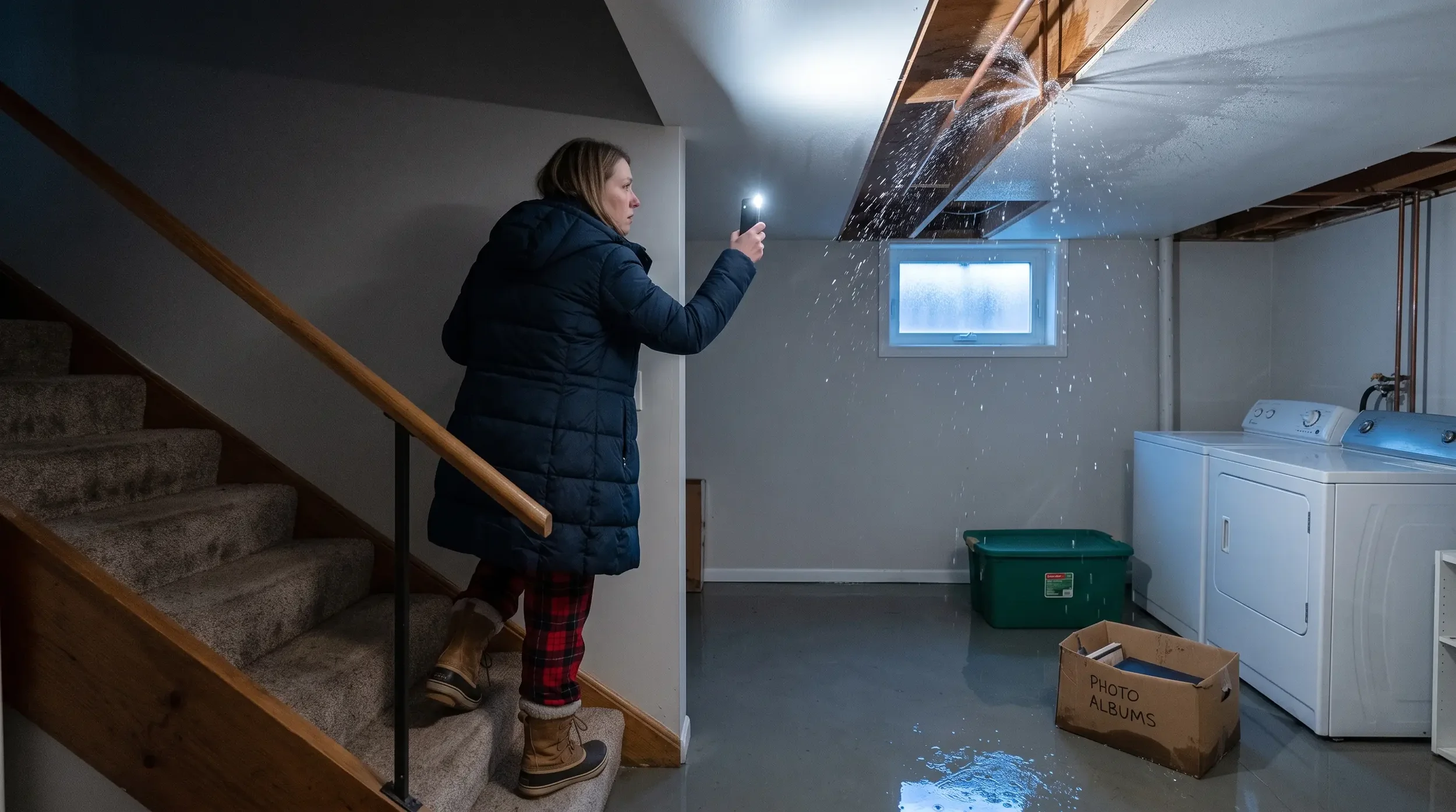
Burst or frozen pipes. A pipe bursts inside a wall, soaks the framing and insulation, and mold develops within days. The water damage is covered. The mold that results from it should be too.
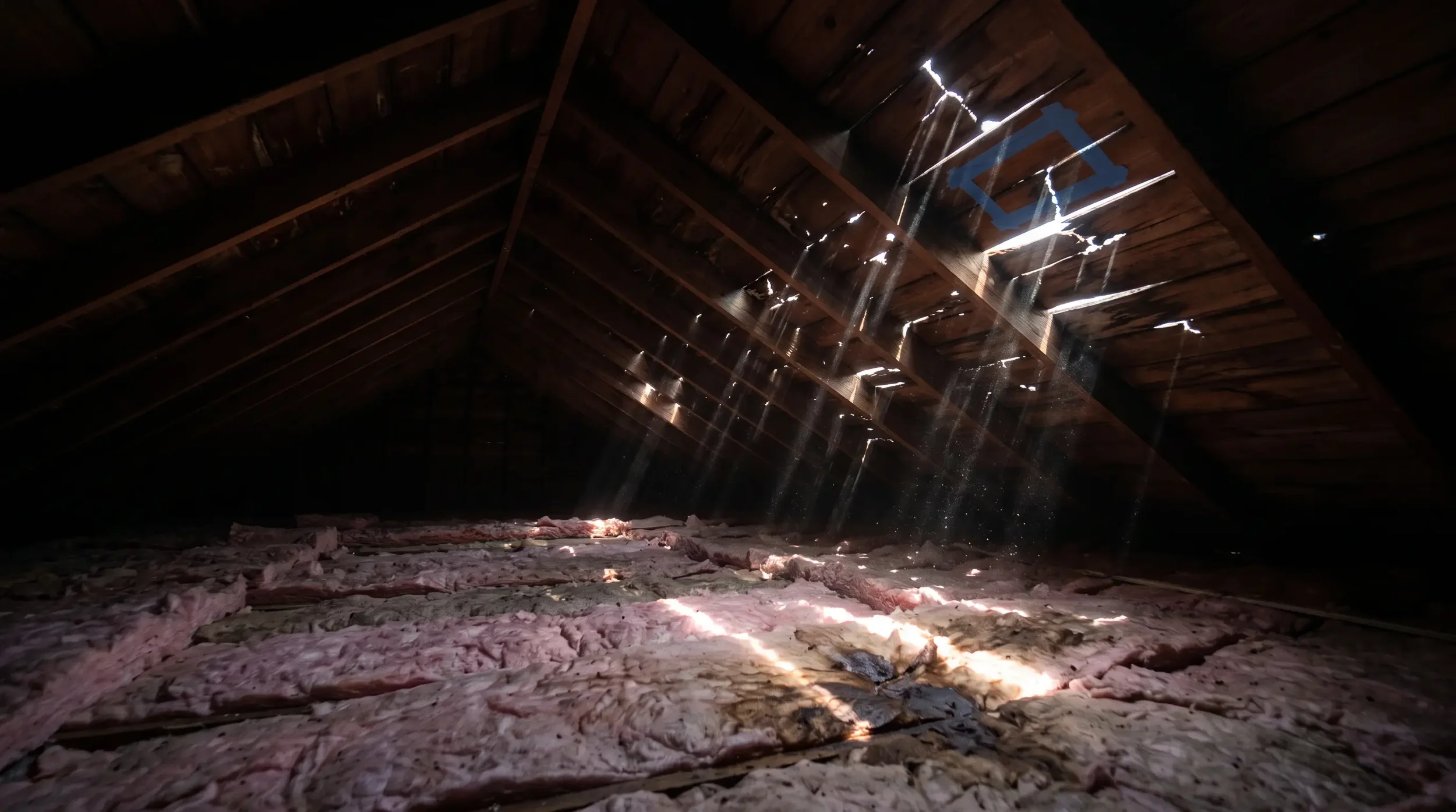
Storm damage with water intrusion. A hurricane tears off shingles, wind-driven rain enters through the compromised roof, and mold grows in the attic or behind interior walls. The storm is the covered peril. The mold is consequential damage.
Appliance failures. A water heater ruptures, a washing machine supply line breaks, a dishwasher overflows. If the failure is sudden and accidental, the resulting water damage — and the mold it causes — falls under your policy.
Firefighting water. Water used to extinguish a fire can saturate walls, floors, and ceilings. Mold that develops from fire suppression water is typically covered because the fire itself is a covered peril.
The key in every scenario is the chain of causation. The mold must trace back to a sudden, accidental event. If you can prove that link, you have a claim.
When Mold Is Not Covered
Gradual leaks. A slow drip under the bathroom sink that goes unnoticed for months. The insurer will classify this as maintenance neglect — not a sudden event. The resulting mold is excluded.
Humidity and condensation. In Florida, humidity-driven mold is common. In Minnesota, poor attic ventilation causes condensation and mold growth during winter. Insurers treat this as a homeowner maintenance issue.
Flooding. Standard homeowners insurance does not cover flood damage. If mold results from external flooding (storm surge, river overflow, surface water), you need a separate flood policy. Even then, flood policies have their own mold limitations.
Deferred maintenance. If the insurer can show that you knew about a leak or moisture problem and didn't address it, they'll deny the mold claim on maintenance grounds.
⚠️ What Insurers Won't Tell You: The line between "sudden pipe burst" and "gradual leak" is not always clear — and insurers exploit that ambiguity. A pipe that fails due to corrosion over time is different from a pipe that bursts without warning. But insurers routinely classify borderline cases as "gradual" to trigger the maintenance exclusion. If you can document that the failure was sudden, you can challenge that classification.
The Mold Sub-Limit Most Policyholders Don't Know About
Even when mold is covered, most homeowners policies cap the payout with a mold sub-limit. This is a separate, lower cap buried in your policy — typically between $1,000 and $10,000 — that applies specifically to mold remediation costs.
Here's the problem: professional mold remediation on a residential property routinely costs $10,000 to $30,000 or more. A $5,000 sub-limit covers a fraction of the work.
The workaround: If the mold resulted from a covered peril — say, a burst pipe — and you can document that the mold remediation is part of the water damage restoration, the costs may be recoverable under the broader water damage claim rather than the mold sub-limit alone. This is where proper claim documentation and a line-by-line Xactimate estimate make the difference.
This is one of the most common areas where a public adjuster adds value on mold claims. We scope the damage as a complete water loss — not an isolated mold event — because that's what it actually is.
How Insurers Deny Mold Claims
After working mold-related claims across three states, we see the same denial patterns:
1. Reclassifying "sudden" as "gradual." The insurer's adjuster finds a failed pipe and calls it "long-term corrosion" rather than a sudden failure. This shifts the cause from covered peril to maintenance exclusion — and eliminates the entire claim.
2. Blaming the homeowner for late reporting. Mold doesn't appear the day after a water event. It can take weeks. By the time you discover mold behind a wall, the insurer argues you should have reported the water damage earlier and that the mold resulted from your failure to mitigate.
3. Applying the mold sub-limit to the entire claim. Even when the underlying water damage is covered, some insurers try to cap the entire remediation cost under the mold sub-limit — including work that should fall under the water damage portion of the claim.
4. Sending a denial letter without an inspection. On smaller mold claims, some insurers deny based on the initial report alone, without ever sending an adjuster to inspect the property. This violates fair claims handling practices in most states.
Dealing with a mold claim that was denied or underpaid? A free consultation with Shoreline takes 15 minutes and costs you nothing. Contact Us
Mold Coverage by State: Florida, Minnesota, and Wisconsin
Mold claims play out differently depending on where you live, because climate, housing stock, and state regulations all affect the claim.
Florida: Mold is a year-round issue due to high humidity. Hurricane and tropical storm damage frequently leads to mold when water intrusion goes undetected behind walls. Florida insurers are aggressive about applying mold sub-limits and maintenance exclusions. Under Florida Statute § 627.70131, your insurer must acknowledge your claim within 14 days and make a determination within 90 days.
Minnesota: Ice dams are a leading cause of mold claims. Water backs up under the roof line, enters the attic and walls, and mold develops over winter — often not discovered until spring. Insurers frequently deny these claims as "maintenance" or "ventilation issues," even though ice dam formation is a weather event. Under Minnesota Statute § 72A.201, your insurer must acknowledge your claim within 10 business days.
Wisconsin: Frozen pipe bursts and spring thaw water intrusion are common mold triggers. Wisconsin's climate creates conditions where water sits behind walls for weeks before mold is visible. Insurers in WI apply the same "gradual vs. sudden" classification games seen nationally.
What to Do If Your Mold Claim Was Denied
1. Read the denial letter. Identify the specific exclusion or policy provision cited. If the letter is vague, request a written explanation with the exact policy language.
2. Challenge the cause classification. If the insurer called it "gradual" and you believe it was sudden, gather evidence: plumber's report on the pipe failure, photos showing the timeline, contractor assessment of the water event.
3. Get an independent mold assessment. A certified mold inspector can document the extent of the problem and — critically — identify the moisture source. This evidence can counter the insurer's claim that the mold was caused by neglect.
4. File a complaint with your state regulator. Contact the Florida DFS, Minnesota DOC, or Wisconsin OCI depending on your state.
5. Hire a public adjuster. We re-inspect the property with thermal imaging and moisture meters, build a complete scope that ties the mold back to the underlying covered peril, and negotiate with the carrier. On mold claims, the documentation strategy is everything.
Common Mistakes on Mold Claims
1. Cleaning up mold before documenting it Your first instinct is to get rid of it. But if you remove mold before photographing it, mapping its extent, and identifying the moisture source, you've destroyed the evidence your claim needs.
2. Filing the claim as "mold damage" instead of "water damage" How you describe the claim matters. Leading with "mold" triggers the sub-limit. Leading with the water event that caused the mold — and including mold remediation as part of the water damage restoration — keeps the full claim under the broader coverage.
3. Not checking your mold sub-limit before filing Read your policy. Know your cap. If your sub-limit is $5,000 and the remediation will cost $20,000, you need a strategy to recover the balance under the underlying water damage claim.
4. Waiting to report Mold spreads fast — it can colonize within 24 to 48 hours of a water event. The longer you wait to report and mitigate, the more the insurer can argue that the damage was preventable.
Frequently Asked Questions About Mold and Homeowners Insurance
Does homeowners insurance cover mold from a burst pipe?
Usually yes. If a pipe bursts suddenly and the resulting water damage leads to mold, both the water damage and mold remediation should be covered. However, many policies impose a mold sub-limit that caps the mold-specific portion of the payout at $1,000 to $10,000.
How much does mold remediation cost?
Professional mold remediation for a residential property typically costs $10,000 to $30,000 depending on the extent of the contamination, the materials affected, and whether structural demolition is required. Severe cases involving multiple rooms or HVAC systems can exceed $30,000.
Can I file a mold claim if I already cleaned up the mold?
You can, but it's much harder without documentation. If you've already removed the mold, you'll need before-photos, the remediation company's report, and evidence connecting the mold to a covered water event. Always document before you clean.
Does homeowners insurance cover mold from an ice dam?
It depends on your policy and your state. Ice dam damage is generally a covered peril because it results from a weather event. Mold caused by ice dam water intrusion should be covered — but Minnesota and Wisconsin insurers frequently deny these claims by classifying the cause as "maintenance" or "poor ventilation."
Should I hire a public adjuster for a mold claim?
If the claim exceeds your mold sub-limit, was denied, or involves hidden damage behind walls, a public adjuster can significantly improve the outcome. We scope mold claims as complete water losses — tying the mold back to the covered peril — which often recovers far more than the sub-limit alone. Learn more about what a public adjuster does.
When to Call Shoreline
Mold claims are some of the most misunderstood — and most underpaid — claims we handle. The insurer's goal is to isolate the mold from the water event that caused it, apply the sub-limit, and close the file. Our job is to reconnect them.
We use thermal imaging and moisture meters to trace the water path, build a complete Xactimate scope that documents the full loss, and present the insurer with evidence that the mold remediation is part of the water damage restoration — not a standalone event.
We serve homeowners across Florida, Minnesota, and Wisconsin. Contingency basis — no upfront fees.
Contact Us for a free claim review.
You may also find these helpful:
- Mold Restoration After Water Damage in Neenah, WI
- When Should You Hire a Public Adjuster?
- When Is It Too Late to Hire a Public Adjuster?
Shoreline Public Adjusters, LLC is licensed in Florida (FL G199012), Minnesota (MN 40962416), and Wisconsin (WI 21156868).
Shoreline Public Adjusters, LLC
780 Fifth Avenue South
Suite #200
Naples, FL 34102
Email: hello@teamshoreline.com
Phone: 954-546-1899
Fax: 239-778-9889