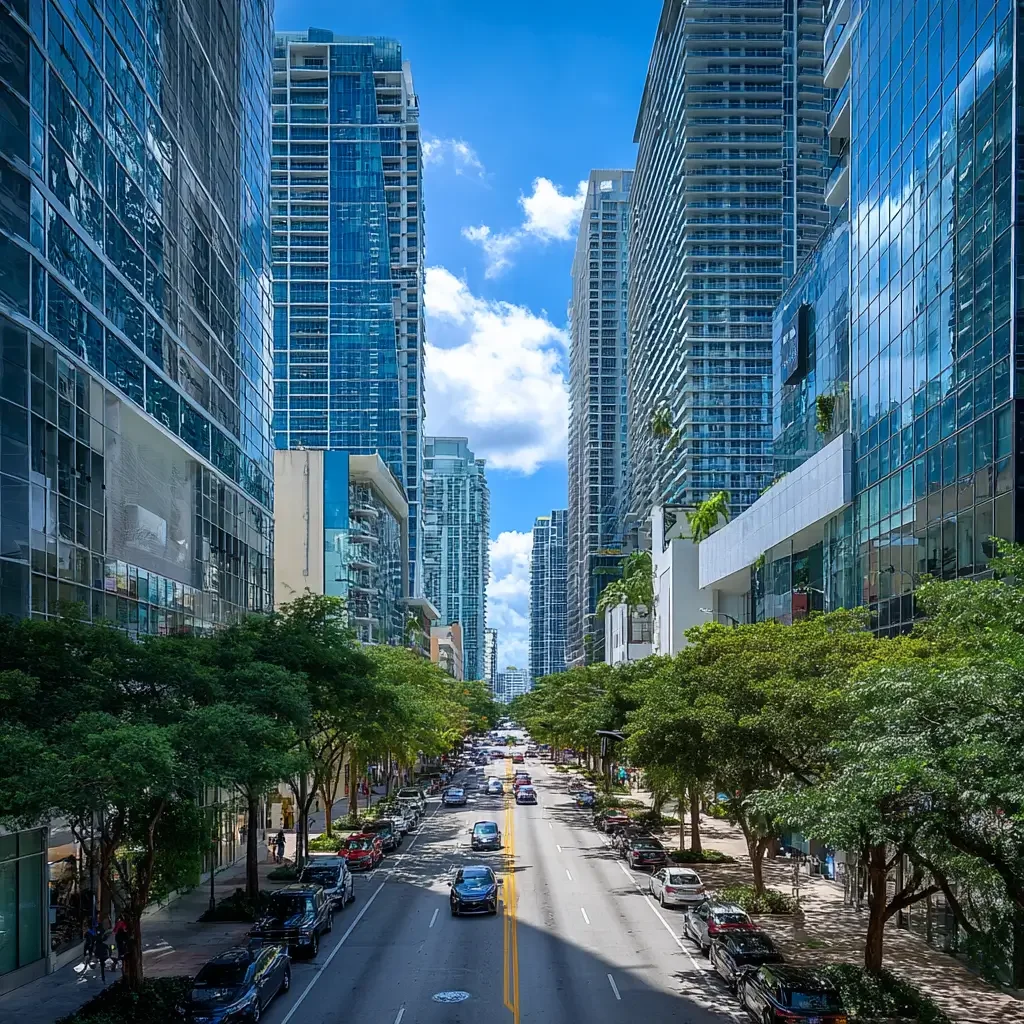
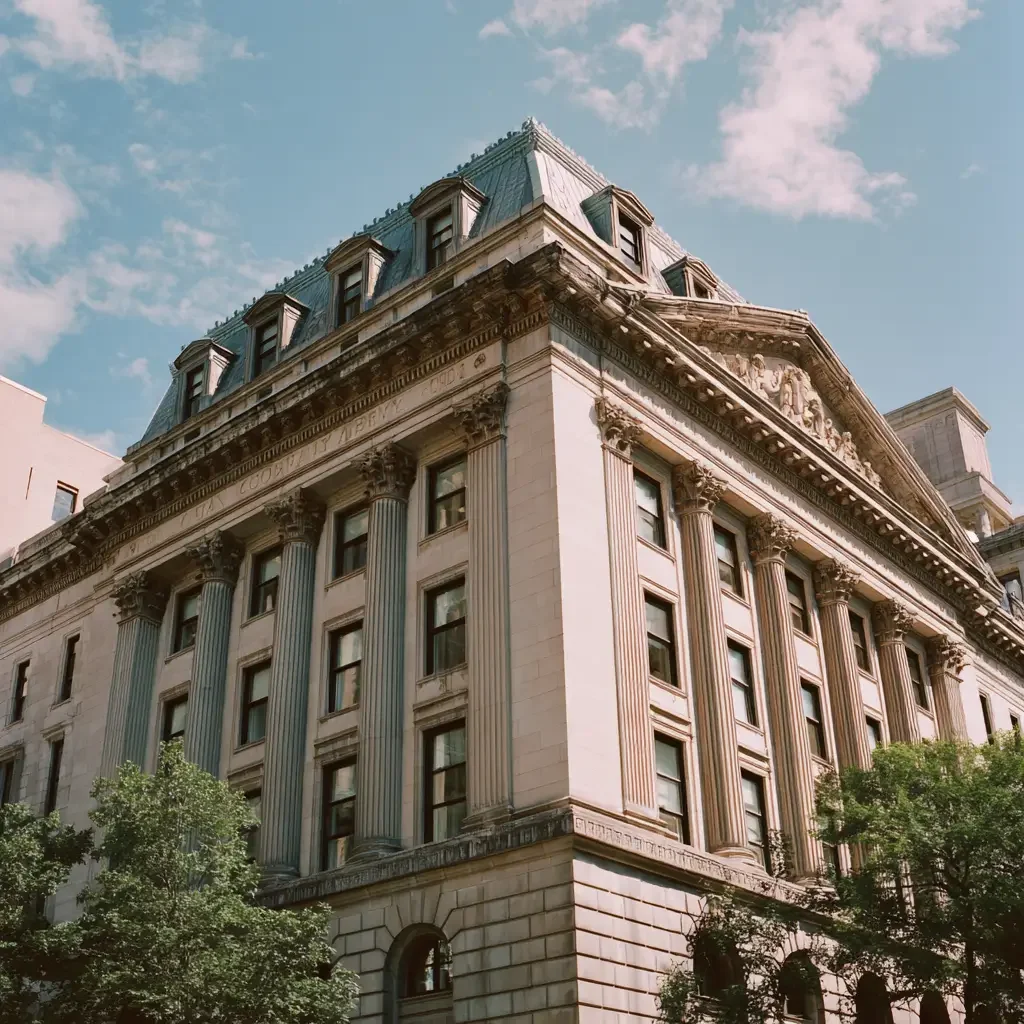
Bloomington Public Adjuster

Licensed Public Adjusters Fighting for Maximum Settlements on Bloomington Property Damage Claims

✓ No Fee Unless We Recover

✓ Featured on Forbes, Realtor.com & Insurance.com

✓ 5 Stars on Google

Fill Out the Form Below to Get Started With your Free Claim Review:
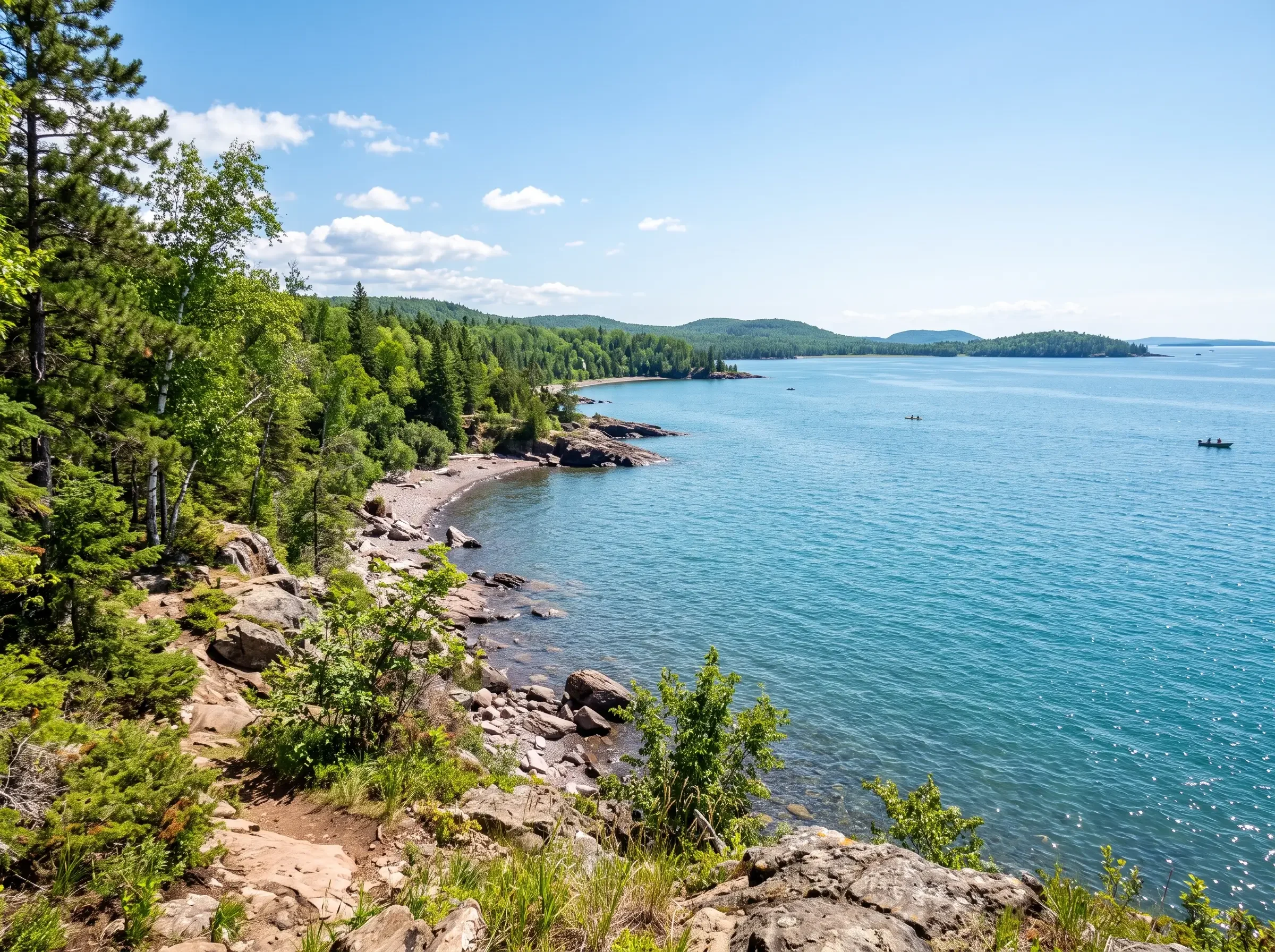
Bloomington Minnesota Public Adjuster - Shoreline Public Adjusters

Bloomington homeowners are facing two massive headwinds: aging roofs built in the 1960s and 1970s, and carriers switching to percentage-based hail deductibles that are leaving tens of thousands of dollars on the table. When State Farm and other insurers deny your claim or lowball your settlement, a Bloomington Public Adjuster levels the playing field. After the April and June 2025 hail events that flooded the market with underpaid claims, having an advocate who understands your home's vulnerability is critical. We work exclusively for you — not the insurance company — to ensure your Xactimate-based scope of loss captures every dollar you're entitled to under Minnesota law. 

Shoreline works exclusively for policyholders — never insurers. Our team understands how carriers like State Farm deploy age-based denial tactics on 1960s housing stock and how to challenge them with documented proof of loss and appraisal-clause enforcement. We've recovered substantial settlement increases on hail and storm claims across Minnesota by exposing the gap between initial offers and actual RCV (replacement cost value) after depreciation is properly applied.

After the 2025 hail events that hammered Hennepin County, we saw carriers in Bloomington routinely classify legitimate damage as "cosmetic" — a practice that runs counter to Minnesota's fair-handling requirements under §72A.201 and the Cedar Bluff matching doctrine. We are licensed (License #40962416), bonded, and on your side — never the insurance company's.

Barracuda Networks Logo
New American Funding Logo
Clever Logo
Shoreline Public Adjusters - As Seen On Medium
SWFL Inc Logo
5th Avenue South Logo
Shoreline Public Adjusters - As Seen On WordAgents
Blogger Logo

As Seen On:

Forbes Logo
Realtor.com Logo
Market Scale Logo
Insurance.com Logo
insure logo
carinsurance.com logo
Investopedia Logo

What Our Clients Say

★★★★★ 5.0 Google Reviews
Leave Us a Review ★

Get Your Free Bloomington Claim Review

Bloomington and Southern Hennepin County: Communities We Protect

Shoreline Public Adjusters serves Bloomington and the surrounding metro area. Our team of licensed Minnesota public adjusters focuses on Hennepin, Dakota, Scott, and Carver counties, with deep expertise in 1960s–1970s Bloomington housing stock, hail damage patterns, and local insurer tactics. Whether you're in Bloomington proper or nearby suburbs, we're ready to inspect your claim and fight for fair recovery. Our specialists understand the unique vulnerability of Bloomington's aging neighborhoods along the Minnesota River valley corridor.

Hennepin County

Bloomington neighborhoods like Old Shakopee, Normandale, and Edinborough are our core service area, alongside Eden Prairie, Minnetonka, Edina, Wayzata, Plymouth, St. Louis Park, Golden Valley, Crystal, New Hope, Minneapolis, Richfield, and Brooklyn Park.

Dakota County

Eagan, Apple Valley, Burnsville, Savage, Inver Grove Heights, South St. Paul, West St. Paul, Mendota Heights, and southern Bloomington neighborhoods bordering Dakota County.

Scott & Carver Counties

Carver, Chanhassen, Victoria, Chaska, Jordan, Excelsior, Tonka Bay, Shorewood, Prior Lake, Shakopee, and New Prague.

If your city isn't listed, call or email us — we may still serve your area in the Minneapolis metro region. Request your free claim review today and let our team show you how much more you can recover.


Bloomington Storm, Hail & Winter Damage: The Insurance Claims We Fight

Bloomington's aging 1960s and 1970s housing stock faces unique vulnerabilities to Minnesota weather. Major hail events — including a 2.75-inch hail storm in April 2025 and a 3.25-inch event in June 2025 — have exposed how insurers like State Farm systematically undervalue or deny legitimate damage claims. We inspect and document every damage type to ensure carriers honor their obligations.

Hail Damage

Hail stones puncture roofs, dent siding, and crack gutters. State Farm routinely classifies impact damage as "cosmetic" to avoid payment.

The 2025 hail events in Bloomington produced widespread damage claims, with insurers exploiting subjective terminology to deny compensable damage. We re-inspect with photogrammetry and aerial imagery to identify hidden roof and siding damage, and enforce proof of loss deadlines. Initial insurer offers routinely miss substantial portions of compensable damage, which we recover through supplemental claims as damage emerges post-inspection.

Ice Dam & Water Damage

Bloomington's Minnesota winters create ice dams that back water into walls, ceilings, and insulation. Carriers dispute whether damage is "sudden" or gradual.

Ice dams are endemic in Bloomington's 1960s and 1970s homes, which often lack adequate attic ventilation and insulation, with insurers frequently denying claims by arguing the damage occurred over time rather than suddenly. We document the ice dam formation, roof conditions, and internal water intrusion with thermal imaging and moisture readings. We challenge depreciation calculations and demand proper ACV or RCV treatment based on your policy language.

Frozen Pipe & Burst Water

In Bloomington, burst pipes flood basements and crawl spaces during extreme cold snaps. Carriers contest coverage by claiming poor maintenance.

Bloomington's subzero winters frequently cause pipes to freeze in older homes, with insurers denying coverage under "failure to maintain" language despite freezing being beyond reasonable homeowner control. We compile scope of loss for water removal, drying, drywall replacement, and flooring restoration, challenging steep depreciation. We fight for replacement cost values, particularly on hardwoods and finished surfaces.

Wind & Tornado Damage

Spring storms and occasional tornadoes tear Bloomington roofs, snap trees, and deform metal siding in Hennepin County.

Bloomington's exposure to wind events — from downbursts to isolated tornadoes — generates extensive claims, with insurers frequently understating wind damage or blaming pre-existing conditions. We conduct independent wind speed analysis and use Xactimate to create detailed scope of loss, challenging ACV depreciation schedules on older homes. We ensure all damage is reported within the statutory deadline to prevent claim denial.

Storm Damage (General)

Heavy rains, lightning, and severe weather can damage roofs, siding, windows, and landscaping in unpredictable ways.

Storm damage encompasses lightning strikes, rain infiltration, branch breakage, and foundation cracks — multiple perils that carriers often process as separate line items with conflicting causation. We document all storm-related impacts in a single coherent scope of loss, negotiating ACV vs. RCV treatment. We ensure every compensable element is included and challenge depreciation assumptions specific to your policy.

Roof Damage & Replacement

Roofs on Bloomington's older homes wear faster due to hail, ice dams, and Minnesota weather cycling. Carriers apply steep depreciation.

Most Bloomington homes are over 45 years old, with insurers exploiting age-based depreciation schedules to reduce roof replacement payments in violation of Minnesota Statutes §65A.10 and §72A.201. We challenge arbitrary depreciation percentages and demand that roofs be restored to pre-loss condition with proper materials, including code-required upgrades reaffirmed by the Minnesota Supreme Court in Great Northwest Insurance Co. v. Campbell (Minn. 2025). Supplemental claims are standard when hidden roof deck damage is discovered during replacement.

Mold & Microbial Growth

Water damage from any source — hail, ice dams, leaks — triggers mold growth in Bloomington's humid summers.

Minnesota's high summer humidity accelerates mold after water intrusion, with many carriers excluding mold coverage or citing "failure to mitigate" to deny claims. We document the causal link between covered losses and mold development, engaging certified experts to establish proper scope of loss. Supplemental claims often emerge as additional affected areas are identified post-inspection.

Fire & Smoke Damage

Fire and smoke damage in Bloomington homes is typically the largest single claim. Carriers apply depreciation to contents and structure despite total loss doctrine.

Fire losses in older Bloomington homes often involve structural restoration, contents inventory, and additional living expenses, with insurers undervaluing personal property and applying aggressive depreciation. We conduct full home inventories and engage forensic accountants, challenging salvage deductions and demanding proper ACV/RCV treatment. For total losses, Minnesota's Valued Policy Statute (§65A.08) locks the carrier into the full policy declaration limit. Hidden damage from smoke and water often emerges post-inspection, requiring supplemental claims.

Commercial Property Claims

Bloomington small businesses, multi-family properties, and commercial real estate face unique claim challenges and higher loss thresholds.

Commercial claims require detailed business interruption analysis, equipment valuation, and complex depreciation treatment, with carriers applying stricter standards and more aggressive scope reduction. We coordinate with commercial engineers and forensic accountants to establish business loss and replacement costs, navigating policy exclusions. We fight for proper restoration cost accountability, particularly for older buildings where carriers exploit age to deny full replacement.

Why Bloomington Property Owners Hire a Public Adjuster After Storm Damage

Percentage-based hail deductibles and age-based claim denials are costing Bloomington homeowners 30–50% of what they should recover. Carriers are exploiting the age of the local housing stock to minimize payouts. A public adjuster ensures insurers honor their obligations under Minnesota's fair claims statutes and maximizes your Xactimate scope of loss.

Percentage Deductibles Trap Homeowners on 1960s Roofs

Carriers switched from flat $1,000 deductibles to percentage-based models (typically 2–5% of your home's replacement value) specifically to reduce hail claims after the April and June 2025 storm events. On a Bloomington home with a $400,000 replacement value, that's $8,000–$20,000 out of your pocket before you see a dollar.

We calculate your actual scope of loss against this deductible to show what you truly owe versus what the initial estimate claims.

Your Bloomington 1960s roof has depreciation baked into the carrier's formula. We fight for RCV (replacement cost value) by documenting the original construction standards, current market conditions, and any prior repairs that reset the depreciation clock. Most homeowners accept the ACV (actual cash value) number without challenging it — that's leaving tens of thousands on the table.

State Farm's "Cosmetic Damage" Denial Strategy in Bloomington

Working with State Farm policyholders in Bloomington, we've documented a pattern where adjusters classify legitimate hail impacts as "cosmetic" rather than functional damage. This tactic accelerated after the 2025 federal district court ruling in Cannon Falls Area Schools v. Hanover American Insurance (D. Minn. Oct. 21, 2025), which upheld a cosmetic exclusion on hail dents to non-leaking metal roofs. Carriers now lean harder on that ruling to deny claims they previously paid — but the decision specifically turned on whether the roof continued to function as a barrier to the elements. It does not give carriers a blanket pass when actual functional impairment is documented.

What Insurers Won't Tell You: Carriers use "cosmetic" language to deny legitimate damage that fails to meet a visual standard they don't define. You can challenge these denials under the Cedar Bluff matching doctrine (which requires reasonable color matching even when partial replacement won't match) and §72A.201's fair-handling requirements. The Cannon Falls ruling does not protect carriers when granule loss, punctures, or water intrusion show actual functional damage.

We prove materiality by measuring the scope with Xactimate, obtaining independent inspections, and invoking the appraisal clause if the insurer refuses to accept our findings. This forces the carrier to either pay or trigger formal appraisal, shifting your negotiating position in your favor.

Initial Offers Miss Holdback and Secondary Damage

Most Bloomington homeowners never see the full scope of loss because insurers structure initial estimates to hold back 10–25% of the cost as "holdback" (reserved funds released only after all work completes). They also routinely omit secondary damage — ice dam intrusions, water damage from compromised sealing, electrical hazards from roof penetrations. A public adjuster performs a ground-to-roof walk-through with Xactimate to capture water intrusion paths, structural compromise, and code-upgrade requirements that the insurer's one-visit estimate missed. In Bloomington's climate, secondary damage from ice dams is nearly inevitable after major hail events.

After major hail events, our supplement process routinely recovers substantial additional amounts by documenting secondary damage the initial estimate didn't capture. See our detailed guide on hail damage claims in Bloomington to understand how holdback and secondary damage work against you.

From First Inspection to Final Settlement: How Shoreline Fights for Bloomington Homeowners

Navigating an insurance claim after storm, hail, or fire damage can feel overwhelming. We break the process into four clear phases, each designed to document your loss accurately, challenge carrier denials, and maximize your recovery. Our experience with Bloomington's 1960s-1970s housing stock and State Farm's aggressive claim reduction tactics ensures we spot damage and policyholder rights that adjusters miss.

1

Inspect & Document Damage

We conduct a thorough physical inspection of all damage using photography, thermal imaging, drone footage, and Xactimate documentation.

Our inspectors examine roofs, siding, gutters, interiors, and crawl spaces to identify all damage — visible and hidden — using high-resolution photography, aerial drone surveys, and thermal imaging. We compile detailed notes and measurements that establish the full scope of loss before the carrier's adjuster arrives. This foundation is critical because Bloomington's older homes often conceal damage beneath siding, in attics, and behind walls. We've completed thorough inspections across Hennepin County throughout 2025.

2

Review Policy & File Claim

We analyze your specific policy language, identify covered perils, and file a formal proof of loss that accurately describes all damage and applicable coverages.

We review your entire policy — coverage limits, deductibles, exclusions, and endorsements — to understand your entitlements. We prepare a detailed proof of loss that lists every covered damage item, cross-referenced to policy sections and Minnesota Statutes §72A.201 (fair claims requirements). We ensure the proof is filed within statutory deadlines and identify any potential coverage gaps or opportunities (e.g., additional living expenses, debris removal, code upgrades under §65A.10) that maximize your claim value. Many policyholders overlook endorsement coverage that significantly increases recovery potential.

3

Negotiate & Enforce Deadlines

We challenge low carrier estimates, demand re-inspection, and enforce Minnesota's strict claim response deadlines under §72A.201.

Carriers routinely submit initial estimates that undervalue damage — particularly on hail claims where insurers misclassify impact as "cosmetic." We submit our own detailed scope of loss using Xactimate, challenge depreciation calculations, and enforce the statutory timeline for response. Under Minnesota Statute §72A.201, carriers must acknowledge claims within 10 business days, complete their investigation within 30 business days, and accept or deny within 60 days of proof of loss. When carriers miss those deadlines or deny without reasonable basis, we document violations to support a §604.18 bad faith claim — which can recover up to $250,000 in additional damages plus reasonable attorney fees on top of the policy limit.

4

Collect Settlement & File Supplements

We negotiate the final settlement, ensure you receive full payment, and file supplemental claims as hidden damage emerges during repairs.

Once we reach an agreement with the carrier, we ensure payment is issued properly. During repairs, contractors often discover additional damage (hidden water intrusion, structural rot, mold) that was not visible initially, and we file supplemental claims documenting this new damage. A substantial share of claims generate valid supplements — often adding meaningfully to the final payout. In Bloomington, water intrusion is the most common hidden damage we uncover during the repair phase.

Minnesota Insurance Laws That Protect Bloomington Homeowners from Underpaid Claims

Minnesota gives Bloomington homeowners powerful statutory tools to fight underpayment. The most critical: §72A.201 sets carrier response deadlines, §65A.10 mandates code-upgrade coverage on partial losses, §65A.08 protects total-loss policy values, §604.18 imposes bad faith liability for unreasonable denials, and §65A.01 gives you exactly 2 years from the loss date to file suit. Understanding these statutes is essential to protecting your claim rights.

§72A.201: Fair Claims Settlement Practices and Carrier Deadlines

Minnesota's Unfair Claim Settlement Practices Act (§72A.201) requires insurers to acknowledge receipt of a claim within 10 business days, complete their investigation within 30 business days, and accept or deny within 60 days of receiving proof of loss. The law explicitly prohibits delays designed to coerce settlement, refusing to pay any portion of a claim without justification, and misrepresenting policy language or coverage limits.

State Farm and other carriers routinely violate this by withholding estimates beyond statutory deadlines, requesting unnecessary proof multiple times, or issuing denials without written explanation tied to specific policy language.

Minnesota Law — §72A.201: Insurers must acknowledge claims within 10 business days, investigate within 30 business days, and accept or deny within 60 days of proof of loss. Open claims past 60 days require written updates every 30 days. Missing any of these windows violates Minnesota's unfair claim settlement practices.

We document every violation: dates when proof of loss was sent, dates when estimates arrived (or didn't), written denials without specific policy citations. This creates a strong factual record for appraisal or litigation if the insurer refuses fair settlement.

§65A.08: Valued Policy Statute Protects Total-Loss Bloomington Claims

Minnesota's Valued Policy Statute (§65A.08) applies when a Bloomington home is a total loss from a covered peril — fire, storm, or other catastrophic event that "wholly destroys" the structure. In that scenario, the carrier must pay the full amount stated on the policy declarations page, with no actual cash value reduction or depreciation negotiations.

Minnesota courts apply three tests to determine if a loss qualifies as "total" under §65A.08: the prudent person test, the identity test, and the constructive total loss test. If any one applies, the carrier is locked into the policy's stated dwelling limit. For severely damaged Bloomington homes that cannot reasonably be repaired, this statute is one of the strongest recovery levers available.

For partial losses (most claims), §65A.10 governs replacement cost coverage instead — and we use both statutes strategically depending on the scope of damage.

§65A.10 and Great Northwest v. Campbell (Minn. 2025): Code Upgrade Coverage

Under Minnesota Statute §65A.10, replacement cost insurance "must cover the cost of replacing, rebuilding, or repairing any loss or damaged property in accordance with the minimum code as required by state or local authorities." This is the statutory backbone for code-upgrade coverage in Minnesota — and it matters enormously for Bloomington's 1960s and 1970s housing stock where storm-damaged repairs almost always trigger code compliance work.

The Minnesota Supreme Court reaffirmed and clarified this rule in Great Northwest Insurance Co. v. Campbell, A23-0519, 24 N.W.3d 256 (Minn. July 30, 2025). Hail damaged a homeowner's roof shingles, and Minnesota's building code required new sheathing before the new shingles could be installed (the existing decking had gaps too wide to meet code). The carrier denied coverage for the sheathing as "undamaged." The court held that §65A.10 requires the insurer to cover all repairs necessary to ensure that the damaged portion of the property can be repaired in compliance with code — even when those repairs include work on undamaged components.

Minnesota Law — §65A.10 (as construed in Great Northwest v. Campbell, Minn. 2025): Replacement cost insurance must cover all repairs necessary to bring the damaged portion of property into code compliance, even when those repairs include work on undamaged components.

For Bloomington's 1960s–1970s homes, this means upgraded fasteners, flashing, ice barriers, and code-compliant decking required before new roofing can be installed — all covered. Carriers routinely try to exclude these as "improvements." Minnesota law forbids it.

Cedar Bluff v. American Family (Minn. 2014): The Matching Rule

In Cedar Bluff Townhomes Condominium Ass'n v. American Family Mutual Insurance Company (Minn. 2014), the Minnesota Supreme Court ruled that when you repair part of a structure (like replacing hail-damaged shingles), the insurer must pay to match the existing undamaged portion, even if this costs more than simple repair. Your 1960s-era roof might require full replacement to match — the insurer cannot install new shingles on the damaged side while leaving aging originals on the rest.

This precedent demolishes "partial replacement" arguments and forces full-roof or full-section payouts. We cite Cedar Bluff in every estimate dispute for Bloomington homes to demand matching costs.

Cannon Falls (D. Minn. 2025): The New Front in Cosmetic Damage Disputes

Minnesota's most recent cosmetic-damage decision is Cannon Falls Area Schools, ISD 252 v. Hanover American Insurance Co., No. 24-cv-3383 (D. Minn. Oct. 21, 2025). The federal district court upheld a cosmetic damage exclusion on hail dents to metal roofs that did not leak or otherwise compromise the roofs' ability to function as barriers to the elements. The ruling specifically turned on whether the roof continued to perform that barrier function — not on whether the dents existed.

The takeaway for Bloomington homeowners: carriers will lean harder on cosmetic exclusions after Cannon Falls, but the decision does not give them a blanket pass. If hail damage on your roof affects your home's ability to protect against weather — granule loss exposing asphalt to UV, punctures, water intrusion, structural compromise — that's functional damage, not cosmetic. We document those impairments through engineering inspections that go far beyond the carrier's quick walkthrough.

§604.18: Bad Faith Liability When Carriers Deny Legitimate Claims

Minnesota Statute §604.18 imposes bad faith liability when carriers knowingly mishandle claims, use unreasonable delay tactics, or make lowball offers without proper investigation. Bad faith isn't just wrong denials — it's denials the carrier knows lack support, or where the carrier recklessly ignores the lack of support.

Bad-Faith Note — §604.18: If a carrier denies your Bloomington claim without a reasonable basis, you may have a bad-faith claim worth additional damages of up to $250,000 (calculated as one-half of any proceeds awarded above the carrier's pre-trial offer) plus up to $100,000 in reasonable attorney fees on top of the policy limit.

We document every carrier delay, every unreasonable request, every denial without cause. Carriers settle faster when bad faith exposure is real and the paper trail is strong.

§65A.01: 2-Year Statute of Limitations for Filing Suit

Under Minnesota Statute §65A.01 (the Minnesota Standard Fire Insurance Policy), homeowners have only 2 years from the date of loss to file suit against their insurance carrier. This is a strict statutory deadline — Minnesota courts have barred claims filed just days late. The 2-year clock runs from the date of damage, not the date of denial.

Many Bloomington homeowners wait months or years before hiring a public adjuster, unaware they're burning calendar time. We file all appeals and supplements within the first year to preserve your litigation option if settlement fails.

Bloomington Claim Deadline: Under Minn. Stat. §65A.01, Bloomington homeowners have only 2 years from your loss date to file suit. Missing this deadline permanently bars recovery.

§72B.135: Public Adjuster Licensing and Fee Disclosure

Minnesota Statutes §72B.135 requires all public adjusters to be licensed, disclose fees in writing before engagement, and provides a 72-hour cancellation period for any signed contract. Our License #40962416 is current and in good standing. We disclose our fee structure in writing before engagement: a percentage of recovery beyond the carrier's initial offer, never on denial outcomes.

Read our guide on challenging State Farm denials in Minnesota to see how these statutes are weaponized by insurers and how we deploy them to force fair settlement.

Why Bloomington Homeowners Choose Shoreline Over Other Bloomington Public Adjusters

Shoreline brings credentials no other Bloomington Public Adjuster can match: our team includes both CISSP and CISA-certified principals — enterprise security and risk-audit credentials usually found in Fortune 500 risk teams, not adjusting firms. We don't hire local agents. We deploy forensic engineers, Xactimate specialists, and licensed Minnesota public adjusters who understand state hail patterns, percentage deductible mechanics, and State Farm's Bloomington denial playbook.

Licensed, Bonded, and Zero Conflict of Interest

Our Minnesota Public Adjuster License #40962416 is current with the Minnesota Department of Commerce. We are bonded and carry errors and omissions insurance — we have real liability if we underprepare your Bloomington claim. Unlike Bloomington adjusting firms that work for insurers then moonlight as "independent" adjusters, Shoreline has never represented an insurance company and never will. Your Bloomington claim is never at risk of being undervalued because we receive no bonus from insurer referrals.

We disclose our fee structure in writing before engagement: a percentage of recovery beyond the carrier's initial offer, capped and disclosed upfront. You never pay unless we win. No upfront costs, no hidden fees, no contingency on denials. Minnesota law (§72B.135) gives you a 72-hour cancellation window after signing.

Minnesota Weather and Bloomington Housing Stock Expertise

Our Bloomington team understands 1960s and 1970s construction standards, the roof materials common to those eras, and how Minnesota's freeze-thaw cycles degrade older homes. We've handled hail, ice dam, wind, and frozen pipe claims across Hennepin County throughout 2025.

Most competing Bloomington adjusters (Noble Public Adjusting, Capital Adjusting Services, United Claim Service) rotate in from other states — they don't know that Bloomington's housing stock is uniquely vulnerable to hail damage because of low-slope roofing, original shingle thickness, and exposure to wind patterns off the Minnesota River valley. Our Bloomington team lives in the communities we serve and knows every neighborhood's vulnerabilities.

We've documented how State Farm applies age-based denials specifically to homes built before 1980, citing "pre-loss condition" to reduce payouts on Bloomington homes that were perfectly serviceable before the storm. Our team fights this tactic with comparative market analysis, historical construction data, Cedar Bluff matching enforcement, and §65A.10 code-upgrade demands as reaffirmed by Great Northwest v. Campbell (Minn. 2025).

Xactimate Mastery and Scope Rebuilding

Xactimate is the gold standard for insurance claims, and most homeowners' initial estimates are low because adjusters operate under time pressure and insurer guidelines that cap what can be claimed per square foot. We rebuild your Bloomington scope from first principles: ground-to-roof inspection, measurement of every damaged section, line-item cost research for current materials, and secondary damage documentation (water intrusion, flashing failures, code upgrades).

Our Xactimate estimates routinely exceed initial carrier estimates by substantial amounts — frequently in the five-figure range for mid-sized Bloomington claims, and well into six figures on commercial and multi-unit losses.

What we see in Bloomington: After major hail events, carriers routinely undervalue legitimate damage by misclassifying impact marks as "cosmetic," applying excessive depreciation, or omitting secondary damage like ice dam intrusions and code-required upgrades. Our supplement process — re-inspections, engineering analysis, statutory complaints — recovers substantial additional amounts on claims that were initially closed at far less than fair value.

Appraisal Clause Expertise and Dispute Resolution

When Bloomington insurers deny or underpay, the appraisal clause in your policy allows you to hire an independent appraiser, the insurer hires an appraiser, and if they disagree, an umpire decides. Most homeowners never use this tool because they don't know about it or fear the cost.

We manage the entire appraisal process: we select and coordinate your appraiser, prepare evidence packages, attend depositions, and present findings. We have a strong track record on hail claim appraisals in Hennepin County, and we routinely recover thousands above the carrier's pre-appraisal position.

Competing Bloomington adjusters often lack appraisal experience because they don't take enough difficult claims to need it. Shoreline has a formal process for every appraisal we file, including forensic engineering support and expert witness coordination if litigation becomes necessary.

Track Record in Bloomington and Hennepin County

Since 2025, Shoreline has closed claims for Bloomington homeowners across the full damage spectrum — hail, ice dam, frozen pipe, wind, and fire. Our supplement process has recovered substantial additional amounts beyond initial carrier offers, particularly on the less-obvious ice dam and water-intrusion claims that follow major hail events. See how we handle Bloomington winter damage claims across Minnesota.

This isn't a national network of franchise adjusters — it's a local Minnesota team that knows your Bloomington neighborhood, your roof age, your insurer's denial patterns, and how Minnesota courts have ruled on disputes like yours. We stand behind every Bloomington claim we file.

Frequently Asked Questions

Bloomington homeowners' guide to hail claims, insurance disputes, and your rights in Minnesota.

Document all damage with photos and videos before the weather worsens or cleanup begins. Report the claim to your insurer promptly — most policies require notice "as soon as practicable." Do not authorize major repairs until your carrier has inspected or approved the scope. Call our team for a free inspection — we'll photograph everything and prepare a complete proof of loss that protects your claim rights.

Insurers are trained to minimize payouts, and carriers deny valid claims based on subjective language like "cosmetic damage." A public adjuster levels the playing field by preparing professional scope of loss documentation, challenging low estimates, and enforcing Minnesota's claim deadlines. Industry research consistently shows that policyholders who hire a public adjuster recover substantially more than those who settle without representation — by some studies, 30 to 50 percent more on average.

Public adjusters are paid a percentage of the recovery beyond the carrier's initial offer. You pay only if we recover additional funds. This aligns our interests with yours — we succeed when you recover more. There are no upfront fees, hourly charges, or costs if we don't increase your settlement. Our fee is disclosed in writing before any contract is signed, and Minnesota law (§72B.135) gives you a 72-hour cancellation window with no penalty.

State Farm classifies small dents and impact marks as "cosmetic" rather than compensable hail damage. They also argue that minor impacts don't trigger replacement — only repair — and apply steep depreciation to aging roofs and siding in Bloomington's 1960s-1970s housing stock. We challenge these denials with re-inspections, engineering analysis documenting actual functional impairment, and demands for full replacement cost under the carrier's obligations in §72A.201.

ACV (Actual Cash Value) pays the cost to replace damaged items minus depreciation — often much less than replacement. RCV (Replacement Cost Value) pays to restore damage to pre-loss condition without depreciation deduction. Most homeowners should have RCV for structure and contents. Check your policy declarations page. If unsure, we'll review it for you during a free consultation.

We work on your behalf from start to finish — inspecting damage, filing the proof of loss, challenging the carrier's estimate, negotiating settlement, and filing supplements as hidden damage emerges. We communicate directly with the insurer, enforce statutory deadlines, and ensure you understand every step. Most claimants find the process overwhelming; we make it transparent and manageable.

Yes, if your policy includes RCV and the claim hasn't been closed, we can file an amendment or supplement demanding RCV payment instead of ACV. We also challenge depreciation schedules that carriers apply incorrectly. Older Bloomington homes often trigger unfair age-based depreciation; Minnesota law requires restoration to pre-loss condition, not budget replacement.

Carriers use "pre-existing condition" to deny claims, especially on aging roofs. We challenge this by documenting that the loss (hail, ice dam, wind) caused the damage, not age alone. Pre-loss inspection reports, maintenance history, and expert testimony establish causation. Minnesota courts have rejected blanket "age denial" tactics; we fight back with documented evidence tied to the storm event.

Under Minnesota Statute §65A.01, you have only 2 years from the date of loss to file suit against your carrier. This is a strict deadline — Minnesota courts have barred claims filed just days late. If your claim has been denied, contact us immediately. If the carrier denied without a reasonable basis, you may also have a bad faith claim under §604.18, which allows additional damages of up to $250,000 (one-half of any proceeds awarded above the carrier's pre-trial offer) plus up to $100,000 in reasonable attorney fees. We preserve all legal remedies and often recover denied claims through appeals or settlement negotiation before litigation is needed.

Yes. Commercial claims are more complex than residential — they involve business interruption, equipment valuation, and stricter causation standards. We partner with forensic accountants and engineers to document losses and challenge carrier denials. Commercial carriers often apply aggressive scope reduction; we demand transparency and full restoration cost accounting.

Get Your Free Bloomington Claim Review

Hail events in April and June 2025 left Bloomington with underpaid claims — from percentage deductible traps to age-based denial tactics on 1960s–70s Bloomington housing stock. Our Bloomington Public Adjuster will audit your Bloomington settlement against Xactimate standards and Minnesota law at no cost. Let Shoreline's Bloomington team fight for your full recovery in one of Minnesota's most challenging claim environments.

Start Your Free Claim Review

Licensed Minnesota Public Adjuster #40962416 — Bonded and insured under state law.

Insurance Claim Denied?

Learn more about how Shoreline Public Adjusters can help dispute home insurance claims and business insurance claims.