
Tampa Public Adjuser
Licensed Public Adjusters Fighting for Tampa Bay Homeowners on Storm Surge, Sinkhole, and Hurricane Claims
✓ No Fee Unless We Recover
✓ Featured on Forbes, Realtor.com & Insurance.com
✓ 5 Stars on Google
Fill Out the Form Below to Get Started With your Free Claim Review:
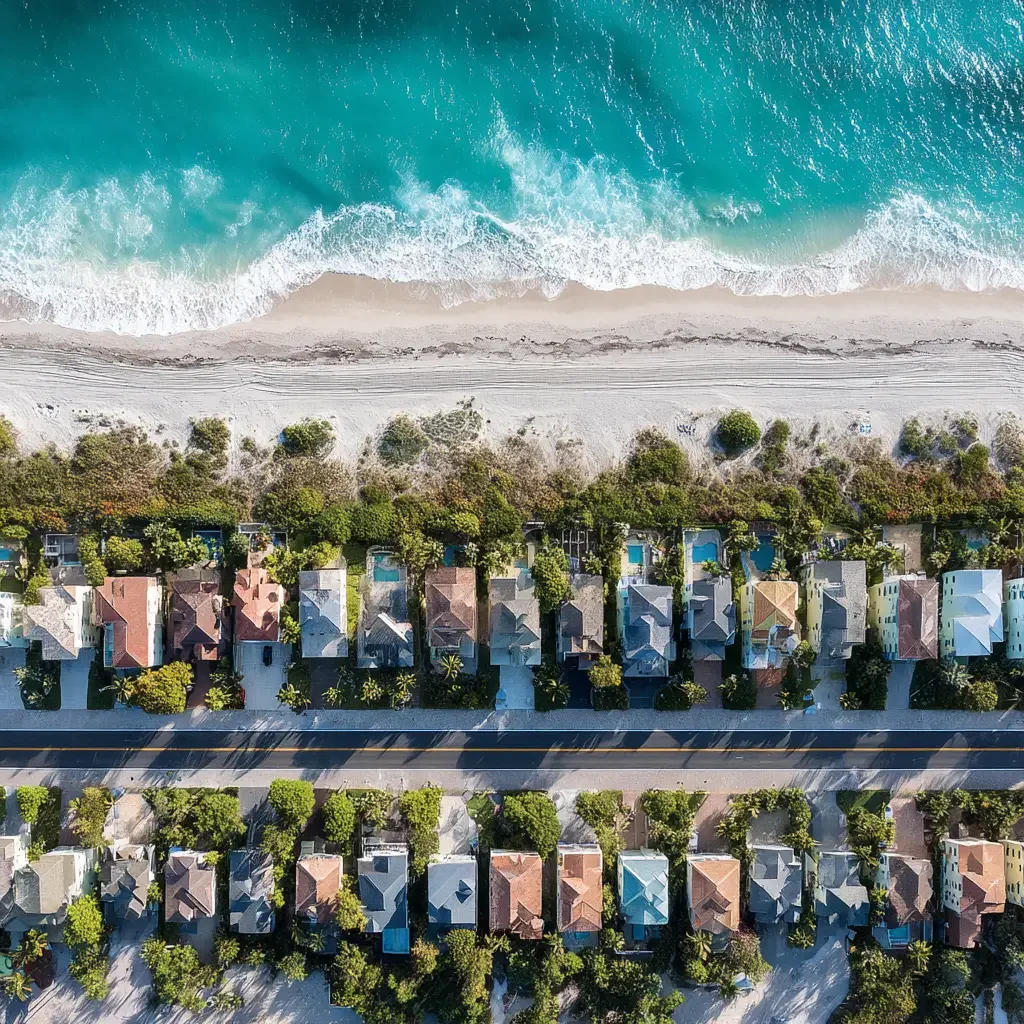
Your insurance company works for its shareholders. We work for you. Tampa Bay faces a unique set of threats. Back-to-back hurricanes — Helene in September 2024 and Milton in October 2024 — pushed storm surge into homes across the coast. Sinkholes open up under homes in Hillsborough and Pasco Counties. Aging roofs buckle under wind and rain.
When the carrier's adjuster rushes your inspection and lowballs your claim, you lose money. Storm surge corrodes wiring, warps framing, and destroys HVAC systems. Sinkhole damage cracks foundations and shifts walls. Condo towers along Bayshore Blvd took hits on every floor. Your claim should cover the real cost of repair — not just what the carrier wants to pay.
We are Florida-licensed (License #G199012), bonded, and on your side — never the insurance company's.








As Seen On:










Get Your Free Tampa Claim Review


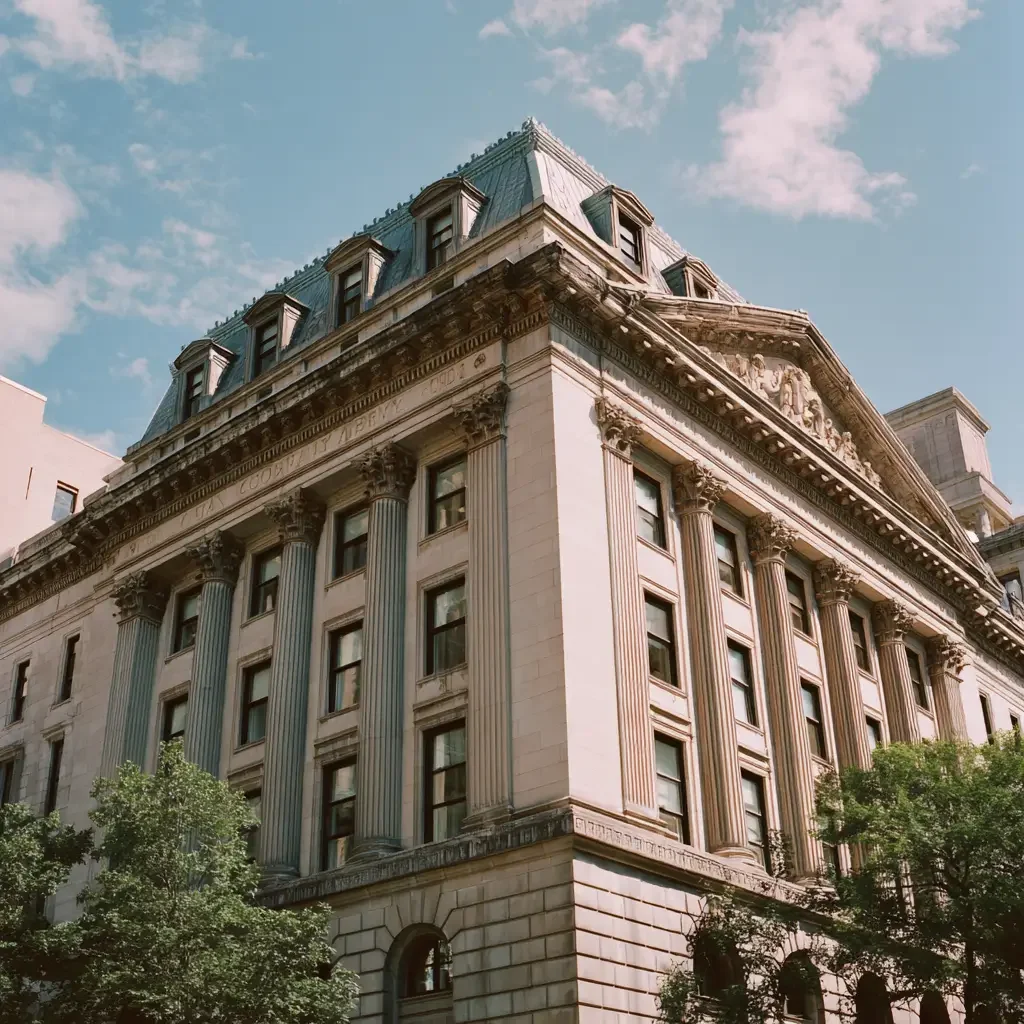
Areas We Serve in the Tampa Bay Region
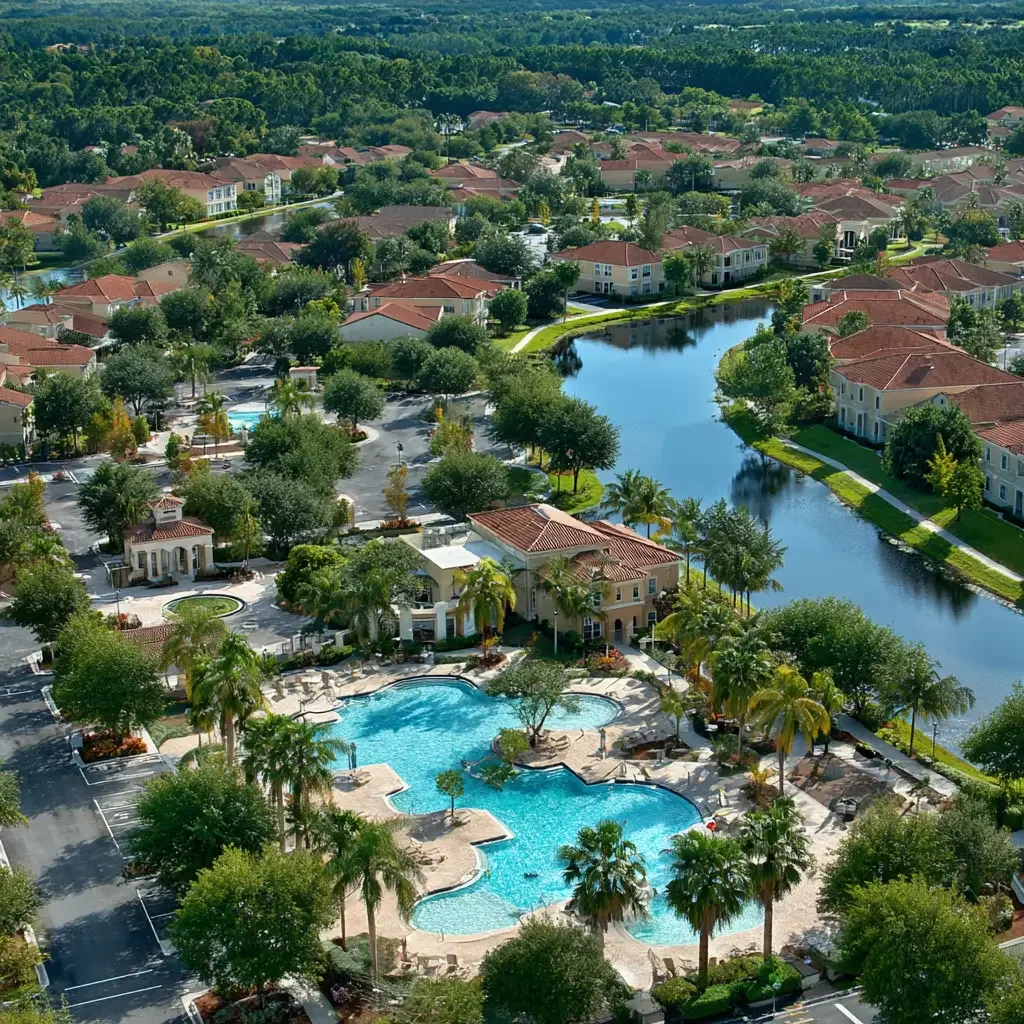
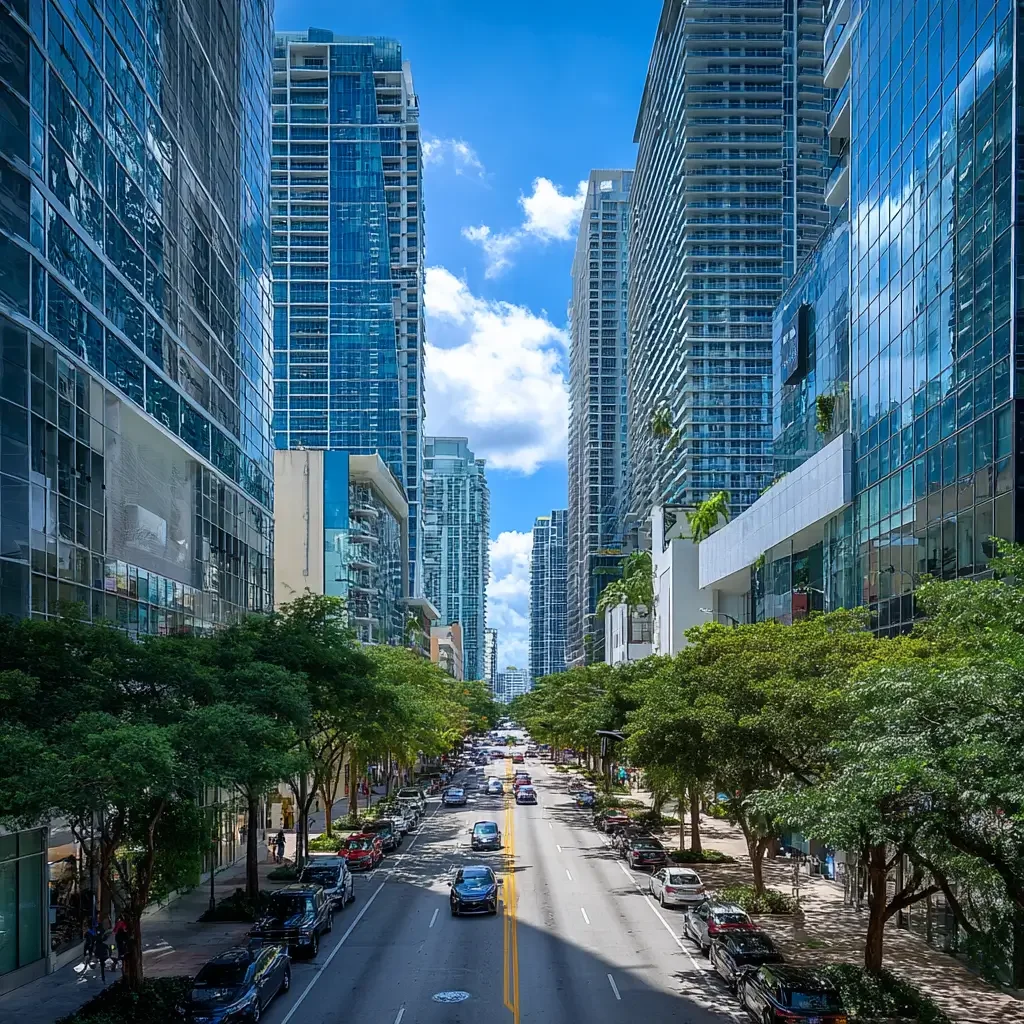
Shoreline Public Adjusters helps property owners across three counties in the Tampa Bay metro. Whether your home sits on Bayshore Boulevard, your business runs in Ybor City, or your condo overlooks Clearwater Beach, we handle insurance claims across the entire region.
Hillsborough County
Tampa (Downtown, South Tampa, Seminole Heights, Ybor City, New Tampa), Temple Terrace, Plant City, Brandon, Riverview, Carrollwood, Westchase, Town and Country, Lutz, Valrico, and Sun City Center.
Pinellas County
St. Petersburg, Clearwater, Largo, Dunedin, Palm Harbor, Tarpon Springs, Safety Harbor, Indian Rocks Beach, Treasure Island, Madeira Beach, Seminole, and Pinellas Park.
Pasco County
New Port Richey, Trinity, Land O'Lakes, Wesley Chapel, Zephyrhills, Dade City, Hudson, and the rapidly growing communities along the SR-54 and SR-56 corridors.
We also serve nearby areas in Hernando, Manatee, and Polk counties after storms and other events. If you own property in the Tampa Bay area and need help with an insurance claim, contact our public adjuster team for a free damage assessment. It costs nothing for us to review your policy and evaluate your loss.
Types of Property Damage We Handle in Tampa
Tampa Bay faces unique exposure to catastrophic storm surge, sinkholes on limestone karst geology, and year-round humidity that compounds water intrusion and mold growth. With back-to-back hurricanes like Helene and Milton in 2024, our metro ranks among Florida's most claim-heavy regions—and insurance carriers here aggressively deny or minimize payouts. Shoreline Public Adjusters fights for Tampa homeowners and businesses to recover what they're owed.
Water Damage & Flooding
Tampa Bay's storm surge from recent hurricanes has inundated Bayshore Boulevard and neighborhood streets. Carriers routinely deny surge claims by classifying them as "flood," pushing liability onto the NFIP instead of homeowner policies.
Hurricane Helene and Milton brought unprecedented storm surge into residential areas along the bay. Water intrusion through foundations, HVAC systems, and crawl spaces causes hidden damage that appears weeks or months after the event. Insurance companies split water damage claims between wind and flood coverage to reduce their exposure, leaving policyholders with major out-of-pocket costs. Basement seepage, burst pipes, and contaminated groundwater infiltration all fall under dispute. Shoreline advocates for full coverage recovery by challenging carrier denials and documenting all water damage origins.
Mold Damage
Tampa's year-round heat and humidity accelerate mold growth after any water event. Insurers cap mold coverage with $10K–$25K sub-limits, leaving major remediation costs uncovered.
Post-hurricane moisture seeps into walls, attics, and HVAC ducts, creating ideal conditions for toxic black mold and Aspergillus species within days. Homeowners often discover mold only after structural deterioration and health symptoms emerge. Many carriers explicitly exclude or severely limit mold coverage, citing the "mold exclusion" clause—regardless of whether the mold stems from a covered loss. Commercial remediation runs $15K–$50K+, far exceeding policy sub-limits. Shoreline's adjusters document mold origin, argue causation from the insured peril, and fight sub-limit denials to maximize recovery for affected families.
Storm Damage
Tampa averages 80+ thunderstorm days per year, producing straight-line winds, lightning strikes, and hail. Tropical storms and derechos cause widespread damage to homes and businesses.
Thunderstorm asylums, downbursts, and derechos create destructive straight-line winds exceeding 60 mph, snapping tree limbs and damaging roofs, siding, and windows. Lightning strikes cause electrical fires, surge damage, and explosions in wiring and appliances. Hail from spring and summer storms dents vehicles, damages roof shingles, and creates slow leaks that compound over time. Carriers often deny or minimize wind damage by claiming "pre-existing wear and tear" or misclassifying wind damage as maintenance issues. Shoreline's experts perform comprehensive damage assessments, use meteorological data to verify wind speeds, and challenge lowball adjustments.
Hurricane & Tropical Storm Damage
Hurricanes Helene (September 2024) and Milton (October 2024) struck Tampa back-to-back, combining storm surge, sustained winds, and torrential rain. Carriers exploit policy language to split damage between wind and flood, minimizing payouts.
Hurricane surge flooding along Tampa Bay, Hillsborough Bay, and inland areas damaged thousands of properties, while sustained winds tore roofs, shattered windows, and snapped utility poles. The combination of wind and water intrusion accelerates structural deterioration, mold growth, and hidden damage. Insurers use "flood vs. wind" distinctions to deny coverage—flood damage, they claim, falls under NFIP, not homeowner policies, even when wind-driven rain through compromised roofs is the actual cause. Deductibles apply separately to wind and flood, further reducing payouts. Shoreline coordinates Hurricane claim investigations, proving causation chain, and negotiates with carriers to recover full replacement costs for policyholders.
Fire & Smoke Damage
Kitchen fires, electrical fires in older Tampa homes, and industrial incidents cause widespread fire and smoke damage. Smoke spreads through HVAC systems, contaminating entire homes and businesses.
Older residential neighborhoods—Ybor City, Seminole Heights, Hyde Park—feature homes with outdated electrical wiring prone to arc faults and fire. Grease fires, gas stove accidents, and overloaded circuits ignite structural fires that destroy insulation, drywall, flooring, and contents. Smoke residue coats surfaces, embeds odors in fabrics and wood, and circulates through ductwork, affecting rooms far from the fire origin. Carriers often underpay smoke cleanup and restoration, claiming contents are unsalvageable when professional remediation could restore them. Shoreline documents fire loss scope, obtains detailed repair estimates, and recovers full replacement value for smoke-damaged properties and possessions.
Roof Damage
Tampa's aging housing stock includes roofs 15–25+ years old, vulnerable to post-hurricane damage. Carriers blame storm-damaged roofs on "wear and tear," denying coverage entirely.
Hurricanes Helene and Milton exposed underlying roof vulnerabilities—missing shingles, damaged flashing, compromised underlayment—that carriers classify as pre-existing deterioration rather than storm loss. Age-based denial tactics are common; carriers claim roofs over 10–15 years old are "worn" and therefore ineligible for full replacement. Wind-driven rain infiltrates roof decking, causing attic rot, insulation degradation, and structural damage. Replacement costs for residential roofs range $8,000–$25,000+, far exceeding typical homeowner deductibles. Shoreline performs forensic roof inspections, documents storm causation, disputes age-based denials, and argues for full replacement—not just repairs—when structural integrity is compromised.
Sinkhole and Foundation Damage
Tampa sits on limestone karst geology. Hillsborough and Pasco counties rank among Florida's sinkhole hotspots, where sudden ground collapse threatens home foundations. Carriers aggressively deny sinkhole claims.
Subsurface dissolution of limestone creates voids that collapse without warning, cracking foundations, buckling slabs, and tilting structures. Early warning signs—foundation cracks, doors and windows sticking, small surface depressions—often go unrecognized until catastrophic collapse occurs. Carriers fight sinkhole claims by demanding expensive geotechnical engineering reports, claiming sinkholes are "gradual" rather than sudden events excluded from coverage, or arguing the damage is pre-existing. Sinkhole repair and foundation stabilization costs $20,000–$100,000+ per property. Shoreline investigates sinkhole damage comprehensively, retains qualified engineers, and pursues full coverage recovery from resistant insurers.
Commercial & Business Damage
Tampa's business districts—Ybor City restaurants, Westshore offices, Channelside developments—face hurricane damage, fire loss, and prolonged business interruption. Commercial policies are complex; carriers deny or minimize payouts.
Restaurants and retail establishments in Ybor City suffered significant damage during recent hurricanes, forcing months of closure for repairs. Business interruption claims—covering lost revenue, payroll, and rent—are heavily scrutinized and frequently underpaid. Carriers misinterpret policy language to exclude soft costs (permits, professional fees, utilities during closure) or apply overly narrow causation arguments. Commercial contents, inventory, and equipment damage require detailed valuation; carriers often ignore appreciation, replacement cost, and business-specific losses. Shoreline handles full-scope commercial loss investigations, quantifies business interruption losses, disputes carrier limitations, and recovers maximum compensation for affected business owners and shareholders.
HOA & Condo Claims
Bayshore condo towers and South Tampa master-policy communities face unique claim disputes between HOA master policies and individual HO-6 policies. Coverage gaps leave unit owners exposed.
Tampa's Bayshore and downtown condo towers experienced significant hurricane and water damage, triggering disputes over coverage responsibility. Master policies cover common areas but often exclude or limit unit interiors; HO-6 policies have conflicting language about what owners must insure. Carriers exploit these coverage gaps, denying claims by shifting liability between master and individual policies. Deductibles apply separately to master and HO-6 policies, multiplying out-of-pocket costs for unit owners. Reserve fund disputes also arise when HOAs underfund repairs and demand special assessments. Shoreline coordinates between HOA boards, master policy carriers, and individual unit owners, clarifying coverage responsibility, challenging denial tactics, and recovering full compensation across all applicable policies.
Why Tampa Property Owners Need a Public Adjuster
Tampa Bay sits on the Gulf's front line. Every hurricane brings storm surge that pushes salt water into homes from Bayshore to Davis Islands. After the water comes the claim fight. Carriers split damage between "wind" and "flood" policies to pay less on each one. A public adjuster in Tampa levels the field.
Storm Surge Denial: Tampa Bay's Biggest Claim Battle
Carriers reclassify wind-driven water as "flood" to shift it to NFIP. NFIP caps at $250K for your home and $100K for what's inside. You own both wind and flood coverage, but carriers point at each other.
After Helene and Milton, thousands of Tampa owners got stuck in this gap. One carrier says it's flood. The other says it's the first policy's job. You end up with partial payment or none.
A public adjuster documents which damage came from wind and which from water. We force the wind carrier to pay its share. We don't let them hide behind the flood definition.
Sinkhole Claims in Hillsborough and Pasco Counties
Tampa sits on limestone karst. The ground shifts and cracks. Florida law requires coverage for "catastrophic ground cover collapse," but carriers define it so tight that even cracked walls get denied.
Carriers send their own geologists who downplay what they find. They call it a crack. They call it settling. They won't call it collapse, no matter what the damage shows.
A public adjuster brings independent engineers. We document what's really there. We force the carrier to honor the policy and pay for the damage.
Condo Towers and Waterfront High-Rises
Bayshore Blvd, Harbour Island, and Channelside towers took surge at ground level. Upper floors got wind damage. The master policy and unit-owner HO-6 coverage overlap and conflict.
The building's insurance has a deductible. Your unit's HO-6 has its own deductible. Both carriers argue the other one should pay. You get caught in the middle.
A Tampa public adjuster reads both policies, files both claims, and makes sure both carriers pay their share. We navigate the master policy. We handle the HO-6. We chase every dollar the policies allow.
How We Handle Your Tampa Insurance Claim
Tampa Bay claims are not like claims in other parts of Florida. Storm surge mixes wind and flood damage in the same room. Sinkholes shift the ground under your feet. Aging homes along Bayshore and in Seminole Heights hide damage behind old plaster. A public adjuster in Tampa needs to know all of these risks from the start.
Inspect Your Tampa Property and Document Every Detail
We walk every room, climb on the roof, and check the foundation. For Tampa surge claims, we mark the waterline height on every wall. We measure how far salt water reached into your home.
We use thermal cameras to find trapped moisture behind drywall. Salt water from Tampa Bay surge corrodes wiring and pipes that you cannot see. We fly drones over your roof to map missing shingles and lifted flashing. In Hillsborough and Pasco, we check for sinkhole signs: cracked block walls, doors that stick, and floors that slope. If the ground shifted, we refer you to a licensed geotechnical engineer for soil borings. Every photo and measurement goes into your claim file from day one.
Read Your Policies and File the Right Claims
Most Tampa homeowners carry a wind policy and a separate flood policy. Some also carry sinkhole riders. We read every page of every policy you have. We find coverage you didn't know existed.
We identify which damage falls under wind, which falls under flood, and which falls under sinkhole. Tampa Bay surge claims are the most disputed type because carriers blame each other. Your wind carrier says it was flood. Your flood carrier says it was wind. We split the damage with evidence and file each claim against the right carrier. We also check for loss-of-use coverage that pays for your hotel while repairs happen. Every form gets filed on time and to the right place.
Negotiate Hard and Hold Carriers to Florida Deadlines
Florida law gives carriers 60 days to pay or deny after proof of loss. After Helene and Milton, Tampa carriers missed these deadlines by weeks. That gives us leverage we use every time.
We send formal demand letters citing §627.70131. We log every phone call, every email, and every missed deadline. When a Tampa carrier stalls past day 60, we prepare a Civil Remedy Notice under §624.155. That changes the math for the carrier — they now face damages beyond the policy limit. We don't wait for carriers to act. We push them with deadlines, evidence, and legal pressure until your claim moves forward.
Collect Your Settlement and File Tampa-Specific Supplements
The first check is rarely the last. Tampa surge claims uncover mold behind walls weeks after the water recedes. Sinkhole damage gets worse as the ground keeps shifting. We file supplements for every new problem.
After Milton, many Tampa homes looked dry on the surface but had mold colonies growing in wall cavities within 30 days. Sinkhole repairs sometimes reveal deeper foundation cracks once work begins. We file supplement claims within the 18-month window for each new issue. We bring updated contractor bids and engineering reports. The carrier has to respond to each supplement under the same 60-day rule. We keep pushing until every covered dollar is in your hands.
Florida Insurance Laws That Protect You When You Hire a Public Adjuster in Tampa
Tampa Bay's claim environment is unlike anywhere else in Florida. Carriers here deal with storm surge that floods entire first floors, sinkholes that crack foundations without warning, and back-to-back hurricanes that leave thousands of open claims at once. Florida law gives you real protections — but carriers count on you not knowing them. As your public adjuster in Tampa, we use these statutes to force carriers to pay what they owe.
The 60-Day Clock: Carriers Owe You an Answer (§627.70131)
Florida law mandates that carriers acknowledge your claim within 14 days and issue a full decision — pay or deny — within 60 days from the date they receive your proof of loss. After Hurricane Milton in October 2024, Tampa carriers were buried in thousands of claims at once. Many blew past the 60-day deadline without explanation. Some took 90 or 100 days. Meanwhile, your surge-damaged home sat with salt water in the walls, mold spreading through the drywall, and no payment in sight.
Each missed deadline is a documented statutory violation. Violations create leverage. A carrier that missed day 60 cannot claim they acted in good faith. We track every Tampa claim against this clock in writing — certified mail, email confirmations, and timestamped call logs. When day 61 passes with no response, we have the paper trail to escalate. That paper trail turns into pressure that moves your claim forward.
Bad Faith Protections: When the 20-Minute Visit Becomes a Lawsuit (§624.155)
Tampa's typical bad faith scenario plays out like this: the carrier sends a field adjuster who spends 20 minutes in a 2,400-square-foot home with visible surge damage on the first floor. They walk through the living room, snap a few photos, miss the moisture behind the kitchen walls, skip the attic where humidity has already started feeding mold, and ignore the foundation cracks from sinkhole movement in the backyard. They issue a check for $4,200 on a $65,000 loss. When you call to dispute it, they stall. When you send photos, they go silent. Months pass with no response.
This is textbook bad faith — an unreasonable investigation, a misapplication of the policy, and intentional delay. Florida's bad faith statute (§624.155) lets you send a Civil Remedy Notice giving the carrier 60 days to cure the violation. If they refuse to fix it, you can recover damages far beyond the policy limit, plus attorney's fees. After Helene and Milton, Tampa Bay saw a wave of these notices. Many carriers settle once a credible bad faith notice arrives because the alternative — a bad faith judgment — costs them far more than paying the claim fairly.
Fee Caps and Your Post-Hurricane Window (§626.854)
Hillsborough County was included in the emergency declarations for both Hurricane Helene and Hurricane Milton. This matters because it determines your public adjuster fee cap. If your loss falls within 12 months of an emergency declaration, your fee is capped at 10% of what we recover. Standard non-emergency claims cap at 20%. You must have a written contract with your PA before any work begins. Cancellation terms: 10 business days on standard claims, 30 days during emergency periods. We follow every fee rule to the letter. Our agreements are transparent — you know the exact percentage before we start. Read our complete guide to public adjuster compensation to understand how fees work.
Your Right to Hire a Public Adjuster Mid-Claim — Even After a Lowball Offer
Many Tampa homeowners file claims on their own, get a check that covers a fraction of the damage, and only then realize they need help. Florida law explicitly permits you to hire a public adjuster at any point in the claims process. The carrier cannot retaliate, reduce their offer, or ignore you because you hired representation. We handle mid-claim situations in Tampa every week. You pay the same fee structure regardless of when you engage us. Shoreline Public Adjusters is licensed by the Florida Department of Financial Services (License #G199012) and carries a $50,000 surety bond. It is never too late to get professional help on your Tampa claim.
Why Choose Shoreline Public Adjusters in Tampa
Tampa Bay spans three counties — Hillsborough, Pinellas, and Pasco. That creates a wide mix of property types: waterfront condos along Bayshore Blvd, aging bungalows in Seminole Heights and Ybor City, sprawling subdivisions in Brandon and Riverview, and commercial strips along Dale Mabry and Kennedy. No two claims look the same here. Storm surge pushes salt water through ground floors. Sinkholes crack slabs on limestone karst. Year-round humidity feeds mold inside walls after any water event. Standard adjusters miss these patterns. Shoreline catches them.
We Know Tampa Bay Storm Surge Claims
After Helene and Milton hit back-to-back in 2024, we handled surge claims from Bayshore to Safety Harbor to Riverview. We know exactly how carriers split wind and water damage to pay less on both. Wind-driven water enters through a broken window — that is wind. Rising water from Tampa Bay pushes through the foundation — that is flood. Carriers blur the line on purpose. We draw it with evidence.
We document the waterline on every wall. We photograph the debris field showing wind-driven entry points. We use thermal imaging to trace moisture behind drywall that the carrier's adjuster never checked. We build the case that holds up in front of the carrier's desk reviewer and in court if it comes to that. Tampa homeowners who had surge claims handled by a generalist PA often come to us after the first firm gave up. We don't give up.
Sinkhole Experience Across Hillsborough and Pasco
Tampa's karst geology means sinkholes are not rare — they are a regular part of living here. Hillsborough and Pasco counties rank among the top sinkhole zones in the state. We bring independent geotechnical engineers who do soil borings and ground-penetrating radar. We know the legal line between "catastrophic ground cover collapse" (which carriers must cover) and standard sinkhole activity (which many policies exclude).
Carriers send their own geologists who downplay findings. They call a cracked foundation "settling." They call shifted walls "cosmetic." We push back with field data and expert reports that document what is really happening underground. We have fought sinkhole denials in New Tampa, Land O'Lakes, and Wesley Chapel where carriers refused to even acknowledge the ground had moved. Our engineers' reports changed the outcome every time.
Condo and HOA Policy Navigation
Tampa has thousands of condo units along the waterfront — Bayshore, Harbour Island, Channelside, and downtown towers that took surge at ground level and wind on upper floors. Every condo claim involves at least two policies: the master policy held by the association and the HO-6 held by the unit owner. We read both cover to cover. We find every dollar in both.
When damage crosses the boundary between common elements and unit interior, we file against both carriers. Association deductibles and loss assessments add layers — some buildings passed $50,000+ special assessments to unit owners after Milton. We handle the master policy coordination, the HO-6 claim, and the deductible dispute. Condo owners should not navigate this alone, and they should not trust the HOA's adjuster to fight for the individual unit.
Local Carrier Knowledge and Aggressive Recovery
Citizens Property Insurance holds a massive share in Tampa Bay after private carriers pulled out. Heritage, Universal, Slide, TypTap, and HCI each run their own playbook. We know which carriers stall surge claims. We know which ones lowball roof damage using depreciation schedules that don't match reality. We know which ones respond to a well-documented estimate and which ones need a Civil Remedy Notice before they move.
That carrier-specific knowledge saves you time and money. We don't guess or learn on your claim. We work on contingency — we earn fees only when you collect money. Forbes, Realtor.com, Insurance.com, and Investopedia have featured our results. Learn how public adjusters get paid.
On the Ground in Hillsborough, Pinellas, and Pasco — Not a Call Center
We do not fly in from out of state after a storm. We are in Tampa before, during, and after every named storm. We inspect damage the same week it happens. Early records make the strongest claims — we get photos and moisture readings while the damage is fresh, before carriers have a chance to claim it was pre-existing.
The same adjuster who walks your property handles the estimate, the negotiation, and the settlement. No handoffs, no case reassignments to a call center in another state. You know who your adjuster is. You have their direct number. That is what sets a Tampa public adjuster apart from the national firms that fly in, file paperwork, and disappear. License #G199012.
Frequently Asked Questions
Common questions about insurance claims, storm surge disputes, sinkhole coverage, and public adjusting services in the Tampa Bay area.
Carriers often reclassify wind-driven water as flood to push the claim onto the National Flood Insurance Program (NFIP), which means you pay more out of pocket. The key distinction is entry point. Wind-driven water enters through openings created by the storm — broken windows, roof damage, or compromised seals. Rising water is pure flood. We document every entry point with photos and engineering analysis. Our work forces the wind carrier to pay its fair share instead of dumping liability to NFIP.
Florida sits on limestone that can collapse, creating sinkholes. Watch for sudden cracks in drywall, especially radiating from corners. Doors and windows that stick or won't close are a red flag. Sloping floors, diagonal cracks in foundation walls, and sudden drops in the yard all point to subsidence or collapse. Florida law requires carriers to cover "catastrophic ground cover collapse," but they deny claims by claiming the damage is just settling. We bring independent structural engineers who verify the cause and timeline. Their report gives us the evidence to force the carrier's hand.
This depends on two separate policies: the master policy (owned by the HOA) and your HO-6 unit insurance. Damage to common elements — roof, exterior walls, shared hallways — goes against the master policy. Damage inside your unit goes against your HO-6. The association may pass deductibles to owners or cover them, depending on bylaws. Many Tampa condos have deductible pass-through clauses that shock owners. We read both policies, identify which carrier pays what, and file claims against the right insurers. We also negotiate deductible assignments to reduce your out-of-pocket cost.
We work on contingency, meaning you pay nothing upfront. Our standard fee is 20% of the recovery we gain on your claim outside of a declared emergency period. During a declared emergency (within the first year after a hurricane), Florida law caps our fee at 10%. If we don't recover anything, you don't pay us anything. This aligns our incentive with yours — we only profit when you win. There are no hidden fees or surprise costs.
Yes, absolutely. Many Tampa homeowners contact us after seeing their initial insurance estimate and realizing it is too low. Signing nothing is the key — if you have not signed a release or settlement, we can re-document and renegotiate from scratch. Even if you have preliminary paperwork, we review everything and often identify missing damage, undervalued items, or misclassified losses. Carriers count on homeowners accepting the first offer. Your right to hire a PA and challenge that offer never expires until you sign away your claim.
Yes. Each hurricane is a separate weather event, so each generates its own claim with its own deductible. Some damage overlap may occur, but the carrier must honor separate deductibles for each loss date. The hard part is documentation — you must clearly show which damage came from Helene and which from Milton through photos, dates, and engineering reports. Carriers fight to blame all water damage to the first storm to collect just one deductible. We document the timeline carefully, separating pre-Milton baseline damage from new Milton damage. This forces the carrier to pay both claims fairly.
Carriers operate under pressure to process claims fast and keep estimate costs low. A 20-minute site visit on a major storm-damaged Tampa home is not thorough. The adjuster may walk through the living room, snap a few photos, and leave. They miss hidden moisture behind walls, mold growth in the attic, foundation shifting, and deferred structural damage. Many losses only appear after walls dry or when secondary damage develops. We spend hours on-site with moisture meters, thermal imaging, and engineers to uncover all damage. This comprehensive approach catches what a quick drive-by inspection ignores.
This is one of the most common denial tactics in Tampa. Yes, many roofs are aging. But aging and storm damage are separate. A ten-year-old roof that is torn off by 110-mph winds suffered storm damage, not wear and tear. The key is impact evidence — missing shingles in a pattern, bent flashings, broken decking, and torn underlayment all show storm impact, not normal deterioration. We hire certified roofers and engineers who examine granule loss, impact patterns, and timeline to prove the damage came from the storm, not decay. Their expert report overturns the carrier's wear-and-tear denial.
Florida law gives you one year from the loss date to file a claim. Supplements (additional damages discovered later) can be filed up to 18 months after the loss date. After 18 months, your claim is barred. Do not assume you have time. Evidence degrades fast in Florida's heat and humidity. Photos fade, memories blur, and mold spreads. Carriers also weaponize delay — they argue that late-filed damage claims must be pre-existing or unrelated. File early and file completely. If new damage surfaces within 18 months, we file a supplement. Waiting is a strategic gift to the insurance company.
Tampa's humidity means mold grows fast after any water event. Carriers deny mold claims by claiming the mold existed before the storm. This is their favorite loophole. The law is clear: mold caused by covered water damage is covered. The burden is on the carrier to prove the mold was there before the storm, not on you to prove it came after. We document the timeline carefully — pre-storm photos if available, inspection reports showing no mold, then post-storm discovery of mold. Mold growth rate studies and environmental expert reports prove the mold followed the water damage, not the other way. This evidence forces the carrier to overturn the denial.
Get Your Free Tampa Bay Claim Review
Storm surge, sinkhole cracks, or a lowball offer on your hurricane claim — we review it all at no cost. Shoreline Public Adjusters will assess your damage, read your policy, and tell you exactly where you stand. No obligation, no pressure.
Florida License #G199012
Serving the Tampa Bay Region and Beyond
Shoreline Public Adjusters is licensed statewide in Florida. In addition to Tampa, we serve homeowners and businesses across the state:
Insurance Claim Denied?
Learn more about how Shoreline Public Adjusters can help dispute home insurance claims and business insurance claims.