Mold Restoration After Water Damage in Neenah, WI: A Complete Guide

TL;DR: Quick Mold Restoration Checklist
Facing mold after water damage in Neenah? Here's what you need to know:
Act within 24-48 hours - Mold grows fast after water damage
Stop the source - Shut off water, remove standing water, start drying immediately
Remove porous materials - Drywall, insulation, and carpet padding usually can't be saved
Clean and disinfect - Use EPA-registered fungicides on salvageable surfaces
Document everything - Photos and notes are critical for insurance claims
Call professionals - If mold covers 10+ square feet or affects structural elements
Get claim help - A Public Adjuster in Wisconsin can maximize your insurance settlement
Read on for detailed step-by-step guidance on mold restoration and preventing future growth.
When your Neenah home experiences water damage from a burst pipe, flooding, or roof leak, mold growth becomes a serious concern. Mold can begin developing within 24 to 48 hours if moisture isn't properly addressed. This guide provides actionable steps to restore your property, minimize health risks, and prevent future mold problems.
Act Quickly: Stop the Water Source and Remove Standing Water
Time is critical when dealing with water damage and potential mold growth.
Immediate actions to take:
Stop the moisture source by shutting off water valves, repairing broken pipes, or covering roof openings with tarps. Remove standing water immediately using wet vacuums, water extraction pumps, or mops. Deploy drying equipment including industrial fans, dehumidifiers, and air movers to start the drying process.
The longer moisture remains in your home, the higher the probability that mold spores will colonize and spread throughout affected areas.
Assess Water Damage: What to Keep vs. What to Discard
Not all water-damaged materials can be salvaged. Understanding which items to keep or remove is essential for effective mold remediation.
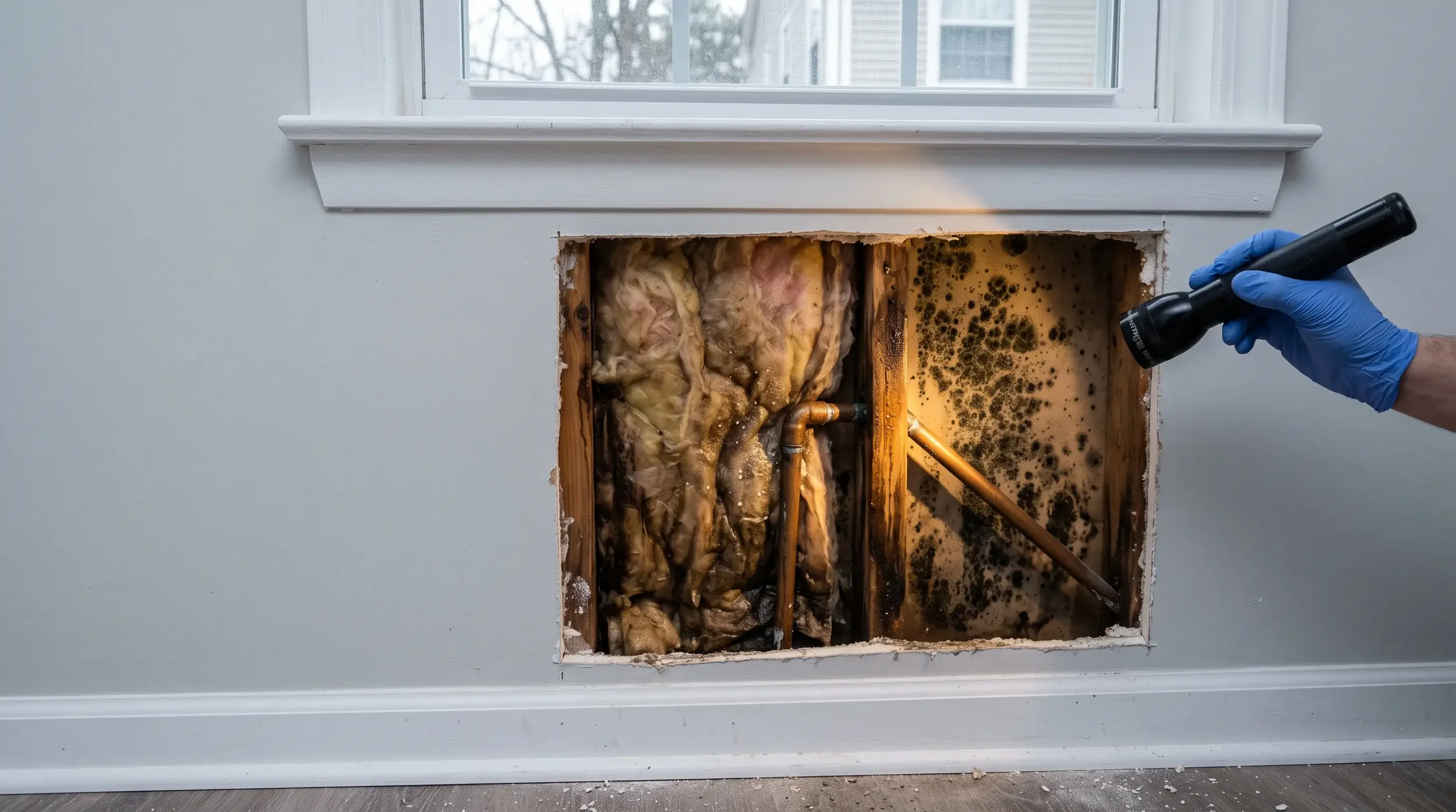
Porous materials like drywall, insulation, carpet padding, and ceiling tiles that have absorbed significant water typically need removal and replacement. These materials are difficult to fully clean and dry, making them prime candidates for mold colonization.
Non-porous materials including tile, metal, glass, and solid hardwood can often be cleaned, disinfected, and salvaged when properly treated.
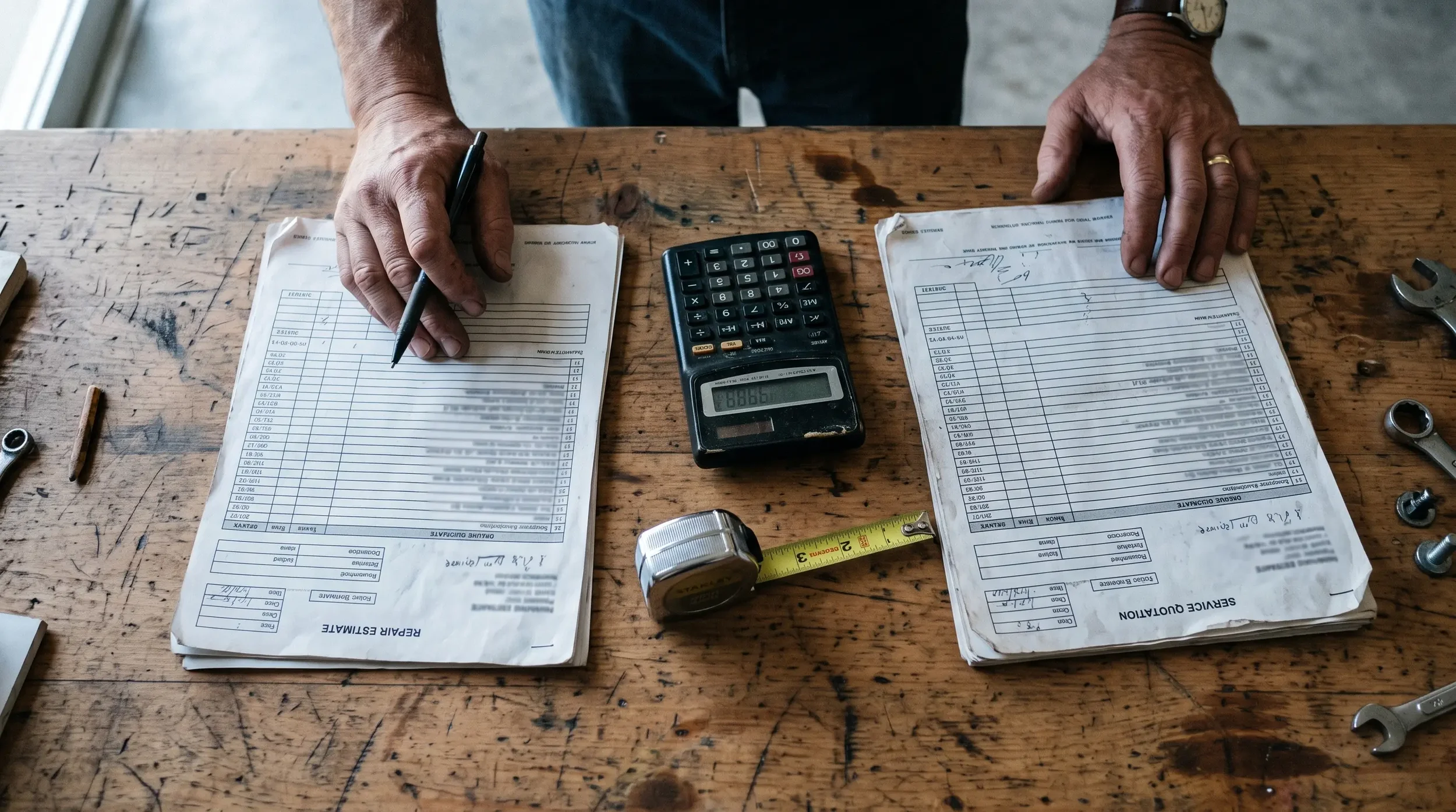
Document all damage thoroughly with photographs and detailed notes. This documentation is crucial for insurance claims and helps public adjusters maximize your settlement.
Contain the Affected Area to Prevent Cross-Contamination
Proper containment prevents mold spores from spreading to unaffected areas of your Neenah home.
Isolate the damaged zone using heavy-duty plastic sheeting and create physical barriers. Shut down HVAC systems serving the affected area to prevent airborne mold spores from circulating through your ductwork. If possible, establish negative air pressure using specialized equipment so air flows into the containment area rather than escaping to other rooms.
Clean, Treat, and Disinfect All Surfaces
Effective cleaning is essential to eliminate existing mold and prevent regrowth.
Apply EPA-registered fungicides or antimicrobial solutions to all hard surfaces in the affected area. Use HEPA-filtered vacuums to capture microscopic mold spores during and after the cleaning process. Scrub contaminated surfaces thoroughly but carefully to avoid damaging materials, then rinse and repeat if necessary.
Allow all cleaned surfaces to dry completely before proceeding with restoration work.
Ensure Complete Drying of All Materials
Thorough drying is perhaps the most important step in mold prevention.
Continue running dehumidifiers and air movers until moisture readings return to normal levels. Use moisture meters to check hidden areas behind walls, under flooring, and in other concealed spaces where water may have penetrated. In Wisconsin's climate, maintaining relative humidity below 50% is ideal for discouraging mold growth.
Rushing this step often leads to recurring mold problems down the road.
Repair and Restore Your Neenah Property
Once the area is completely dry, begin reconstruction with mold-resistant materials.
Replace removed drywall, carpeting, and insulation with mold-resistant alternatives when available. Apply mold-inhibiting primers before painting walls and ceilings. Most importantly, address the root cause whether it's a roof leak, plumbing failure, or drainage issue to prevent future water intrusion.
Monitor Your Home and Maintain Vigilance
Ongoing monitoring helps catch potential mold problems before they escalate.
Regularly inspect high-risk areas including basements, crawl spaces, bathrooms, and areas around water heaters or washing machines. Run dehumidifiers in naturally damp spaces, especially during Wisconsin's humid summer months. Ensure adequate ventilation in bathrooms, kitchens, and laundry rooms by using exhaust fans.
Address any new water leaks, spills, or condensation problems immediately before mold has time to develop.
When to Call Professional Mold Remediation Services in Neenah
Some mold situations require professional intervention for safe and effective remediation.
Contact certified mold remediation specialists when:
Mold covers more than 10 square feet (approximately a 3x3 area)
Mold has penetrated structural elements like floor joists or wall studs
Mold is hidden behind walls, inside HVAC systems, or in crawl spaces
Household members have respiratory conditions, allergies, or compromised immune systems
The water source is unclear or damage extent is uncertain
You're dealing with Category 3 water damage (sewage backup or flood water)
Professional remediation teams have specialized equipment, training, and protocols to safely contain, remove, and restore mold-damaged properties while protecting your family's health.
Understanding Insurance Coverage for Mold Damage in Wisconsin
Many Wisconsin homeowners don't realize that mold damage claims can be complex and often face denials or lowball settlements from insurance companies. If your water damage claim includes mold remediation costs, consider consulting with a Public Adjuster in Wisconsin who can advocate on your behalf.
Public adjusters work exclusively for policyholders—not insurance companies—to ensure you receive fair compensation for restoration costs, temporary housing, and property losses. They handle the documentation, negotiations, and technical aspects of your claim so you can focus on restoring your home.
Need Help with Mold Restoration in Neenah? Contact CP Restoration
If you're facing water damage or mold issues in Neenah or the surrounding Fox Cities area, CP Restoration provides professional mold remediation, water damage cleanup, and complete restoration services. Their certified technicians respond quickly to minimize damage and restore your property safely.
Visit cprestoration.net or call today for emergency mold restoration services in Neenah, WI.
Need help with your insurance claim? Shoreline Public Adjusters assists Wisconsin property owners in securing maximum settlements for water damage and mold restoration claims. Learn more about working with the best Public Adjuster in Wisconsin.
Shoreline Public Adjusters, LLC
780 Fifth Avenue South
Suite #200
Naples, FL 34102
Email: hello@teamshoreline.com
Phone: 954-546-1899
Fax: 239-778-9889