When Should You Hire a Public Adjuster?

Updated Date: March 11, 2026
Read Time: 11 min read
If you've ever filed a property damage claim, you've probably wondered whether you should be handling it yourself — or whether someone should be in your corner. That's a fair question, and the honest answer is: it depends. But the factors that determine the answer aren't what most people think.
Most policyholders assume the process is simple. You report the damage, an adjuster comes out, and your insurance company takes care of you. After all, you've paid your premiums faithfully for years. They know you. They wouldn't shortchange you.
That assumption — more than any single claims tactic — is what costs policyholders the most money. Let me explain why, and walk you through exactly when hiring a public adjuster is the right move.
The Loyalty Myth (And Why It's Costing You)
The number one mistake I see policyholders make — over and over again — is trusting that loyalty to their insurer will be returned. They've been with the same carrier for 10, 15, sometimes 20 years. They've never missed a premium. And when something goes wrong, they assume that history matters.
It doesn't.
Insurance companies are not in the business of rewarding loyalty at claims time. Their adjuster — the one who shows up to inspect your damage — works for them, not for you. Their job is to assess the claim and resolve it. Your job is to prove your loss. Those aren't always aligned interests.
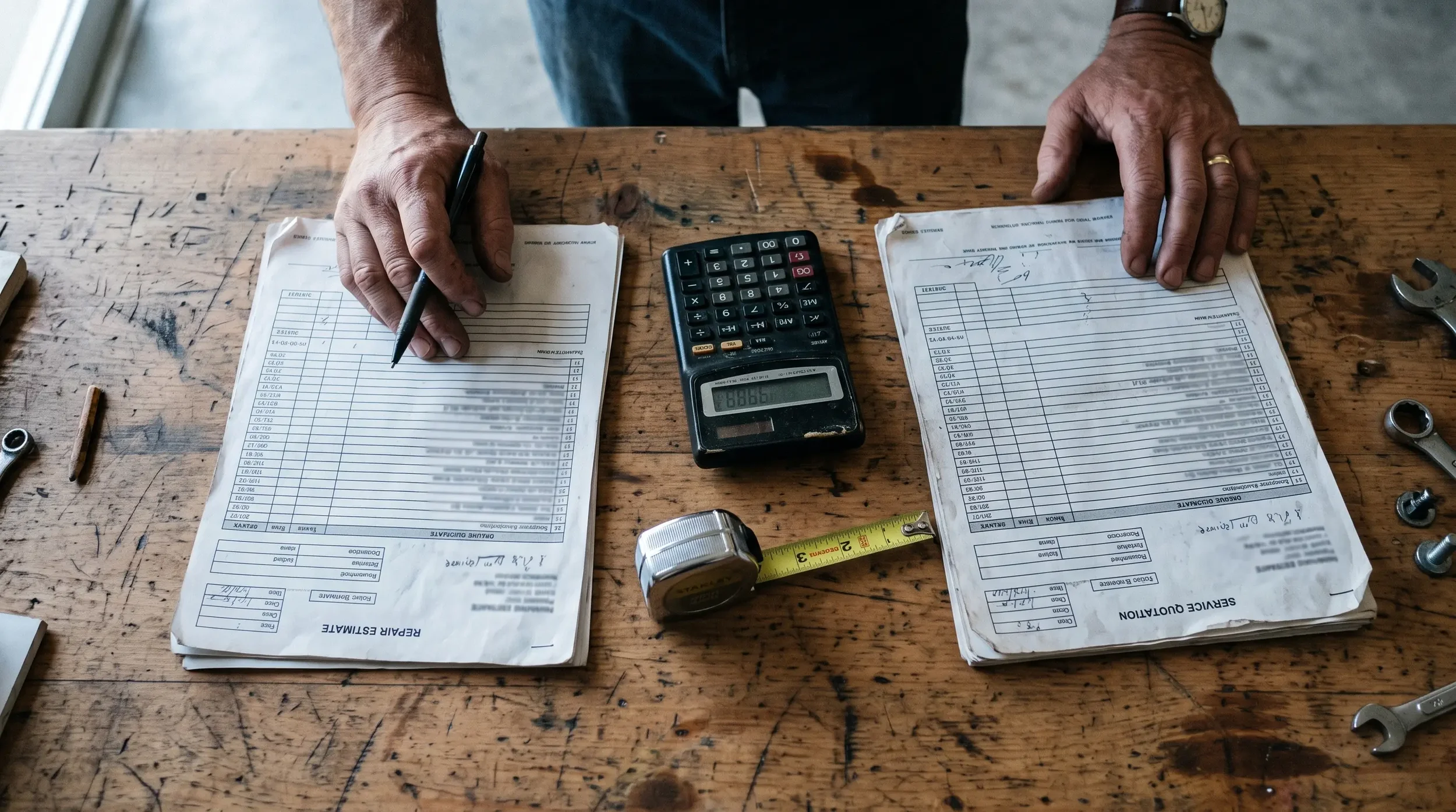
The second most common mistake? Thinking a claim is "too small to bother with." Many policyholders either don't file at all, or they accept the first offer without realizing it's significantly below what they're entitled to. According to FAPIA studies, policyholders who use a public adjuster receive settlements that are up to 747% higher on average. That number isn't a typo.
Want to know exactly what tactics to watch for? Read up on home insurance claim adjuster secret tactics — and what to do about them.
So when should you take this seriously? Read on.
When You DON'T Need a Public Adjuster
I'll be straight with you here — because transparency is how we build trust, and because I'd rather you know the truth than feel misled.
There are situations where hiring a public adjuster isn't the right call:
The loss is near or below your deductible. If the estimated repair cost is close to what you'd pay out-of-pocket anyway, filing can cost more than it's worth — especially if a filed claim raises your premium.
The damage is clearly excluded by your policy. Not every loss is covered. If the cause of damage is specifically excluded in your policy language, no amount of advocacy will create coverage where none exists. A good public adjuster will tell you this upfront — and so will we.
Outside of those two scenarios? The conversation is worth having.
When a Public Adjuster Changes Everything
Here's where things get real. A public adjuster earns their fee in situations like these:
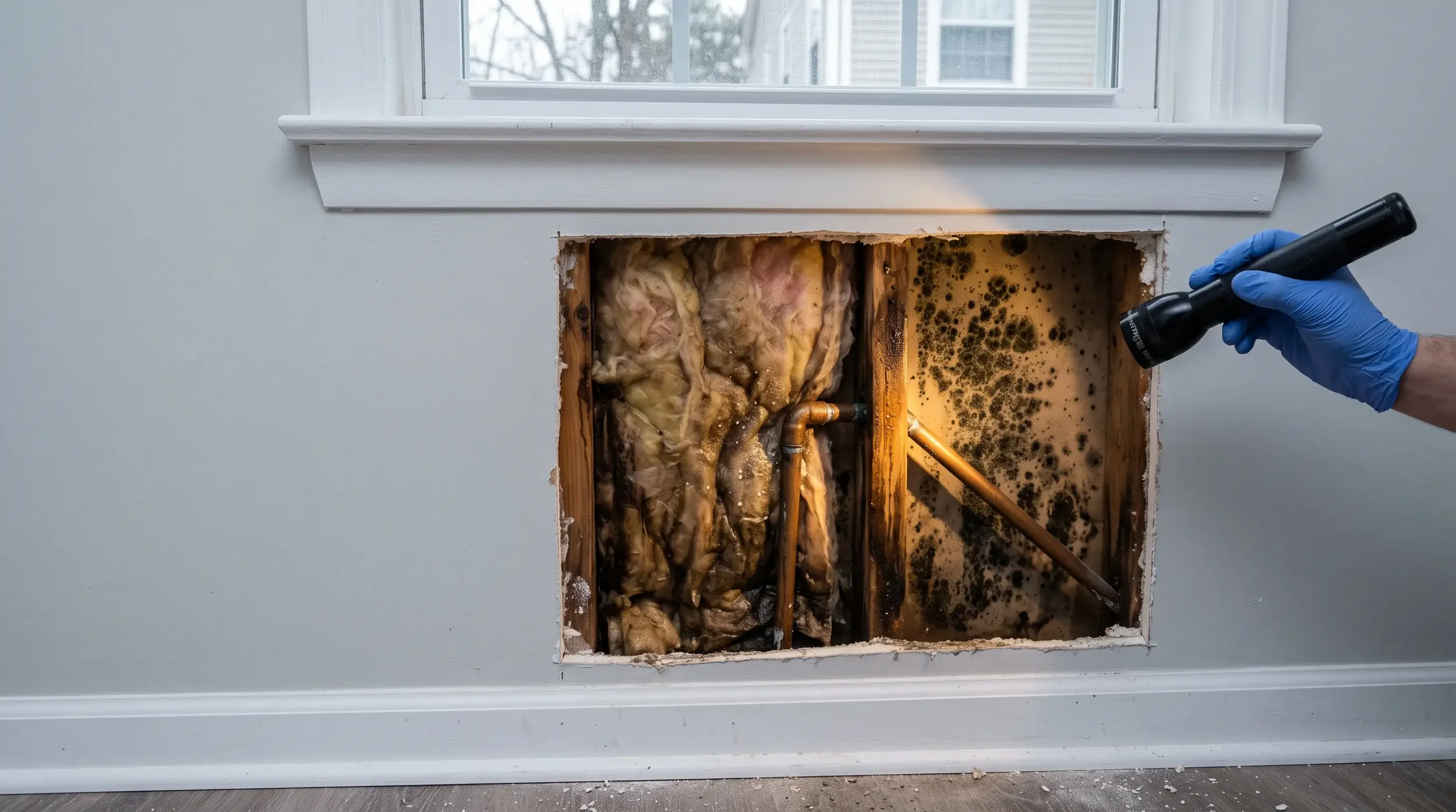
Large or complex losses — commercial fires, major water intrusion, hurricane or tornado damage, roof collapses. If you're on the Gulf Coast, a public adjuster in Pensacola or anywhere along the Panhandle can make a significant difference after a named storm.
Disputed or underpaid claims — when the insurer's scope of loss and yours don't match
HOA and condo association claims — multi-unit properties with complex policy structures and shared liability questions
Cyber insurance claims — a rapidly growing category that most public adjusters aren't equipped to handle
Business interruption claims — where lost income documentation and policy interpretation require expertise
That last category — cyber — is worth calling out specifically. With over a decade in enterprise cybersecurity, including CISSP and CISA certifications and experience advising Fortune 100-scale organizations on risk and compliance, I bring something to cyber claims that essentially no other public adjuster in the country can match. We understand the technical side of what happened, what was lost, what it costs to remediate, and how to hold the insurer accountable to the full scope of coverage.
On every claim — cyber or otherwise — our corporate background matters in a way that's hard to quantify but impossible to miss. We hold insurance companies to the letter of the law. We know how to escalate professionally, document precisely, and push back without letting things get personal or stall out. That's a skill set most PAs simply haven't built.
Timing: When Is It Too Early? When Is It Too Late?
This is where most people get tripped up — and where acting quickly can make a significant difference.
Too late: After you've signed a settlement agreement
Once you've signed off on a settlement, it's done. Public adjusters cannot reopen a settled claim you've accepted. If you feel the settlement was inadequate, your options become very limited at that point — potentially requiring an attorney and litigation. The time to get help is before you sign, not after. For a full breakdown of deadlines, read our guide on when is it too late to hire a public adjuster.
Too early: There's no such thing
It is never too early to reach out. In fact, the earlier you do, the better — because the first conversations you have with your insurance company set the tone for the entire claim. What you say, what you document, what you allow their adjuster to see and write down — all of it matters. A public adjuster in the room from day one changes those dynamics entirely.
At Shoreline, we offer free policy reviews and free consultations. We'll tell you honestly whether your situation warrants representation, and we'll help you understand your policy and your rights — even if you decide to handle it yourself. Our fee is contingency-based, meaning you can read about exactly how public adjusters get paid — if we don't recover more for you, you don't owe us anything.
The sweet spot? The moment you know you have a significant loss. Call before you've submitted your proof of loss. Call before you've given a recorded statement. Call before you've accepted any offer. The earlier we're involved, the more tools we have.
What Every Property Owner Should Know Before Filing a Claim
Here's the advice I wish every policyholder had before they ever picked up the phone to report a loss:
Take a thousand photos and videos. Right now. Before anything happens. Once a year, walk through your home or property with your phone and record everything — every room, every appliance, every piece of equipment, every valuable item. Create a visual record of the pre-loss condition of your property.
Insurance companies are experts at raising "proof" objections. They'll question whether that HVAC unit was in good condition before the storm. They'll dispute whether that flooring was the quality you claim. They'll ask you to prove something existed that you'd never think to document because you assumed it was obvious.
Without photos, without receipts, without a record — it becomes your word against theirs. And in that fight, they have lawyers, adjusters, and processes specifically designed to minimize what they pay.
Also understand this: when you call to report a claim, you're not just talking to a customer service rep. You're starting a legal process. The statements you make, the details you provide, and the timeline you establish all become part of the official claim record. That's not meant to scare you — it's meant to make sure you walk in with your eyes open.
A public adjuster's role isn't just to fight at the negotiating table. It's to make sure you never end up in a weak position at that table in the first place.
The Bottom Line
Hire a public adjuster when the stakes are real, the claim is complex, or you're not sure what you're walking into. Don't hire one when the loss is minor and clearly below your deductible, or when the policy plainly doesn't cover what happened.
And regardless of what you decide to do with your claim — document everything, start early, and don't mistake your insurer's friendly tone for a guarantee of a fair outcome.
If you're not sure where you stand, we're happy to take a look. Policy reviews are free, consultations are free, and there's no pressure to hire us. We'd rather you make the right decision — even if that's not us — than the wrong one.
Ready to find out what your claim is actually worth?
Contact Shoreline Public Adjusters for a free consultation and policy review.
teamshoreline.com | hello@teamshoreline.com | 954-546-1899
Licensed Public Adjusters: MN 40962416 | WI 21156868 | FL G199012