

Public Claims Adjuster vs. Insurance Company Adjuster: Who’s Really on Your Side?
When disaster strikes, filing an insurance claim can feel overwhelming. Policyholders often assume their insurance company adjuster is there to ensure they receive a fair payout. However, that’s not always the case. A public claims adjuster, also known as a public insurance adjuster, works exclusively for you—the policyholder—to maximize your claim settlement. In this article, we’ll explore the key differences between a public adjuster and an insurance company adjuster, helping you make informed decisions when filing a claim.
What is an Insurance Binder? A Complete Guide
An insurance binder is a temporary contract that provides proof of insurance coverage before the final policy is issued. Whether you're purchasing a new home, vehicle, or business insurance, an insurance binder acts as an official document that guarantees you are covered during the underwriting process.
In this guide, we'll explain what an insurance binder is, why it's important, and how it differs from a standard insurance policy. We'll also discuss its key components and answer frequently asked questions.
Does Homeowners Insurance Cover Mold? What Insurers Won't Tell You
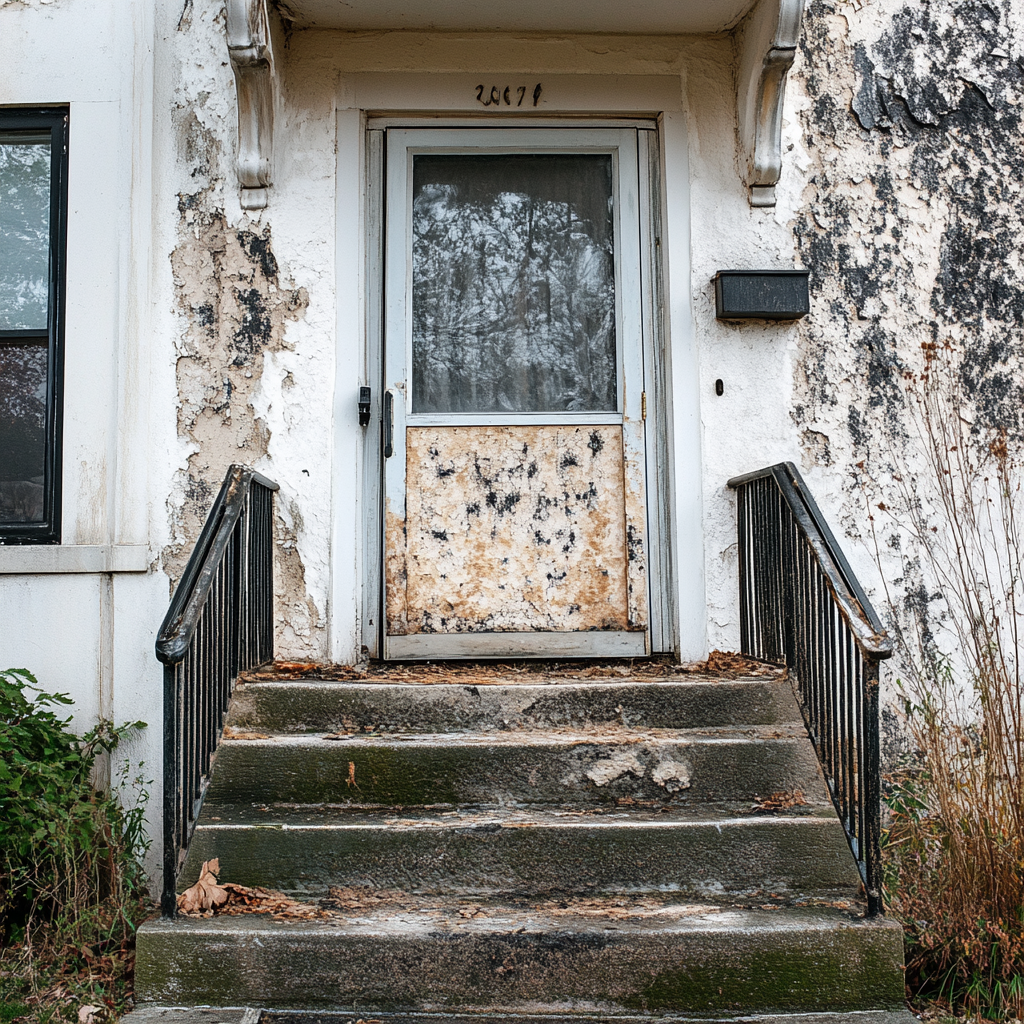
Does homeowners insurance cover mold? It depends entirely on what caused it — and your insurer has every incentive to classify that cause in the way that excludes coverage. Here's what's actually covered, the mold sub-limit most policyholders don't know about, and the tactics insurers use to deny mold claims.

Denied Insurance Claim in Minnesota? Here's What to Do Next
Denied insurance claim in Minnesota? The denial letter isn't the final word — it's the insurer's opening position. Here's how to challenge it, the MN statutes that protect you, and when to bring in a public adjuster.

Motorcycle Insurance Claims: Why Most Riders Get Underpaid
Most motorcycle insurance claims are undervalued before the rider even knows what went wrong. Aftermarket parts get excluded, diminished value goes unclaimed, and total loss offers rely on tools that weren't built for how riders actually own their bikes. Here's what to look for — and what to do about it.