Minnesota Business Insurance Claims: What Commercial Property Owners Need to Know

By: Shoreline Public Adjusters
Updated: March 2026 · 9 min read
In This Post:
- Why Commercial Claims Are Different from Residential
- The Coverage Layers in a Commercial Property Policy
- Business Interruption: The Coverage Most Owners Get Wrong
- Minnesota's Claim Timeline for Commercial Properties
- What the Insurer's Commercial Adjuster Does (and Misses)
- A Real Minnesota Commercial Claim: Hail, a Warehouse, and a $67,000 Gap
- Common Mistakes Business Owners Make on Insurance Claims
- Frequently Asked Questions About Minnesota Business Insurance Claims
- What Shoreline Does for Minnesota Business Owners
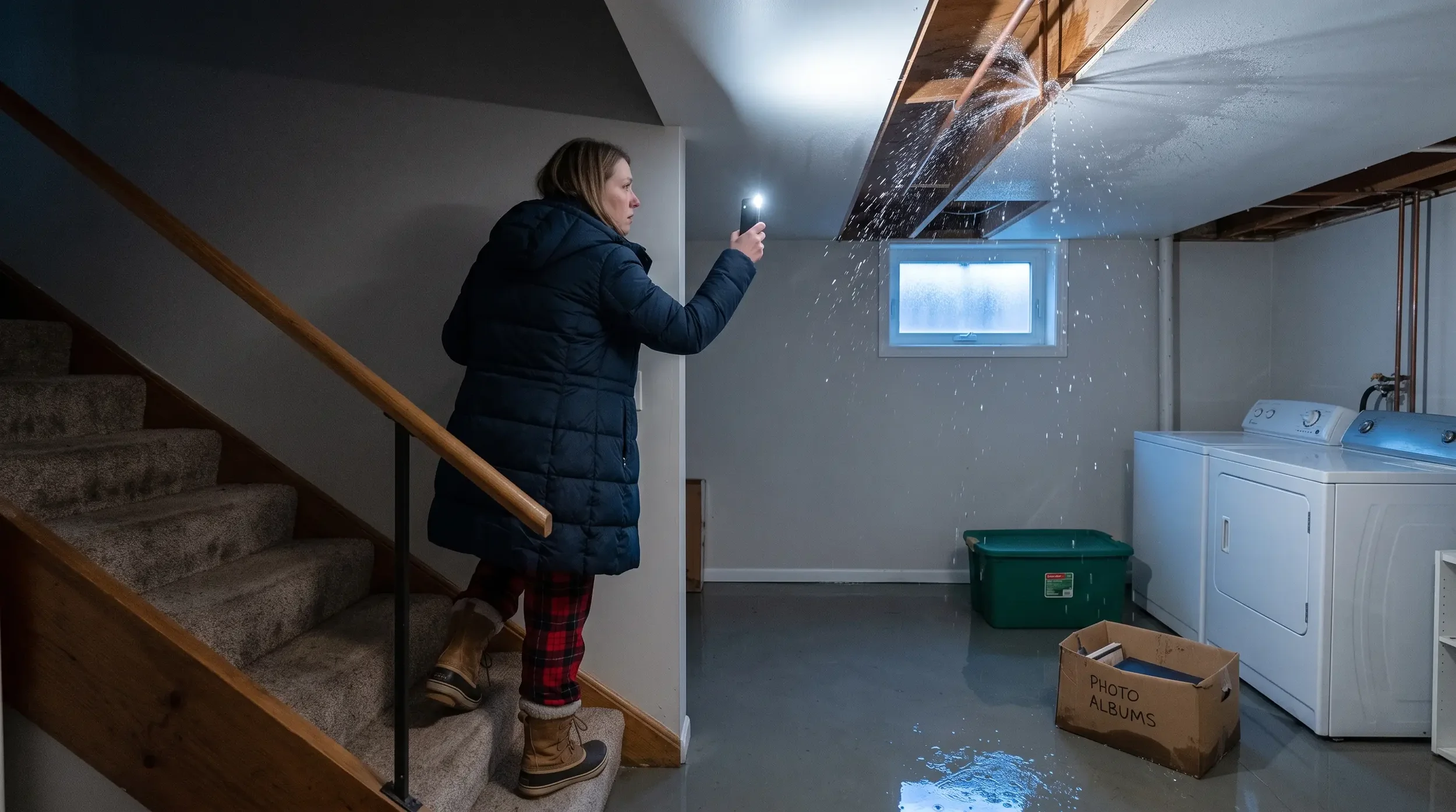
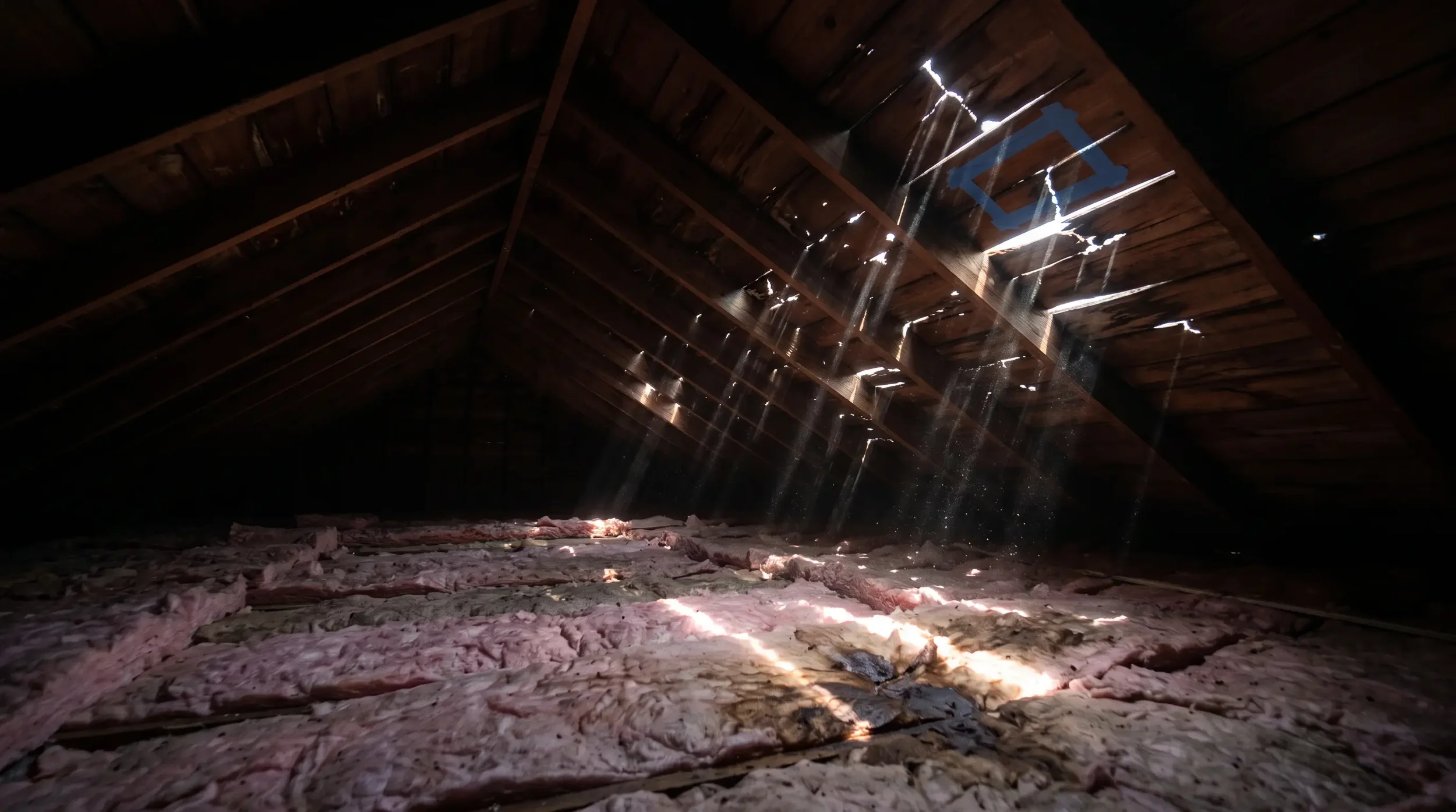
The insurer's estimate on a hail-damaged warehouse in Plymouth was $22,000 — enough to patch the roof and repaint some dented siding. The actual repair cost, once a qualified commercial roofer scoped the full damage, was $89,000. The difference wasn't cosmetic. It was 46 punctured membrane sections, compromised flashing at every roof penetration, three rooftop HVAC units with bent condenser fins, and water intrusion that had already started in two bays.
That gap — between what the insurer writes on the first visit and what the damage actually costs — is wider on commercial properties than on any other claim type. The buildings are bigger. The systems are more expensive. The policies are more complex. And the adjusters move faster.
We handle commercial insurance claims across Minnesota for warehouses, retail spaces, restaurants, office buildings, churches, HOAs, and industrial facilities. What we see in nearly every file is the same pattern: the insurer scopes fast, writes low, and bets that the business owner doesn't have the time or expertise to fight back.
Why Commercial Claims Are Different from Residential
A residential claim is usually one policy covering one building. A Minnesota business insurance claim can involve three or four coverage layers, each with its own limits, deductibles, sublimits, and conditions. Missing any one of them can cost a business owner tens of thousands.
The complexity isn't accidental. Commercial policies are written to give insurers maximum flexibility in how they apply coverage — and maximum room to argue that specific damage falls outside a specific coverage section.
Here's what makes commercial claims harder:
Building size and access. A 30,000-square-foot flat roof can't be inspected from the ground. Interior damage in a multi-bay warehouse takes hours to document properly. The insurer's adjuster, handling a dozen inspections that day, doesn't have hours.
Code compliance. When a commercial building is repaired, the work often triggers code upgrades that the insurer's estimate doesn't include. Under Minnesota law (MN § 65A.10), replacement cost must cover repairs in accordance with minimum building code — but many insurer estimates ignore this requirement.
Multiple stakeholders. If you're a tenant, the claim may involve your landlord's policy, your own business policy, and potentially a separate business interruption carrier. In multi-tenant buildings, coordination between tenants, building owners, and insurers creates delays that cost everyone money.
📋 Minnesota Law: MN § 72A.201 requires insurers to acknowledge a commercial claim within 10 business days, respond to all claim communications within 10 business days, and accept or deny the claim within 60 days of receiving the proof of loss. Violations may constitute unfair claims practices. Source: MN Revisor of Statutes
The Coverage Layers in a Commercial Property Policy
Understanding your policy structure before you file is the single most valuable thing a Minnesota business owner can do. Most commercial property policies include some or all of these layers:
Building coverage. Covers the physical structure — roof, walls, foundation, permanently installed fixtures, HVAC, electrical, plumbing. This is where most of the claim dollar value sits on a property damage claim.
Business personal property (BPP). Covers equipment, inventory, furniture, fixtures, and other contents. Important: BPP coverage is often set at actual cash value unless you specifically purchased replacement cost coverage. The depreciation hit on business equipment can be brutal.
Business interruption (BI). Replaces lost income and covers continuing operating expenses during the period your business is shut down or operating at reduced capacity due to covered property damage. This is the coverage layer that gets fought hardest — and undervalued most often.
Extra expense. Covers additional costs you incur to keep operating during the repair period — temporary relocation, equipment rental, overtime labor, expedited shipping. This is separate from BI and has its own sublimit.
Equipment breakdown. Covers mechanical and electrical equipment failures — boilers, compressors, motors, electrical panels. Often excluded from the base property policy and purchased as an endorsement.
⚠️ What Insurers Won't Tell You: Many commercial policies have coverage sublimits buried in the endorsements — a $25,000 cap on ordinance or law coverage, a $10,000 limit on debris removal, a $5,000 limit on pollutant cleanup. These sublimits are often insufficient for real-world commercial losses, and the insurer's estimate will max them out before your actual costs are covered.
If you don't know your sublimits before a loss, you'll find out when the insurer cites them to cap your payout. A free policy review before disaster strikes is one of the highest-value things a business owner can do.
Business Interruption: The Coverage Most Owners Get Wrong
Business interruption claims are where the biggest money gets left on the table in Minnesota business insurance claims. Most business owners think BI covers "lost revenue." It actually covers lost net income plus continuing expenses — and the calculation is more complex than most policyholders realize.
What BI covers: The income your business would have earned during the restoration period, minus expenses that don't continue (like variable costs that stop when operations stop), plus fixed expenses that continue regardless (rent, loan payments, insurance premiums, key employee salaries).
The restoration period. BI coverage runs from the date of loss until the date the property should reasonably be restored to pre-loss condition. "Should reasonably be restored" is the key phrase — insurers will argue for the shortest possible restoration period, while actual repairs almost always take longer.
The waiting period. Most BI policies include a waiting period — typically 72 hours — before coverage kicks in. The first three days of lost income are on you.
The biggest BI dispute: Insurers routinely underestimate the restoration period. A commercial roof replacement in Minnesota during winter doesn't happen in two weeks. A restaurant fire requiring code-compliant reconstruction doesn't resolve in 60 days. The insurer's "reasonable" restoration period often bears no resemblance to reality — and the gap is pure lost income the business owner absorbs.
In our experience, BI is the single most undervalued line item on commercial claims. The property damage estimate may be short by 20–30%. The BI calculation is often short by 50% or more.
Minnesota's Claim Timeline for Commercial Properties
Minnesota regulates commercial claim timelines under MN § 72A.201. Here's what your insurer is required to do — and when:
10 business days: Acknowledge receipt of the claim and provide forms and instructions for filing the proof of loss.
10 business days: Respond to all communications related to the claim. Every email, every phone call, every document you submit — the insurer has 10 business days to respond.
30 business days: Complete the investigation or notify you in writing that they need more time and provide an expected completion date.
60 days after proof of loss: Accept or deny the claim. This is the hard deadline. If the insurer blows past it without a response, document everything — it strengthens your position.
30 days after proof of loss: Elect whether to rebuild, repair, or replace. The insurer can't sit on this decision indefinitely.
⏱️ Claim Deadline: Under MN § 541.05, the statute of limitations for a written contract (which includes insurance policies) is six years. But your policy may contain a shorter "suit against us" provision — often 12 or 24 months from the date of loss. Check your policy. Missing this deadline eliminates your right to sue.
The bad faith angle. If the insurer's conduct rises to the level of bad faith — denying or underpaying without a reasonable basis — Minnesota's bad faith statute (MN § 604.18) allows recovery of excess proceeds (capped at $250,000) and attorney fees (capped at $100,000). The standard requires proving the insurer knew or recklessly disregarded that they lacked a reasonable basis for their position.
What the Insurer's Commercial Adjuster Does (and Misses)
When a commercial property claim is filed in Minnesota, the insurer typically deploys an independent adjuster — a contractor paid by the insurer to inspect, scope, and estimate the damage. On large losses, they may send a team. On smaller commercial claims, you get one adjuster with a tablet and four hours.
Here's what we consistently see missed on the first inspection:
Roof membrane damage below the surface. Hail impacts on flat commercial roofs compress the insulation layer and crack the membrane at stress points that aren't visible on a walk-over inspection. You need core cuts to verify the damage.
Interior damage from delayed water intrusion. A compromised commercial roof doesn't leak immediately. Water migrates through insulation layers for days or weeks before it shows up inside. The insurer's first-visit scope never includes this because it hasn't manifested yet.
HVAC damage. Commercial rooftop units are expensive — $5,000 to $25,000 per unit — and hail routinely damages condenser coils, fan blades, and cabinet panels. Many insurer estimates note only "minor denting" on units that need full condenser coil replacement.
Code-required upgrades. Minnesota's building code requires repairs to meet current code, not the code the building was originally built under. For older commercial buildings, this can add 15–30% to the repair cost. Insurer estimates routinely exclude it.
Business personal property. The insurer inventories what's visible. Equipment in back rooms, storage areas, server closets, and mechanical rooms often gets missed entirely.
Is your commercial claim coming up short? A free consultation with Shoreline takes 15 minutes and costs you nothing. We handle commercial claims across Minnesota — from the Twin Cities to Duluth. Contact Us
A Real Minnesota Commercial Claim: Hail, a Warehouse, and a $67,000 Gap
A distribution company in Brooklyn Park filed a claim after a June 2024 hail event. The insurer's adjuster inspected the 40,000-square-foot warehouse and adjacent office space within two weeks and delivered an estimate of $31,400 — primarily covering partial roof membrane patching, some downspout replacement, and cosmetic siding repair.
The building owner thought the number was low but didn't have the expertise to counter it. The roof was a 15-year-old modified bitumen system, and the hail had been measured at 1.75 inches in the area.
Shoreline Public Adjusters performed a full inspection including thermal imaging and multiple core cuts. The results: 78% of the roof membrane showed impact fractures below the surface, three of four rooftop HVAC units had damaged condenser coils requiring replacement, and the office interior had early-stage water intrusion in the northeast corner that the insurer's adjuster hadn't documented.
We also identified two coverage gaps the insurer's estimate ignored. Ordinance or law coverage applied because the roof system couldn't be patched to code — full replacement triggered code-required insulation upgrades. And the company had lost two days of shipping operations during the inspection and temporary tarping period, triggering the business interruption provision.
Our documented estimate: $98,200 (property damage plus code upgrades plus BI). After negotiation, the insurer settled at $94,100 — more than triple their original offer. The BI component alone was $11,400 that the business owner never would have claimed without knowing it existed.
Common Mistakes Business Owners Make on Insurance Claims
1. Not reading the policy before a loss occurs Most business owners haven't reviewed their commercial policy since they bought it. Know your coverage limits, sublimits, deductibles, and exclusions before you need them. A policy review takes 30 minutes and can save you tens of thousands.
2. Treating the insurer's estimate as the final number It's the starting point. On commercial properties, the gap between the insurer's first estimate and the actual repair cost averages 40–70% in our experience. Always get an independent scope.
3. Forgetting to claim business interruption If covered property damage forced you to close, reduce operations, or relocate temporarily, you likely have a BI claim. The insurer won't prompt you to file it.
4. Letting the contractor handle the claim Contractors repair buildings. They don't negotiate insurance claims. A Minnesota public adjuster reads the policy, builds the estimate, and negotiates on your behalf — a fundamentally different service.
5. Missing the proof of loss deadline The insurer will send you a proof of loss form. You have 60 days to complete and return it under most Minnesota policies. It's a sworn statement — and it locks in the scope of your claim. Get help before you sign it.
Frequently Asked Questions About Minnesota Business Insurance Claims
How long does a commercial insurance claim take in Minnesota?
Most commercial claims take 60–120 days from filing to settlement. Under MN § 72A.201, the insurer must accept or deny within 60 days of receiving your proof of loss. Complex claims with BI components, code upgrades, or coverage disputes can take six months or longer.
Does business interruption insurance cover my lost income?
BI coverage replaces lost net income plus continuing fixed expenses during the restoration period — the time it takes to repair or replace the damaged property. It does not cover the waiting period (typically 72 hours) or expenses that stop when operations stop.
What is the statute of limitations for a commercial insurance claim in Minnesota?
Under MN § 541.05, the general statute of limitations for written contracts is six years. However, your policy may contain a shorter "suit against us" provision — often 12 or 24 months.
Check the conditions section of your policy. Missing this deadline eliminates your right to litigate.
Can my insurer deny my claim because of building code issues?
The insurer cannot deny a claim because your building doesn't meet current code — that's a repair cost issue, not a coverage issue. Under MN § 65A.10, replacement cost coverage must pay for repairs in accordance with minimum building code requirements.
Should I file a complaint with the Minnesota Department of Commerce?
If your insurer has missed statutory deadlines, refused to communicate, or denied your claim without a clear basis, a complaint with the Minnesota Department of Commerce creates a regulatory record. It won't settle your claim directly, but it puts pressure on the carrier and documents their conduct if the dispute escalates.
When should a business owner hire a public adjuster?
If the gap between the insurer's estimate and your contractor's estimate exceeds $10,000 — or if your claim involves business interruption, code upgrades, or multi-tenant coordination — a public adjuster typically recovers several times their fee. We handle the documentation, negotiation, and supplements so you can focus on running your business.
What Shoreline Does for Minnesota Business Owners
Commercial claims require a different skill set than residential work. The policies are more complex, the dollar amounts are higher, and the coverage disputes are more technical.
At Shoreline Public Adjusters, we've handled commercial property claims across Minnesota — from distribution warehouses in the Twin Cities suburbs to retail storefronts in Duluth to church properties in Rochester. Our process starts with a policy analysis that identifies every applicable coverage layer, followed by a forensic inspection that documents damage the insurer's adjuster didn't catch.
We build the estimate, prepare the proof of loss, and negotiate directly with the carrier. If the insurer undervalues business interruption, we calculate and document it.
If code upgrades apply, we include them. If the claim needs to escalate to appraisal, we manage that process.
We work on contingency — no fee unless we recover additional money. Deadlines in Minnesota are strict, and insurers move fast on commercial files. Contact Us for a free claim review before your options narrow.
You may also find these helpful:
- Commercial Claim Support
- Minnesota Public Adjuster Services
- How Long Does an Insurance Company Have to Settle a Claim in MN?
Shoreline Public Adjusters, LLC is licensed in Florida (FL G199012), Minnesota (MN 40962416), and Wisconsin (WI 21156868).