What Do Public Adjusters Do? Everything You Need to Know Before Hiring One

By: Shoreline Public Adjusters
Updated: March 2026 · 12 min read
In This Post:
- What a Public Adjuster Actually Does
- The Three Types of Insurance Adjusters
- The Public Adjuster Process: Step by Step
- What Public Adjusters Find That Insurance Adjusters Miss
- How Much Do Public Adjusters Cost?
- When You Should Hire a Public Adjuster
- When You Don't Need a Public Adjuster
- Real Outcome: From $7,200 to $42,800 on a Hail Claim
- Common Mistakes Policyholders Make Before Calling a PA
- Frequently Asked Questions About Public Adjusters
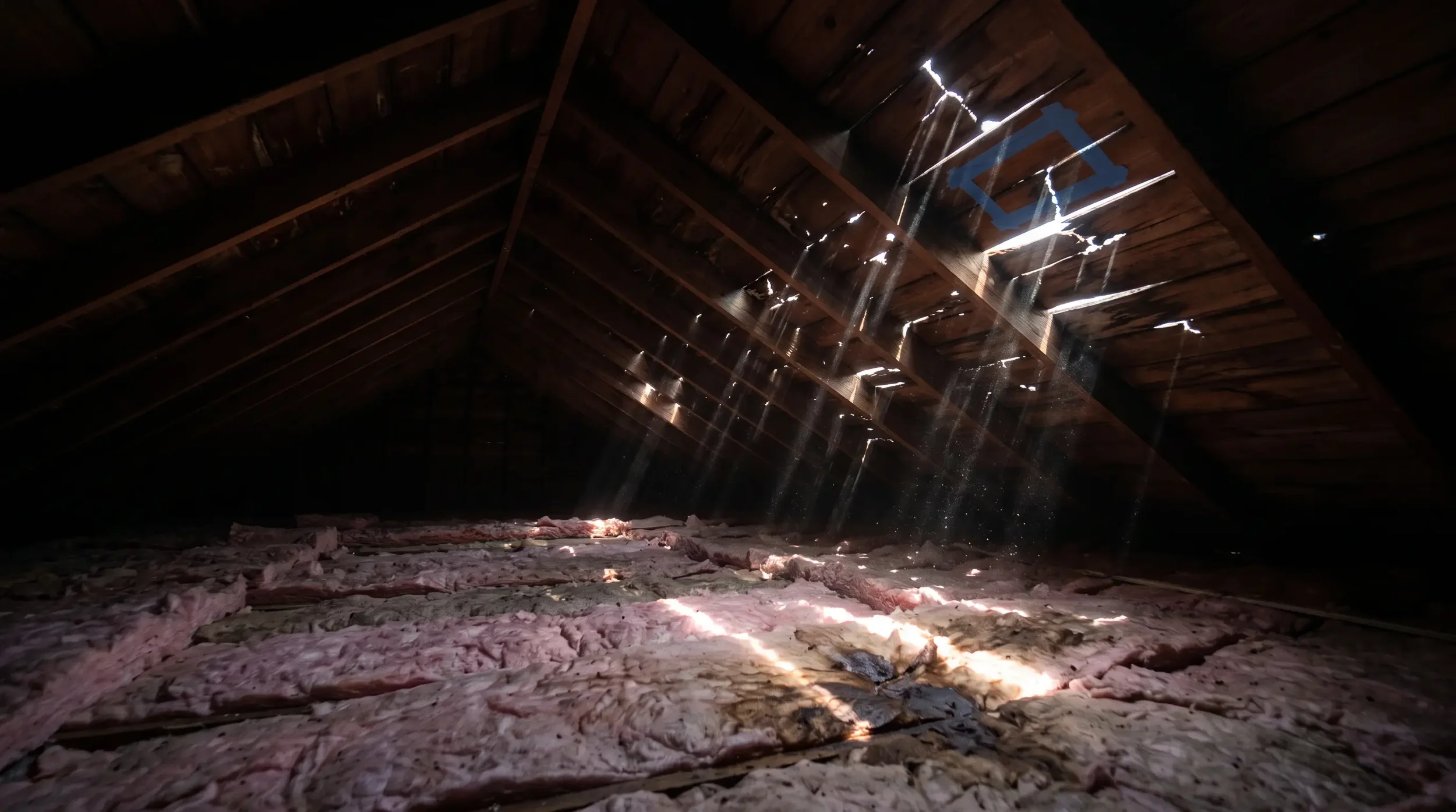
The insurer's adjuster estimated the hail damage at $7,200 — enough to replace a few shingles and call it done. When we inspected the same property, we found hail impacts on all four roof elevations, 22 damaged soffit panels, dented gutter runs on three sides, granule loss exposing the asphalt mat across 60% of the shingle field, and two cracked skylights the insurer's adjuster never checked. The final settlement was $42,800.
The homeowner didn't have hidden damage. He had damage that was always visible — to anyone who knew where to look and what to document.
That's what a public adjuster does. Not magic. Not legal threats. Just a licensed professional who works for you instead of the insurance company, and who knows exactly what to look for because they've spent years inside the same systems insurers use to minimize what they pay.
What Makes a Public Adjuster Different
I spent over a decade in enterprise risk management, advising Fortune 100 organizations on the information systems that drive claim outcomes. I watched how large organizations build processes designed to control payout. The same logic that runs a corporate risk program runs your homeowner's claim — except you don't have a risk department protecting your interests.
A public adjuster is that department. We're licensed by the state, we work exclusively for policyholders, and we don't collect a fee unless you collect a settlement. Every claim we open gets the same treatment: full policy review, independent damage inspection, Xactimate estimate, and line-by-line negotiation against the insurer's number.
What a Public Adjuster Actually Does
A public adjuster is a state-licensed insurance professional who represents policyholders — not insurance companies — in first-party property damage claims. The PA handles every stage of the claims process: documenting damage, reviewing the policy, preparing the claim, and negotiating the settlement.
Here's what that looks like in practice:
Policy analysis. Before anything else, we read the full policy — not just the declarations page. We identify coverage limits, deductibles, endorsements, exclusions, and coverage extensions the policyholder may not know exist. Ordinance or law coverage, loss of use, debris removal, and contents coverage are consistently overlooked by homeowners who only read the summary page.
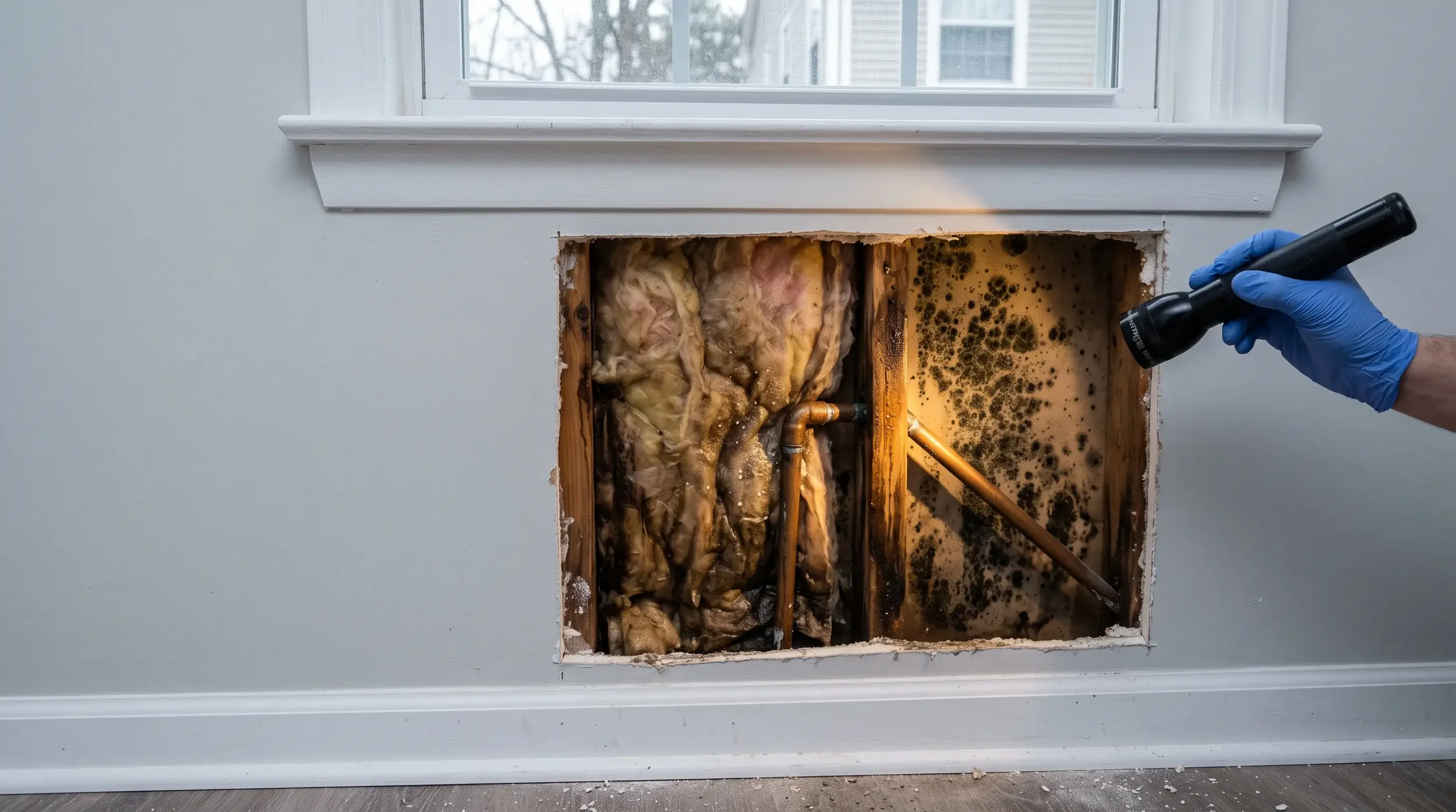
Damage documentation. We inspect the property — every elevation, every room, every system. We photograph and measure every damaged component. We check areas the insurer's adjuster is likely to skip: attic spaces, crawl spaces, HVAC systems, window seals, interior walls behind the obvious damage, and secondary damage like moisture intrusion that hasn't surfaced yet.
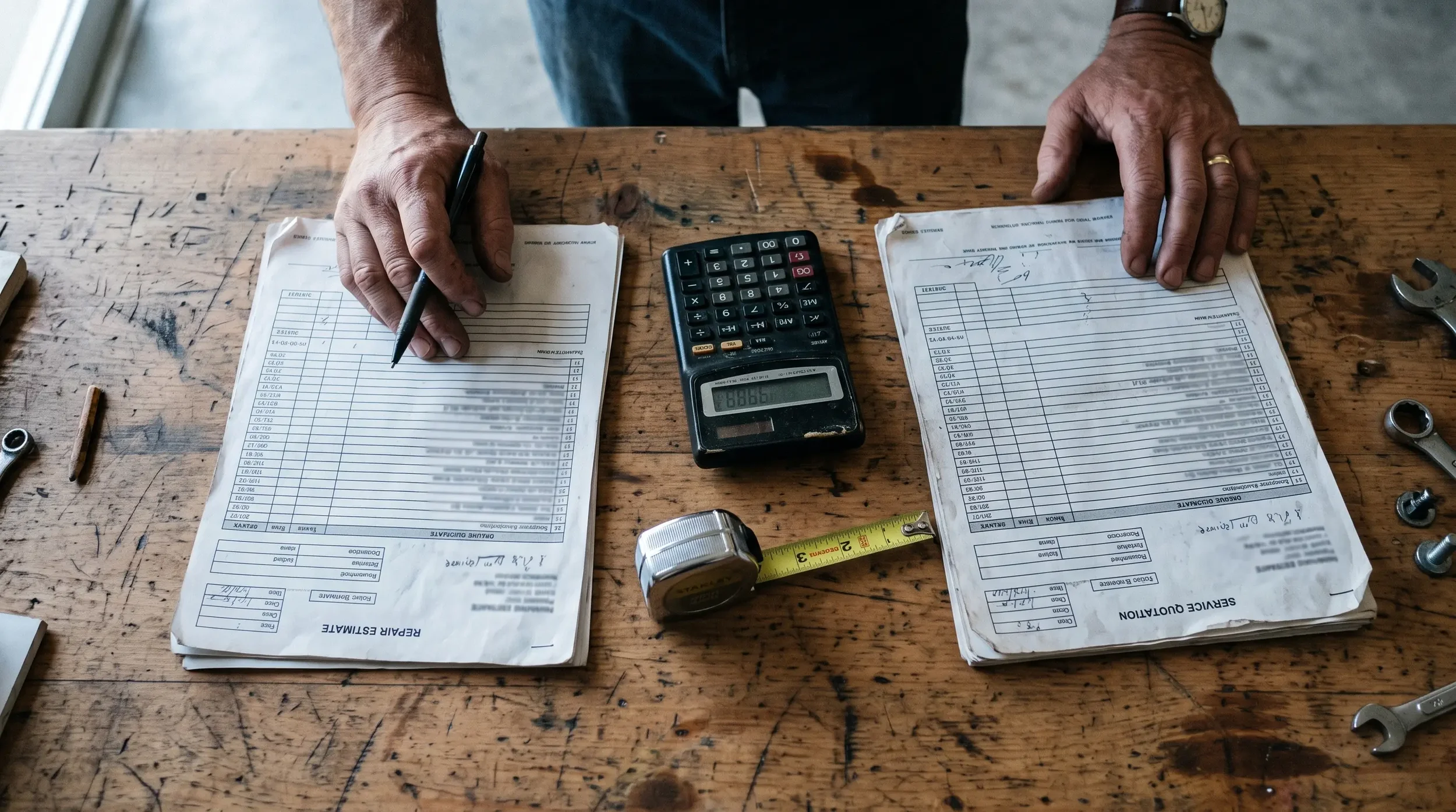
Xactimate estimate. We build a complete, line-by-line repair estimate using Xactimate — the same software insurance companies use. Our estimate reflects actual local material and labor costs, code-compliant specifications, and every damaged component we documented. This becomes the basis for negotiation.
Claim preparation and filing. We prepare and submit the proof of loss, supporting documentation, and any supplemental claims. We handle all communication with the insurer so the policyholder doesn't have to interpret jargon, respond to requests for recorded statements without preparation, or miss statutory deadlines.
Negotiation. We go line by line against the insurer's estimate, challenging omitted items, underpriced materials, and excessive depreciation. We don't threaten litigation — we present documentation so thorough that the insurer's own internal review process supports a higher number.
⚠️ What Insurers Won't Tell You: The insurer's adjuster uses the same Xactimate software we do — but their estimate is built to minimize the company's payout, not to capture every damaged component on your property. The difference between a $9,000 estimate and a $38,000 estimate is often just scope — what the adjuster chose to include.
The Three Types of Insurance Adjusters
This is where most policyholders get confused. There are three kinds of adjusters involved in property claims, and only one works for you.
| Company Adjuster | Independent Adjuster | Public Adjuster | |
|---|---|---|---|
| Works for | The insurance company | The insurance company (contracted) | You — the policyholder |
| Paid by | Insurer (salaried) | Insurer (per-claim fee) | Policyholder (% of settlement) |
| Goal | Minimize insurer's payout | Minimize insurer's payout | Maximize policyholder's recovery |
| Licensed by | Varies by state | Varies by state | State Department of Insurance |
| Who hires them | Your insurer sends them | Your insurer hires them during surges | You hire them directly |
Company adjusters are employees of the insurance company. They show up after you file a claim. They work for the insurer, and their performance is measured by how efficiently they close files — not by how much they pay you.
Independent adjusters are contractors the insurer hires during high-volume periods (hurricane season, major hailstorms). They're paid per file by the insurance company. Despite the word "independent," they represent the insurer's interests, not yours.
Public adjusters are licensed by your state's Department of Insurance and hired directly by you. We have a fiduciary duty to the policyholder. We don't get paid unless you get paid, and our fee comes out of the settlement — not out of your pocket upfront.
📊 By the Numbers: A study by the Florida Legislature's Office of Program Policy Analysis and Government Accountability (OPPAGA) found that policyholders who hired public adjusters received settlements averaging 747% higher than those who handled claims themselves. Source: OPPAGA / Florida Legislature
The Public Adjuster Process: Step by Step
When you hire a public adjuster, here's exactly what happens — and how it compares to handling the claim yourself.
Step 1: Free consultation and claim review. We evaluate whether your claim has merit and whether a PA's involvement will make a material difference. Not every claim needs us. If your damage is minor and the insurer's offer is fair, we'll tell you. There's no fee for this assessment.
Step 2: Contract and assignment. If we take the case, you sign a representation agreement that spells out the fee percentage and scope of work. We file a letter of representation with your insurer, notifying them that all communication now goes through us.
Step 3: Full property inspection. We inspect every area of the property — not just the obvious damage. We document everything with photos, measurements, and notes. This inspection is where most of the value is created, because this is where we find the damage the insurer's adjuster missed or minimized.
Step 4: Policy review and coverage analysis. We read the full policy and identify every applicable coverage, limit, and deadline. We flag coverage extensions the policyholder didn't know about and exclusions the insurer may try to misapply.
Step 5: Xactimate estimate and claim submission. We build a professional estimate and submit the claim package — proof of loss, supporting documentation, photographs, and our scope of damages — to the insurer.
Step 6: Negotiation and settlement. We negotiate with the insurer's adjuster, going line by line through both estimates. We challenge omissions, underpriced items, and depreciation errors. If the insurer invokes the appraisal clause, we represent the policyholder through that process as well.
What Public Adjusters Find That Insurance Adjusters Miss
This isn't about hidden damage. It's about damage the insurer's adjuster chose not to document — either because they didn't look, didn't have time, or because excluding it saves the insurance company money.
Roof damage on all elevations. The insurer's adjuster often checks one or two roof faces — usually the ones visible from the ground. We check all four elevations, including the back of the house where wind and hail patterns may differ.
Secondary water damage. A roof leak doesn't just damage shingles. It damages decking, insulation, drywall, paint, and can create conditions for mold. The insurer's estimate may cover the roof repair but miss the interior damage chain.
HVAC system damage. Hailstorms damage condenser fins, reducing airflow and efficiency. This is a line item that insurer adjusters routinely skip because it requires a separate inspection of the mechanical system.
Code upgrade costs. When repairs trigger current building code requirements that didn't exist when the home was built, the cost difference is covered under ordinance or law coverage. Insurer adjusters don't volunteer this line item. It has to be identified and claimed.
Contents damage. Smoke, soot, and water damage to personal property inside the home is a separate line item that's routinely undercounted. Contents claims can represent 30–50% of a fire claim's total value, and insurers rely on homeowners not knowing what they're entitled to.
Depreciation errors. Insurers apply depreciation to reduce payouts on ACV (actual cash value) policies. But they sometimes depreciate items incorrectly — applying depreciation to labor, using inflated useful-life assumptions, or failing to release recoverable depreciation when repairs are completed.
How Much Do Public Adjusters Cost?
Public adjusters work on contingency — no upfront fees, no hourly rates. The PA gets paid a percentage of the settlement, and only if you collect. If the insurer pays nothing, you owe nothing.
Fee percentages vary by state:
📋 State Fee Rules:
- Florida: Capped at 20% of the settlement under Fla. Stat. § 626.854. During a declared state of emergency, the cap drops to 10% for claims filed in the first year after the declaration. Source: Florida DFS
- Minnesota: No statutory fee cap, but fees must be reasonable and are disclosed in the signed contract before work begins. Source: Minnesota Department of Commerce
- Wisconsin: No general fee cap. A 10% cap applies to claims arising from catastrophic disasters. Source: Wisconsin OCI
The math that matters: If your insurer offers $9,000 and a public adjuster recovers $38,000, the PA's 20% fee is $7,600 — and you net $30,400. Without the PA, you net $9,000. The fee pays for itself many times over on any claim with significant underpayment.
The free consultation exists precisely because not every claim justifies a PA's involvement. If the insurer's offer is fair, we'll tell you. There's no benefit to taking a percentage of a claim we didn't improve.
When You Should Hire a Public Adjuster
Not every claim needs a public adjuster. Here are the situations where PA involvement consistently makes a material difference.
Your claim was denied. A denial letter isn't the final answer — it's the insurer's first position. A PA reviews the denial reason, the policy language, and the damage documentation to determine whether the denial is valid or disputable. Many denials are reversed with proper documentation and a targeted supplement.
Your claim was underpaid. If the insurer's estimate doesn't cover actual repair costs, that's a scope problem. A PA builds an independent estimate and negotiates the difference. This is the most common reason policyholders hire us.
The damage is extensive or complex. Multi-system damage — roof, interior, HVAC, contents — requires someone who can identify and document every component. Insurer adjusters working high-volume caseloads don't always have the time or incentive to be thorough.
Your insurer is stalling. State law sets deadlines for insurer response, investigation, and payment. If your insurer is dragging out the process, a PA knows the statute, the deadline, and how to force the timeline.
You're dealing with a commercial or HOA claim. Business interruption calculations, HOA master policy analysis, and multi-building damage assessments require specialized knowledge most homeowners and board members don't have.
When You Don't Need a Public Adjuster
Transparency builds trust, so here's when you probably don't need us.
Minor damage near or below your deductible. If repair costs are close to your deductible amount, there's not enough claim value to justify a PA's involvement.
The insurer's offer is fair and covers actual repair costs. If you get three contractor bids and they align with the insurer's estimate, you likely have a fair settlement.
Cosmetic-only damage with no structural concern. A dented gutter or a scuffed panel may not warrant a claim at all, let alone a PA.
Your policy clearly excludes the damage type. If the damage is flood-related and you don't have flood insurance, a PA can't create coverage that doesn't exist.
Real Outcome: From $7,200 to $42,800 on a Minnesota Hail Claim
A homeowner in Maple Grove, Minnesota filed a hail damage claim after a June storm. The insurer's adjuster inspected the front elevation of the roof and the most visible section of siding, then issued an estimate for $7,200 — enough for a partial shingle repair and some siding touch-up.
The homeowner felt the number was low but didn't know what to challenge. He called Shoreline Public Adjusters for a free inspection.
We found hail impacts on all four roof elevations, not just the front. Twenty-two soffit panels were dented or cracked. Gutter runs on three sides showed hail denting that restricted water flow.
Granule loss across 60% of the shingle field had exposed the asphalt mat to UV degradation — meaning a full roof replacement, not a patch job. Two skylights had impact cracks the insurer's adjuster never documented because he didn't go on the roof.
We built a complete Xactimate scope, submitted the supplement with photographic documentation, and negotiated with the insurer's desk adjuster. The final settlement was $42,800 — covering full roof replacement, all soffit and gutter repairs, both skylights, and code-upgrade costs for new drip edge flashing required under current building code.
Is your claim looking like this? If your insurer's offer doesn't cover the actual cost of repairs — or your claim was denied — a free consultation with Shoreline takes 15 minutes and costs you nothing. Contact Us
Common Mistakes Policyholders Make Before Calling a PA
1. Accepting the first offer without comparison The insurer's initial estimate is their opening position, not a final number. Most policyholders don't realize they can challenge it. What to do instead: Get an independent assessment before signing anything or cashing a check.
2. Doing permanent repairs before documenting everything Once damage is repaired, the evidence is gone. The insurer can argue the damage was less severe than claimed. What to do instead: Photograph and video everything before repairs. Temporary mitigation is fine — permanent repairs should wait until the claim is documented.
3. Giving a recorded statement without preparation Insurers ask for recorded statements to lock policyholders into descriptions that minimize the claim. Saying "it's not that bad" on the record costs real money. What to do instead: Know what to say — and what not to say — before the call. Or let your PA handle communication entirely.
4. Missing statutory deadlines Every state has deadlines for reporting claims, filing proof of loss, and responding to insurer requests. Missing them weakens or kills the claim. What to do instead: Know your state's deadlines or hire a PA who does.
5. Hiring a contractor instead of an adjuster Contractors estimate repair costs. Public adjusters estimate claim value — which includes policy analysis, depreciation recovery, code upgrades, contents, and loss of use. These are different jobs. What to do instead: Get contractor bids for repairs AND a PA's assessment for the claim. They complement each other.
Frequently Asked Questions About Public Adjusters
What do public adjusters do that I can't do myself?
Public adjusters bring three things most policyholders don't have: knowledge of policy language and coverage extensions, experience with Xactimate estimating software, and familiarity with insurer tactics and state claim regulations. You can file your own claim — but without these tools, you're negotiating without knowing what the insurer owes you.
Are public adjusters worth the fee?
For claims with significant underpayment, yes. The OPPAGA study found PA-represented policyholders received settlements averaging 747% higher than self-represented claimants on hurricane claims. Even after the PA's fee, net recovery is substantially higher.
For minor claims near your deductible, a PA may not add enough value to justify the percentage.
How do public adjusters get paid?
On contingency — a percentage of the settlement, paid only if you collect. In Florida, fees are capped at 20% (10% during declared emergencies). Minnesota and Wisconsin don't set caps but require written disclosure before work begins.
If your claim is denied and the PA can't reverse it, you owe nothing. For the full breakdown, see our guide to public adjuster fees.
Can I hire a public adjuster after I've already filed my claim?
Yes. You can hire a PA at any point during the claims process — after filing, after receiving an estimate, after a denial, or even after accepting a partial payment. It's rarely too late to bring in a PA, though earlier involvement generally produces better outcomes because evidence is fresher.
What's the difference between a public adjuster and a lawyer?
A public adjuster negotiates your claim directly with the insurer to reach a fair settlement without litigation. An attorney files lawsuits and litigates in court. PAs handle the vast majority of underpaid and denied claims without legal action.
If litigation becomes necessary, the PA's documentation becomes the foundation of the legal case. See our comparison of PAs vs. property damage attorneys.
Do public adjusters work on all types of property damage?
Yes — public adjusters handle claims for hail, wind, hurricane, fire, smoke, water damage, mold, vandalism, theft, and more. They work on residential, commercial, and HOA/condo claims. The specific damage types vary by PA — at Shoreline Public Adjusters, we handle all first-party property damage claims across Florida, Minnesota, and Wisconsin.
If you're reading this because your claim isn't going the way you expected, you're not stuck with the insurer's number. We work exclusively for policyholders across Florida, Minnesota, and Wisconsin, and we don't collect a fee unless you do. But insurance claims have deadlines — in Florida, generally 3 years from the date of loss; in Minnesota, 6 years for written contracts under Minn. Stat. § 541.05 — and waiting only benefits the insurer. Contact Us
You may also find these helpful:
- When Should You Hire a Public Adjuster?
- How Do Public Adjusters Get Paid?
- Public Adjuster vs. Insurance Company Adjuster
Shoreline Public Adjusters, LLC is licensed in Florida (FL G199012), Minnesota (MN 40962416), and Wisconsin (WI 21156868).
Shoreline Public Adjusters, LLC
780 Fifth Avenue South
Suite #200
Naples, FL 34102
Email: hello@teamshoreline.com
Phone: 954-546-1899
Fax: 239-778-9889