Pensacola Insurance Claim Denied? A Local Guide to Fighting Back

By: Shoreline Public Adjusters
Updated: March 2026 · 8 min read
In This Post:
- Why Pensacola Claims Get Denied More Often
- The Most Common Denial Reasons in the FL Panhandle
- What to Do Immediately After a Pensacola Claim Denial
- How a Public Adjuster Overturns Pensacola Denials
- Real Outcome: Pensacola Homeowner After Hurricane Sally Denial
- Common Mistakes Pensacola Homeowners Make After a Denial
- Frequently Asked Questions About Denied Claims in Pensacola
The insurer's letter arrived six weeks after Hurricane Sally. "Flood damage — not covered under your homeowner policy." The homeowner in East Pensacola Heights had water damage throughout her first floor. What the insurer's adjuster didn't document was the roof breach on the south side where wind had torn off a section of ridge cap, creating a direct entry point for rain.
The damage wasn't flood. It was wind-driven rain through a compromised building envelope. The insurer classified it as flood because that classification moved the entire claim off their homeowner policy.
Shoreline Public Adjusters documented the ridge cap failure, mapped the rain intrusion path from the roof breach into the first-floor walls, and submitted an appeal with NWS wind data and a complete Xactimate scope.
Initial offer: $0. Final settlement: $52,800.
Why Pensacola Claims Get Denied More Often
I spent over a decade in enterprise risk management before becoming a licensed public adjuster in Florida. What I see in the Panhandle is a denial landscape shaped by three factors that don't exist at the same intensity anywhere else in the state.
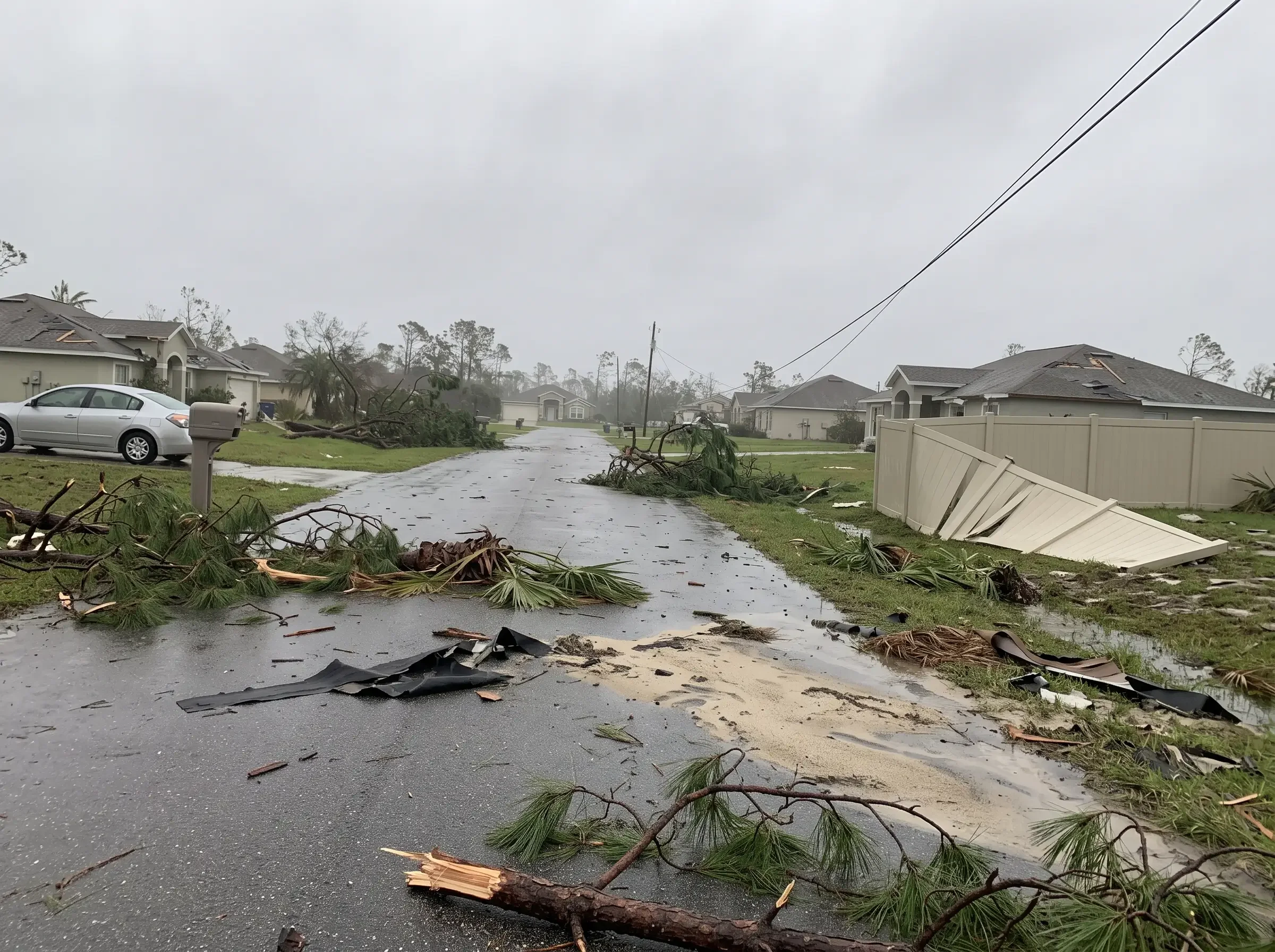
Hurricane frequency. Pensacola sits in the most hurricane-exposed corridor on the Gulf Coast. Hurricane Ivan (2004), Dennis (2005), Sally (2020), and the annual tropical storm season create a claims volume that drives insurers toward aggressive denial and underpayment. When a carrier faces thousands of claims from a single event, the internal pressure to reduce payouts is enormous.
Aging housing stock. Much of Pensacola's residential construction dates to the 1970s–1990s. Older roofs, original plumbing, and pre-2002 building code construction give insurers easy ammunition for "wear and tear" and "pre-existing damage" denials. The insurer photographs aged components and attributes storm damage to the property's age — even when the storm damage has a completely different pattern and cause.
Insurer withdrawal from the Panhandle market. Several major carriers have pulled out of or reduced exposure in Northwest Florida since 2020. The carriers that remain charge higher premiums with higher deductibles and more restrictive exclusions. Percentage-based hurricane deductibles of 2–5% mean a homeowner with a $300,000 dwelling policy pays the first $6,000–$15,000 out of pocket — and the insurer's estimate often comes in just below or just above that deductible threshold.
The Most Common Denial Reasons in the FL Panhandle
Wind vs. water misclassification. The most valuable denial tactic in hurricane country. The insurer classifies wind-driven rain damage as "flood" or "water intrusion," moving the loss from the homeowner policy (which covers wind) to a flood policy the homeowner may not carry. If the wind breached the building envelope first — a roof section, a soffit, a window seal — the resulting water damage is a wind claim, not a flood claim.
"Pre-existing damage" on older roofs. Pensacola's older housing stock makes this denial easy for insurers. The adjuster photographs aging shingles, notes prior granule loss, and concludes the storm didn't cause the damage. But a 20-year-old roof that sustains hail or wind damage is still covered. Age alone doesn't disqualify a claim.
"Cosmetic damage only." After tropical storms and hurricanes, insurers classify roof impacts as cosmetic when they don't cause immediate leaking. Impact damage that fractures the granule bond layer or bruises the shingle mat is functional damage — it shortens the roof's remaining service life and compromises weather protection.
Percentage-based deductible exhaustion. The insurer doesn't deny the claim — they write an estimate that falls at or just below the hurricane deductible. On a 3% deductible with a $250,000 dwelling limit, the deductible is $7,500. If the insurer's estimate is $8,200, you receive $700. The actual damage may be $35,000, but you'll never see that without an independent estimate.
⚠️ What Insurers Won't Tell You: In Pensacola, the wind-versus-water classification on hurricane claims is the single highest-value decision in the entire claim. If the insurer classifies your interior damage as flood, your homeowner policy pays nothing — even if wind created the entry point. Challenging this classification with roof breach documentation and rain intrusion mapping is the most effective appeal strategy in the Panhandle.
What to Do Immediately After a Pensacola Claim Denial
The steps are the same whether your claim was denied outright or paid at a fraction of the actual damage. We cover the full process in our step-by-step guide to fighting a denied insurance claim. Here's the Pensacola-specific version.
Read the denial letter. Identify the specific policy provision cited. In the Panhandle, it's almost always wind-vs-water, wear and tear, or pre-existing damage. That provision is the target of your appeal.
Request the full claim file. You're entitled to the adjuster's report, photos, Xactimate estimate, and any engineering reports. Under Florida's unfair claims practices statute, the insurer must provide this documentation. Compare the adjuster's photos to the damage you see — on Pensacola hurricane claims, the most common finding is that the adjuster didn't access the roof or documented only the street-facing elevation.
Get an independent inspection. For hurricane damage, this means a full roof inspection from all slopes, documentation of any building envelope breach, and moisture mapping inside the structure to trace the water intrusion path. For water damage from plumbing failures, it means a plumber's assessment of the failure mechanism (sudden vs. gradual).
File a written appeal within 30 days. Send it via certified mail with your independent documentation and a point-by-point response to the denial findings. Include NWS weather data for the storm event — wind speed, direction, and duration — to establish causation.
📋 Florida Law: Under Fla. Stat. § 627.70131, insurers must pay or deny a claim within 90 days of filing (60 days for non-hurricane claims). If your insurer is delaying beyond these deadlines, the delay itself may constitute a violation. The Florida Department of Financial Services accepts complaints at MyFloridaCFO.com. Source: Florida Legislature
How a Public Adjuster Overturns Pensacola Denials
A public adjuster works for you — not the insurer. On Pensacola claims, the PA's value is highest on hurricane denials where the wind-vs-water classification is wrong and on underpayment claims where the insurer's estimate comes in at or near the deductible.
What a PA does on a Pensacola hurricane denial:
Inspects the full roof and building envelope to identify the point of entry. Documents the breach with photos, measurements, and drone imagery.
Moisture-maps the interior to trace the intrusion path from entry point through the structure. Builds a line-by-line Xactimate estimate that reflects the complete scope and files the appeal with documentation the insurer's claims examiner recognizes.
The recovery differential on Pensacola claims:
On hurricane claims where the insurer's initial estimate falls near the deductible, the actual damage is almost always 3–5x the insurer's number. The PA's independent Xactimate scope captures what the insurer's adjuster missed: hidden moisture behind walls, subfloor damage, mold remediation in wall cavities, code upgrade costs for current Florida building code, and HVAC contamination from water infiltration.
Shoreline Public Adjusters serves Pensacola and the entire Florida Panhandle. We don't collect a fee unless we recover money on your claim.
Real Outcome: Pensacola Homeowner After Hurricane Sally Denial
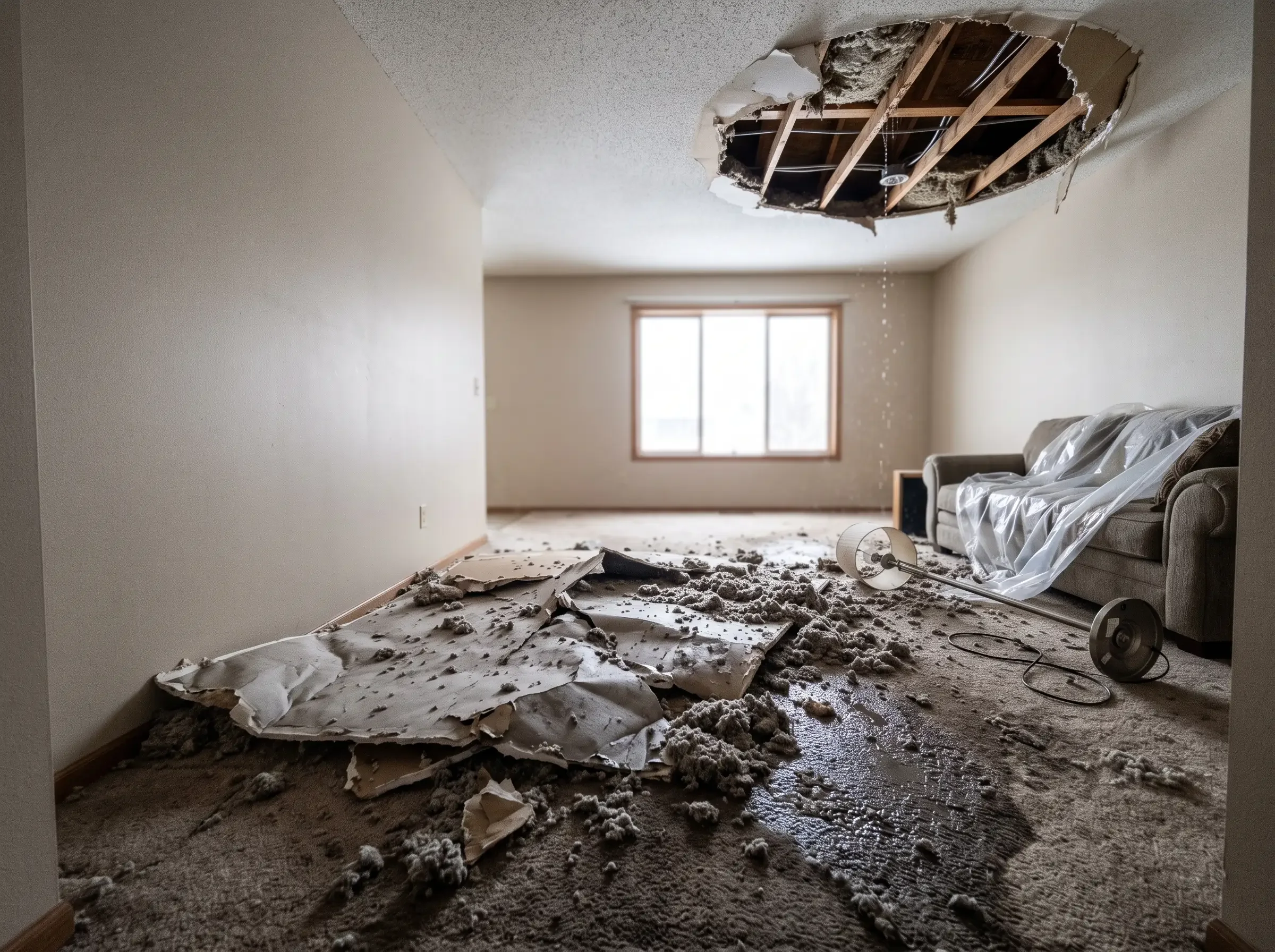
A homeowner in East Pensacola Heights had their Hurricane Sally claim denied for "flood damage." The insurer's adjuster documented first-floor water damage — saturated flooring, wet drywall, damaged baseboards — and classified the cause as rising water from the storm surge event.
The homeowner didn't carry flood insurance. The denial meant $0 recovery on a claim that would cost over $50,000 to repair.
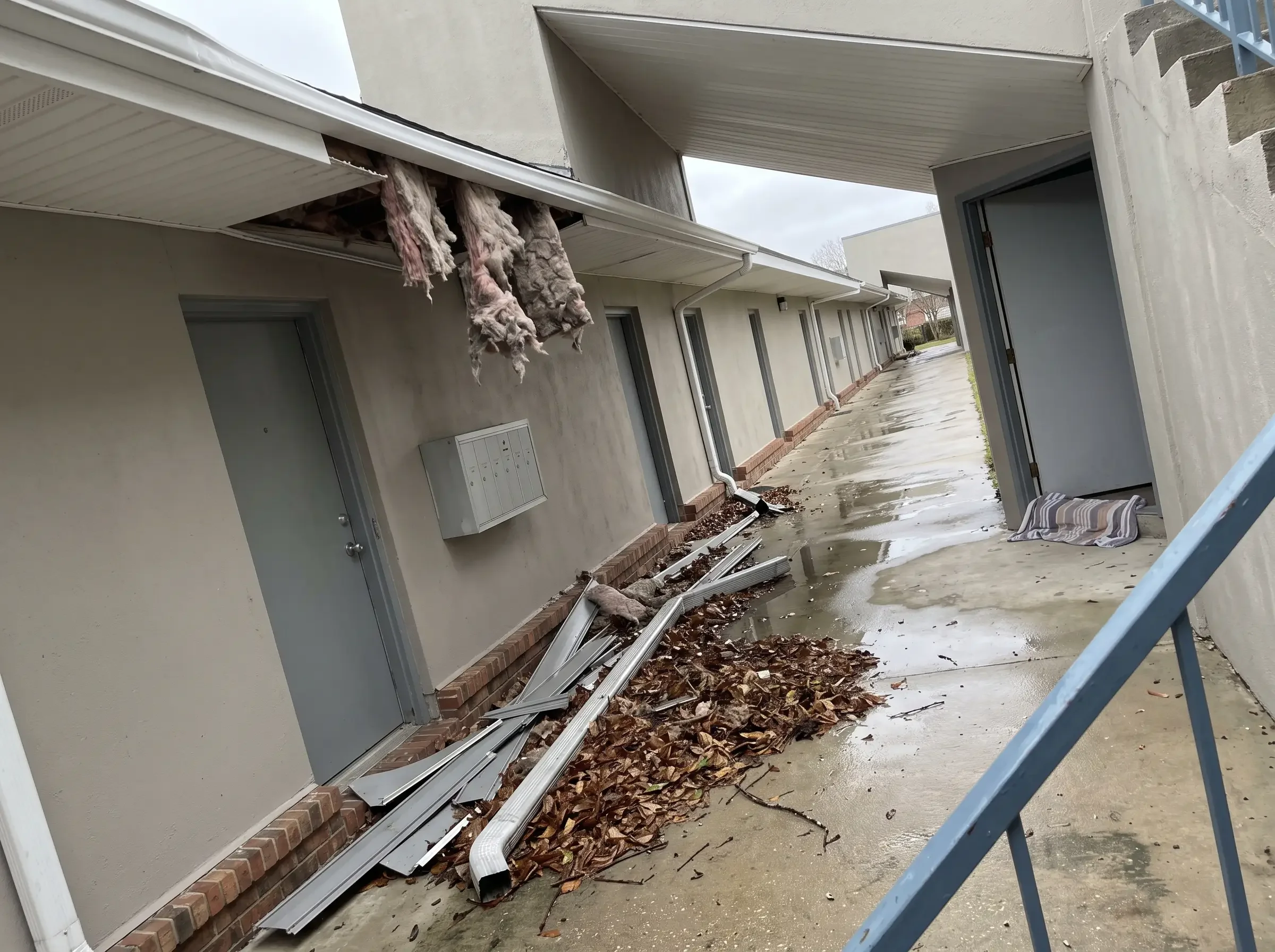
We inspected the property and found a 4-foot section of ridge cap missing on the south-facing roof slope. Wind had torn the ridge cap loose, exposing the ridge vent and creating a direct path for rain into the attic space. Moisture mapping showed the intrusion path: water entered through the ridge, saturated the attic insulation, penetrated the ceiling below, and ran down the interior walls to the first floor.
The moisture pattern was vertical — top to bottom — consistent with rain intrusion from above. Flood damage creates a horizontal waterline pattern from the ground up. The two patterns are incompatible, and we documented both in our appeal with annotated photos.
We also pulled NWS data showing sustained winds of 82 mph from the south-southwest during Sally's landfall — directly aligned with the ridge cap failure on the south slope.
The insurer reclassified the claim from flood to wind-driven rain after reviewing our documentation. Final settlement: $52,800. The homeowner went from $0 to full coverage of the interior restoration, including fire and smoke damage to the electrical panel from water intrusion into the breaker box.
If your Pensacola insurance claim was denied — or the payout barely covers your hurricane deductible, a free consultation takes 15 minutes. We inspect the property, review the denial letter, and tell you whether we can overturn it. No fee unless we recover. Contact Us
Common Mistakes Pensacola Homeowners Make After a Denial
1. Accepting the wind-vs-water classification without challenge If your insurer classified interior water damage as "flood" after a hurricane, check whether wind breached the building envelope first. A roof failure, soffit breach, or window seal compromise means the water entry was caused by wind — making it a homeowner policy claim, not a flood claim. What to do instead: Get an independent roof and envelope inspection before accepting the classification.
2. Not filing both homeowner and flood claims simultaneously If you have flood insurance and the damage has both wind and water components, file both claims. Let each insurer cover their portion. Filing only one leaves recoverable money on the table. What to do instead: File both claims on the same day. A public adjuster can manage both simultaneously.
3. Accepting an estimate at or just below the hurricane deductible Percentage-based hurricane deductibles are the insurer's best tool for minimizing payouts. If the estimate lands near your deductible, the actual damage is almost certainly higher. The insurer's adjuster scoped the visible damage — not the hidden damage behind walls and under flooring. What to do instead: Get an independent estimate. On hurricane claims, the actual scope is typically 3–5x the insurer's initial number.
4. Waiting months to act on a denial In Florida, the statute of limitations on property claims is generally three years from the date of loss. But evidence degrades, damage worsens, and policy deadlines for appraisal may be shorter. The sooner you appeal, the stronger your evidence. What to do instead: File your appeal within 30 days of the denial.
Frequently Asked Questions About Denied Claims in Pensacola
Why was my Pensacola hurricane claim denied?
The most common denial reasons in the Panhandle are wind-vs-water misclassification (insurer calls it "flood"), pre-existing damage on older roofs, cosmetic damage classification on functional storm impacts, and estimates that land at or below the hurricane deductible. Each can be challenged with independent documentation.
How do I appeal a denied insurance claim in Pensacola?
File a formal written appeal via certified mail within 30 days. Include an independent roof and building envelope inspection, moisture mapping showing the intrusion path, NWS weather data confirming the storm event, and a point-by-point response to each finding in the denial letter.
Can a public adjuster help with my denied Pensacola claim?
Yes. A public adjuster conducts an independent inspection, builds a complete Xactimate estimate, and files the appeal or invokes appraisal on your behalf. On Pensacola hurricane denials where the wind-vs-water classification is wrong, the PA's documentation of the building envelope breach and intrusion path is the evidence that overturns the denial.
What is the statute of limitations for insurance claims in Florida?
The statute of limitations for property insurance claims in Florida is generally three years from the date of loss. However, your policy may have shorter deadlines for supplemental claims or appraisal demands.
You can file a complaint with the Florida Department of Financial Services if the insurer is violating claim handling deadlines. Don't wait — evidence quality and property condition degrade over time.
How much does a public adjuster cost in Pensacola?
Most public adjusters work on contingency — typically 10–15% of the recovery. You pay nothing upfront and nothing if the PA doesn't recover additional money. In Florida, Fla. Stat. § 626.854 caps PA fees on hurricane claims filed within certain timeframes.
Should I hire a lawyer or a public adjuster for a denied claim?
Start with a public adjuster. A PA documents the damage, builds the estimate, and negotiates the settlement — which resolves most denied claims without litigation.
If the claim requires a lawsuit, the PA's documentation becomes the foundation of the attorney's case. We cover the full process in our denied claims guide.
Pensacola homeowners face some of the toughest claim environments in Florida. Hurricane frequency, aging housing stock, and aggressive insurer tactics in the Panhandle make denials and underpayments more common here than almost anywhere else in the state. Shoreline Public Adjusters serves Pensacola and every city in the Florida Panhandle. We don't collect a fee unless we recover. Contact Us
You may also find these helpful:
- Insurance Claim Denied? A Step-by-Step Guide
- Hurricane Damage Claims
- Public Adjuster in Pensacola, FL
Shoreline Public Adjusters, LLC is licensed in Florida (FL G199012), Minnesota (MN 40962416), and Wisconsin (WI 21156868).