How to Appeal a Denied Insurance Claim: A Step-by-Step Guide

By: Shoreline Public Adjusters
Updated: March 2026 · 11 min read
In This Post:
- Why Most Denied Claims Should Be Appealed
- The Real Reasons Property Insurance Claims Get Denied
- Step-by-Step: How to Appeal a Denied Insurance Claim
- The Escalation Ladder: When Your Appeal Doesn't Work
- A Real Denied Claim We Overturned
- The Mistakes That Kill Appeals Before They Start
- Frequently Asked Questions About Denied Insurance Claim Appeals
The insurer's offer was $0. A full denial — "cosmetic damage only." Four months later, the same claim settled at $12,800. The only thing that changed was having someone who actually read the policy and inspected the damage properly.
If you're trying to figure out how to appeal a denied insurance claim, you're already ahead of most people. About 7 out of 10 policyholders who come to us after a denial tell me the same thing: they got the letter, felt defeated, and sat on it for months before anyone told them they could fight it.
That denial letter is designed to feel final. It's not.
Why Most Denied Claims Should Be Appealed
I spent over a decade on the enterprise risk side, watching how large organizations design systems to manage and minimize claim exposure. The same information asymmetry that protects Fortune 100 companies shows up in every residential and commercial insurance denial.
The insurer has claims professionals, actuarial data, and adjusters trained to limit payout. The policyholder has a confusing letter and no one in their corner.
Here's the reality most policyholders never hear: a denial is the insurer's opening position. It's not a legal ruling. And in my experience reviewing denied claim files, roughly 40% have either cited the wrong policy provision or applied an exclusion to damage that doesn't fit it.
⚠️ What Insurers Won't Tell You: The denial letter is written to sound authoritative and final. But insurers know that most policyholders won't appeal — and that's exactly what they're counting on. The appeal process exists because denials are routinely wrong.
The appeal rate on property insurance claims is staggeringly low. Most people assume the insurer's word is the last word. It's the first word in a negotiation they don't realize they're in.
The Real Reasons Property Insurance Claims Get Denied
Before you can fight a denial, you need to understand what you're actually fighting. These are the reasons I see most often when I open a denied claim file — and what's really going on behind each one.
"Insufficient Documentation"
This is the most common denial reason and the most preventable. The insurer claims you didn't provide enough evidence. What's actually happening: their adjuster did a 15-minute inspection, scoped the visible damage only, and used that limited scope to justify denial.
What to do: get your own scope of damage from a licensed public adjuster who writes in Xactimate. Their estimate will show every line item the insurer's adjuster missed — general contractor overhead and profit, code-required upgrades, interior damage from wind-driven rain that never made it into the original scope.
"Policy Exclusion Applies"
The insurer cites a specific exclusion — cosmetic damage, wear and tear, earth movement, water damage versus flood. Sometimes the exclusion legitimately applies. But I routinely find cases where the cited exclusion doesn't match the actual damage.
A common example: a "cosmetic damage" endorsement that only applies to metal roofing cited on a claim for an asphalt shingle roof. The endorsement literally doesn't apply — but if you don't read the full policy language, you'd never catch it. This is one of the secret tactics adjusters use to close claims quickly.
"Pre-Existing Damage"
The insurer attributes your damage to age, wear, or a prior event rather than the covered loss. This requires photographic evidence and often a professional inspection report showing the damage characteristics are consistent with the claimed event — not gradual deterioration.
"Late Filing or Missed Deadlines"
Every policy has reporting requirements. If you waited too long to report or missed a sworn proof of loss deadline, the insurer has procedural grounds to deny.
In Florida, if your insurer requests a sworn proof of loss, you generally have 60 days to submit it. Miss it, and the insurer can deny regardless of how valid the damage is.
⏱️ Claim Deadline: Proof of loss deadlines vary by state and policy. Florida typically allows 60 days from the insurer's request. Minnesota's standard policies also allow 60 days under Minn. Stat. § 65A.01. Don't wait for the deadline — submit early.
Step-by-Step: How to Appeal a Denied Insurance Claim
This is the process that actually moves claims. Not a phone call. Not an emotional argument. A documented, evidence-based appeal that forces the insurer to respond.
Step 1: Read the Denial Letter — Every Word
Pull the actual policy language the insurer cited. Not the summary — the specific section, exclusion, or condition. Write down the exact provision. Then find it in your full policy and read it yourself.
You're looking for one thing: does the cited language actually apply to your damage? About 40% of the time, it doesn't — or it's been stretched beyond what the provision was designed to cover.
Step 2: Get Your Own Estimate
This is the single most important step in any denied insurance claim appeal. Get an independent damage assessment from a public adjuster who writes line-by-line Xactimate estimates. Not a contractor who wants the repair job — an adjuster who understands how insurers price claims.
The insurer's estimate is the foundation of every denial. If you don't have your own scope to compare it against, you're arguing feelings against spreadsheets.
A proper rebuttal estimate shows exactly which line items are missing, which measurements are wrong, and which code-required upgrades the insurer skipped. That document turns "I disagree" into "here's the $11,000 your adjuster left off the estimate."
Step 3: Write a Formal Appeal Letter
Your appeal must be in writing. No phone calls — everything you say on the phone goes into the claim file, and inconsistencies get used against you later. Structure the letter as:
- Policy and claim numbers at the top
- Statement of dispute — identify the specific denial reason you're challenging
- Your evidence — reference your independent estimate, photos, inspection reports, and any applicable code requirements
- Policy language — if the insurer misapplied an exclusion, quote the actual provision and explain why it doesn't apply
- Specific demand — state the dollar amount your estimate supports and request reconsideration
Send via certified mail and email. Keep copies of everything.
Step 4: Set the Clock
After submitting your appeal, the insurer has statutory response obligations. In Minnesota, Minn. Stat. § 72A.201 requires insurers to affirm or deny within 30 business days of receiving proof of loss. In Florida, insurers generally have 90 days to pay or deny under Fla. Stat. § 627.70131. Document every deadline they miss — that becomes a building block for a bad faith argument later.
📋 State Law: Florida Stat. § 627.70131 requires insurers to pay or deny claims within 90 days of filing. Minnesota Stat. § 72A.201 requires a response within 30 business days of receiving proof of loss. Missed deadlines may support a bad faith claim. Sources: FL Online Sunshine · MN Revisor
The Escalation Ladder: When Your Appeal Doesn't Work
If your written appeal doesn't resolve the claim, you have three escalation options — and the order matters.
Option 1: Invoke the Appraisal Clause
Most property insurance policies contain an appraisal clause. This is a binding dispute resolution process where each side hires an appraiser, and if the two can't agree, a neutral umpire decides. The appraisal clause is often the fastest, cheapest path to resolution for disputes over the amount of loss.
Your insurance appraiser prepares an independent scope and negotiates directly with the insurer's appraiser. The umpire breaks any tie.
Important: appraisal typically only resolves disputes over the dollar amount — not coverage disputes. If the insurer is denying coverage entirely, appraisal may not be available.
Option 2: File a DOI Complaint
Every state has a Department of Insurance that regulates insurer conduct. Filing a formal complaint puts a regulatory spotlight on the insurer's handling of your claim.
In Florida, file through the Department of Financial Services. In Minnesota, through the Department of Commerce. In Wisconsin, through the Office of the Commissioner of Insurance.
A DOI complaint creates a regulatory record and often prompts the insurer to take a second look. State-specific processes are worth understanding — see our guides for denied claims in Minnesota and denied claims in Wisconsin.
Option 3: Bad Faith and Legal Action
If the insurer unreasonably denied or delayed your claim — missed statutory deadlines, refused to investigate, ignored evidence, or misrepresented policy language — you may have a bad faith claim. This is where an attorney gets involved.
Bad faith isn't just "they denied my claim and I disagree." It requires demonstrating the insurer lacked a reasonable basis for denial or failed to follow statutory obligations. The deadlines you documented in Step 4 become critical evidence.
A Real Denied Claim We Overturned
A homeowner in the Twin Cities had a hail damage claim denied. The denial letter cited "cosmetic damage only" and referenced a policy endorsement excluding cosmetic hail damage to metal components. The insurer's adjuster scoped the roof at $0 — full denial.
When we opened the file, three things jumped out. First, the cosmetic damage endorsement only applied to metal roofing — but this was an asphalt shingle roof. The endorsement didn't apply.
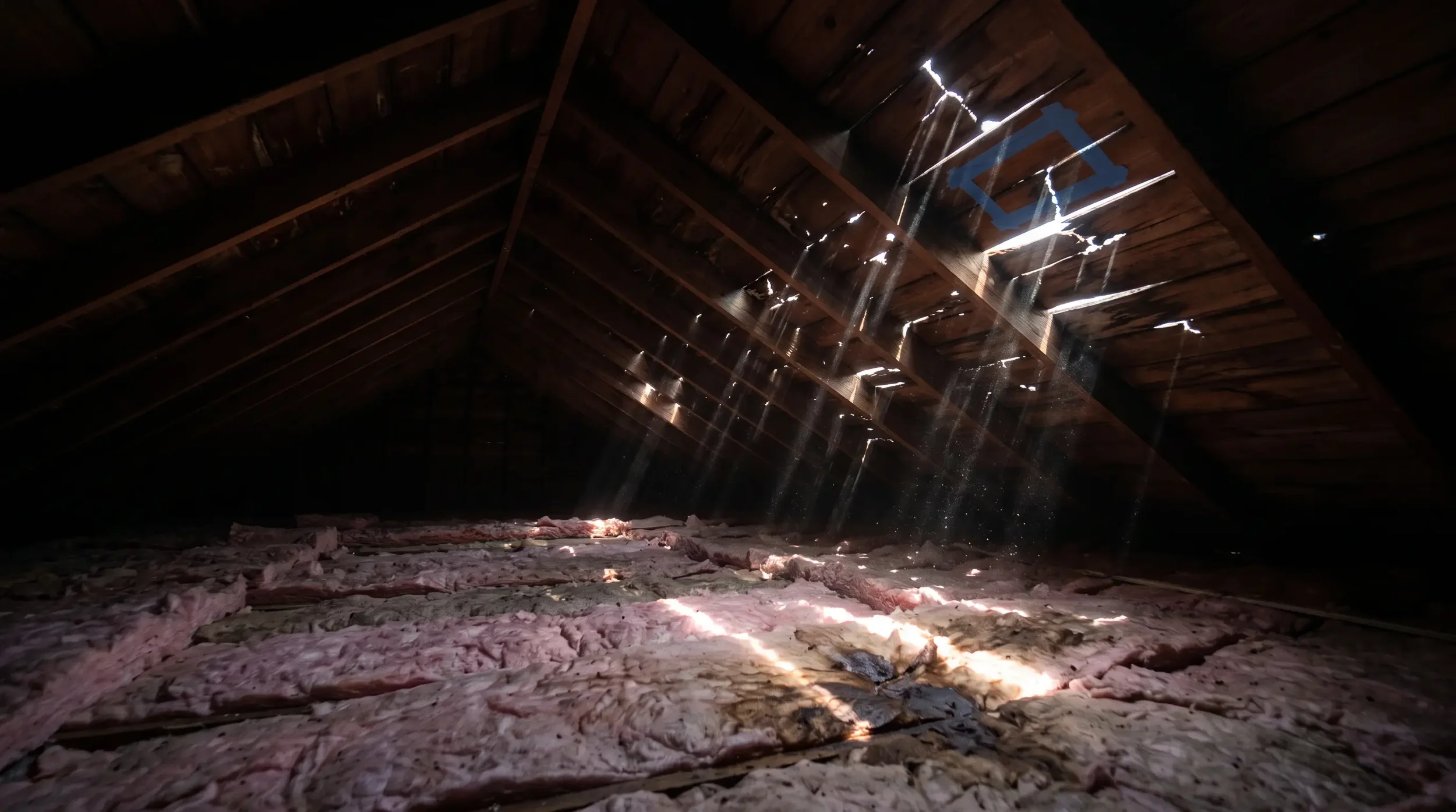
Second, the insurer's adjuster never entered the attic. We found granule loss severe enough to expose the fiberglass mat on multiple shingles, plus a soft spot indicating moisture intrusion. That's functional damage by any standard.
Third, the insurer ignored collateral damage to gutters, soffit, and two window screens.
We submitted a full Xactimate estimate at $14,200 with a written rebuttal citing the inapplicable endorsement and documenting functional damage with photos. The insurer reopened the claim, sent a second adjuster who confirmed the findings, and settled at $12,800.
From $0 to $12,800 — because someone actually read the policy and inspected the damage properly.
Is your claim looking like this? If your insurer's offer seems low — or your claim has already been denied — a free consultation with Shoreline takes 15 minutes and costs you nothing. Contact Us
The Mistakes That Kill Insurance Claim Appeals
1. Accepting the denial without question Most policyholders never appeal. The denial letter is designed to sound final — it cites policy language and looks like a legal document. It's neither binding nor final. Read it, challenge it, or hire someone who will.
2. Calling the insurer to argue without documentation Everything you say on the phone gets logged in the claim file. Inconsistencies get used against you. Put your dispute in writing with evidence attached — it's ten times more effective than a phone call.
3. Missing the proof of loss deadline If your insurer requests a sworn proof of loss and you don't submit it within the policy's timeframe (typically 60 days), they can deny on procedural grounds alone — even when the damage is valid and clearly covered.
4. Hiring a contractor instead of an adjuster Contractors estimate repair costs. Public adjusters estimate claim values — including line items contractors don't think about: overhead and profit, code upgrades, matching requirements, interior damage. These are different documents for different purposes.
5. Waiting too long to escalate Statutes of limitations are real. Florida gives 5 years for breach of contract (Fla. Stat. § 95.11(2)(b)), Minnesota gives 6 years (Minn. Stat. § 541.05), and Wisconsin gives 6 years (Wis. Stat. § 893.43). These sound long, but by the time an insurer drags out the process for 18 months, you're closer to the edge than you think.
Frequently Asked Questions About Denied Insurance Claim Appeals
What are the odds of winning an insurance appeal?
There's no published industry-wide win rate for property claims. In our experience, well-documented appeals with independent Xactimate estimates succeed more often than they fail. The key variable is evidence quality — not luck.
How do I write an appeal letter for a denied insurance claim?
Start with your policy and claim numbers. Identify the specific denial reason you're challenging. Present counter-evidence — independent estimate, photos, inspection reports. Cite the policy language that supports coverage. State your demand. Send via certified mail and keep copies.
Can I appeal a denied insurance claim after the deadline?
It depends on which deadline. If you missed a proof of loss deadline, your options narrow significantly. If you're within the statute of limitations for filing suit — 5 years in Florida, 6 years in Minnesota and Wisconsin — you can still pursue the claim through escalation: appraisal, DOI complaint, or litigation.
Should I hire a public adjuster or a lawyer for a denied claim?
Start with a public adjuster. A PA handles the technical side — damage assessment, estimate, policy analysis, appeal documentation. If the dispute escalates to bad faith or litigation, that's when an attorney adds value. Most denied claims resolve without legal action when the evidence is presented properly. Learn more about how public adjusters work.
How long does the insurance appeal process take?
Timelines vary by state and complexity. A straightforward appeal with strong documentation can resolve in 30–60 days. Appraisal typically takes 60–90 days. DOI complaints and litigation take longer. The insurer's statutory response obligations — 30 business days in Minnesota, 90 days in Florida — set the minimum timeline for each step.
Don't Accept the First No
If you're reading this because your claim was denied, you're not at the end of the road. You're at the part where most policyholders give up — and where the ones who push back start getting real results.
Shoreline Public Adjusters works exclusively for policyholders in Florida, Minnesota, and Wisconsin. We don't collect a fee unless you do. But insurance claims have deadlines, and every week you wait is a week the insurer is counting on.
Contact us for a free claim review — it takes 15 minutes and costs you nothing.
You may also find these helpful:
- Home Insurance Claim Adjuster Secret Tactics Exposed
- What Do Public Adjusters Do? A Complete Guide
- How Long Does an Insurance Claim Take?
Shoreline Public Adjusters, LLC is licensed in Florida (FL G199012), Minnesota (MN 40962416), and Wisconsin (WI 21156868).
Shoreline Public Adjusters, LLC
780 Fifth Avenue South
Suite #200
Naples, FL 34102
Email: hello@teamshoreline.com
Phone: 954-546-1899
Fax: 239-778-9889