Hail Damage Claims in Wisconsin: Why Your Insurer's First Estimate Is Almost Always Wrong

By: Shoreline Public Adjusters
Updated: March 2026 · 7 min read
In This Post:
- Why Wisconsin Hail Claims Get Underpaid
- The Three Tactics Insurers Use on Hail Estimates
- What Wisconsin Law Says About Claim Payments
- What the Insurer's Adjuster Skips During Inspection
- How a Waukesha County Homeowner Went from $8,200 to $29,400
- Common Mistakes That Shrink Your Hail Payout
- Frequently Asked Questions About Wisconsin Hail Damage Claims
The insurer's estimate was $8,200. The actual damage cost $29,400 to repair. The difference was not a math error — it was a pattern.
Wisconsin sits in the center of the Midwest hail belt, and every spring and summer, storms roll through Milwaukee, Waukesha, Green Bay, Madison, and the Fox Valley leaving thousands of claims in their wake. Most of those claims get paid. Most of them also get underpaid — and most policyholders never find out.
Why Wisconsin Hail Claims Get Underpaid
The problem is not that insurers deny every hail claim outright. They pay. They just pay for less than what's actually damaged.
I spent over a decade in enterprise risk management, advising Fortune 100 organizations on how to protect themselves from information asymmetry — the gap between what one party knows and the other doesn't. That same asymmetry shows up in every hail claim file I open.
The insurer knows the policy, the Xactimate pricing, and the adjustment levers. The homeowner knows their roof leaks.
Shoreline Public Adjusters exists to close that gap. We work exclusively for policyholders. We've never worked for an insurer, and we don't intend to start.
⚠️ What Insurers Won't Tell You: The adjuster who inspected your roof spent an average of 45 minutes on your property. In that time, they made scoping decisions — what to include and what to leave out — that will determine your settlement. Those decisions almost always favor the insurer.
The Three Tactics Insurers Use on Wisconsin Hail Estimates
Every underpaid hail claim in Wisconsin follows one of three patterns. Sometimes all three show up in the same file.
1. The Cosmetic Damage Exclusion
Some Wisconsin policies now include endorsements that exclude "cosmetic" hail damage — meaning the insurer acknowledges the damage exists but argues it doesn't affect the roof's function. This lets them pay nothing on dented metal roofs, dinged gutters, and pockmarked siding.
The catch: what the insurer calls cosmetic is often structural. Granule loss on asphalt shingles accelerates deterioration, and dented aluminum siding loses its weather seal. If your policy has this endorsement, you need someone who knows where the line is.
2. Aggressive Depreciation
Wisconsin insurers calculate depreciation on hail damage, and many homeowners don't realize how much is being deducted. On a 12-year-old roof, the depreciation holdback alone can cut the payout in half. Worse, some adjusters apply a "wear and tear" deduction on top of the standard depreciation — double-dipping that inflates the deduction beyond what the policy supports.
3. The Incomplete Scope
This is the most common tactic. The insurer's adjuster scopes the roof and maybe one elevation of siding. They skip gutters, downspouts, window screens, soft metals on HVAC units, and paint or finish damage.
They miss entire elevations. Every missed line item is money that stays with the insurer instead of going toward your repair.
If your insurer's estimate seems low, or if it only covers the roof when you can see dents on your siding from the driveway, your claim was likely underscoped. A licensed public adjuster in Wisconsin will document every damaged component — not just the ones the insurer chose to include.
What Wisconsin Law Says About Claim Payments
Wisconsin has some of the strongest claim payment rules in the Midwest, but most homeowners don't know they exist.
📋 Wisconsin Law: Under Wis. Stat. § 628.46, insurance claims are overdue if not paid within 30 days of the insurer receiving written notice of the claim. Overdue payments accrue 7.5% annual interest. Source: Wisconsin OCI
That 30-day clock matters. If your insurer is dragging out the process — requesting reinspections, waiting weeks between communications, or simply not responding — the statute gives you real financial pressure to force a resolution.
Wisconsin's Administrative Code also includes Ins 6.11, which requires insurers to acknowledge all communications within 10 business days and investigate claims with "reasonable dispatch." Ins 6.76 establishes the matching rule: when replacement materials don't match in quality, color, or size, the insurer is generally required to replace enough to achieve a "reasonably uniform appearance."
On hail claims, this is significant. If half your siding is damaged, replacing only the damaged panels with a slightly different shade doesn't meet the standard.
These rules are tools. Knowing they exist changes the conversation with your insurer. Filing a denied claim appeal in Wisconsin without citing the right statute is like showing up to court without your evidence.
What the Insurer's Adjuster Skips During Inspection
When an insurer's adjuster inspects a hail-damaged property, they're working from a scope template that prioritizes speed and cost control. Here's what typically gets left out of a Wisconsin hail damage estimate:
1. Secondary siding elevations. The adjuster checks the side facing the storm, but hail rarely comes straight down. Wind-driven hail hits multiple elevations, and the leeward side often has the worst damage to soft metals and window trim.
2. Gutters and downspouts. Dented gutters affect water flow and cause fascia rot within two seasons. Adjusters document them as "cosmetic" or skip them entirely.
3. HVAC condenser units. The aluminum fins on outdoor AC units are extremely vulnerable to hail. A damaged condenser runs less efficiently, fails earlier, and most insurer estimates never mention it.
4. Window screens and storm windows. Every screen on every window and every storm panel counts. Insurers skip them because the per-unit cost is small, but across an entire house, screens alone can add $800–$1,500 to the claim.
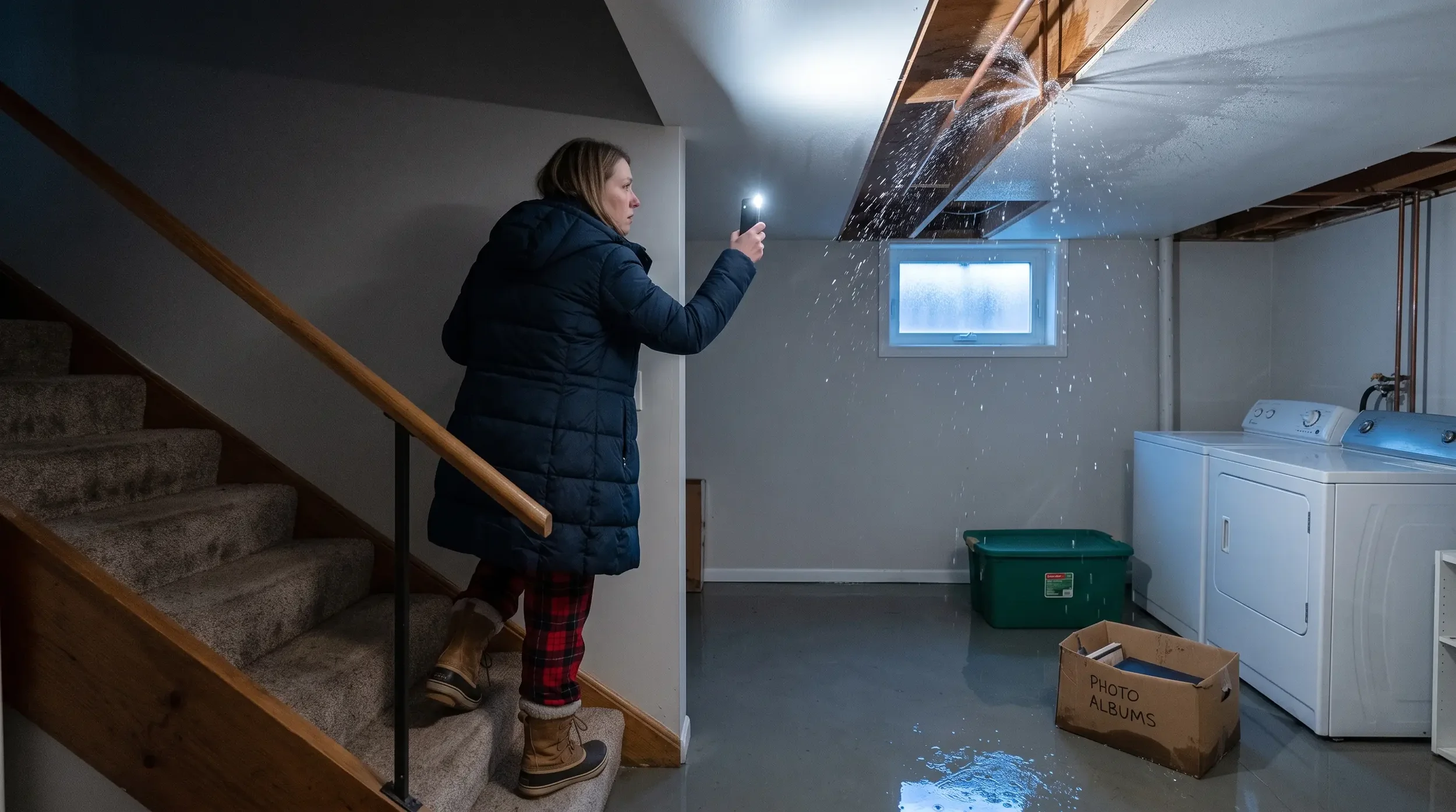
5. Interior follow-on damage. Hail that cracks flashing or lifts shingles causes leaks that lead to ceiling stains, insulation damage, and potential mold. If the inspection happens before the next rain, this damage doesn't exist yet — but it will.
How a Waukesha County Homeowner Went from $8,200 to $29,400
A homeowner in Waukesha County filed a claim after a summer hailstorm tore through the area. The insurer sent an adjuster who scoped the roof and one elevation of vinyl siding. The estimate came back at $8,200 — with heavy depreciation applied to a 14-year-old roof.
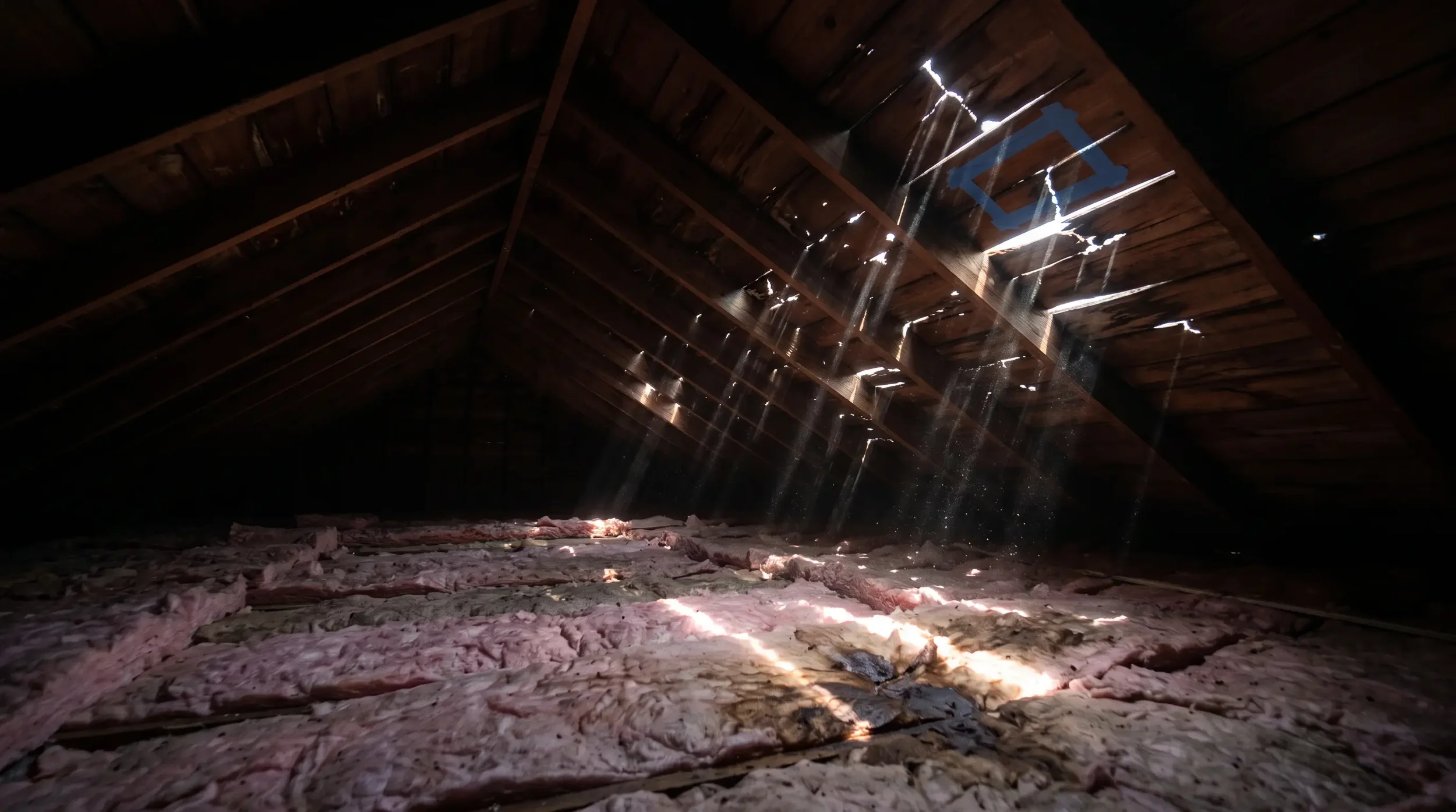
We reinspected the property and found what the insurer's adjuster didn't document: hail impacts on all four siding elevations, dented gutters on three sides, 22 damaged window screens, and soft metal damage on two HVAC condensers. Flashing damage had already started leaking into the attic, and the depreciation calculation applied a wear-and-tear deduction the policy didn't support.
After presenting a fully documented scope with line-by-line Xactimate pricing, the claim settled at $29,400 — more than three times the original offer. The homeowner didn't pay Shoreline a dollar upfront. We work on contingency — if you don't get paid, neither do we.
Is your claim looking like this? If your insurer's offer seems low — or your claim has already been denied — a free consultation with Shoreline takes 15 minutes and costs you nothing. Contact Us
Common Mistakes That Shrink Your Hail Payout
1. Accepting the first estimate without a second opinion The insurer's estimate is an opening position, not a final answer. Homeowners who accept the first number leave money on the table more often than not. What to do instead: Get an independent inspection from a licensed public adjuster before signing anything.
2. Letting the roofer handle the claim Roofing contractors are not licensed to adjust insurance claims in Wisconsin. They can document roof damage, but they cannot negotiate your full claim and have no incentive to document siding, gutters, screens, or HVAC damage. What to do instead: Use a contractor for repairs and a public adjuster for the claim.
3. Waiting too long to file Most property policies include filing windows, and under Wis. Stat. § 631.83, policy provisions govern. Waiting weakens your position even when you're technically within the deadline. What to do instead: File immediately after the storm and document everything before repairs begin.
4. Making repairs before documentation Once you fix the damage, the evidence disappears — and insurers know this. If you've already replaced the roof, the adjuster has nothing to inspect and no reason to increase the payout. What to do instead: Do emergency mitigation only. Full repairs wait until the claim is documented.
Frequently Asked Questions About Wisconsin Hail Damage Claims
How long do I have to file a hail damage claim in Wisconsin?
Most Wisconsin homeowners policies require prompt notice of loss, and policy language under Wis. Stat. § 631.83 governs filing windows. File as soon as you discover the damage.
Does my Wisconsin homeowner's insurance cover hail damage?
Yes — standard HO-3 policies cover hail as a named peril. However, some policies now include cosmetic damage exclusions that limit what's paid on metal roofs, gutters, and siding, so check your declarations page for endorsements.
What is the matching rule in Wisconsin?
Wisconsin Administrative Code Ins 6.76 requires insurers to replace enough material to achieve a "reasonably uniform appearance" when exact matches aren't available, which can significantly increase your payout on siding and roofing claims.
Should I hire a public adjuster for a hail claim in Wisconsin?
If your claim involves more than $10,000 in damage or the insurer's estimate seems low, a public adjuster typically recovers significantly more than the initial offer. Shoreline Public Adjusters has helped Wisconsin homeowners recover three to four times the original estimate.
Can my insurance company deny a hail damage claim for "wear and tear"?
Insurers commonly attribute hail damage to pre-existing wear and tear, especially on older roofs. A public adjuster can differentiate storm damage from aging through impact pattern analysis and weather data correlation — and push back with documentation the insurer can't dismiss.
If you're reading this after a hailstorm hit your property — or after an estimate that doesn't match the damage you can see — that's exactly where we start. Shoreline Public Adjusters works exclusively for Wisconsin policyholders, and we don't collect a fee unless you do.
Hail claims have deadlines, and the longer you wait, the harder the damage is to prove. Contact us for a free consultation.
You may also find these helpful:
- Denied Hail Damage Claim? Here's How to Get a Fair Payout
- Wisconsin Homeowner's Guide to Ice Dam Insurance Claims
- Hudson Homeowner Turns $7K Offer Into $22K Settlement
Shoreline Public Adjusters, LLC is licensed in Florida (FL G199012), Minnesota (MN 40962416), and Wisconsin (WI 21156868).
Shoreline Public Adjusters, LLC
780 Fifth Avenue South
Suite #200
Naples, FL 34102
Email: hello@teamshoreline.com
Phone: 954-546-1899
Fax: 239-778-9889