How to File a Hurricane Insurance Claim and Get Paid Fairly

By: Shoreline Public Adjusters
Updated: March 2026 · 9 min read
In This Post:
- Why Hurricane Claims Are Different From Every Other Property Claim
- The First 72 Hours: What to Do Before the Adjuster Arrives
- How to Document Hurricane Damage the Right Way
- Understanding Your Hurricane Insurance Coverage
- The Percentage Deductible Problem
- How Insurers Process Hurricane Claims After a Major Storm
- Filing Your Hurricane Insurance Claim Step by Step
- What a Public Adjuster Does on Hurricane Claims
- Common Mistakes That Cost Homeowners Thousands
- Frequently Asked Questions About Hurricane Insurance Claims
The adjuster spent 22 minutes at the property. The Xactimate estimate came back at $14,600. The actual scope — once we opened the walls, inspected the attic, and priced the interior water damage from wind-driven rain — was $67,000. That's not unusual after a hurricane. It's the pattern.
Hurricane insurance claims are the highest-volume, fastest-moving, and most systematically underpaid claims in residential insurance. Not because the policies don't cover the damage. Because the insurer's post-storm operation is designed for speed, not accuracy — and the gap between those two things is where policyholders lose money.
I spent over a decade on the enterprise risk side, advising Fortune 100 organizations on how systems process large-scale events. Hurricane claims are a systems problem. After a major storm, carriers deploy hundreds of adjusters — many of them temporary contractors unfamiliar with local construction — and push them to close files fast. The incentive structure rewards throughput. It does not reward thoroughness. Understanding that dynamic is the first step to protecting your claim.
Why Hurricane Claims Are Different From Every Other Property Claim
A typical property claim — a kitchen fire, a burst pipe — gets individual attention. One adjuster, one property, one file. A hurricane insurance claim enters an industrial process. Thousands of claims hit the same carrier on the same day. The response is triage, not investigation.
This creates three problems for policyholders:
Batch adjusting. Carriers bring in catastrophe (CAT) adjusters — temporary field adjusters deployed specifically for large storm events. Many are competent. But they're assigned 8–12 inspections per day, spending 20–40 minutes per property. Complex damage gets missed because the inspection window doesn't allow for it.
Template estimates. After major hurricanes, some carriers use pre-built Xactimate templates for common damage patterns — "Category 4 wind, tile roof, 2,000 sq ft." The estimate is generated before the adjuster walks the property. The inspection becomes a checkbox exercise, not a genuine assessment.
Volume-driven denial patterns. In the weeks after a major storm, denial rates spike — not because claims lack merit, but because the system is calibrated to process volume. Borderline claims get denied. Legitimate scope items get excluded. The carrier's bet is that most policyholders won't push back.
⚠️ What Insurers Won't Tell You: After a declared hurricane, most Florida carriers activate their catastrophe response protocols. These protocols prioritize claim closure speed. The adjuster visiting your property may have a daily quota of inspections — and your claim gets whatever time is left.
The First 72 Hours: What to Do Before the Adjuster Arrives
The actions you take in the first three days after a hurricane determine the trajectory of your entire claim. Most homeowners focus on cleanup. You should focus on documentation first, cleanup second.
Make emergency repairs only. Stop active water intrusion. Tarp exposed roof sections. Board broken windows. Do not begin permanent repairs or allow a contractor to start restoration work until the insurer has inspected — or until you've documented everything thoroughly enough that inspection findings can be reconstructed.
Photograph and video everything before you touch it. Walk the entire property — exterior and interior, room by room. Capture wide shots showing the overall context and close-ups showing specific damage. Include the roof line from ground level, every ceiling stain, every crack, every displaced element. Timestamp everything.
Save damaged materials. Do not throw away damaged building materials, contents, or debris until the adjuster has inspected or you've thoroughly documented them. Insurers can (and do) argue that damage was pre-existing if you can't produce the physical evidence.
Document your additional living expenses from day one. If the property is uninhabitable, your policy's ALE (Additional Living Expense) coverage pays for temporary housing, meals, and related costs. Start saving every receipt immediately — hotel bills, restaurant meals, laundry, storage. ALE claims are frequently underpaid because policyholders don't start tracking expenses until weeks after the storm.
How to Document Hurricane Damage the Right Way
Documentation is the single most important factor in a hurricane insurance claim outcome. The insurer's adjuster will spend minutes at your property. Your documentation needs to fill the gaps they leave.
Exterior damage inventory:
- Roof: missing shingles/tiles, lifted flashing, damaged ridge caps, exposed decking
- Soffit and fascia: separation, water staining, impact marks
- Siding: cracks, holes, displacement, impact damage from debris
- Windows and doors: broken seals, cracked frames, water intrusion points
- Fencing, screens, pool cages, outbuildings
- Landscaping and drainage: uprooted trees, blocked drainage, standing water against the foundation
Interior damage inventory:
- Ceiling stains and bubbling (indicates water intrusion through roof)
- Wall discoloration, especially near windows and at ceiling line
- Flooring warping or buckling
- Electrical issues (breaker trips, outlet damage, fixture damage)
- HVAC system — especially condensers and exterior components
- Contents damage: furniture, electronics, appliances, personal belongings
Create a written inventory of every damaged item with description, approximate age, and estimated replacement cost. Take individual photos of high-value items.
📋 Florida Law: Under § 627.70131, your insurer must acknowledge your claim within 14 days and make a coverage determination within 60 days. If they miss these deadlines, document it — it strengthens your position significantly if the claim becomes disputed. Source: Florida Statutes § 627.70131
Understanding Your Hurricane Insurance Coverage
Hurricane damage typically involves multiple coverage categories on the same policy. Most homeowners don't realize their policy splits hurricane damage into separate buckets — and the insurer adjudicates each one independently.
Dwelling coverage (Coverage A): Structural damage to the home — roof, walls, windows, built-in components. This is the primary coverage for wind and wind-driven rain damage.
Other structures (Coverage B): Detached garages, fences, sheds, pool cages, screen enclosures. Often set at 10% of your dwelling coverage limit. Pool cage replacement alone can exceed this sublimit after a major hurricane.
Personal property (Coverage C): Contents inside the home damaged by wind, rain, or water intrusion. This is a separate claim within the same event — and it requires its own documentation and inventory.
Additional Living Expenses (Coverage D): Temporary housing, meals, and related costs if the property is uninhabitable. Many policyholders don't file this portion of the claim at all, leaving thousands on the table.
Flood coverage: Standard homeowner policies do not cover flood damage. If storm surge or rising water caused damage, that's a separate claim under your NFIP or private flood policy — if you have one. The distinction between "wind-driven rain" (covered by homeowner) and "flood" (not covered) is one of the most disputed issues in hurricane claims.
The Percentage Deductible Problem
Most Florida homeowner policies carry a percentage-based hurricane deductible — typically 2% to 5% of the dwelling coverage limit. On a home insured for $400,000, a 2% hurricane deductible means you pay the first $8,000 out of pocket. A 5% deductible means $20,000.
This is fundamentally different from the $1,000 or $2,500 flat deductible on non-hurricane claims. Many homeowners don't discover their hurricane deductible until after the storm — and the sticker shock changes the math on whether to file.
Here's where it gets worse: if the insurer's adjuster underscopes the damage at $15,000 on a property with a $20,000 hurricane deductible, they write you a check for zero. The damage exists. The coverage exists. But the settlement doesn't cover the deductible, so you receive nothing.
This is exactly why an accurate scope matters more on hurricane claims than any other claim type. The difference between a $15,000 and a $45,000 scope isn't academic — it's the difference between getting $0 and getting $25,000.
How Insurers Process Hurricane Claims After a Major Storm
Understanding the insurer's post-hurricane operation helps you anticipate — and counter — their approach.
Phase 1 (Days 1–14): Triage. The carrier acknowledges claims, assigns adjusters, and begins scheduling inspections. In a major event, scheduling backlogs push inspections to 2–4 weeks out. During this window, your job is documentation and emergency repairs.
Phase 2 (Weeks 2–8): Batch inspection. CAT adjusters work through the queue. Each adjuster handles 6–12 properties per day. Inspections are fast. Adjusters focus on visible exterior damage and often don't enter attic spaces, check behind walls, or inspect HVAC systems thoroughly. The Xactimate estimate is generated — sometimes from a template — and submitted to the carrier for review.
Phase 3 (Weeks 4–12): Settlement offers. The carrier issues initial offers based on the field adjuster's scope. These offers routinely exclude interior water damage from wind-driven rain, omit code upgrade costs required by updated building codes, undervalue roof replacement when "repair" is technically possible, and compress the scope to match the template rather than the actual damage.
Phase 4 (Ongoing): Supplemental negotiation. This is where most hurricane claims actually get resolved — through supplemental requests that identify damage the initial inspection missed. The initial offer is almost never the final number. Policyholders who accept the first check leave money on the table.
Filing Your Hurricane Insurance Claim Step by Step
Step 1: File the claim within 24 hours of the storm passing. Call or file online. Get a claim number. Note the date, time, and representative name. Florida statute requires prompt notice — don't give the carrier a procedural reason to complicate your claim.
Step 2: Send written confirmation. Email your carrier confirming the claim filing, date of loss, and a brief description. This creates a paper trail with a timestamp that the carrier cannot dispute later.
Step 3: Complete your documentation using the framework above — exterior, interior, contents, emergency repairs, ALE expenses. The more thorough your documentation before the adjuster arrives, the stronger your position.
Step 4: Be present for the adjuster's inspection. Walk the property with them. Point out every area of damage. If they skip sections — the attic, behind walls, HVAC — note it. If the inspection takes less than an hour on a property with significant damage, it was too fast.
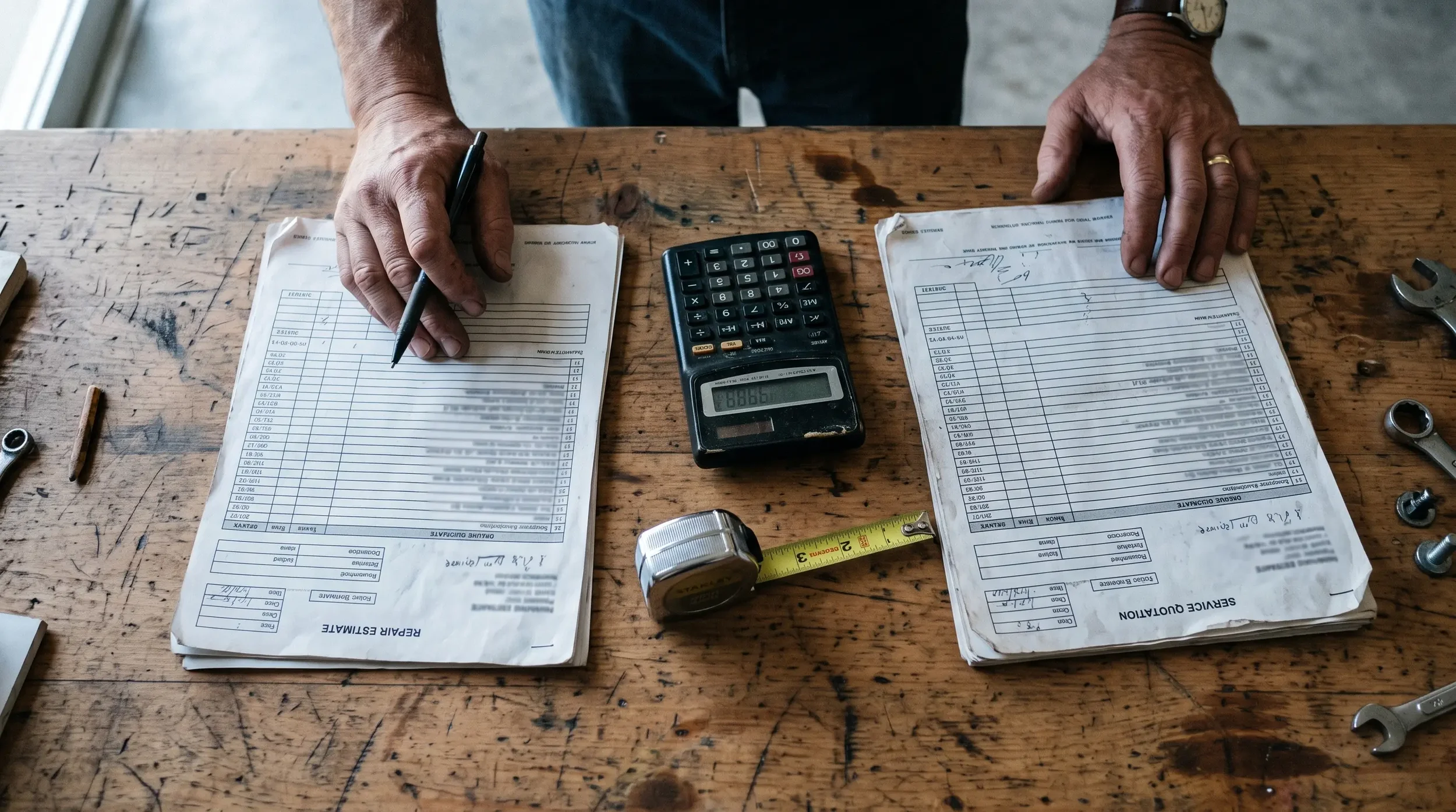
Step 5: Request a copy of the adjuster's estimate. Under Florida law, the insurer must provide a copy of the damage estimate within 7 days of generating it. Review it line by line. Compare it to your documentation. Missing rooms, omitted line items, and "repair instead of replace" calls are the most common gaps.
Step 6: Don't sign anything that limits your rights. Some carriers include language in their settlement checks or accompanying letters that suggests cashing the check closes the claim. In Florida, accepting a partial payment does not waive your right to dispute the remaining amount.
Is your hurricane claim stalled or underpaid? If the insurer's offer doesn't cover the damage you can see — or your claim has been sitting for weeks without movement — a free consultation with Shoreline takes 15 minutes and costs you nothing. Contact Us
What a Public Adjuster Does on Hurricane Claims
After a major hurricane, the insurer's adjuster is processing volume. A licensed public adjuster is processing your claim — and only your claim.
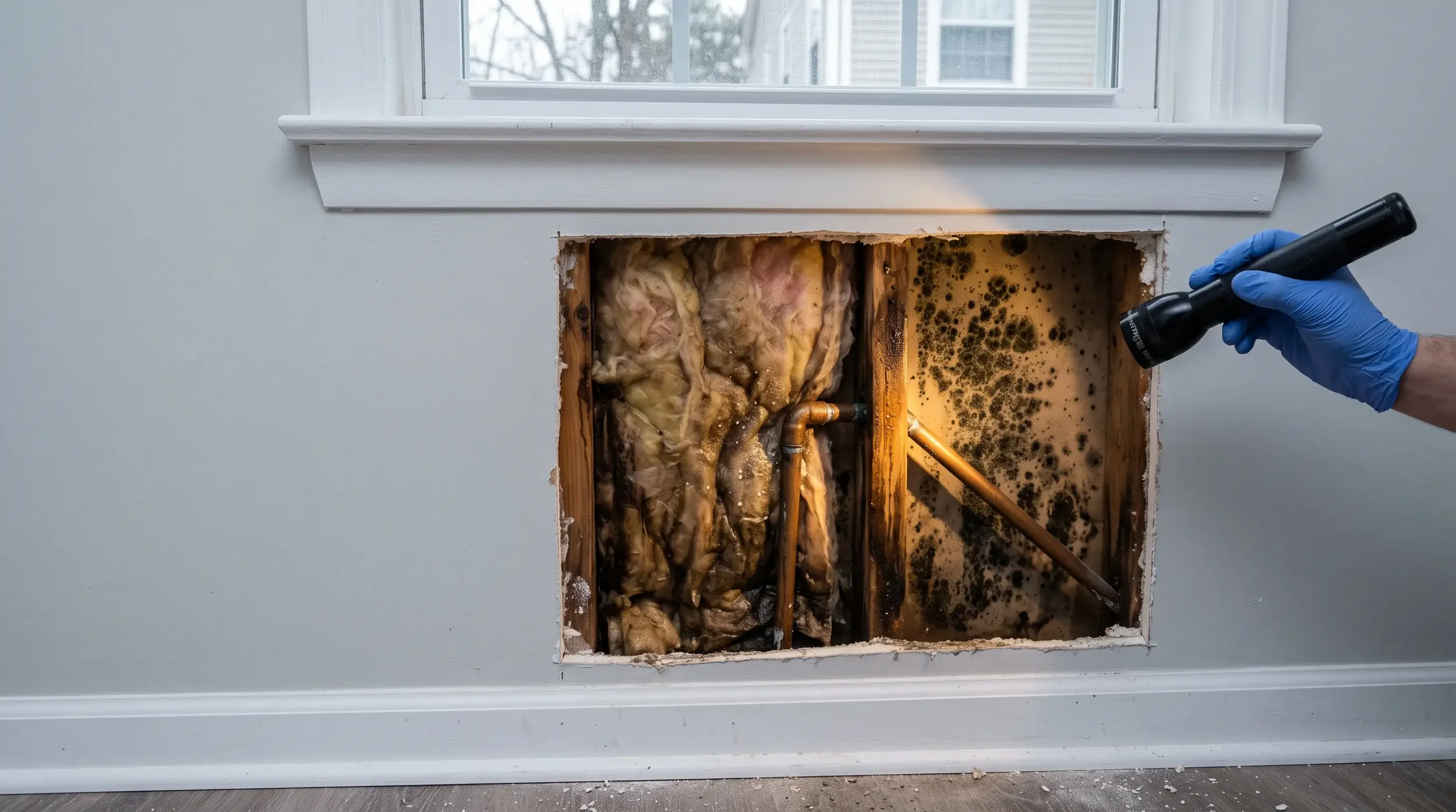
On a hurricane insurance claim, we build an independent scope of loss that accounts for damage the initial inspection missed. We inspect attic spaces, check for wind-driven rain intrusion behind walls, document HVAC damage, and price code upgrades the insurer's estimate didn't include.
We rebuild the Xactimate estimate line by line with current pricing, correct measurements, and complete scope. On post-hurricane claims, the gap between the carrier's initial estimate and the independently scoped loss is typically 3–5x — because the initial inspection was never designed to catch everything.
We also handle ALE claims, contents inventories, and the supplemental negotiation process that hurricane claims inevitably require. Most of our hurricane clients come to us after receiving an initial offer that doesn't cover the deductible — and we find damage that changes the math entirely.
📊 By the Numbers: Florida public adjuster fees are capped by statute at 10% of the settlement amount for claims filed within one year of a Governor's emergency declaration, and 20% for non-emergency claims. We work on contingency — no fee unless we recover money for you.
Common Mistakes That Cost Homeowners Thousands
1. Starting permanent repairs before the insurer inspects. Once you've repaired the damage, the insurer can argue they can't verify the scope. Make emergency repairs to prevent further damage — that's required by your policy — but don't begin restoration until the damage is documented by both sides. What to do instead: Tarp, board, and stabilize. Photograph everything. Then wait for inspection or a thorough independent assessment.
2. Not filing the contents and ALE portions of the claim. Hurricane claims have multiple coverage components. Many homeowners file only the structural portion, leaving contents damage and additional living expenses unclaimed. On a property rendered uninhabitable, ALE alone can be worth $10,000–$30,000. What to do instead: File for every coverage category triggered — dwelling, other structures, contents, and ALE.
3. Accepting the first offer without requesting the adjuster's estimate. The first offer is a negotiation starting point. Review the Xactimate estimate, identify missing scope items, and submit a supplement for everything the adjuster missed. What to do instead: Get the estimate, compare it to your documentation, and file a supplement for missed items.
4. Missing the wind-driven rain distinction. Water damage from rain entering through wind-damaged openings (roof, windows, doors) is covered under your homeowner policy. Water damage from rising water (storm surge, flooding) is not — that's flood insurance. If the insurer classifies wind-driven rain damage as "flood," they shift the claim to a policy you may not have. What to do instead: Document exactly where and how water entered. Roof penetrations, broken windows, and damaged soffits create covered water intrusion paths. Photographs showing the entry point are critical.
5. Waiting months to call a public adjuster. By the time the insurer's initial offer is low and the supplement is denied, you've lost leverage. The physical evidence has been repaired or deteriorated. The strongest hurricane insurance claim outcomes come from early involvement — ideally before the insurer's first inspection. What to do instead: Contact a public adjuster as soon as the storm passes, not after the lowball offer arrives.
Frequently Asked Questions About Hurricane Insurance Claims
How long do I have to file a hurricane insurance claim in Florida?
Under most Florida property policies, you must provide prompt notice and file a proof of loss within the timeframe specified in your policy — typically within 1–3 years of the date of loss, depending on the policy language. However, evidence deteriorates quickly after a hurricane, and insurers use late filing as grounds for reduction or denial. File within days, not months.
Does homeowners insurance cover hurricane damage?
Yes, standard homeowner policies cover wind damage from hurricanes. However, flood damage (storm surge, rising water) requires separate flood insurance. The distinction between wind-driven rain and flood is one of the most disputed issues in hurricane claims. Your policy also has a separate hurricane deductible — typically 2–5% of the dwelling limit — which is significantly higher than your standard deductible.
What is the difference between a hurricane deductible and a regular deductible?
A regular deductible is a flat dollar amount — typically $1,000 to $2,500. A hurricane deductible is a percentage of your dwelling coverage limit. On a $400,000 policy with a 2% hurricane deductible, you pay the first $8,000. At 5%, you pay $20,000. The hurricane deductible applies only when the damage results from a named hurricane, but it dramatically changes the break-even math on whether a claim pays out.
Should I hire a public adjuster for a hurricane claim?
If the damage is significant — roof replacement, interior water damage, displaced from the home — a public adjuster substantially improves outcomes on hurricane claims. The complexity of hurricane claims (multiple coverage categories, percentage deductibles, wind vs. flood disputes) creates more opportunities for the insurer to undervalue the loss. We build an independent scope, handle the supplemental process, and negotiate directly with the carrier.
What if my hurricane claim is denied?
A denial is not the end. Request the written denial with the specific policy language the insurer is citing. Many hurricane claim denials are based on mischaracterizing wind damage as flood, arguing damage was pre-existing, or claiming the loss doesn't exceed the deductible. All of these can be challenged with proper documentation and an independent scope. Learn how to appeal a denied claim.
Your Hurricane Claim Has a Timeline — Don't Waste It
Every week that passes after a hurricane works against your claim. Evidence deteriorates. Temporary repairs obscure the original damage. The insurer's file gets thicker with their version of events while yours stays thin.
If you're dealing with a hurricane insurance claim that's been underpaid, denied, or delayed — or if the storm just passed and you want to protect your position from the start — we can help. Shoreline Public Adjusters works exclusively for policyholders across Florida, and we don't collect a fee unless you do.
You may also find these helpful:
- Hurricane Damage Claim Support — Shoreline Public Adjusters
- What to Do If Your Insurance Company Is Stalling
- Home Insurance Claim Adjuster Secret Tactics Exposed
Shoreline Public Adjusters, LLC is licensed in Florida (FL G199012), Minnesota (MN 40962416), and Wisconsin (WI 21156868).
Shoreline Public Adjusters, LLC
780 Fifth Avenue South
Suite #200
Naples, FL 34102
Email: hello@teamshoreline.com
Phone: 954-546-1899
Fax: 239-778-9889