Minneapolis Hail Damage: What Your Insurance Claim Should Actually Cover
🌨️ Minneapolis Hail Damage Claim Estimator
Get an instant estimate of your potential hail damage claim value
Your Estimated Claim Value
Don't let your insurance company shortchange you.
Get a Free Claim Review →📋 Your Minneapolis Hail Damage Claim Timeline
Click each step to learn more
Document the Damage
Photograph everything and collect hailstones
Day 1File Your Claim
Report to insurance within 30 days
Days 1-30Insurance Adjuster Visit
Insurer sends their adjuster to assess
Days 10-30Review the Settlement Offer
Carefully compare to your estimates
Days 30-60Negotiate or Appeal
Challenge lowball offers with documentation
Days 60-90Receive Fair Settlement
Complete repairs with proper compensation
Days 60-120Updated Date: August 5, 2026
Read Time: 9 min readHail moves through the Twin Cities most summers, and the claims that follow tend to split into two groups. Some homeowners get a check that covers a full roof replacement and the collateral damage nobody thinks about. Others get a check for a few slope repairs and a letter explaining that the rest was "cosmetic" or "pre-existing."
The difference is rarely the storm. It is usually what got documented, and which parts of the policy and the building code got applied.
Hail damage to a roof is not always visible from the ground
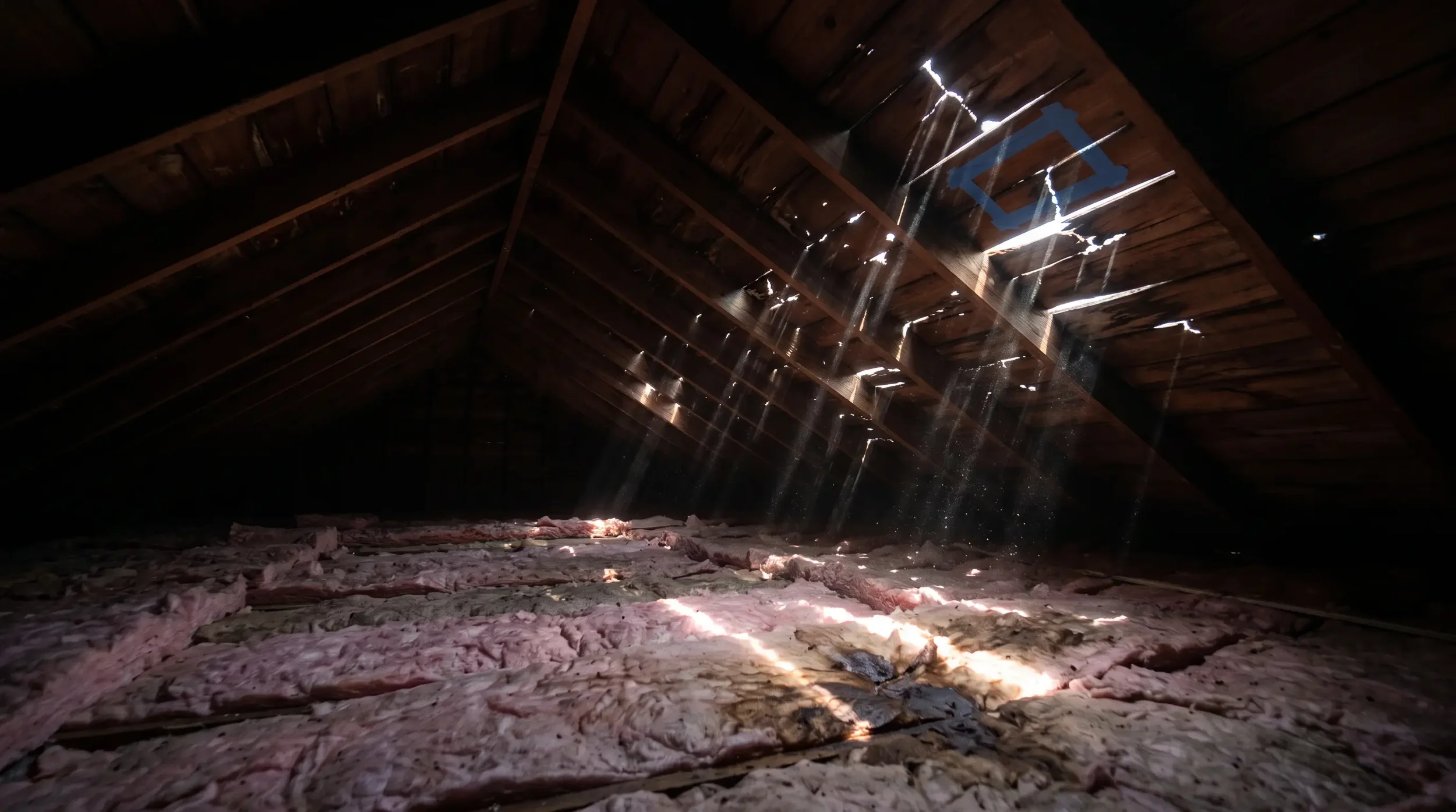
A hail-damaged asphalt shingle does not necessarily look broken. What an adjuster is looking for is bruising — a soft spot where the impact fractured the mat beneath the granules. Granule loss follows, then accelerated aging, then leaks, often a season or two later.
That matters for a practical reason: a roof can be functionally destroyed and still look fine from the driveway. If your only inspection was someone standing in the yard, the claim has not really been inspected.
Soft metals tell the story faster than shingles do. Before anyone climbs on the roof, look at gutters, downspouts and gutter aprons; furnace and dryer vents and any roof-mounted HVAC housing; window wraps, garage doors, fascia and soffit; and deck boards, air conditioner fins, mailboxes and grills.
Damage to soft metals establishes that hail of a damaging size hit the property. That is exactly the fact carriers dispute when they call a roof claim cosmetic.
The three things most commonly missed on Minneapolis hail claims
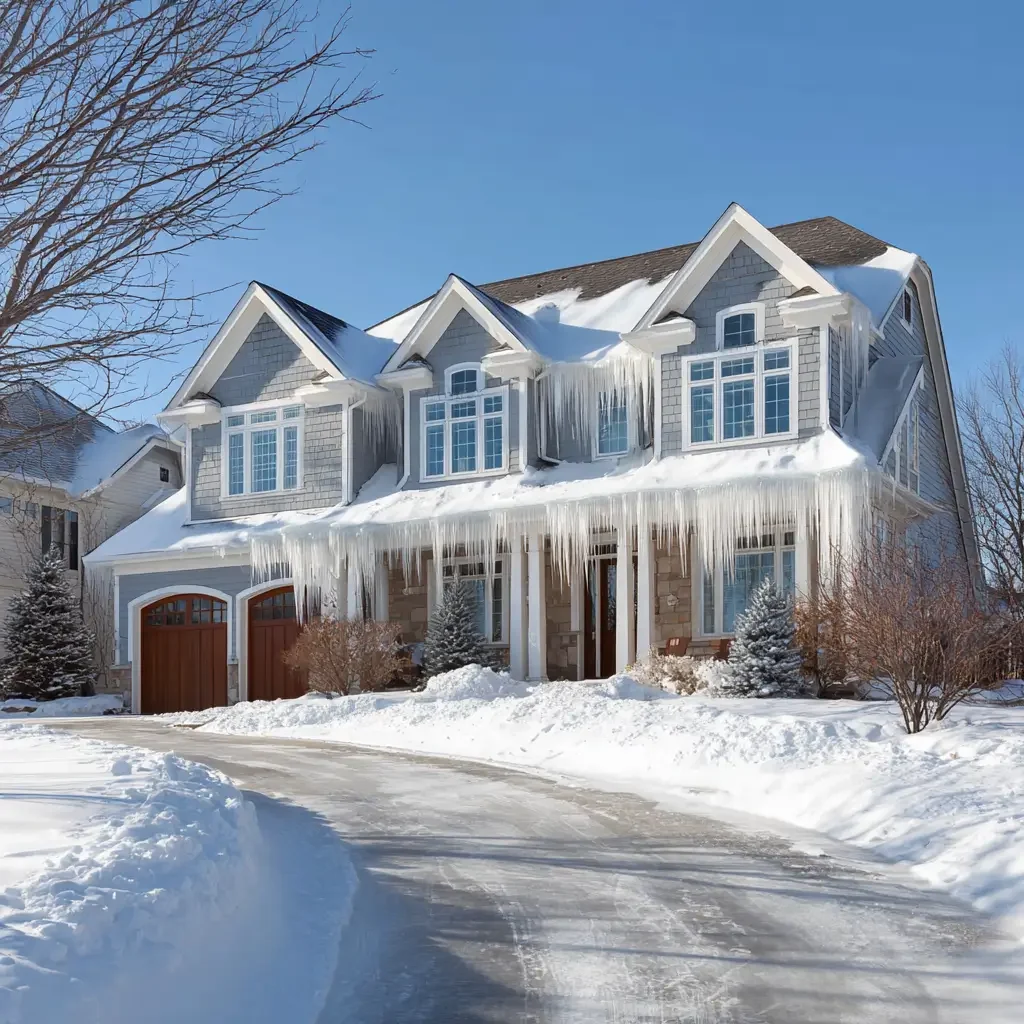
One: ice-and-water shield at the eaves. This is the single most commonly missed cold-climate roofing item in Minnesota and Wisconsin. Minnesota's climate requires eave protection against ice damming, and when a roof is torn off and rebuilt, that protection has to be installed to current code — not to whatever was there in 1994. If your estimate replaces shingles but says nothing about ice-and-water shield coverage at the eaves, the estimate is not paying for a code-compliant roof.
Two: code coverage, and the statute that actually applies. Minn. Stat. 65A.10 is Minnesota's code-coverage mandate. Subdivision 1 requires replacement-cost policies to cover the cost of replacing, rebuilding or repairing in accordance with the minimum code required by state or local authorities. For a hail claim, that is the hook for the items a carrier's first estimate usually leaves out: ice-and-water shield at the eaves; a six-inch energy heel where a roof or ceiling assembly is rebuilt; R-49 ceiling insulation where the assembly is opened up; smoke and carbon monoxide alarms upgraded from battery to hardwired and interconnected once demolition exposes framing; and permits, which are a real line item.
A correction worth making, because it is everywhere. Many blog posts and even some contractor materials cite "Minn. Stat. 65A.28" for roofing or matching rights. That statute does not exist. If a contractor or a website quotes it to you, they are working from someone else's copied homework. Cite 65A.10 for code coverage — and see below for matching, which comes from somewhere else entirely.
Three: matching, and where the authority actually comes from. Matching is the question of whether an insurer has to replace undamaged material so the repaired area matches the rest. If hail destroys the south slope and that shingle line has been discontinued, does the carrier owe you one slope or a uniform roof?
In Minnesota, matching authority comes from case law, not statute. The Supreme Court addressed it in a townhome association's own hail claim: Cedar Bluff Townhome Condominium Ass'n, Inc. v. American Family Mutual Insurance Co., 857 N.W.2d 290 (Minn. 2014), holding that policy language promising replacement with material "of comparable material and quality" requires a reasonable color match — less than an identical match, but a reasonable one nonetheless.
That distinction matters when you are arguing it. A carrier's adjuster will not be moved by a citation to a statute that does not say what you claim it says. They can be moved by the actual authority, applied to your actual policy language. Matching arguments extend past roofing: siding, gutters and windows on the same elevation are frequently in play after a significant hail event.
ACV, RCV and the money most people leave behind
Most Minnesota homeowner policies are replacement-cost policies, but they do not pay replacement cost up front. The carrier pays actual cash value — replacement cost minus depreciation — after the initial estimate. You complete the repairs. Then you claim the recoverable depreciation, the difference between ACV and full replacement cost.
Two things go wrong here constantly. Homeowners bank the ACV check, never complete the work, and forfeit the depreciation — sometimes the larger half of the claim. And the depreciation applied in the first estimate is often excessive, and nobody challenges it.
If you want to see the gap on your own numbers, our ACV vs RCV calculator does the arithmetic.
The interior damage nobody claims
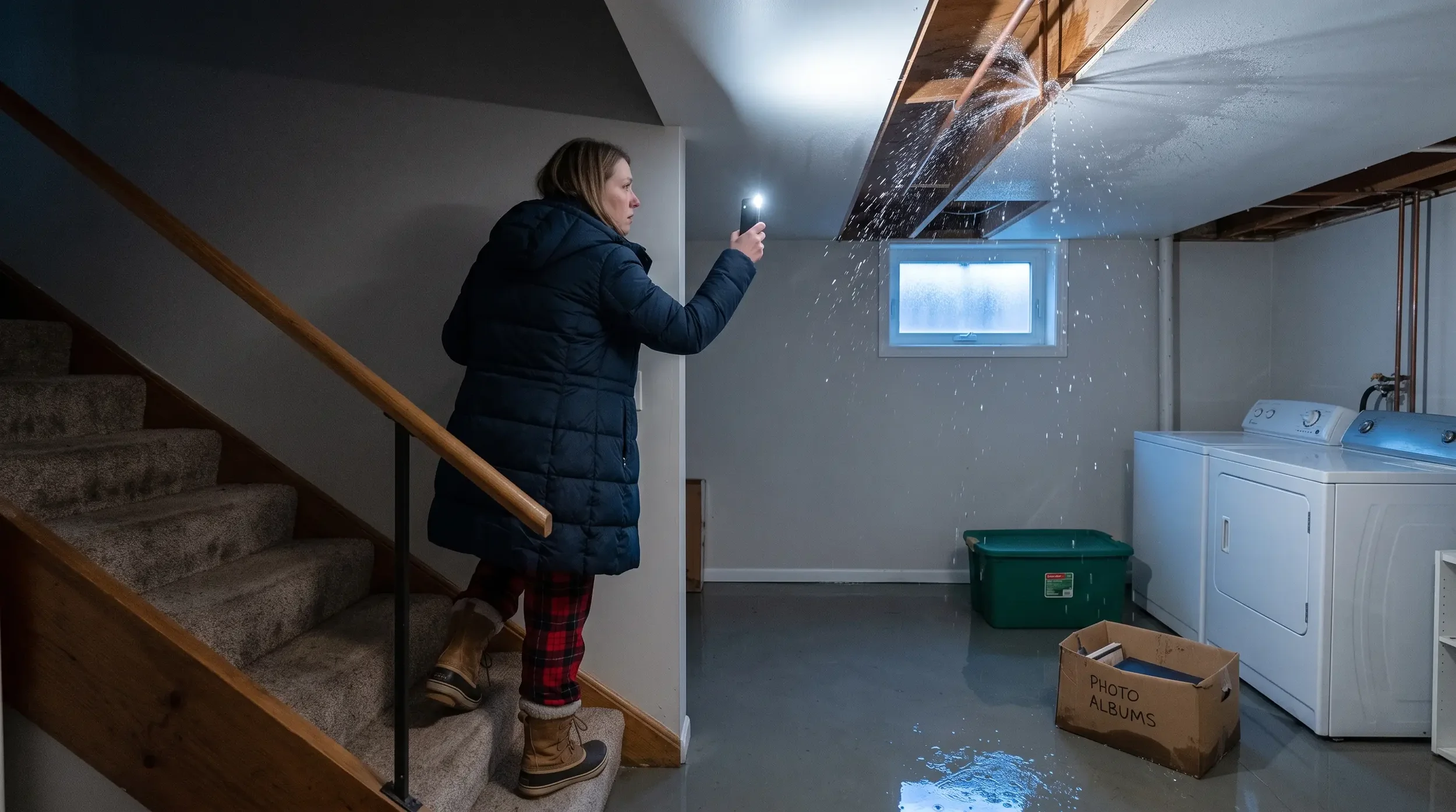
A hail claim is filed as a roof claim and settled as a roof claim. But hail season in Minneapolis is also wind season, and a compromised roof leaks. Water follows the path of least resistance into the attic, down through insulation, into ceilings and interior walls.
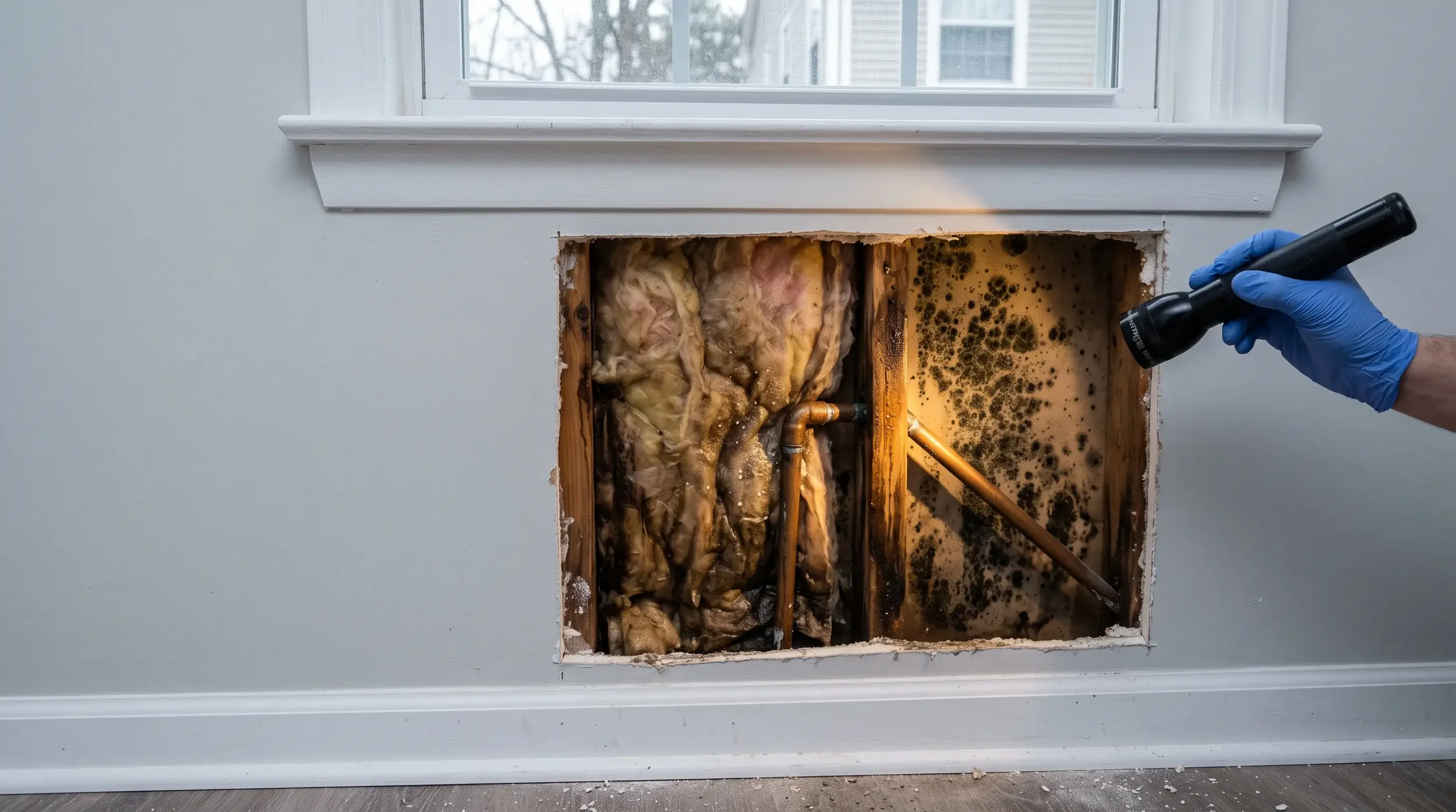
If your roof was damaged in a storm and you later find staining, soft drywall, or insulation that has settled and matted, that damage may belong to the same claim — it is consequential damage from the same covered event. It does not become a separate problem just because you noticed it later. Document it, photograph it, and raise it before the claim closes.
What to do after a Minneapolis hail storm
Photograph everything before any repair — roof, soft metals, interior, and the date. Get an independent inspection from someone who will actually get on the roof. Keep every receipt, including temporary repairs, since emergency mitigation is typically covered. Read your declarations page for a separate wind and hail deductible — many Minnesota policies carry a percentage deductible for wind and hail that is far larger than the flat all-peril deductible. And note your loss date accurately, because Minnesota policies impose deadlines that run from it.
Be careful about signing a contractor's assignment or direction-to-pay before you understand what you are giving up; about accepting "cosmetic damage only" as a conclusion rather than an opening position; about any inspection that happened entirely from the ground; and about repairing before documenting, because once it is fixed it is very hard to prove what it looked like.
When a public adjuster is worth it, and when it isn't
Honestly: if your carrier's estimate covers a full replacement, the code items are in it, and the depreciation looks reasonable, you may not need anyone. Take the settlement.
Where representation changes the outcome is when the claim is denied, partially denied, or the estimate does not match the damage. A public adjuster works for the policyholder, not the insurer — documenting the loss, writing a supported estimate, and negotiating the difference.
Florida's Office of Program Policy Analysis and Government Accountability studied this directly. Analyzing Citizens Property Insurance Corporation claims, OPPAGA found that policyholders represented by public adjusters received substantially higher settlements than those who were not (OPPAGA Report 10-06, 2010). It is Florida data on Florida claims, and the figures are before the adjuster's fee — but the mechanism is the same everywhere: documented claims settle for more than undocumented ones.
Shoreline is licensed in Minnesota under Firm License 40962416. We work on contingency — a percentage of what we recover, with no upfront cost — and if we do not increase your recovery, there is no fee.
If your Minneapolis hail claim has been denied, underpaid, or closed before the damage was fully documented, our Minneapolis team will review it. You can also read more about how we handle hail claims across Minnesota, Wisconsin and Florida.