
Public Adjuster Miami
Licensed Public Adjusters Serving All of Miami-Dade County
✓ No Fee Unless We Recover
✓ Licensed Florida Public Adjusters (#G199012)
✓ Serving The Entire State of Florida
Fill Out the Form Below to Get Started With your Free Claim Review:
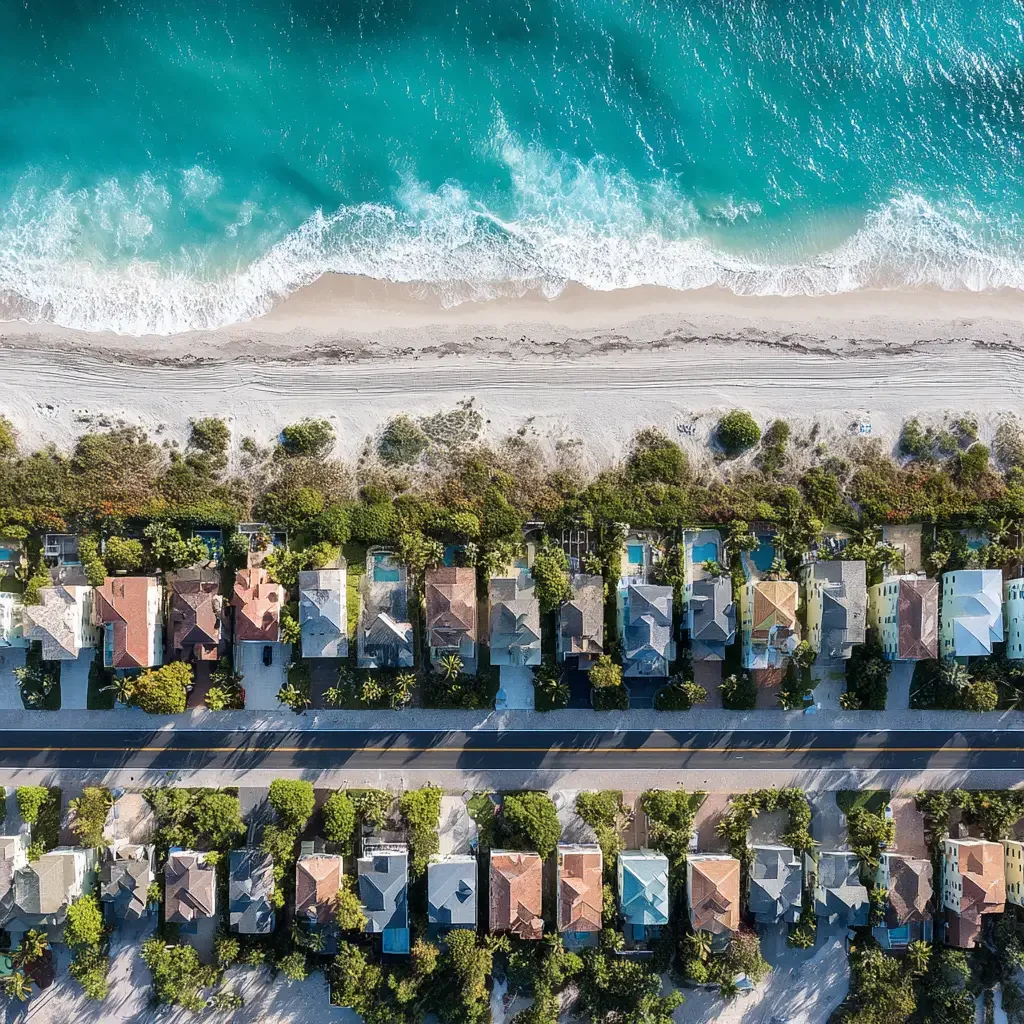
Miami-Dade property owners lose claims on two questions the carrier answers first: did the hurricane deductible apply, and was it wind or water. Both are settled by statute and by the federal storm record, not by opinion. We document them so your claim is decided on evidence.








As Seen On:











Get Help With Your Miami Insurance Claim


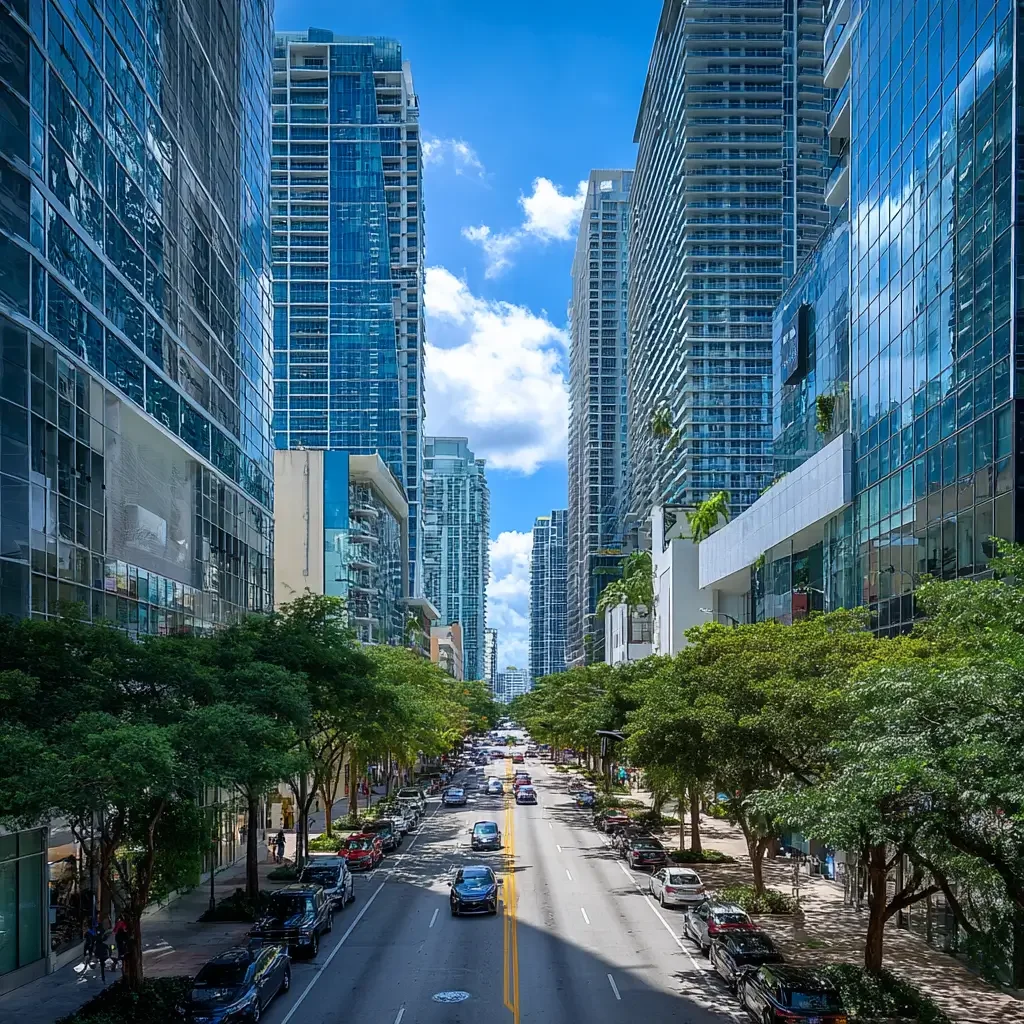


Why a Public Adjuster Matters in Miami-Dade
Hurricane Irma is the clearest illustration of the problem. The National Hurricane Center found that nearly all inland observations across the Miami-Dade and Broward metro area reported sustained winds just below hurricane force. Owners reasonably assume that means an ordinary deductible applies.
It does not. Under Fla. Stat. 627.4025 the hurricane deductible runs from the moment the first hurricane warning anywhere in the state and closes three days after the final watch or warning for any part of the state is terminated. The trigger is the warning window, not the wind speed at your address.
On a 2 percent hurricane deductible against a 600,000 dollar dwelling limit, that distinction is worth 12,000 dollars out of pocket before a single square of shingle is priced.
Start Your Florida Claim Consultation
We are extremely proud to serve the following states:
We are based in Naples, FL but are licensed and our team services the entire states of Florida, Minnesota, Wisconsin, North Dakota & South Dakota - contact us today to get started!
Miami-Dade Flood Claims, By the Federal Count
Drawn from FEMA's claim record for Miami-Dade County, including the reason FEMA logged when a claim closed without a building payment.
FEMA's full NFIP claim history for the county.OpenFEMA NFIP Claims, countyCode 12086
Roughly 45 percent of the county's claims.OpenFEMA NFIP Claims, countyCode 12086
Just under half of the claims carrying Irma's year of loss.OpenFEMA NFIP Claims, yearOfLoss 2017
The most common reason FEMA recorded on those 2,010 claims, about 4 in 10.OpenFEMA NFIP Claims, nonPaymentReasonBuilding
How Florida Law Played Out in Miami-Dade During Irma
Two rules shaped Irma claims in Miami-Dade. The statewide list of deadlines, fee caps and deductible rules is linked below.
A deductible below hurricane-force winds627.4025
Counting from landfall, not discovery627.70132
Public Adjuster Services Across Miami-Dade County
Firm license G199012 lets Shoreline take claims anywhere in Miami-Dade County.
Coastal & Bayfront
Biscayne Bay corridorSurge and wind-driven rain dominate here. During Irma the National Hurricane Center recorded maximum inundation of 4 to 6 feet above ground level in parts of the county, concentrated along Biscayne Bay.
Central Miami-Dade
Downtown, Brickell & inland coreNHC attributed downtown flooding during Irma to heavy rainfall and urban runoff, wave overwash trapped behind seawalls, and seawater rising through the city drainage system, all at once. Multi-cause losses are the hardest to get paid.
South & West Miami-Dade
Kendall to HomesteadInland wind exposure, where sustained winds ran just below hurricane force during Irma and the hurricane deductible still governed the claim.
Miami-Dade Claim Help: Adjuster, Attorney or Neither
Which one fits depends on whether a Miami-Dade dispute is about the damage or about the carrier's conduct. Fees and switching points for all three sit in the statewide comparison.
Public Adjuster
Documents wind versus flood- Allocates a Miami-Dade loss between the wind and flood policies using entry paths and water lines.
- Contingency fee within the Florida cap, so nothing is paid upfront.
Insurance Attorney
When conduct is the dispute- Takes over when a Miami-Dade claim moves to court or to a bad-faith notice.
- Builds on a claim file that already documents the loss.
Handle It Yourself
A small loss, fairly priced- Fits a minor Miami-Dade loss the carrier has already offered fairly on.
- You handle the inspection, the estimate and the notice clock alone.
Miami-Dade Storm and Water Claims We Take On
Ten claim types, drawn from what Irma and Miami-Dade's flood record show.
Hurricane Wind Claims
Irma left inland Miami-Dade with sustained winds just below hurricane force, and the hurricane deductible still applied. We document the storm timeline against your policy so the deductible charged is the one the statute calls for. See wind and tornado damage claims.
Storm Surge & Flood
NHC recorded 4 to 6 feet of inundation along Biscayne Bay during Irma and 2 to 4 feet across coastal northern Miami-Dade. Flood and wind sit in separate policies, and each carrier has an incentive to point at the other. Read about water and flood damage claims.
Interior Water Damage
Downtown Miami flooded from four mechanisms at once during Irma: rainfall, urban runoff, wave overwash trapped behind seawalls, and seawater rising through the drainage system. Multi-cause losses turn on documentation, not on which carrier argues hardest.
Tile, Stucco & Roof Damage
Tile, concrete and stucco can hide damage for months. Fla. Stat. 627.70132 counts the deadline from landfall, not discovery, so a roof that starts leaking the following spring still dates to the storm.
Condominium Towers
Miami-Dade condominium towers put the building under an association master policy and the unit interiors under each owner's own HO-6. The dividing line is set by statute and explained in the statewide condo section, and HOA and condo claim support covers how we work those files.
Denied & Short-Paid Claims
Of the 4,100 Miami-Dade flood claims with a 2017 date of loss, 2,010 closed with no building payment. A denial is a deadline as much as a decision. Our insurance claim support page covers next steps.
Wind-Driven Rain
At Government Cut off Miami Beach the National Hurricane Center recorded sustained winds of 65 knots at 23 meters elevation during Irma. Wind-driven rain entering through a wind-created opening is a wind claim; the same water entering from below is a flood claim. The distinction decides which policy pays.
Seawall & Drainage Backflow
NHC documented seawater coming up from below through the city drainage system during Irma, alongside wave overwash trapped behind seawalls. Backflow losses are routinely coded as flood even where a wind-created opening contributed, and the coding decides the deductible.
Mold Following Water Intrusion
A Miami-Dade policy may limit mold through a sub-limit or exclude it as maintenance. The claim holds together when the mold is traced back to a dated water event.
Commercial & Business Interruption
Miami-Dade recorded 8,390 NFIP claims with a 1992 date of loss and 9,717 with a 2005 date of loss, and commercial files carry the added question of income loss during restoration. Business interruption is proved with records, not estimates.
How Our Miami-Dade Insurance Claim Process Works
The order we work a Miami-Dade claim in, starting with the storm timeline.
Establish the storm timeline
We fix the date of loss and the hurricane warning window first, since those two dates decide which notice deadline and which deductible govern the claim under Fla. Stat. 627.70132 and 627.4025.
Separate wind from water
We map where wind opened the building and where water rose, then assign each piece of damage to the wind policy or the flood policy, so neither carrier can default to pointing at the other.
Scope the building
We document tile, stucco, roofing and interior damage room by room and price each repair, including work the Florida Building Code requires.
Work the statutory clock
We calendar the 7-day acknowledgment, the 30-day inspection and the 60-day decision set by Fla. Stat. 627.70131, then escalate when one slips.
The statutes behind these steps are summarized in our Florida claim rights reference, and Broward owners can begin at our Fort Lauderdale page.
Miami Public Adjuster FAQ: Irma, Deductibles and Deadlines
Does the hurricane deductible apply if winds near my Miami home stayed below hurricane force?
My flood carrier blames wind and my wind carrier blames flood. What happens now?
How often do Miami-Dade flood claims close without payment?
What if my Miami-Dade damage did not show up until months later?
How many Miami-Dade flood claims are on the federal record?
How high did Irma's storm surge reach in Miami-Dade?
How strong were Irma's winds near Miami Beach?
Do Miami-Dade condo owners have their own claim after a storm?
Miami-Dade Claim Denied or Underpaid? Where to Start
Of the 62,029 NFIP flood claims on record in Miami-Dade, 27,743 closed with no building payment. For the 2,010 claims with a 2017 date of loss that got no building payment, FEMA's top closing code was "not actual flood," used on 815.
Read the carrier's reason
We line the denial up against the storm timeline: the warning window that set the deductible, the landfall date that set the notice clock, and what the carrier says caused the damage.
Rebuild the file around cause
FEMA's most common reason on the 2017 Miami-Dade claims that got no building payment was "not actual flood," so we rebuild the file around cause: where the water entered, how high it rose, and whether a wind opening came first.
Choose the path before the clock does
A reopened or supplemental Miami-Dade claim still answers to the notice bars in Fla. Stat. 627.70132, so the choice between reopening and escalating is made while those windows are open.
If the carrier won't move, see the escalation routes Florida allows in our statewide claim rights summary.
Condominium Towers in Miami-Dade
Florida law draws the line inside a Miami-Dade condominium: the association's policy leaves out the finishes, fixtures and appliances inside each unit, and unit owners insure those. Our guide to Florida condo claims sets out the full division, and Shoreline's HOA claim service explains how we represent associations and unit owners.
Talk Through Your Miami-Dade Claim
No upfront cost. Send us your storm date and the declarations page, and we will work out the deductible and deadline that apply to your Miami-Dade claim.