
Public Adjuster Jacksonville FL
Licensed Florida Insurance Claim Help for Duval County Homeowners
✓ No Fee Unless We Recover
✓ Featured on Forbes, Realtor.com & Insurance.com
✓ 5 Stars on Google
Fill Out the Form Below to Get Started With your Free Claim Review:
When storms hit Jacksonville, filing an insurance claim becomes a stressful battle. Insurance companies often minimize payouts, leaving you with far less than you deserve. Shoreline Public Adjusters represents you — not the insurance company.
We are a Florida licensed public adjuster (License #G199012) with deep experience handling northeast Florida's unique risks: hurricanes, river flooding, and coastal storms. We work on contingency, meaning you pay nothing unless we recover money for you. Start with a free claim review today.







As Seen On:










Get Your Free Jacksonville Claim Review
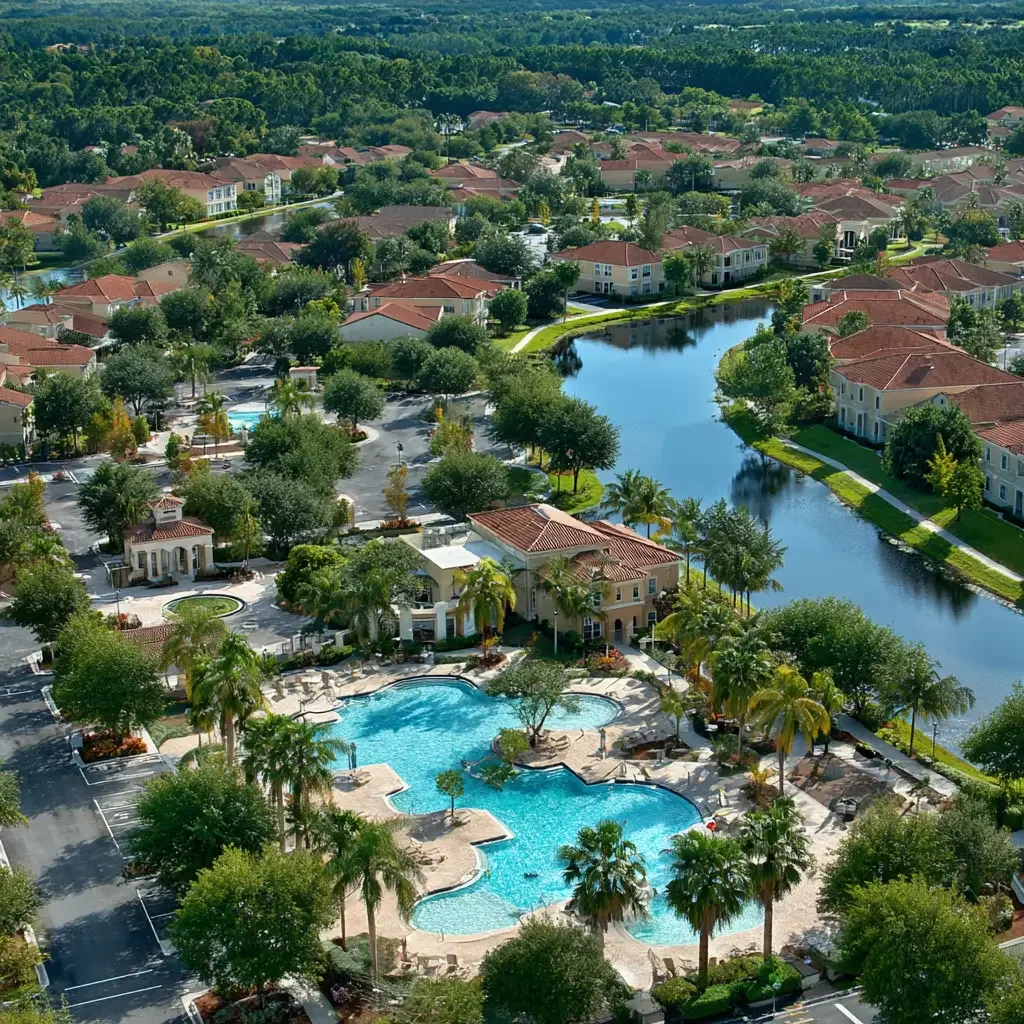
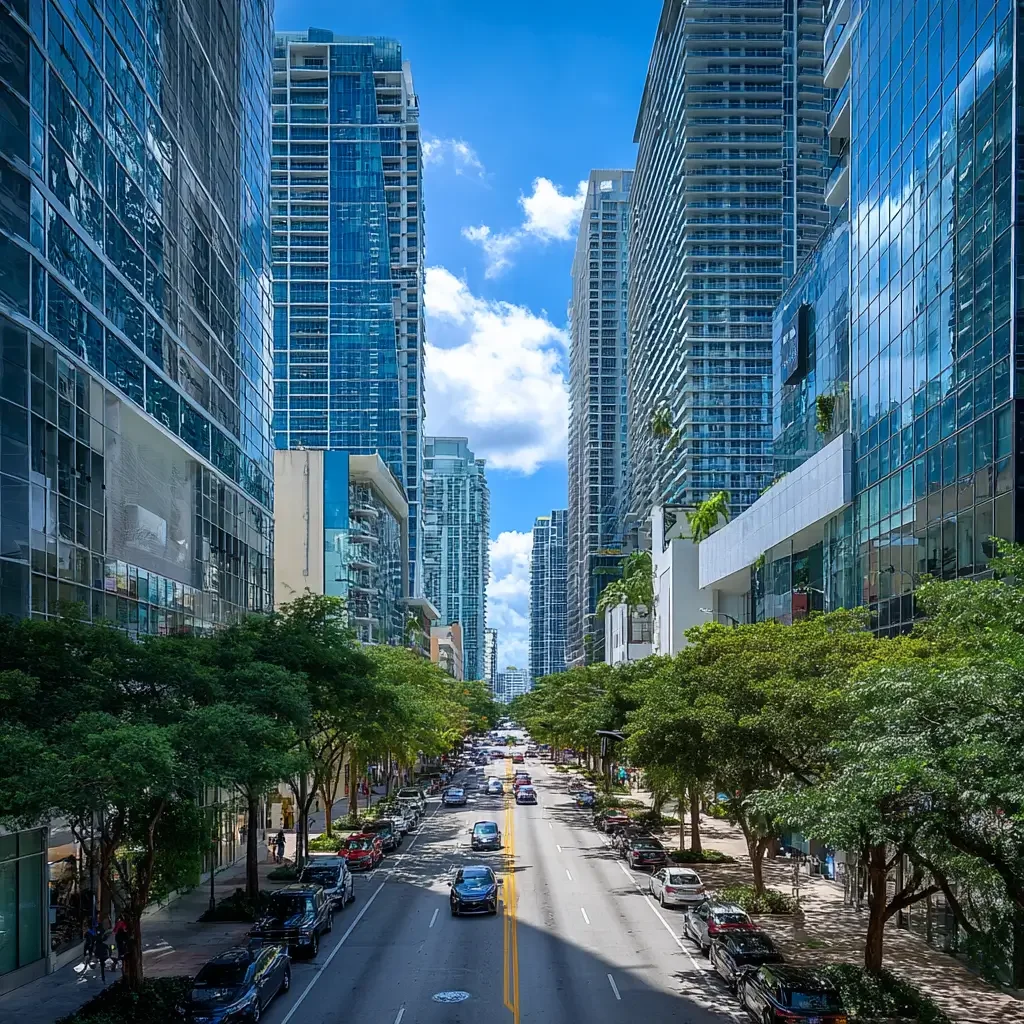

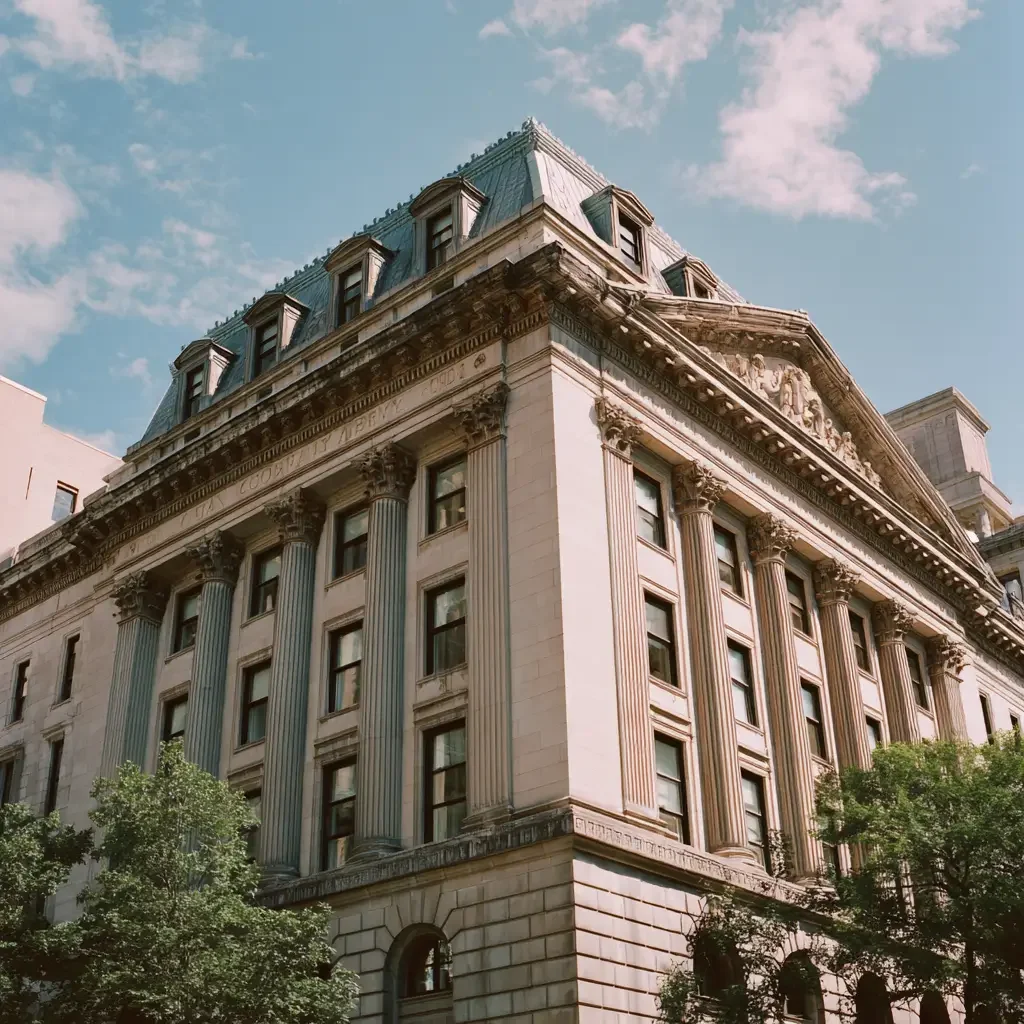
Areas We Serve in the Jacksonville Region
We represent property owners throughout Duval County, the First Coast corridor, and the surrounding counties that share Jacksonville's hurricane exposure and flood risk. Whether your home is a Riverside bungalow, a Mandarin subdivision, a Jacksonville Beach condo, or a commercial building downtown, we handle insurance claims across the region.
Duval County
Jacksonville (Downtown, Riverside, San Marco, Springfield, Mandarin, Arlington, Southside, Westside), Jacksonville Beach, Neptune Beach, Atlantic Beach, Mayport, and Naval Station Mayport.
St. Johns & Nassau Counties
Ponte Vedra Beach, Nocatee, St. Augustine (northern), Fernandina Beach, Amelia Island, Yulee, and coastal barrier island communities along the Atlantic and Intracoastal.
Clay & Baker Counties
Orange Park, Fleming Island, Middleburg, Green Cove Springs, Keystone Heights, Macclenny, and inland communities along Black Creek and the southern St. Johns River corridor.
If you own property in the Jacksonville area and need help with an insurance claim, contact our public adjuster team for a free damage assessment. It costs nothing for us to review your policy and evaluate your loss.
Types of Property Damage We Handle in Jacksonville
Jacksonville property owners face distinct damage patterns shaped by the St. Johns River, Atlantic hurricanes, and severe thunderstorms. Each damage type needs its own proof, policy review, and claim strategy. Shoreline's adjusters know how carriers classify, deny, and undervalue each type — and how to prove them wrong.
Hurricane & Tropical Storm
Hurricane Matthew dumped 10 inches of rain on Jacksonville in 2016, flooding neighborhoods near the St. Johns River for weeks. Hurricane Irma produced record storm surge in 2017 that funneled up the river, exceeding 4 feet in some areas.
Jacksonville's geography makes this worse: the city sits where the St. Johns River meets the Atlantic, so tropical storms funnel surge inland. Insurance carriers routinely deny hurricane claims by classifying damage as "flood" (excluded under wind coverage), not wind. They argue the water came from the river, not the storm. Shoreline uses wind speed records, pressure data, and on-site photos to split wind-driven rain from flood water. We prove which policy covers what.
Wind & Tornado
Northeast Florida's severe thunderstorm season runs May through October, producing straight-line winds exceeding 60 mph and rotating tornadoes. An EF-2 tornado struck Jacksonville in 2023.
Duval County has recorded multiple EF-1 and EF-2 tornadoes in the past 20 years. Carriers deny tornado and wind claims by labeling structural damage as "cosmetic" or "wear and tear." They claim torn siding, lifted roof decking, or shattered windows are maintenance issues, not storm damage. Shoreline proves real wind damage using engineer reports, wind speed data, and before-after photos. We show the true cause of the damage.
Water & Flood
The St. Johns River is Jacksonville's number-one recurring flood risk. Unlike most U.S. rivers, the St. Johns flows north — creating unique tidal and rain-driven flooding patterns that standard carriers don't understand.
Heavy rain, tropical storms, and even king tides cause flooding in areas traditionally outside FEMA flood zones. Carriers deny water claims by classifying damage as "gradual leak" (not covered) instead of "sudden and accidental" (covered). They confuse flood insurance coverage with homeowners water coverage. Shoreline finds which policy covers what, files claims on both if needed, and fights the "gradual leak" label with expert proof.
Fire & Smoke
Jacksonville's older neighborhoods — Riverside, Springfield, Avondale — contain homes built before 1960 with outdated electrical wiring that increases fire risk. Smoke travels through HVAC systems far beyond visible burn zones.
Carriers scope only the visible fire damage, ignoring smoke penetration into insulation, attics, and sealed spaces. This undercounts true restoration cost by thousands of dollars. Shoreline uses heat scans, air tests, and duct checks to prove the full reach of smoke damage. We find what carriers miss.
Hail
Northeast Florida experiences hail during severe thunderstorm season, particularly in spring and early summer. Soft metals — gutters, downspouts, AC units, metal vents — and asphalt shingles sustain the most damage.
Carriers send biased engineers who downgrade hail damage as "wear and tear" or "pre-existing condition." They claim one dent per shingle isn't enough to warrant replacement. Shoreline uses third-party hail experts, satellite hail path data, and impact testing to prove storm damage. We bring our own experts to fight their biased ones.
Mold
Jacksonville's subtropical climate averages 74% humidity annually, creating ideal mold growth conditions. Mold appears after water intrusions, burst pipes, or hurricane water damage.
Most Florida homeowners policies cap mold coverage at $10,000 or exclude it entirely. Carriers deny mold claims by saying mold resulted from "poor maintenance" or "lack of ventilation" — not a covered peril. Shoreline traces mold growth to a specific covered peril (burst pipe, roof leak, storm water intrusion). We tie mold to the covered event to unlock full recovery rather than hitting the $10,000 cap.
Commercial Property
Jacksonville is Northeast Florida's economic hub. The Port of Jacksonville, logistics operations, healthcare systems, and retail businesses drive the regional economy.
Commercial claims involve destroyed inventory, damaged equipment, lost business income, and extra expenses like temporary relocation. Carriers dispute the duration of business interruption and challenge revenue projections as inflated. Shoreline builds detailed loss packages using CPA-level records: tax returns, P&L reports, bank deposits, and industry data. We prove real losses, not guesses.
HOA & Condo
Jacksonville Beach condos, Riverside luxury lofts, and suburban HOA communities each face unique insurance coordination challenges. Unit owners hold HO-6 policies while the HOA holds a master policy.
Carriers exploit this confusion by denying claims based on policy coordination gaps. HOA boards often accept lowball settlement offers without professional review, leaving unit owners unprotected. Shoreline coordinates claims between the master policy and individual HO-6 policies to identify overlapping coverage, close gaps, and maximize total recovery for the community.
Business Interruption
Business interruption coverage replaces lost income when a covered event forces your business to close or operate at reduced capacity. Jacksonville's port-dependent businesses face serious income exposure.
Carriers challenge revenue projections and try to shorten the "period of restoration" — the time during which you receive income replacement. They argue businesses could have reopened sooner. Shoreline calculates actual lost revenue using audited tax returns, monthly P&L statements, and industry recovery benchmarks. We prove the true duration of your loss.
Why Jacksonville Property Owners Need a Public Adjuster
Jacksonville is Florida's largest city by land area, sprawling across 875 square miles where the St. Johns River meets the Atlantic Ocean. That geography defines the city — and creates some of the most complex property damage claims in the state. When a hurricane tracks up the coast, storm surge funnels up the northward-flowing St. Johns and pushes water into neighborhoods miles from the ocean. Severe thunderstorms hammer the metro from May through October with straight-line winds, tornadoes, and flash flooding. A Jacksonville public adjuster documents this layered damage before the carrier's quick-look inspection writes it off as a single cause.
Hurricane Matthew proved the point in October 2016. The storm pushed a record storm surge up the St. Johns River while dumping 10 inches of rain across Duval County. Entire neighborhoods along the riverbank flooded for the first time in a generation. Streets in San Marco, Riverside, and downtown sat under water for days. Insurance carriers responded by classifying nearly everything as "flood damage" — excluded under standard homeowners policies — even when wind-driven rain caused much of the interior destruction. Thousands of homeowners received denials or lowball offers that ignored the wind component entirely.
Hurricane Irma followed one year later in 2017, producing the highest recorded storm surge on the St. Johns River — over 4 feet in some areas. Mandatory evacuations covered 300,000 residents. The river crested 5 feet above normal at the Fuller Warren Bridge, sending water into homes, businesses, and commercial buildings across the urban core. Then in 2023, an EF-2 tornado tore through the city, reminding everyone that Jacksonville's storm risk extends far beyond hurricane season. Each event left homeowners fighting carriers with entire departments built to minimize payouts.
How Carriers Exploit Jacksonville's Wind-Versus-Water Disputes
Wind-versus-water is the defining claim dispute in Jacksonville. The city's position at the mouth of the St. Johns means that every major storm produces both wind damage and flooding — often in the same property, on the same day. Insurance companies exploit this overlap aggressively. They classify wind-driven rain damage as "flood" (excluded under your homeowners policy). They label storm surge as "rising water" (requires a separate NFIP policy). They argue that water entering through a wind-damaged roof somehow doesn't count as wind damage because the water itself caused the interior loss.
A Jacksonville public adjuster treats these claims for what they are: a single storm event that caused multiple types of damage across your property. We document the wind entry points, the water paths, and the resulting interior damage separately — with timestamped photos, wind speed correlations, and moisture mapping — so each dollar of damage gets assigned to the right policy and the right coverage. That approach forces the carrier to pay under the coverages that actually apply instead of dumping everything into the flood exclusion.
Military Families, Coastal Homeowners, and Jacksonville Claims
Jacksonville is home to NAS Jacksonville, Naval Station Mayport, and thousands of active-duty military families who rotate through on 2-to-3-year PCS cycles. Filing an insurance claim is hard enough without getting orders to transfer to a new duty station in the middle of it. Carriers know this. They slow-walk military claims, counting on the family to accept a low settlement rather than fight from across the country. We handle every step of the claim on your behalf — from the initial inspection through final payment — whether you're still in Jacksonville or stationed halfway around the world.
Coastal homeowners at Jacksonville Beach, Neptune Beach, and Atlantic Beach face a different problem. Salt-air corrosion slowly degrades roofing, flashing, and exterior materials over time. When a storm strikes and causes real damage, carriers point to the salt-air wear and reduce your payout — claiming the damage was "pre-existing." Older homes in Riverside, Avondale, and Springfield face similar treatment: carriers depreciate aging roofs and systems to minimize the replacement cost owed to you. We counter with forensic documentation that separates storm damage from normal wear, forcing carriers to pay what the policy requires.
How We Handle Your Jacksonville Insurance Claim
When you call Shoreline, we take over every step of your claim — from the first property inspection through the final settlement check. Jacksonville's wind-versus-water disputes demand a specific approach: we isolate wind damage from flood damage using NAS Jacksonville weather station data, high-water marks from the St. Johns River's northward surge, thermal imaging for hidden moisture, and separation-of-loss documentation that forces the carrier to pay what it cannot exclude. Here is exactly what we do at each stage.
We Inspect Your Property and Separate Wind From Water
Within 24 to 48 hours of your call, we walk every inch of your property and document wind damage and water damage as two separate loss events. In Jacksonville, this separation is everything — carriers denied thousands of claims after Hurricane Matthew and Irma by lumping all damage into a single "flood" exclusion.
We mark wind damage separately: ridge cap lift, shingle scour patterns, soffit failures, corner fastening breaks. Water damage gets its own documentation: rust stains on baseboards, mud deposits at the high-water line, drywall saturation in Riverside and San Marco homes, salt-water corrosion on Jacksonville Beach condo mechanical systems. We use thermal imaging to trace moisture highways inside walls where wind-driven rain entered at the ridge and traveled down rafter bays before pooling in cavities. For properties near the St. Johns River, we map water entry points and compare them to USGS river gauge data and storm surge models — proof that establishes whether water came from above (wind-driven rain, covered by your homeowners policy) or below (river surge, flood-policy territory). Every finding goes into a timestamped evidence file with GPS-stamped photos that we control from day one.
We Read Your Policies and File Claims Across All Coverage
Most Jacksonville properties carry three coverage sources: homeowners, NFIP or private flood, plus potentially a separate wind deductible or master policy layer common on Atlantic Beach condos with $500,000-plus deductibles. We read every document before filing anything and build claims that prevent carriers from pushing their obligation onto each other.
We pull the declarations page, endorsements, exclusion riders, amendment history from your last three renewals, and any surplus-lines or Citizens Property Insurance addenda — critical for Duval County homeowners shifted to Citizens after private carriers exited. We map every applicable coverage: dwelling, other structures, personal property, debris removal, additional living expenses, and any endorsements for water backup or sump pump coverage. For wind-and-water claims, we file simultaneous but separate claims — the homeowners policy receives our documentation proving wind-origin damage, the flood policy receives our documentation proving water-origin damage. We use NAS Jacksonville weather station records and our damage-origin photos to keep each carrier in its lane. Military families at NAS Jax and Naval Station Mayport get extra attention — we track pending PCS transfers and push for resolution before reassignment separates you from your property.
We Negotiate With Your Carrier and Enforce Every Deadline
Florida Statute §627.70131 gives insurers exactly 60 days to pay or deny your claim after proof of loss arrives. We track that clock from the moment we submit and hold the carrier to every deadline. When they lowball or stall, we escalate.
When the carrier's field adjuster issues an estimate that ignores wind-lift at the ridge, overlooks moisture inside wall cavities, or lumps everything into a flood exclusion, we counter with our own scope of loss — line-by-line repair pricing from Duval County contractors we have worked with through Matthew, Irma, and the 2023 EF-2 tornado. If the gap exceeds 10 percent or the carrier denies any wind-damage line item, we invoke Florida's appraisal process: both sides present their estimates to an independent umpire who issues a binding determination. When the carrier misses the 60-day deadline, we use that violation as leverage — it exposes bad faith under §624.155 and strengthens our negotiating position. Citizens Property Insurance claims get the same treatment; we hold the state-backed insurer to the same standards as private carriers.
We Collect Your Settlement and File Supplements for Hidden Damage
Once we reach a settlement, we verify every line item against your documented damage before you sign anything. When contractors open walls and find hidden water damage or mold — which happens in nearly every Jacksonville claim — we file supplement claims immediately and keep fighting until the carrier pays for the full repair scope.
We stay on your claim through every stage of repair. When contractors pull off roofing and expose soft decking, when they open drywall and find salt-contaminated insulation, or when removal reveals mold that took hold in the humid weeks after water intrusion, we document the additional loss and file a supplement with the carrier. This is standard in Jacksonville — the first estimate never captures damage hidden inside structural assemblies. Mold growth accelerated by Jacksonville's subtropical humidity is a common supplement trigger weeks or months after a storm. We photograph it, obtain laboratory testing if the carrier disputes it, and build the supplement to recover the full remediation cost. We do not close your file until the carrier has paid for everything. Our contingency fee applies only to money we recover — if a supplement does not produce additional payment, you owe nothing additional.
How Florida Insurance Law Applies to Jacksonville's Wind-Water Claims
Florida statute gives Jacksonville homeowners specific protections that most carriers hope you never learn. These laws matter more here than in most Florida cities because Jacksonville's wind-versus-water disputes trigger multiple statutory deadlines, coverage obligations, and bad faith thresholds simultaneously. Here is how each one applies to the claims we handle in Duval County.
The 60-Day Clock That Carriers Keep Breaking (§627.70131)
After you file a sworn proof of loss, your carrier has exactly 60 days to pay or deny — 90 days if a Governor-declared emergency applies. In Jacksonville, that emergency declaration triggers on nearly every named storm because Duval County sits in the direct path of Atlantic hurricanes. Carriers use the extended 90-day window as a stalling tactic, then blow past even that deadline. After Hurricane Matthew in 2016, some Jacksonville homeowners waited 6 months for a decision while their flooded homes grew mold behind the drywall. Every missed deadline gives us documented evidence of statutory violation — evidence we use to force faster resolution or escalate to bad faith proceedings.
Why Jacksonville's Flood Exclusion Tactics Create Bad Faith Exposure (§624.155)
Bad faith in Jacksonville looks different than in most Florida markets. The typical pattern: a hurricane hits, wind rips open your roof, and St. Johns River surge floods your first floor. Two types of damage from one storm. Your carrier classifies everything as "flood" — which your homeowners policy excludes — and issues a blanket denial. They know that NFIP flood coverage has lower limits, so dumping wind damage into the flood category costs them nothing and costs you thousands. That's textbook bad faith. Florida's civil remedy notice process gives you 60 days to put the carrier on formal notice. If they don't cure the violation, you can pursue damages beyond your policy limits. We've used this process to break open Jacksonville claims that sat denied for months after carriers refused to separate wind from water.
What Fee Caps Mean for Jacksonville Storm Claims
Florida caps public adjuster fees at 10 percent for claims filed within 12 months of a Governor-declared emergency, and 20 percent for all other claims. Jacksonville sees emergency declarations frequently — Duval County has been included in gubernatorial emergency orders for Hurricanes Matthew, Irma, Dorian, and multiple tropical storms. That means most post-hurricane claims in Jacksonville fall under the lower 10 percent cap. You sign a written contract before we start, and the contract includes a risk-free cancellation window: 10 business days on standard claims, 30 days on emergency claims. Learn how public adjusters get paid.
Your Right to Representation — Even Mid-Claim
Many Jacksonville homeowners don't call us first. They file on their own, get a lowball offer or denial, and then wonder if it's too late to bring in help. It's not. Florida law lets you hire a public adjuster at any point — before filing, during negotiation, after a denial, or even after you've accepted a partial payment. Your carrier cannot drop your policy, raise your premium, or retaliate in any way. We've taken over dozens of Jacksonville claims mid-process, reopened them with new documentation, and recovered significantly more than the carrier's original offer. Shoreline holds Florida License #G199012 and posts the required $50,000 surety bond.
Why Choose Shoreline Public Adjusters in Jacksonville
Jacksonville's 875-square-mile footprint spans oceanfront condos at Jacksonville Beach, riverfront neighborhoods along the north-flowing St. Johns, and suburban communities stretching into Clay and Nassau counties. Storm damage here is never simple — wind and water hit the same property from opposite directions during the same hurricane, and carriers exploit that complexity to deny or underpay claims. Shoreline knows Jacksonville's carriers, military complications, and flood dynamics because we have handled claims here through every major storm since Hurricane Matthew in 2016.
Wind-Versus-Water Claim Splitting Is Our Core Expertise
Hurricane Matthew, Irma, and the 2023 EF-2 tornado taught us that Jacksonville storms produce compound damage. A single hurricane drives Atlantic wind into your roof while St. Johns River surge pushes northward into your first floor — creating overlapping losses that carriers try to minimize by dumping everything into a single exclusion. We separate wind damage from water damage using NAS Jacksonville weather station records, high-water mark mapping, thermal imaging, and damage-origin documentation that forces each carrier to pay its share. Our adjusters know the specific damage patterns in Riverside, San Marco, Ortega, and the beachfront towers where this wind-water split determines whether you recover thousands or nothing.
Military Family Claims From NAS Jacksonville and Mayport
NAS Jacksonville and Naval Station Mayport make military homeowners a major part of Jacksonville's claim landscape, and military families face complications that civilian adjusters overlook. When PCS orders arrive mid-claim, you need an adjuster who can coordinate inspections across time zones, manage VA mortgage documentation, and push for resolution before your reassignment date. Shoreline handles active-duty claims from start to finish so your recovery does not stall when you deploy or transfer. We have managed dozens of military family claims where the homeowner left Jacksonville before the carrier even responded — and we still recovered full settlements.
Multi-Policy Coordination for Condos, Flood Zones, and Complex Properties
Many Jacksonville properties carry three or more policies: homeowners insurance, NFIP or private flood, and for condo owners an HO-6 plus the association's master policy. Carriers exploit this layering to create coverage gaps — the homeowners policy says it is flood, the flood policy says it is wind, the master policy says it is the unit owner's problem. We read every policy document before filing and coordinate claims across all coverage sources simultaneously. For oceanfront condo towers at Jacksonville Beach where master policy hurricane deductibles exceed $500,000, this coordination is the difference between total loss and meaningful recovery.
Jacksonville Carrier Knowledge and Regulatory Leverage
Citizens Property Insurance now dominates the Duval County market after multiple private carriers exited Florida, and Citizens handles depreciation, causation, and replacement cost differently than private insurers. Surplus-lines carriers that filled the gaps have their own claims resistance patterns. We know how each carrier operating in Jacksonville processes wind-water disputes, what triggers their lowball offers, and where their estimates consistently undercount damage. Our contingency-fee model means we earn only when you recover — and we have the resources to fund engineering reports, appraisal demands, and formal disputes when carriers dig in. Forbes, Realtor.com, Insurance.com, and Investopedia have recognized our results because we fight until the settlement matches the damage.
On the Ground in Duval County — Not a Call Center
Shoreline holds Florida License #G199012 and responds to Jacksonville claims within 24 to 48 hours. Our adjusters work Duval County properties directly — we have inspected storm damage in Atlantic Beach, Riverside, San Marco, Mandarin, Fleming Island, and every neighborhood in between. When you call after a loss, you reach the same adjuster who will inspect your property, file your claim, negotiate with your carrier, and collect your settlement. No handoffs, no third-party adjusters, no corporate call center routing your call to someone who has never set foot in Northeast Florida.
Frequently Asked Questions
Questions Jacksonville and Duval County property owners ask about handling hurricane, flood, and wind insurance claims in Northeast Florida.
This is Jacksonville's defining claim dispute. Your property sits where the St. Johns River meets the Atlantic, and storm surge pushes inland during the same hurricane that produces wind damage. Your carrier has financial incentive to classify everything as "flood" because most homeowners policies exclude it — flood is covered only by separate NFIP or private flood policies. Shoreline investigates the actual sequence of damage: wind-driven rain entering through breached roof panels leaves different patterns than river surge soaking your foundation from below. We document high-water lines, match damage patterns to wind direction during the storm, and pull wind speed data from NAS Jacksonville to prove wind came before water. If your policy covers wind but your carrier classified everything as flood, we separate the claims and recover what your homeowners policy owes.
Yes, and they work differently. Homeowners insurance covers wind, hail, and fire but excludes flood. Flood insurance (NFIP or private) covers water damage from rising rivers, heavy rain runoff, and storm surge. Jacksonville residents inside or near the mapped floodplain must carry NFIP if they have a federally backed mortgage. The St. Johns River flows northward, which means storm surge during a hurricane pushes water upriver instead of out to sea — causing flooding in areas FEMA never mapped as high-risk flood zones. We handled claims in Riverside, Springfield, and San Marco where properties outside the floodplain still flooded during Hurricane Matthew. Carry both policies and know which one covers what — call us at 954-546-1899 if you are unclear about your coverage.
No. Under Florida Statute §627.70131, a denial letter must state the specific reason and reference the policy language that excludes coverage. If the denial is vague, incomplete, or misapplies the policy, it is vulnerable. Shoreline reopens denied claims by requesting the carrier's entire claim file, identifying errors in their investigation, and submitting a detailed rebuttal with engineering evidence. We have reopened claims denied 6, 12, and even 18 months after the original denial in Duval County. The longer you wait, the harder it becomes to preserve evidence — weather exposure degrades damage, contractors move on, and memories fade. Many denials hold up only because homeowners do not push back. They are not final unless you accept them.
Most U.S. rivers flow south or east toward the ocean. The St. Johns flows northward into the Atlantic. During a hurricane, storm surge does not drain seaward — it gets pushed upriver. Hurricane Matthew in 2016 produced record river surge in downtown Jacksonville, flooding neighborhoods miles inland that sit well above normal water levels. Your homeowners policy covers wind damage but excludes flood. The question becomes: did your damage come from surge (excluded) or from wind and rain (covered)? Carriers use the river's northward flow to deny everything as "flood." We use NOAA surge data, property elevation surveys, and high-water mark analysis to separate wind-driven rain damage from surge damage. If you live near the St. Johns — Riverside, San Marco, Mandarin, Downtown, Arlington — this distinction directly determines your recovery amount.
Yes. Military families moving on PCS orders face a problem civilian homeowners do not: your claim stays in Jacksonville, but you leave. Shoreline manages your claim while you relocate, coordinating inspections and carrier negotiations from your new duty station. We handle claims for active-duty personnel at NAS Jacksonville, Naval Station Mayport, and throughout Northeast Florida. Once we file your claim, we own the process — you do not need to be present for follow-up inspections or adjuster meetings. We have managed dozens of active-duty claims where the homeowner left Jacksonville before the carrier even responded, and we still recovered full settlements. Shoreline holds Florida License #G199012 and works directly with your carrier regardless of where your next assignment takes you.
This is where Jacksonville HOA claims get complicated. Your condo association carries a master policy with a high hurricane deductible — often $250,000 to over $1,000,000 at Jacksonville Beach and Atlantic Beach oceanfront towers. When a hurricane hits, that deductible comes out of the association's reserves before the master policy pays anything. Damage to your unit's interior (flooring, cabinets, appliances) may fall under your HO-6 unit owner's policy, while damage to common areas (roof, exterior walls, elevators) falls under the master policy. The master policy carrier points at your HO-6 policy. Your HO-6 carrier points at the master policy. Shoreline reads both policy sets, maps which damage belongs to which coverage source, and files coordinated claims that eliminate the finger-pointing and recover money for both you and the association.
We use multiple evidence sources specific to Jacksonville's geography. First: NAS Jacksonville operates a National Weather Service station that records official wind speeds during every storm — we pull those records. Second: thermal imaging reveals where water entered your home. Breach points near the roof line indicate wind-driven rain. Water stains at the foundation indicate surge. Third: high-water mark analysis — we photograph the exact height water reached on your exterior walls and compare it to storm surge predictions and your property's elevation certificate. Fourth: damage pattern documentation — wind-driven rain entering through a breached roof leaves different marks than river water soaking from the ground up. We also obtain the carrier's own meteorological reports and identify inconsistencies in their conclusions.
Yes, but timing matters. Jacksonville's subtropical climate creates ideal mold growth conditions inside walls, attics, and crawl spaces. Water damage from a hurricane can take weeks or months to produce visible mold, especially in cavities that stay sealed until a contractor opens them. Florida law treats this as a direct result of the original covered loss, not a separate excluded cause. However, carriers fight these claims by arguing the mold developed from "maintenance failure" or "poor ventilation" after the storm. You must prove the connection: document the original storm damage, have an indoor air quality test performed, and photograph mold growth patterns. The sooner you file, the stronger your case. Contact our team immediately — we assess whether the mold stems from the original covered damage and build your supplemental claim accordingly.
Your legal rights stay the same, but the claim process changes. When private carriers exit Florida, policyholders get moved to Citizens Property Insurance — the state-backed insurer of last resort. Citizens adjusters often approve lower settlements faster than private carriers because they are incentivized to close files, not maximize recovery. For simple claims, this can work in your favor. But if your claim involves wind-versus-water disputes, hidden structural damage, or mold — the kind of complexity that defines Jacksonville hurricane claims — Citizens' quick-closure approach leaves money on the table. Shoreline handles Citizens claims regularly in Duval County. We ensure your damage scope is fully documented before settlement, push back on lowball estimates, and file supplement claims when contractors discover hidden damage during repair.
Florida Statute §627.70131 requires your insurance company to accept or deny your claim within 60 days of receiving a complete proof of loss — extended to 90 days after a Governor-declared emergency, which applies to nearly every hurricane that hits Duval County. This is not a deadline for you to file. It is a deadline for the carrier to respond. You can file months after a hurricane; the 60-day clock starts only when the carrier receives your complete submission. After major storms like Matthew and Irma, carriers requested extension letters from the state because they were overwhelmed — but extensions do not eliminate the statutory requirement. Shoreline tracks every deadline from the moment we submit and files bad faith complaints under §624.155 if the carrier misses it without justification. Learn how public adjusters get paid.
Serving Northeast Florida and Beyond
Shoreline Public Adjusters is licensed statewide in Florida. In addition to Jacksonville, we serve homeowners and businesses across the state:
Get Your Free Jacksonville Claim Review
Do not let your insurance company undervalue your property damage claim. Contact Shoreline Public Adjusters today for a free, no-obligation review of your situation. Whether you have a new claim, a denied claim, or a settlement offer that seems too low, we can help.
Florida License #G199012
Insurance Claim Denied?
Learn more about how Shoreline Public Adjusters can help dispute home insurance claims and business insurance claims.