How Much Does It Cost to Fix a Burst Pipe? 2026 Price Guide
TLDR: Essential Burst Pipe Repair Cost Guide for Minnesota & Wisconsin Homeowners
Burst pipe repair costs range from $500 for minor fixes to $15,000+ for extensive water damage, with most homeowners paying $1,500-$4,000 for standard repairs.
Pipe location dramatically affects costs: accessible basement pipes cost $200-$800 to repair while pipes behind walls run $500-$2,000 and under-slab leaks reach $2,000-$4,000+.
Frozen pipes are the leading cause in Minnesota and Wisconsin, especially during cold snaps when temperatures drop below 20°F—prevention through insulation and maintaining 55°F+ home temperatures saves thousands.
Homeowners insurance typically covers sudden pipe bursts and resulting water damage but not gradual leaks or the pipe repair itself (though water damage to walls, floors, and belongings is covered).
Public Adjusters increase claim settlements by 20-40% on average by documenting hidden damage, negotiating with insurance companies, and ensuring maximum payouts for pipe burst claims exceeding $10,000.
Understanding Burst Pipe Repair Costs: What Minnesota and Wisconsin Homeowners Need to Know
You hear water rushing behind your walls. Your basement is flooding. A pipe just burst in your home, and now you're facing an emergency repair situation with no idea what it's going to cost.
How much does it cost to fix a burst pipe?
The answer depends on several factors, but most homeowners pay between $500 and $4,000 for repairs. However, extensive damage from frozen pipes or hidden leaks can push costs well above $10,000 when you factor in water damage restoration.
In this comprehensive guide, we'll break down everything you need to know about burst pipe repair costs, what affects the final price, and how your homeowner's insurance can help cover these unexpected expenses. Whether you're dealing with winter freeze damage in Minnesota or an aging plumbing system in Wisconsin, understanding these costs helps you make informed decisions during a stressful situation.
What Causes Pipes to Burst?
Before diving into costs, it's important to understand why pipes burst in the first place. Different causes lead to different repair scenarios and price points.
Freezing Temperatures
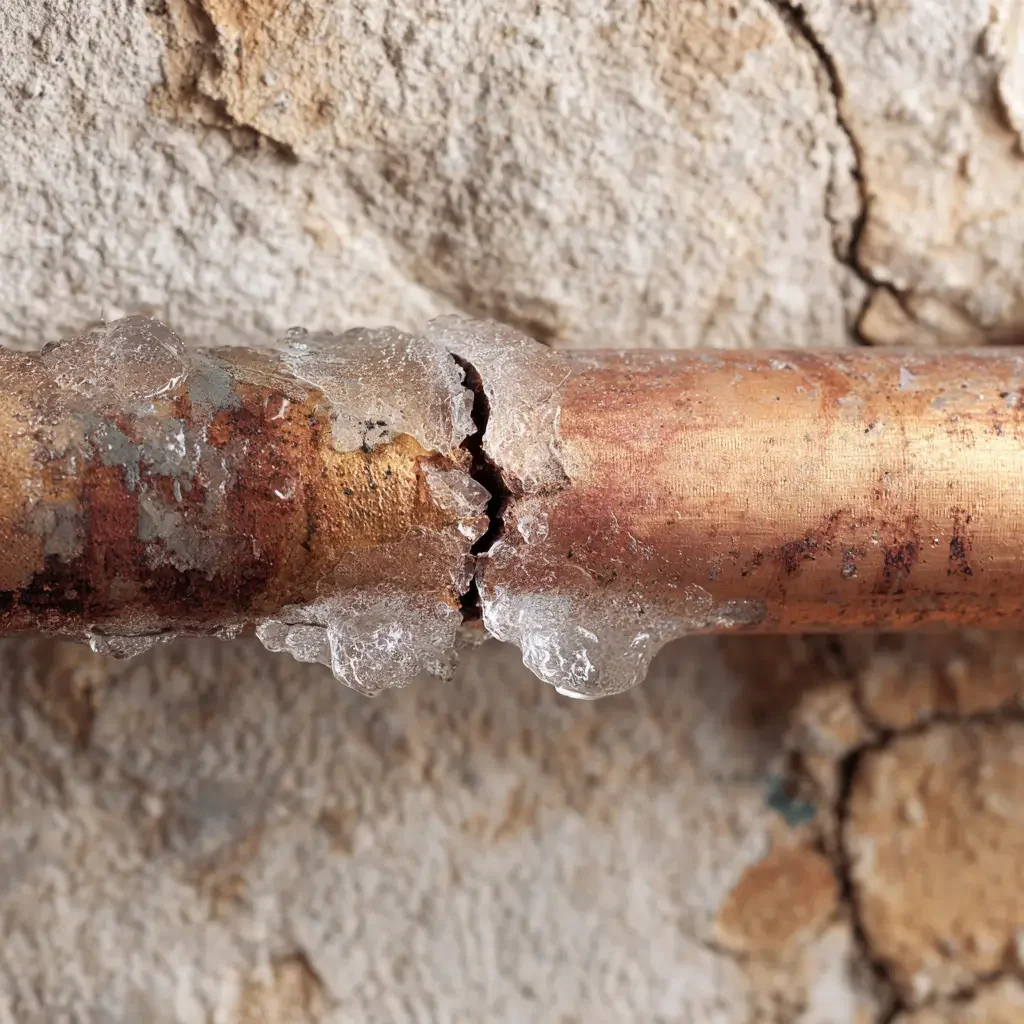
In Minnesota and Wisconsin, frozen pipes are the leading cause of burst pipe emergencies. When water freezes inside pipes, it expands by about 9%, creating immense pressure that can crack or rupture even metal pipes.
Pipes most vulnerable to freezing include those in unheated areas like crawl spaces, attics, and exterior walls. Even a small crack from freezing can lead to significant water damage once the ice thaws.
Age and Corrosion
Older homes with original plumbing face increased risk of pipe failures. Galvanized steel pipes, common in homes built before 1960, typically last 40-50 years before corrosion causes leaks and bursts.
Copper pipes generally last longer—50-70 years—but can still fail due to pinhole leaks caused by acidic water. PEX piping, while more modern and flexible, can also develop problems over time.
High Water Pressure
Excessive water pressure puts constant stress on your plumbing system. Pressure above 80 PSI can cause joints to fail and pipes to burst, especially at weak points or connections.
Physical Damage
Construction projects, tree root intrusion, or accidental impacts can puncture pipes. These sudden failures often cause immediate, visible damage that requires emergency repairs.
Clogs and Blockages
Severe clogs create pressure buildup that can cause pipes to burst. This is especially common in older cast iron drain pipes where years of buildup reduce flow capacity.
Average Burst Pipe Repair Cost Breakdown
The burst pipe repair cost varies significantly based on the damage extent, pipe location, and required repairs. Here's what Minnesota and Wisconsin homeowners typically pay.
Minor Pipe Repairs: $150-$500
Small leaks or easily accessible pipe sections fall into this category. If a plumber can quickly access the damaged pipe and make a simple repair or replacement, you're looking at lower costs.
This includes situations where the leak is caught early, the pipe is in an accessible location like under a sink, and minimal water damage has occurred.
Standard Burst Pipe Repairs: $500-$1,500
Most burst pipe situations fall into this mid-range category. This covers repairs where the plumber needs to cut into drywall, replace a section of pipe, and perform basic restoration work.
Typical scenarios include frozen pipe bursts in basement walls, pinhole leaks in ceiling pipes, or supply line failures in accessible locations.
Major Pipe Replacements: $1,500-$4,000
Extensive damage requiring significant pipe replacement pushes costs higher. If multiple pipe sections need replacement or the plumber must open up multiple walls or ceilings, expect prices in this range.
This is common when frozen pipes burst in multiple locations or when old galvanized pipes need replacing throughout a section of your home.
Extensive Repairs with Water Damage: $4,000-$15,000+
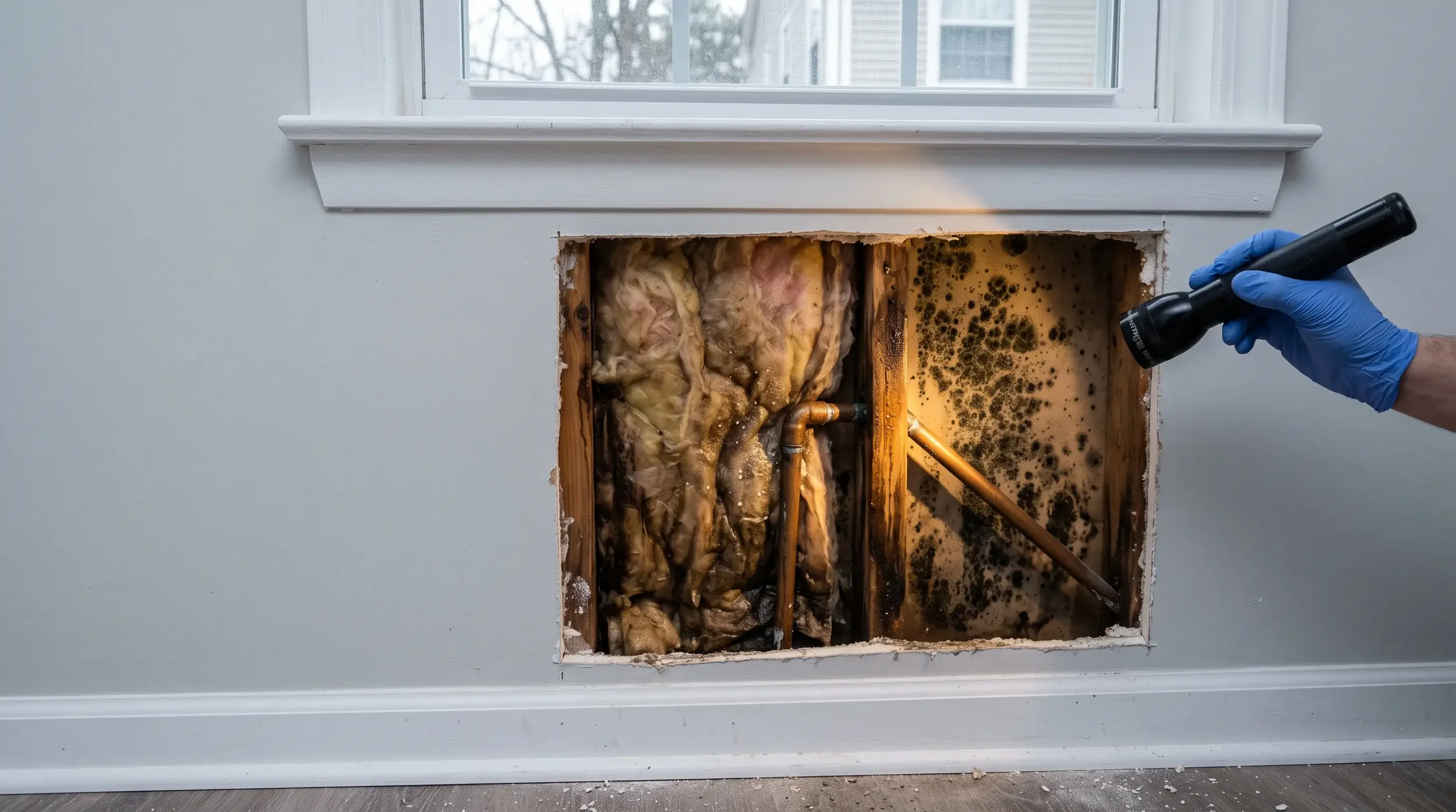
When a burst pipe causes significant water damage before detection, costs escalate quickly. This includes pipe repair plus water extraction, drying, mold remediation, and structural repairs.
Burst pipes in walls that go undetected for hours or days can flood multiple rooms, damage flooring, ruin drywall, and create mold conditions that require professional remediation.
Factors That Affect Broken Pipe Repair Cost
Understanding what drives broken pipe repair cost helps you anticipate your expenses and communicate effectively with contractors and insurance adjusters.
Location of the Burst Pipe
Pipe location dramatically impacts repair costs. Exposed pipes in basements or crawl spaces cost significantly less to repair than pipes hidden behind finished walls or under concrete slabs.
Easily accessible locations (basement ceiling, crawl space): $200-$800
Behind drywall or in ceilings: $500-$2,000
Under concrete slabs (slab leak): $2,000-$4,000+
Main water line outside: $1,500-$5,000+
Wisconsin and Minnesota homes with basements often have more accessible plumbing, potentially reducing labor costs compared to slab-foundation homes.
Type of Pipe Material
Different pipe materials have different repair and replacement costs. Your home's plumbing type affects both material and labor expenses.
Copper pipes: $2-$4 per linear foot (material only)
PEX pipes: $0.50-$2 per linear foot (material only)
PVC pipes: $0.50-$5 per linear foot (material only)
Galvanized steel pipes: Often requires complete replacement; $8-$15 per linear foot
Labor typically runs $45-$150 per hour in Minnesota and Wisconsin markets, with emergency services commanding premium rates.
Extent of Water Damage
The pipe leak repair cost is only part of the equation. Water damage restoration often exceeds the actual pipe repair expense.
Water damage costs include extraction and drying ($3-$7 per square foot), drywall replacement ($1.50-$3.50 per square foot), flooring replacement ($6-$20+ per square foot depending on material), and mold remediation ($500-$6,000 depending on extent).
A burst pipe that floods a finished basement can easily cause $10,000-$30,000 in total damage, even if the pipe repair itself only costs $1,000.
Time of Day and Emergency Services
Plumbing emergencies don't wait for business hours. After-hours repairs typically cost 1.5 to 3 times the standard rate.
Standard business hours (Monday-Friday, 8am-5pm) run $45-$150 per hour in most Minnesota and Wisconsin areas. Evening and weekend rates jump to $150-$300 per hour, while emergency middle-of-night calls can reach $200-$500 per hour.
Required Permits and Inspections
Major pipe replacements may require permits and inspections, adding $50-$500 to your total cost. Cities in Minnesota and Wisconsin have varying requirements for plumbing work.
While simple repairs rarely need permits, replacing main water lines or extensive interior repiping typically requires municipal approval and inspection.
Cost to Repair Leaking Pipe in Wall
One of the most stressful scenarios homeowners face is discovering a leak behind a wall. The cost to repair leaking pipe in wall includes both plumbing work and restoration.
Detection and Access
Before repairs begin, plumbers must locate the exact leak source. If the leak isn't obvious, detection services using moisture meters, thermal imaging, or acoustic equipment cost $200-$500.
Once located, accessing the pipe requires cutting into drywall, which can cost $50-$200 depending on the size of the opening needed.
Pipe Repair or Replacement
After accessing the leak, the plumber repairs or replaces the damaged section. For a simple repair, expect $300-$800 including labor.
If corrosion or extensive damage requires replacing a larger pipe section, costs rise to $800-$2,500 depending on length and pipe type.
Wall Restoration
After plumbing repairs, you need to restore the wall. Basic drywall patching and painting runs $150-$500 for small areas.
Larger wall sections requiring new drywall, mudding, texturing, and painting can cost $500-$2,000 or more. If the leak damaged insulation or framing, additional repairs increase costs.
Total cost to repair a leaking pipe in a wall typically ranges from $800-$4,000 depending on complexity and extent of damage.
Pipe Replacement Cost: When Repair Isn't Enough
Sometimes a simple repair won't solve the problem. Older pipes or extensive damage may require replacement, affecting your pipe replacement cost significantly.
Partial Pipe Replacement
Replacing a section of pipe—typically 5-10 feet—costs between $500-$1,500 for most residential situations. This works when damage is localized to one area.
Copper pipe replacement runs higher at $1,000-$2,500 for similar lengths due to material costs and specialized labor.
Whole-House Repiping
Homes with widespread corrosion or repeated failures may need complete repiping. For an average Minnesota or Wisconsin home (1,500-2,500 square feet), whole-house repiping costs $4,000-$15,000.
PEX repiping tends to be less expensive ($4,000-$10,000) compared to copper repiping ($8,000-$15,000+) due to faster installation and lower material costs.
Main Water Line Replacement
Replacing the main water line from the street to your home is a major project. Costs range from $1,500-$5,000 depending on distance, depth, and ground conditions.
In Minnesota and Wisconsin, frozen ground during winter months can increase excavation costs. Many contractors recommend scheduling these repairs during warmer months when possible.
Hidden Costs of Burst Pipe Damage
Beyond the immediate repair, burst pipes can trigger additional expenses that homeowners don't always anticipate.
Mold Remediation
Water from burst pipes creates ideal mold conditions within 24-48 hours. Professional mold remediation costs $500-$6,000 depending on the affected area.
Wisconsin and Minnesota's humid summers make mold growth even more likely after water damage. Insurance may cover mold remediation if it results from a covered peril like a burst pipe.
Furniture and Belongings Replacement
Water damage can ruin furniture, electronics, carpeting, and personal belongings. Depending on what's damaged, replacement costs can reach thousands or tens of thousands of dollars.
Document all damaged items with photos and receipts for insurance claims. A public adjuster can help ensure you receive fair compensation for personal property losses.
Temporary Housing
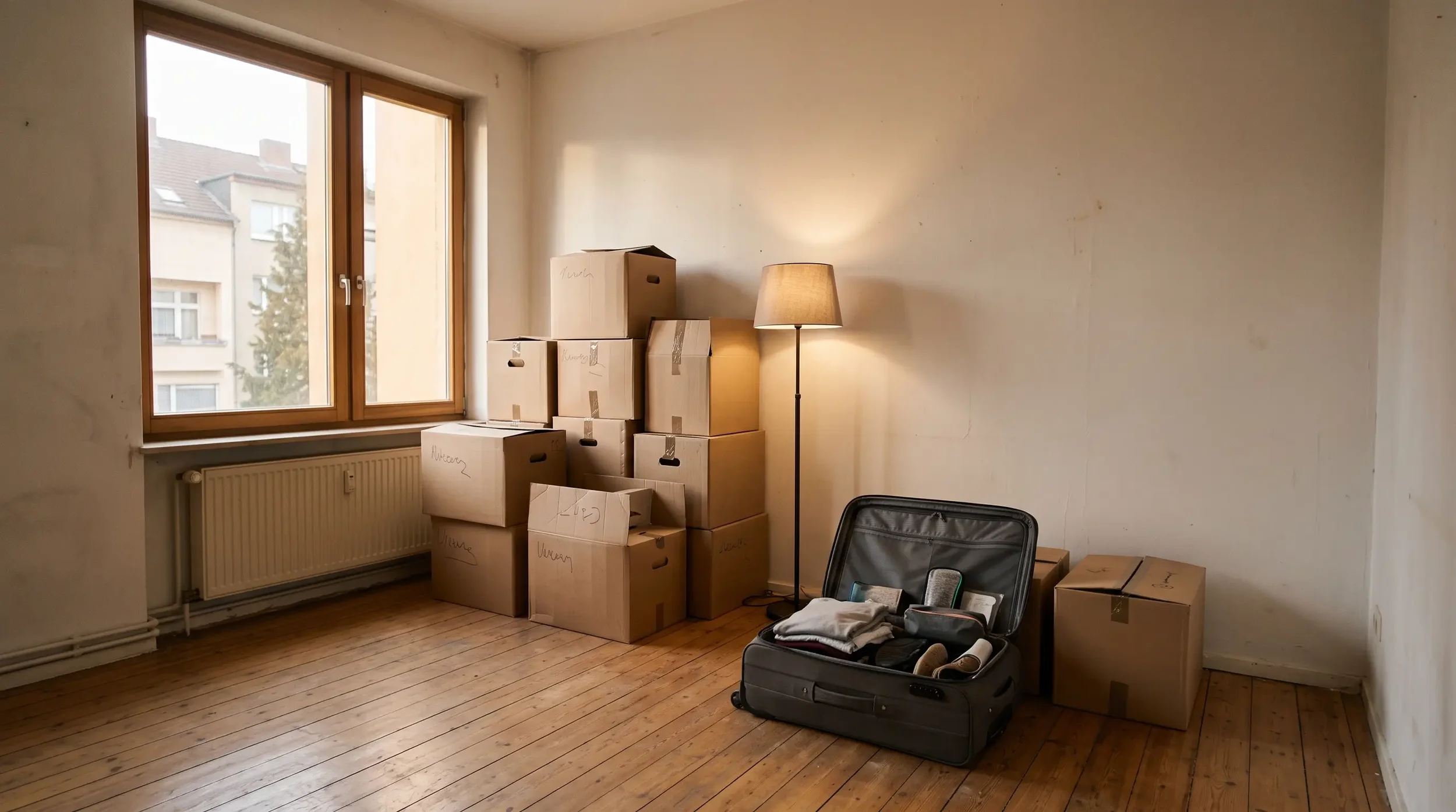
Severe water damage may make your home uninhabitable during repairs. Temporary housing costs—covered by many homeowner policies under "loss of use" or "additional living expenses"—can add up quickly.
Hotels in Minnesota and Wisconsin markets typically run $80-$200 per night. Extended stays for major repairs lasting weeks can cost $2,000-$5,000 or more.
Increased Insurance Premiums
Filing a water damage claim can affect your insurance premiums. While one claim typically won't cause dramatic increases, multiple water damage claims may lead to higher rates or difficulty obtaining coverage.
Working with a public adjuster ensures you file appropriate claims while understanding the long-term insurance implications.
Does Homeowners Insurance Cover Burst Pipes?
Most homeowner insurance policies cover sudden and accidental water damage from burst pipes, but understanding your coverage is crucial.
What's Typically Covered
Standard homeowners policies generally cover the cost of repairing sudden pipe bursts, water damage to your home's structure and contents, and additional living expenses if your home becomes uninhabitable.
If a pipe bursts due to freezing while you're maintaining adequate heat, most policies provide coverage. The damage to walls, floors, ceilings, and belongings typically falls under dwelling and personal property coverage.
What's Usually Not Covered
Insurance companies typically deny claims for damage from gradual leaks or poor maintenance, pipe failures due to lack of maintenance or known problems, freezing when the home was vacant without proper winterization, and the cost to access and repair the actual pipe itself (though this varies by policy).
The pipe repair itself often isn't covered—insurance pays for resulting damage, not the plumbing repair. However, some policies include service line coverage that may pay for pipe repairs.
Understanding Your Deductible
Your deductible significantly affects out-of-pocket costs. If your deductible is $2,500 and total damage is $3,000, you only receive $500 from insurance.
For smaller burst pipe incidents where damage is under your deductible, filing a claim may not make financial sense. A public adjuster can help you evaluate whether filing is worthwhile.
Documentation Requirements
Insurance companies require thorough documentation for burst pipe claims. This includes photos and videos of the damage, receipts for emergency repairs, an inventory of damaged belongings, and repair estimates from licensed contractors.
Many homeowners struggle to gather complete documentation during emergencies. Missing documentation can lead to claim denials or reduced payouts.
Common Burst Pipe Scenarios in Minnesota and Wisconsin
Understanding regional challenges helps Minnesota and Wisconsin homeowners anticipate and prevent costly pipe failures.
Winter Freeze Damage
Frozen pipes are the most common burst pipe scenario in Minnesota and Wisconsin. When temperatures drop below 20°F, especially during cold snaps, vulnerable pipes freeze and burst.
Exterior walls, unheated garages, crawl spaces, and rim joists are high-risk areas. Even modern homes can experience freeze damage if insulation is inadequate or heating systems fail.
Prevention includes maintaining minimum 55°F interior temperatures, insulating vulnerable pipes, allowing faucets to drip during extreme cold, and opening cabinet doors to circulate warm air.
Old Home Plumbing Failures
Minnesota and Wisconsin have many homes built between 1900-1960 with original galvanized steel plumbing. These pipes corrode from the inside out, eventually developing leaks and bursts.
If your home was built before 1960 and still has original plumbing, consider proactive replacement before failures occur. Emergency repairs during a burst are more expensive than planned replacement.
Well Pump and Pressure Tank Issues
Many rural Wisconsin and Minnesota properties have well systems. Pressure tank failures can cause water hammer that bursts pipes, while frozen wellheads can lead to supply line damage.
Well system maintenance prevents many of these issues. Annual inspections cost $150-$300 but can prevent thousands in emergency repairs.
Sump Pump Backup Damage
While not a burst pipe, sump pump failures during spring thaw or heavy rains cause similar water damage. Many homeowners mistakenly believe their regular homeowners policy covers this—it typically doesn't without specific sump pump backup coverage.
Adding sump pump backup coverage costs $40-$100 annually and can save thousands in flood damage from failed pumps.
Steps to Take When a Pipe Bursts
Knowing what to do during a burst pipe emergency minimizes damage and protects your insurance claim.
Immediate Actions
First, shut off your main water supply immediately. Every Minnesota and Wisconsin homeowner should know where their main shutoff is located—typically in the basement near where the water line enters.
Turn off electricity in affected areas if water is near electrical outlets or appliances. Water and electricity create dangerous conditions that require immediate attention.
Move valuables and furniture away from water if safe to do so. Quick action can prevent thousands in property damage.
Call for Help
Contact an emergency plumber immediately. Don't wait—every minute increases water damage. Keep emergency plumber numbers saved in your phone.
If damage is extensive, call your insurance company to report the claim. Most policies require prompt notification of losses.
Document Everything
Take photos and videos of the burst pipe, all water damage to structure and belongings, and damage to walls, floors, and ceilings.
This documentation proves your loss to insurance companies. Many denied claims result from inadequate documentation, not lack of coverage.
Keep all receipts for emergency repairs, water extraction, and temporary lodging. Your insurance company needs this documentation for reimbursement.
Mitigate Further Damage
Your insurance policy requires you to prevent additional damage. This means extracting standing water, running dehumidifiers and fans to dry affected areas, and removing wet materials that can't be saved.
Failure to mitigate damage can result in claim denial for additional losses. However, don't make permanent repairs before your insurance adjuster inspects the damage.
Preventing Burst Pipes: Proactive Measures
Prevention costs far less than emergency repairs. Smart homeowners take these steps to protect their Minnesota and Wisconsin homes.
Insulation and Weatherization
Insulate pipes in unheated areas using foam pipe insulation ($0.50-$3 per linear foot). Focus on crawl spaces, attics, garages, and exterior walls.
Seal air leaks near pipes. Cold air infiltration causes more freeze damage than lack of insulation alone. Weatherstripping and caulking cost minimal money but provide significant protection.
Heating System Maintenance
Schedule annual furnace inspections ($80-$150) to ensure reliable operation during Minnesota and Wisconsin winters. Heating system failures during cold snaps lead to frozen pipes and catastrophic damage.
Consider smart thermostats with remote monitoring. If your heat fails while you're away, you'll receive alerts before pipes freeze.
Regular Plumbing Inspections
Professional plumbing inspections every 3-5 years identify problems before they become emergencies. Inspections cost $200-$400 but reveal corrosion, leaks, and potential failures.
For homes over 40 years old, consider annual inspections. The cost is minimal compared to emergency repairs and water damage.
Smart Home Technology
Leak detection systems ($50-$500) alert you to water leaks before major damage occurs. Advanced systems can automatically shut off water when leaks are detected.
WiFi-enabled water shutoff valves ($400-$800 installed) let you control water remotely. If you're away and receive a leak alert, you can shut off water from your phone.
Getting Accurate Repair Estimates
Reliable estimates help you understand costs and work effectively with insurance companies.
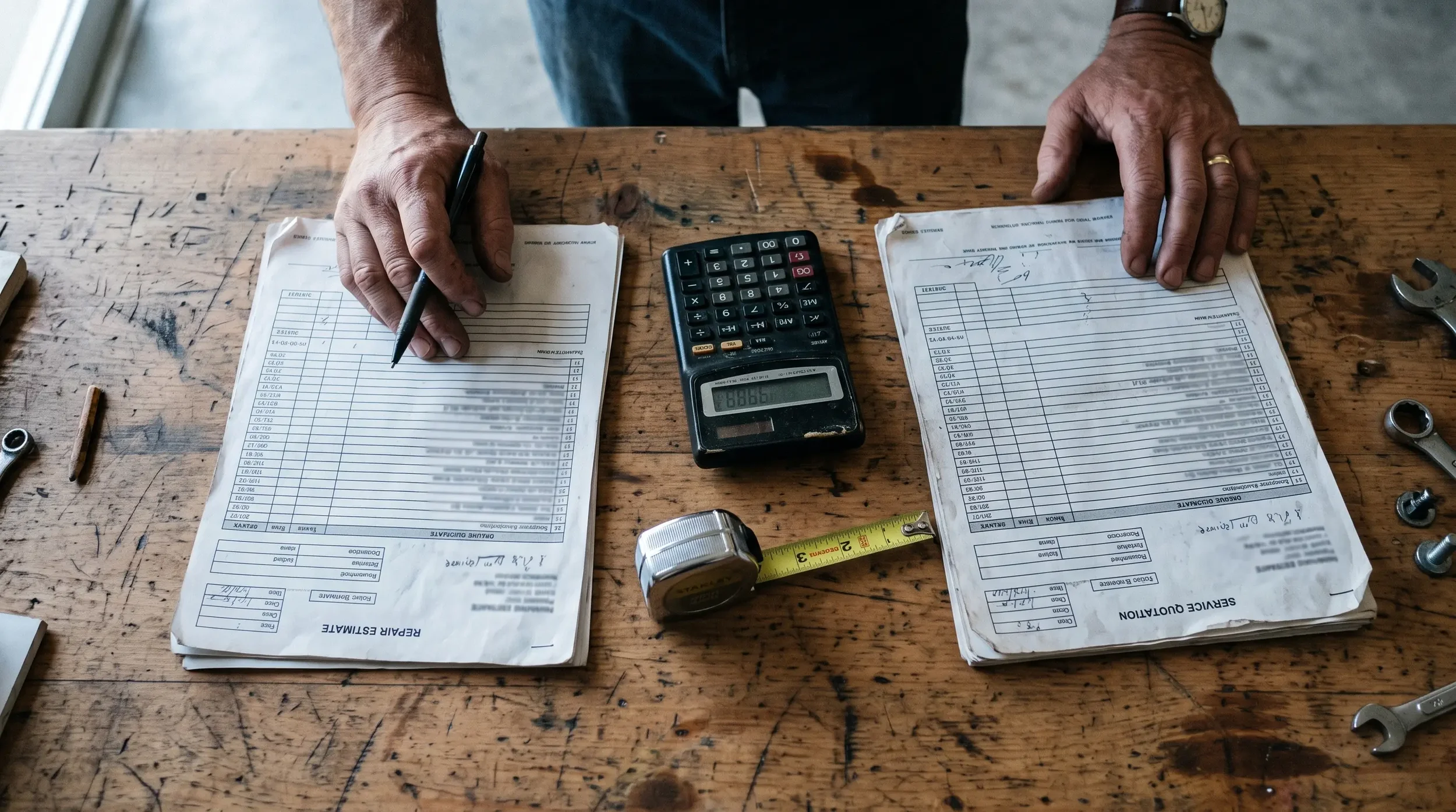
Multiple Quotes
Always get at least three estimates for significant repairs. Prices can vary 20-50% between contractors, especially for complex restoration work.
Ensure estimates include the same scope of work. Comparing a basic repair to comprehensive restoration isn't useful.
Licensed and Insured Contractors
Only hire licensed plumbers and contractors. Wisconsin and Minnesota require licensing for most plumbing work. Unlicensed contractors may perform substandard repairs that insurance won't cover.
Verify contractors carry liability insurance and workers compensation. If an uninsured worker is injured in your home, you could face liability.
Detailed Written Estimates
Demand detailed, written estimates that break down labor costs, material costs, specific work to be performed, and timeline for completion.
Vague estimates make it difficult to evaluate fair pricing and can lead to disputes when the final bill arrives.
Beware of Lowball Bids
Extremely low bids often indicate corners will be cut. Contractors may use inferior materials, employ unlicensed workers, or discover "unexpected" issues that increase the final price.
Quality repairs cost money. A mid-range estimate from a well-reviewed, licensed contractor typically provides the best value.
Working with Insurance After Burst Pipe Damage
Navigating the insurance claims process can be overwhelming during an already stressful situation.
Understanding Your Policy
Review your homeowners policy to understand coverage limits, deductibles, and exclusions before filing a claim.
Pay special attention to water damage coverage, service line coverage (if any), and personal property limits. Many homeowners don't understand their coverage until they need to file a claim.
Filing Your Claim
Report losses promptly—most policies require notification within a reasonable timeframe. Delays can result in claim denial.
Provide complete documentation including photos, videos, repair estimates, and itemized personal property losses.
The Adjuster's Inspection
Your insurance company will send an adjuster to inspect damage. Their assessment determines your claim payout.
Insurance adjusters work for the insurance company, not for you. Their goal is to settle claims fairly but also to protect the company's interests.
Be present during the inspection to point out all damage. Adjusters can miss damage if you don't show them everything.
Common Claim Challenges
Many homeowners face challenges with underpaid claims, denied coverage for specific damage types, disputes over repair costs, and delays in claim processing.
Insurance companies may dispute whether damage resulted from a covered peril, claim damage resulted from poor maintenance, undervalue repair costs, or offer settlements below actual restoration costs.
How a Public Adjuster Can Help with Burst Pipe Claims
When facing significant water damage and insurance claims, a public adjuster provides invaluable expertise and advocacy.
What Public Adjusters Do
Public Adjusters are licensed professionals who represent policyholders—not insurance companies—in the claims process. They assess damage, document losses, prepare and submit claims, and negotiate with insurance companies on your behalf.
Unlike insurance company adjusters who work to minimize payouts, public adjusters work to maximize your settlement within policy limits.
Benefits for Burst Pipe Claims
Burst pipe claims involve complex damage assessment including hidden water damage, structural issues, mold potential, and extensive property losses.
Public adjusters have expertise in identifying all damage, including hidden moisture in walls and under floors, proper valuation of structural repairs, accurate personal property loss assessment, and applicable policy coverage.
Many homeowners accept initial settlement offers that don't fully cover their losses. Public adjusters typically increase final settlements by 20-40% or more.
When to Consider a Public Adjuster
Consider hiring a public adjuster when damage exceeds $10,000, your initial claim offer seems too low, your claim is denied or disputed, or the insurance company is delaying your claim.
Public adjusters charge a percentage of your final settlement—typically 20% depending on claim complexity and state regulations. For significant claims, their expertise pays for itself through increased settlements.
The Claims Process with a Public Adjuster
When you hire a public adjuster, they immediately begin documenting damage, reviewing your policy coverage, preparing a comprehensive claim, and negotiating with the insurance company.
This allows you to focus on your family and home while experts handle the complex insurance process.
Minnesota and Wisconsin Specific Considerations
Regional factors affect burst pipe costs and insurance claims in Minnesota and Wisconsin.
Climate Impact on Plumbing
Minnesota and Wisconsin experience some of the nation's coldest winters. Wind chill values below -30°F are common, creating extreme freeze risks.
Homes in these states need higher insulation levels and more robust freeze protection than milder climates. Building codes reflect these requirements, but older homes may lack adequate protection.
Insurance Market Differences
Insurance rates and coverage availability vary between Minnesota and Wisconsin. Recent years have seen some carriers reduce coverage or exit markets due to increased claim frequency.
Understanding your specific market helps you evaluate coverage options and premium costs.
Local Contractor Availability
During peak seasons—spring thaw and winter deep freeze—plumbing contractors get overwhelmed with emergency calls. Response times can stretch to several days during extreme weather events.
Building relationships with contractors before emergencies ensures faster response when you need help.
Municipal Requirements
Cities throughout Minnesota and Wisconsin have varying permit and inspection requirements for plumbing repairs. Minneapolis, St. Paul, Madison, Milwaukee, and other municipalities each have specific codes.
Licensed contractors understand local requirements and obtain necessary permits as part of their service.
Real Costs: What Minnesota and Wisconsin Homeowners Actually Pay
Understanding real-world costs helps you budget and evaluate estimates.
Basement Pipe Burst
A typical scenario: A copper supply line bursts in a finished basement due to a pinhole leak. Water damages 300 square feet of carpeting, drywall, and insulation.
Pipe repair: $600
Water extraction and drying: $1,800
Carpet replacement: $2,100
Drywall and insulation: $1,500
Total cost: $6,000
With a $1,000 deductible, insurance covers $5,000 after the homeowner pays the first $1,000.
Frozen Pipe in Exterior Wall
A frozen pipe bursts in an exterior wall during a cold snap. The homeowner is away for two days before discovering the damage.
Pipe repair: $1,200
Wall repair (both sides): $2,800
Water damage to flooring: $3,500
Furniture damage: $1,800
Mold remediation: $2,200
Total cost: $11,500
With a $2,500 deductible, insurance covers $9,000. A public adjuster helps document all damage and negotiates coverage for mold remediation that the insurance company initially disputed.
Main Water Line Failure
An aging main water line fails, flooding a basement and requiring extensive excavation and replacement.
Water line replacement: $4,200
Excavation and landscaping repair: $1,800
Basement water damage: $5,400
Total cost: $11,400
Insurance typically doesn't cover the water line repair itself (unless the homeowner has service line coverage), but does cover the resulting water damage. The homeowner pays $4,200 for the pipe plus a $1,000 deductible, with insurance covering $5,400 for water damage.
Frequently Asked Questions About Burst Pipe Costs
How long does burst pipe repair take?
Simple repairs take 2-4 hours. Extensive damage requiring wall access and restoration can take several days to weeks depending on damage extent and contractor availability.
Can I repair a burst pipe myself?
Small leaks might be temporarily patched by handy homeowners, but professional repairs are strongly recommended. Insurance may not cover damage from DIY repairs that fail.
Will one burst pipe claim raise my insurance rates?
One claim typically causes minimal rate increases. However, multiple water damage claims can significantly impact premiums and coverage availability.
Should I file a claim for minor burst pipe damage?
If damage is less than your deductible plus 10%, consider paying out of pocket. Claims history affects future rates and coverage eligibility.
How quickly should I call a plumber?
Immediately. Every minute delays increase water damage. Keep emergency plumber numbers readily available.
What's the difference between pipe repair and replacement?
Repairs fix damaged sections while replacement involves installing new pipe. Replacement is necessary when corrosion or damage is extensive.
Do I need a permit for pipe repairs?
Minor repairs typically don't require permits. Major replacements or work involving main lines usually do. Licensed contractors handle permit requirements.
How can I tell if I have a hidden pipe leak?
Signs include unexplained water bill increases, water stains on walls or ceilings, musty odors, and sound of running water when everything is off.
Take Action: Protecting Your Minnesota or Wisconsin Home
Burst pipes create stressful situations that test any homeowner. Understanding costs, knowing your insurance coverage, and taking preventive action provide the best protection.
How much does it cost to fix a burst pipe? While simple repairs might run $500-$1,500, extensive damage can easily reach $10,000 or more when you include water damage restoration and personal property losses.
Minnesota and Wisconsin homeowners face unique challenges from harsh winters and aging housing stock. Proactive maintenance, adequate insurance coverage, and quick response during emergencies minimize damage and costs.
The most important steps you can take today include knowing where your water shutoff is located, insulating vulnerable pipes before winter, maintaining adequate home heating, scheduling plumbing inspections for older homes, and reviewing your insurance coverage for gaps.
Don't wait until disaster strikes to understand your coverage and options.
Get Expert Help with Your Burst Pipe Insurance Claim
Dealing with burst pipe damage is overwhelming enough without fighting with your insurance company over coverage and claim values. Shoreline Public Adjusters specializes in helping Minnesota and Wisconsin homeowners navigate complex water damage claims.
We understand the unique challenges burst pipes create in cold climates. Our team of licensed public adjusters works exclusively for you—not the insurance company—to ensure you receive the maximum settlement your policy allows.
When you work with Shoreline Public Adjusters, we handle damage documentation, policy review and interpretation, claim preparation and submission, negotiation with insurance adjusters, and advocacy throughout the entire claims process.
We've helped hundreds of homeowners turn denied claims into paid settlements and low settlement offers into fair payouts that fully cover restoration costs.
Contact Shoreline Public Adjusters today for a free consultation. Let our expertise work for you while you focus on getting your home and life back to normal. Visit us at www.teamshoreline.com or call to speak with a licensed public adjuster who understands Minnesota and Wisconsin water damage claims.
Your insurance policy is there to protect you when disasters strike. Let us make sure you receive every dollar you deserve.
Shoreline Public Adjusters, LLC
780 Fifth Avenue South
Suite #200
Naples, FL 34102
Email: hello@teamshoreline.com
Phone: 954-546-1899
Fax: 239-778-9889